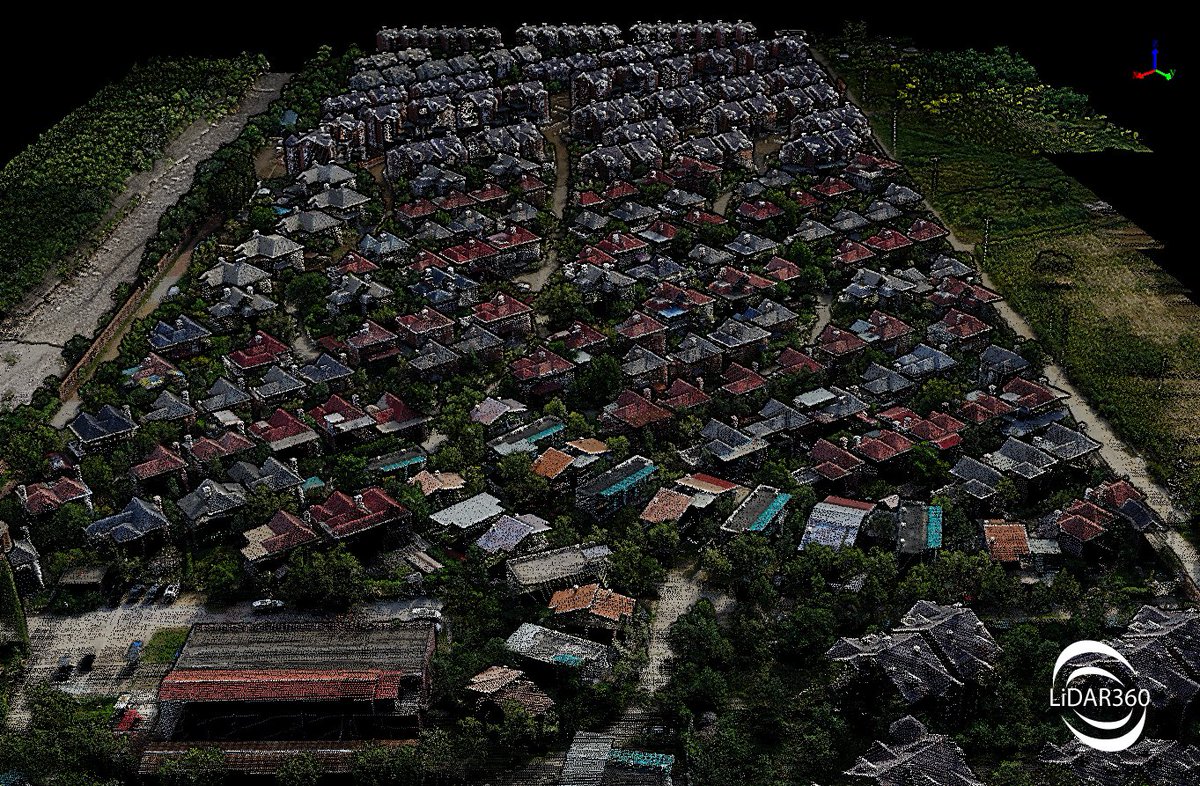
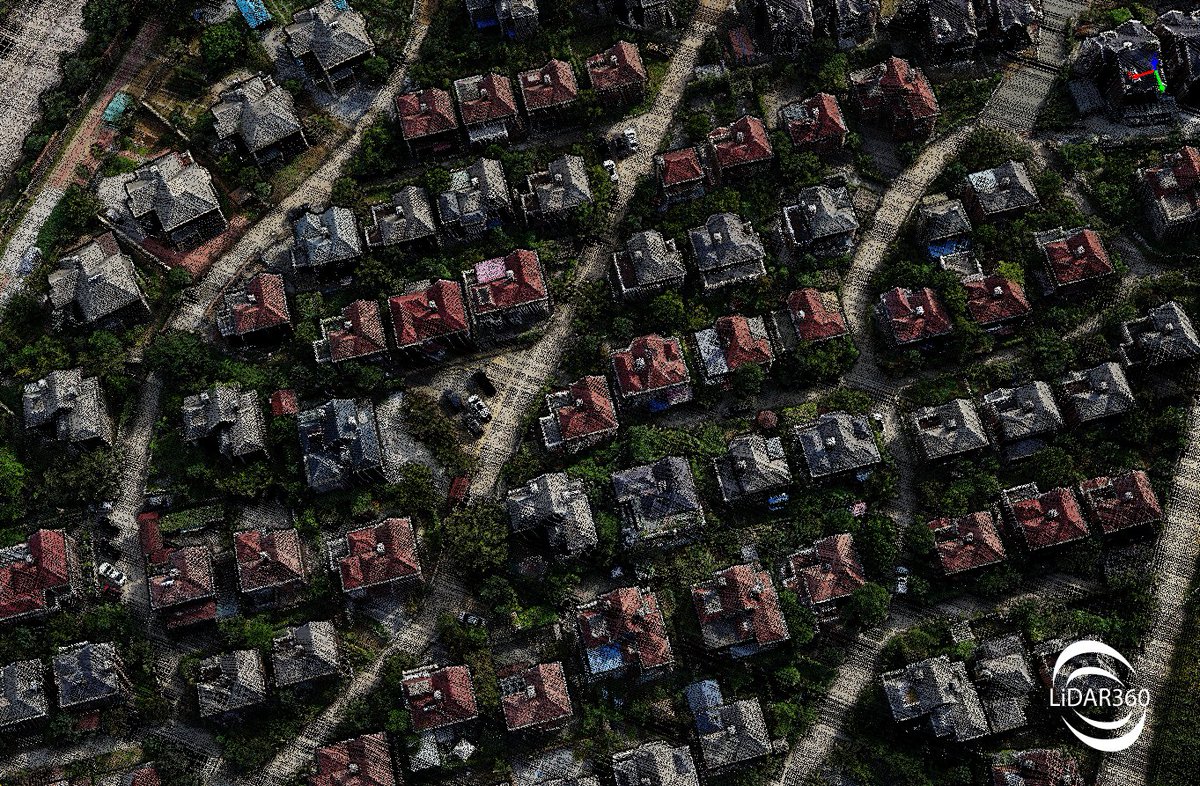
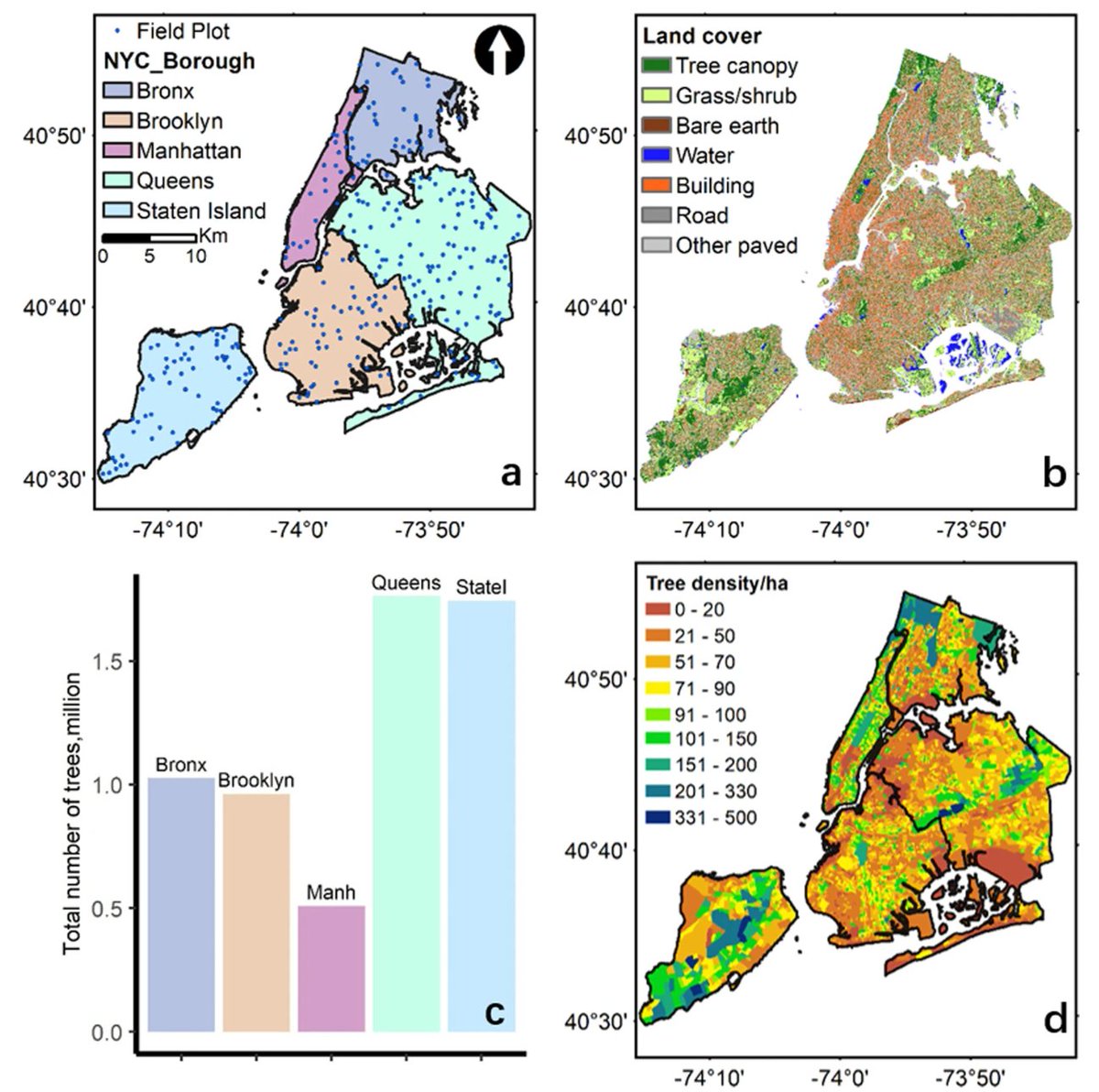
Check out our new dataset of 6million trees in #NewYorkCity using #lidar, aerial photos #remotesensing and i-Tree model #urbangreen. You can locate every single tree and find its tree height, crown size, volume, and biomass. https://t.co/QjjlWDNxr8
Planting single-species #forests is a dominant nature-based solution to the #ClimateEmergency.
But we lack nuanced understanding of how #carbon accumulates in these forests.
Our new study, published in @NatureComms today, fills this gap.
https://t.co/yV7SHvPdGL
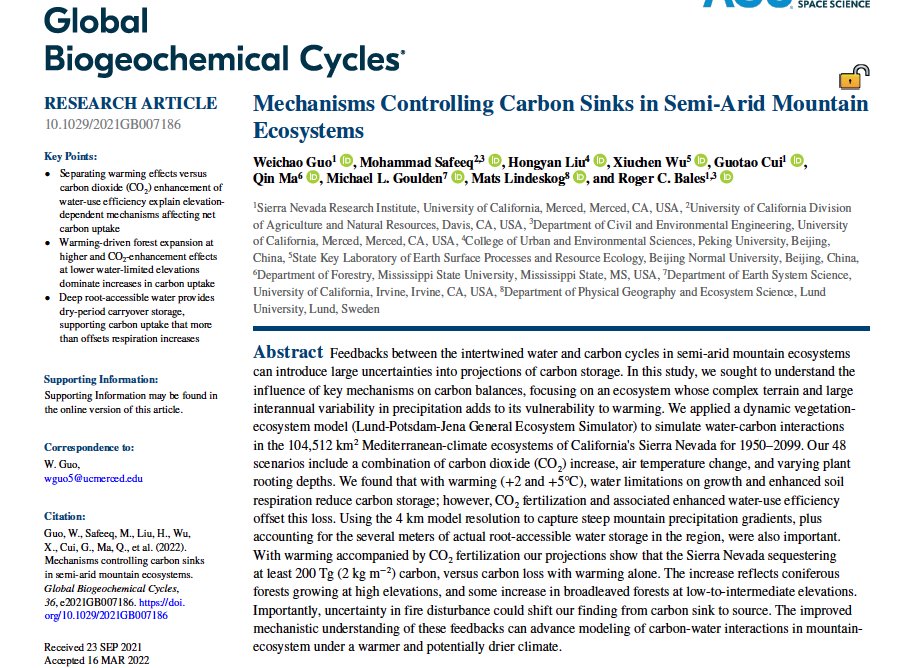
Our paper, led by our postdoc Weichao Guo (not on twitter) on investigating carbon-water tradeoffs under a range of climate change scenarios, with and without CO2 feedback and presence/absence of water from the deeper regolith, is out in the Global Biogeochemical Cycles! 1/5
@safeeqkhan@theAGU Got up at 7:30 am for an exciting talk, but could not find the link anywhere for the whole morning. I will say it cost me more than $500....
California's water supplies are in trouble as climate change worsens natural dry spells, especially in the Sierra Nevada https://t.co/RPW0hfS7wz via @ConversationUS
Snowpack is an important seasonal storage reservoir, and investments are progressing to make up for lost storage as a warming climate further shifts snow to rain; and more can be done.
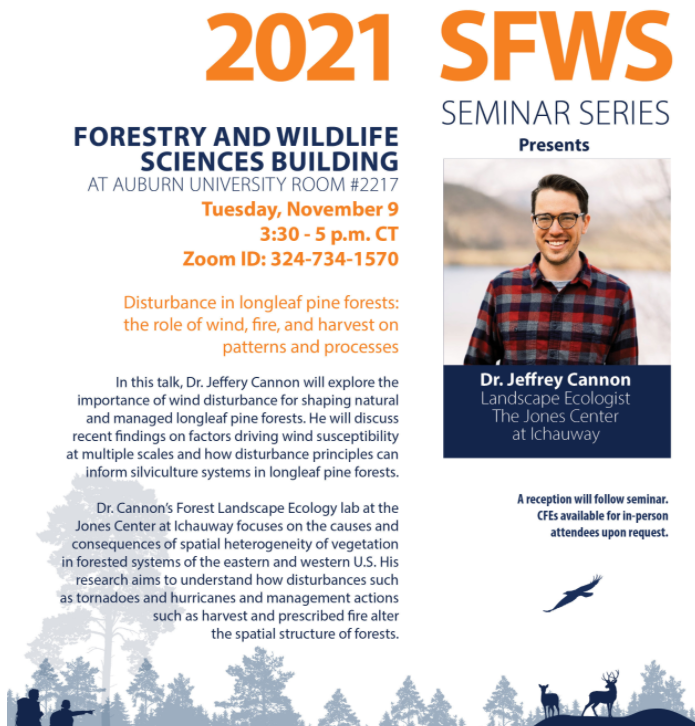
I'm giving a seminar on our work on the role of wind disturbances for shaping #longleaf pine forests for anyone interested in joining 330CT/430ET Tuesday at @ausfws. Join on Zoom if you're interested!
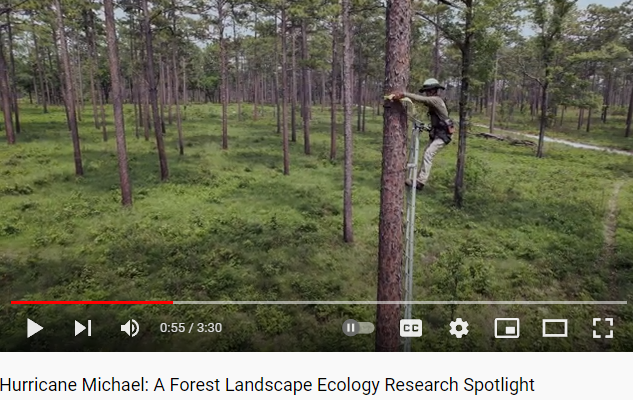
Here's a great video from the @thejonesctr covering some of our tree winching work comparing wind risk in #longleaf and other southern pines!
https://t.co/k1Q1jMlttJ
Very excited to share a new project we are embarking on with USDA to quantify carbon benefits in CRP. I’ve posted some positions we are filling for the project, but here is the official press release. https://t.co/RqmlNgx77q
We are hiring a Project Coordinator to help with a new project investigating the greenhouse gas mitigation potential of trees planted under the Conservation Reserve Program. Contact Dr. Himes ([email protected])for more details or apply below. https://t.co/e4xh1otka3
Can socioeconomic development lead to more urban green space? From the #SALURBAL cities, we found that higher SES cities had lower greenness averaged 2000-2015 but greater greening. And these are scale-dependent.
@LACUrbanHealth
https://t.co/XiZBWyzsht via
@IOPscience
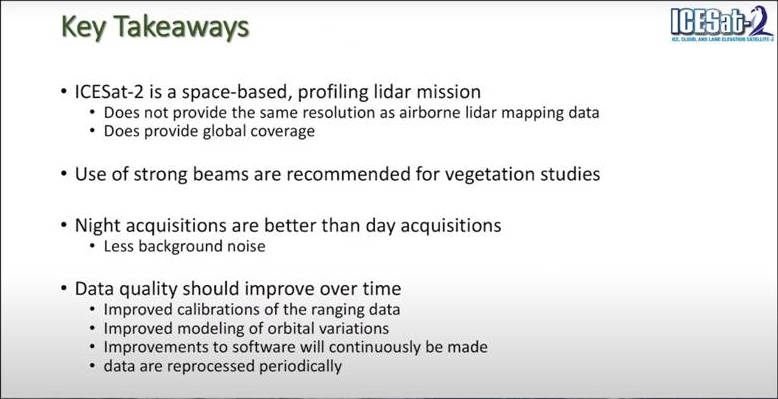
Excellent keynote by Dr. Amy Neuenschwander @longhornglam on the use of #ICESat2 data for #forest applications @SilviLaser2021. Great primer on #ATL08 data and latest info on mission & algorithm status, validation, and recommendations for data filtering.
https://t.co/zPmefehWaj
We found that urban green space quality (NDVI controlling for green space coverage) has an insignificant protective effect against dengue incidence across 3826 census tracts in Belo Horizonte. The protective effect of greenness is stronger in areas with high #vulnerability.
Our collaborator, Dr. Ma, is using her brand new backpack mounted terrestrial lidar unit to test her hypothesis about how many graduate students it takes to get a backpack lidar unit working.