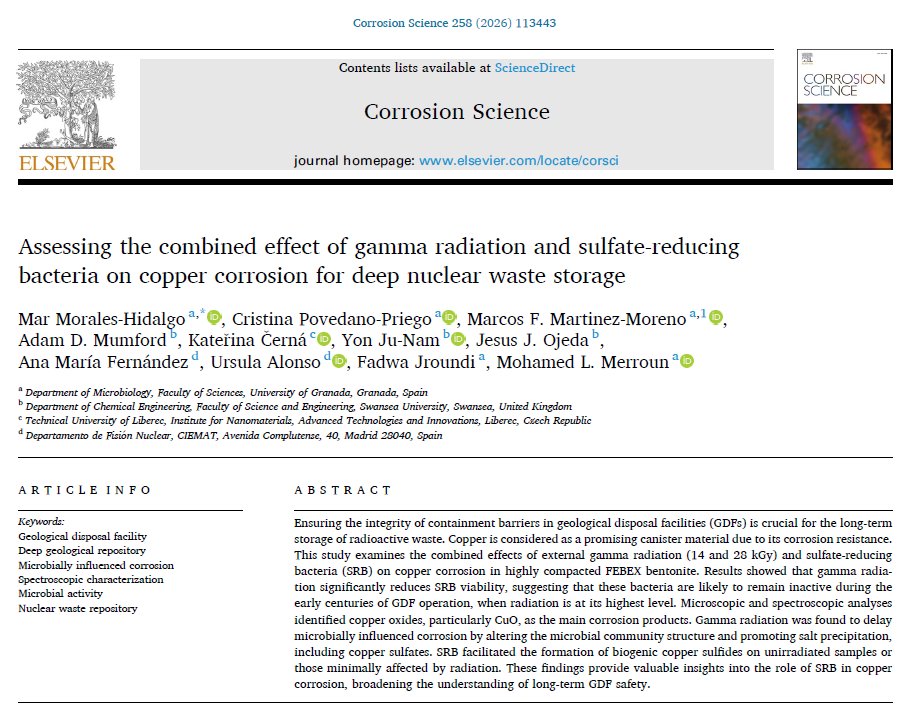
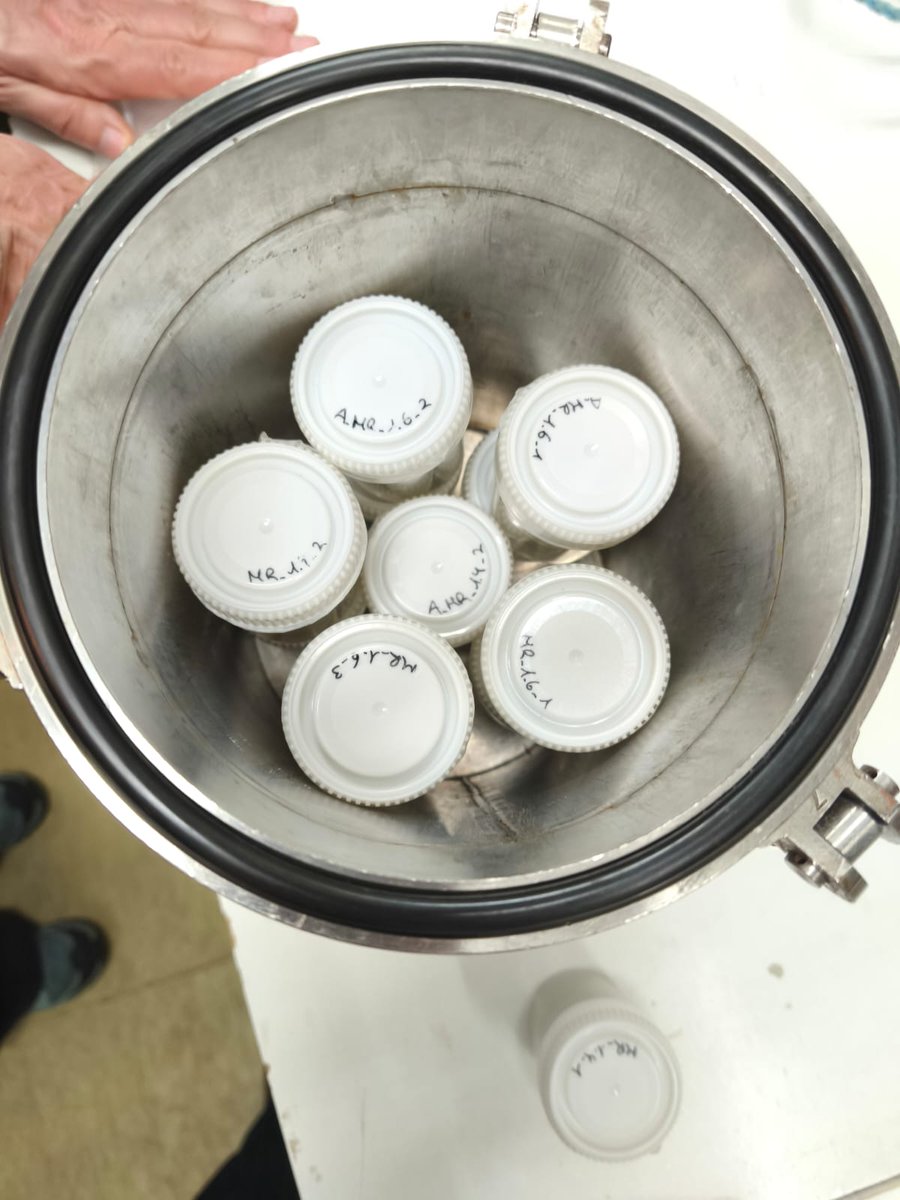
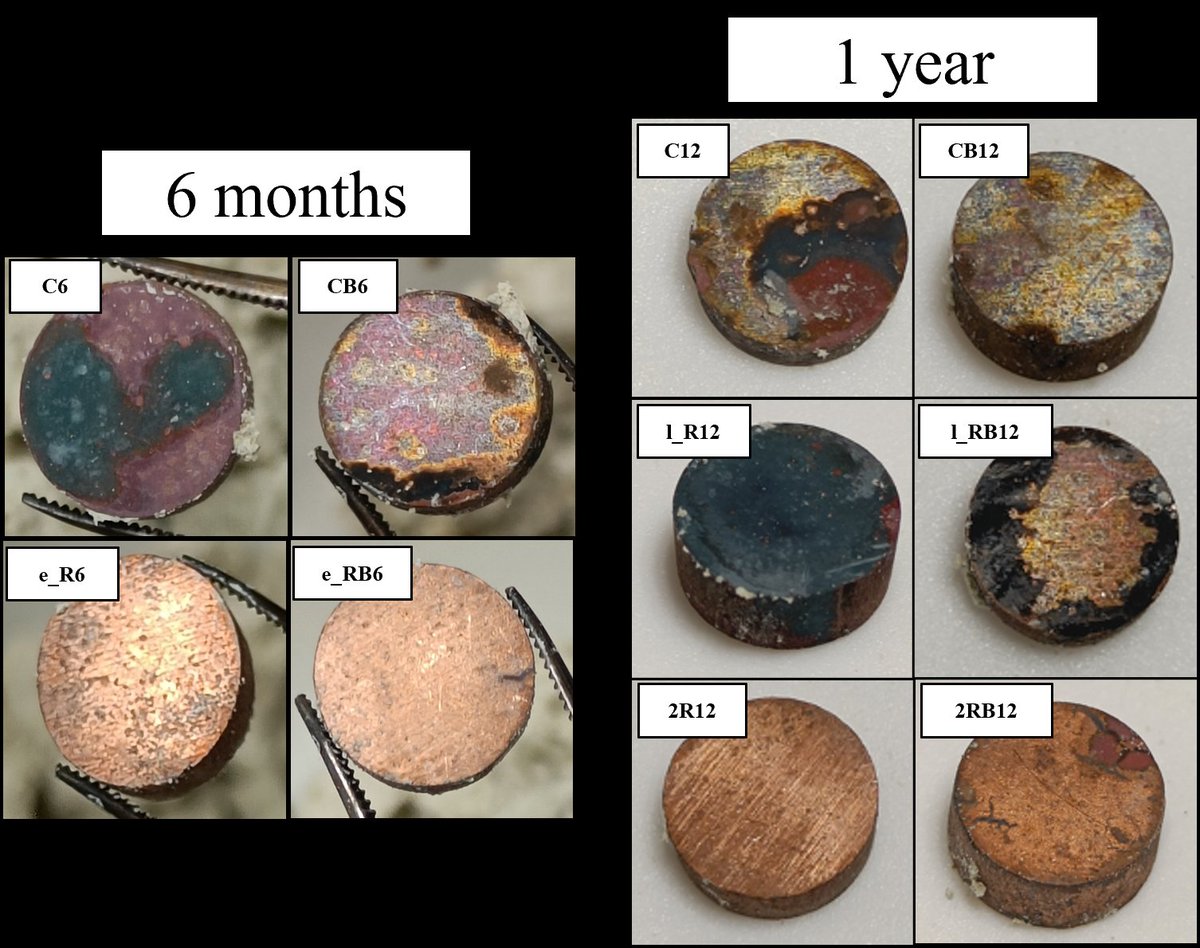
☢️ Excited to share my new paper in Corrosion Science!
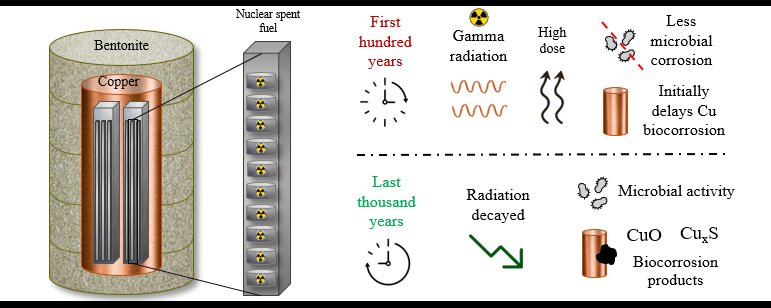
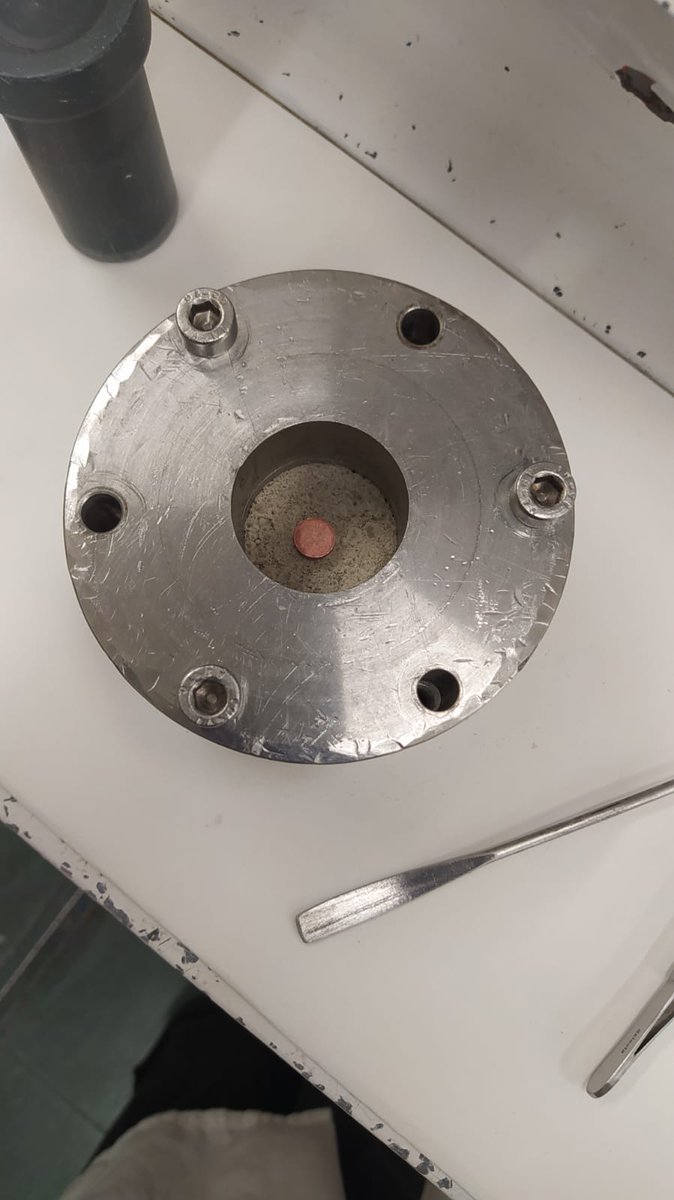
We studied how gamma radiation and sulfate-reducing bacteria affect copper corrosion in deep nuclear waste storage.
Part of the EURAD-1 & @EJP_EURAD projects. Grateful to all collaborators! ✨
https://t.co/6KGIl4OzfG
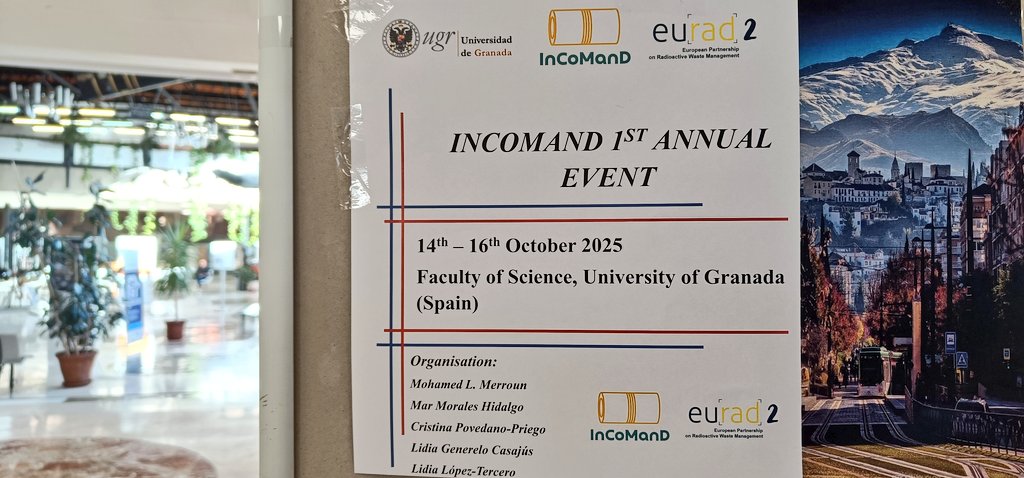
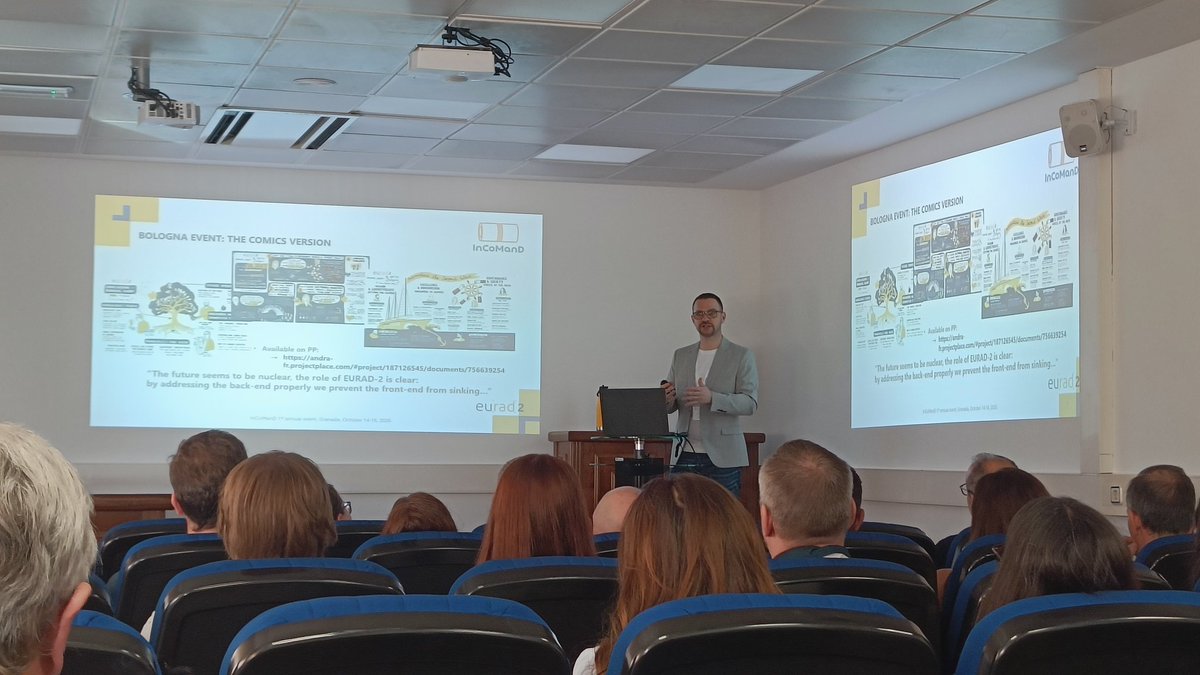
From Oct 14–16, the @CanalUGR will welcome experts from across the world for the 1st #InCoManD annual meeting. Hosted by Prof. Merroun’s group, participants will exchange the latest progress within the @EJP_EURAD project.
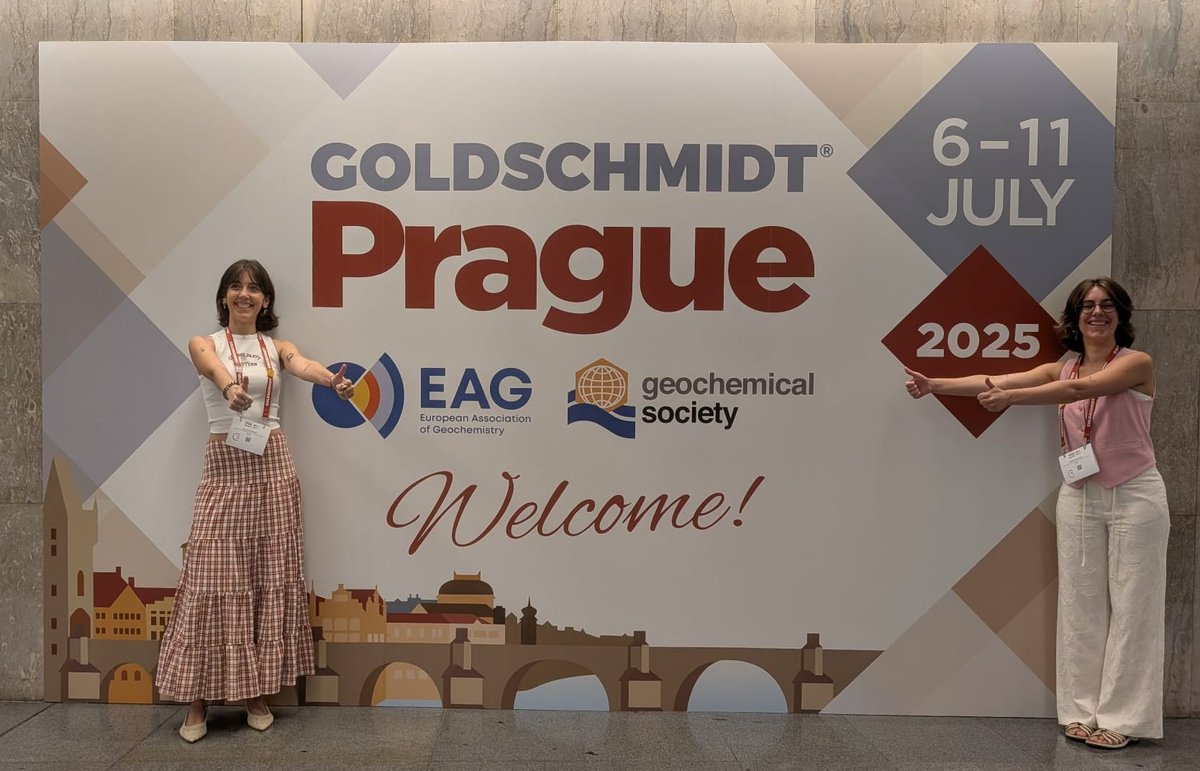
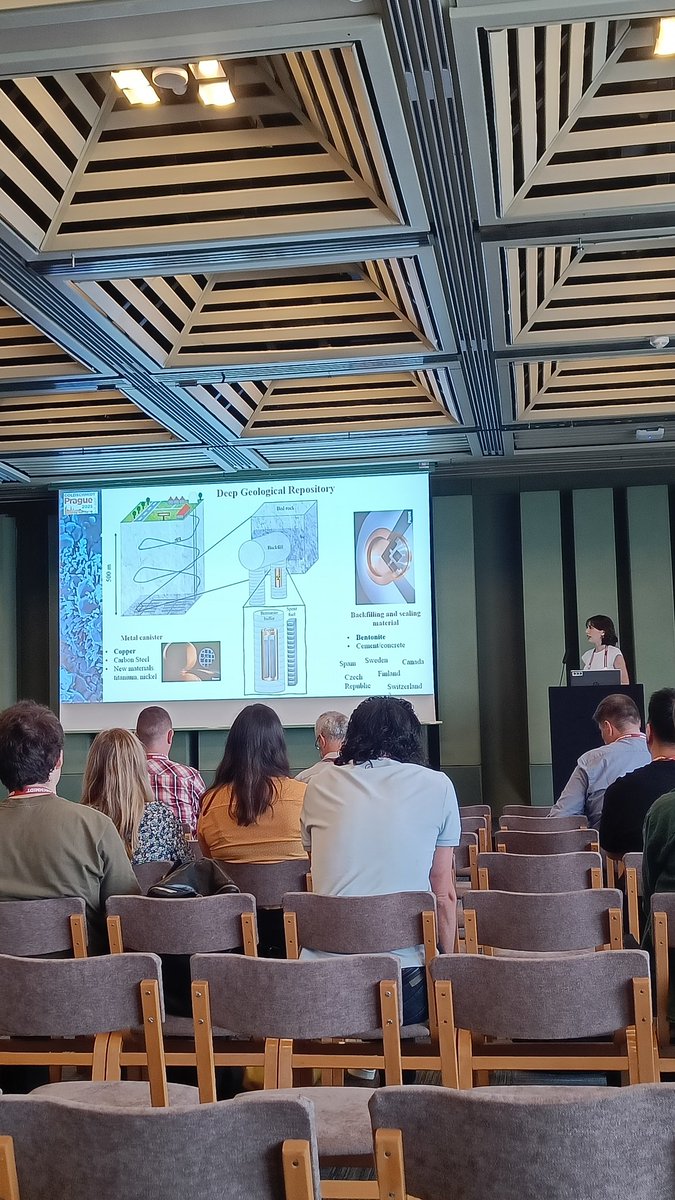
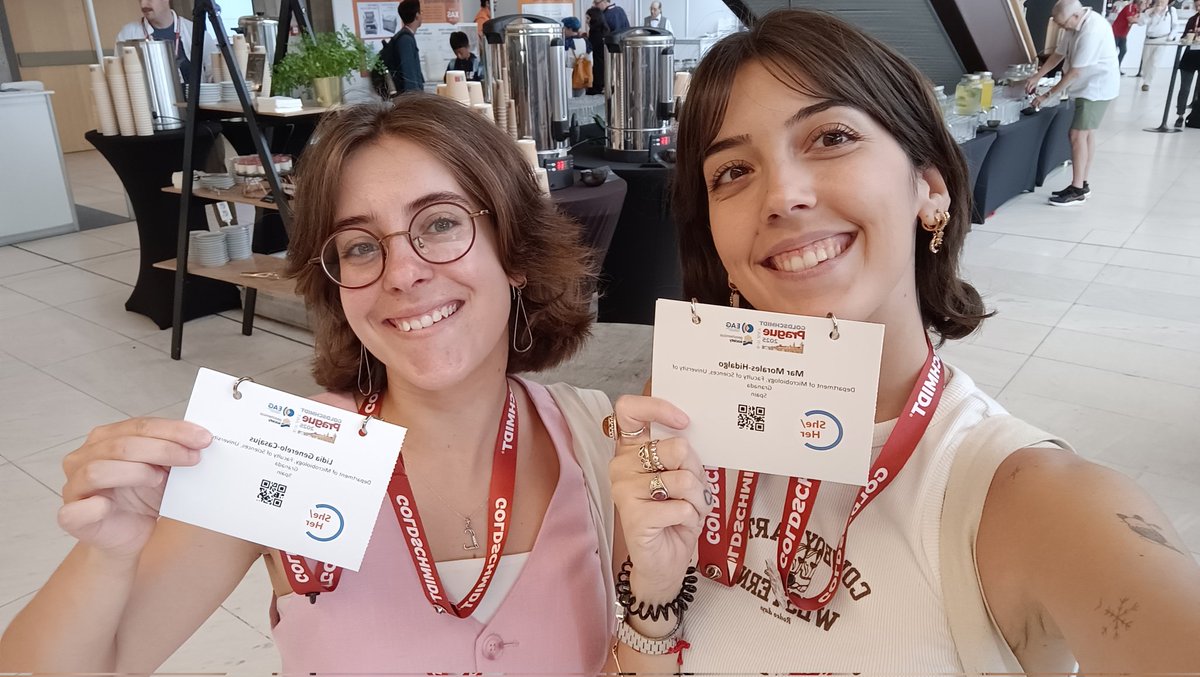
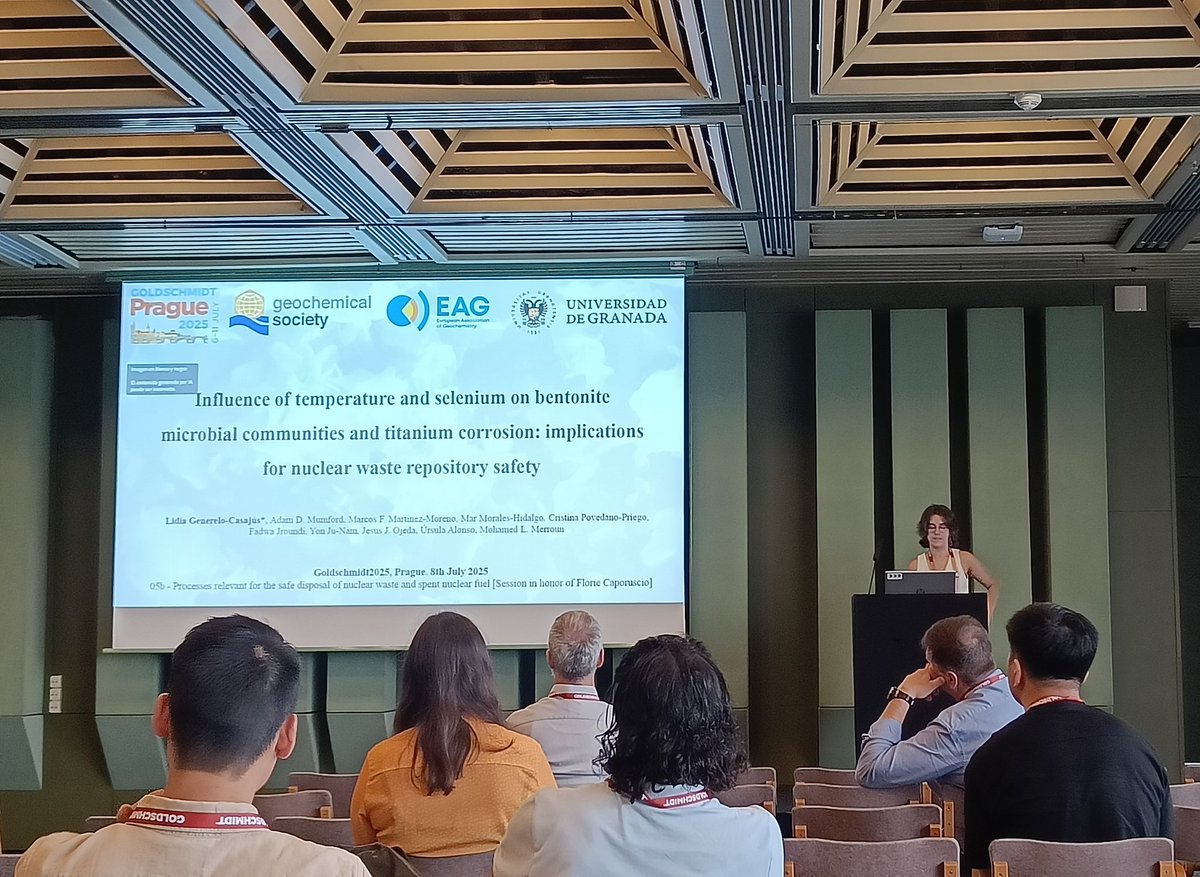
This week, @maarmh and Lidia are attending the #Goldschmidt2025 Conference in Prague! They’re presenting exciting new research on the microbiology of deep geological nuclear waste repositories, shedding light on how microbes behave in extreme, long-term storage environments. 🦠☢️
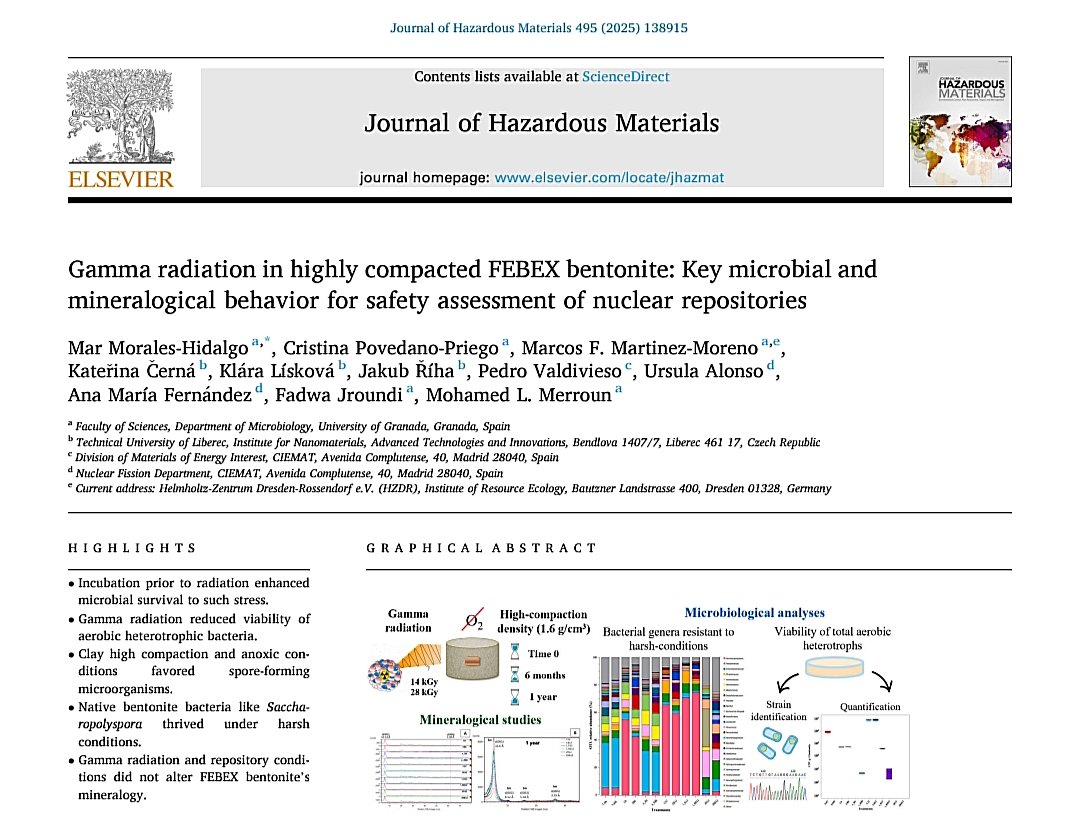
Excited to share our new paper published in the Journal of Hazardous Materials! ☢️
We studied gamma radiation effects on FEBEX bentonite microbiology: key for nuclear waste safety 🦠
Part of the @EJP_EURAD project and in collaboration with @FFision@CIEMAT_OPI
Happy to share that part of my PhD work has just been published in Journal of Hazardous Materials! 🎉
We explored how gamma radiation affects FEBEX bentonite microbiology, crucial for nuclear waste safety.
Done within @EJP_EURAD and in collaboration with @FFision@CIEMAT_OPI
Just published!
Even NASA cleanrooms—designed to be ultra-clean—harbor resilient, novel bacteria. 26 new species were found, some forming biofilms, resisting radiation, and producing biotech-relevant compounds.
Check it here: https://t.co/3IzDHkLFQg
🚨| El Telescopio Espacial James Webb (JWST) ha detectado posibles indicios de vida en el exoplaneta K2-18b
Un equipo de la Universidad de Cambridge identificó en la atmósfera de este planeta moléculas como dimetil sulfuro (DMS) y dimetil disulfuro (DMDS), que en la Tierra son producidas por organismos vivos.
K2-18b es una supertierra potencialmente habitable, de aproximadamente 2,6 veces el tamaño de nuestro planeta. Se encuentra a 124 años luz del Sistema Solar.
Este hallazgo se considera la evidencia más sólida hasta ahora de posible vida extraterrestre, aunque los científicos advierten que se necesitan más observaciones para confirmar el descubrimiento.
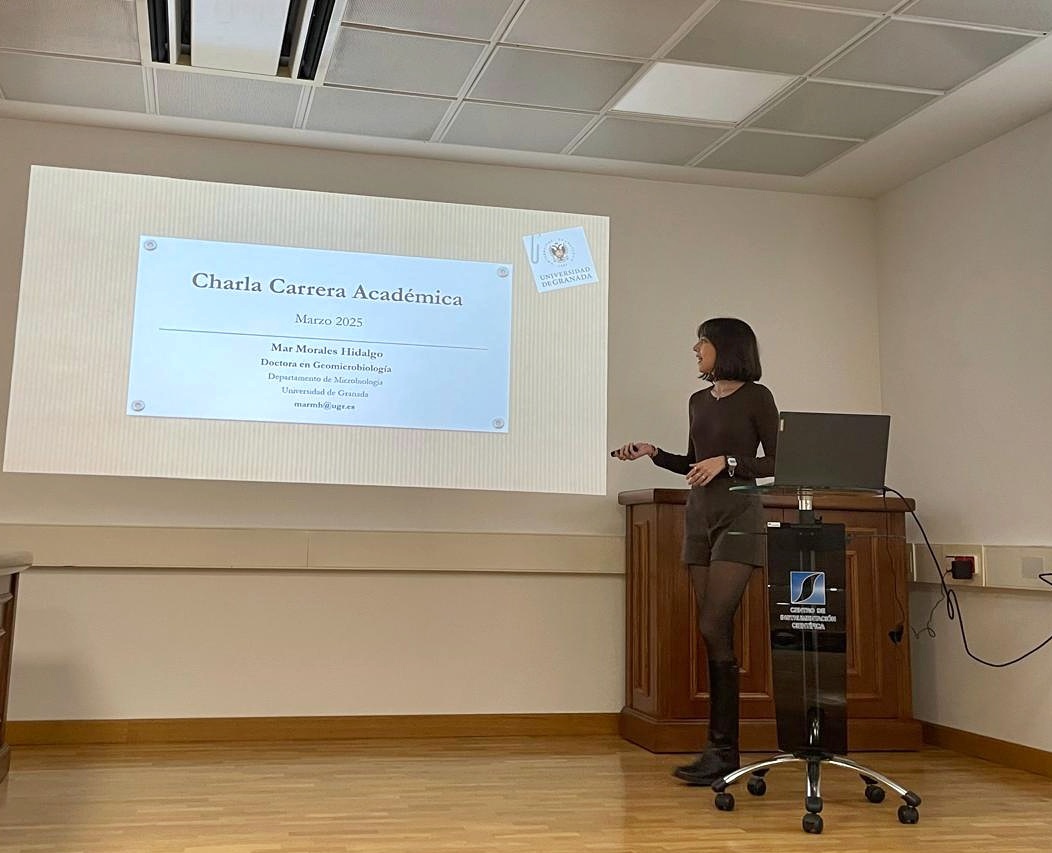
Excited to join @CanalUGR's Biotechnology & Microbiology master’s students once again to talk about the research career! Sharing experiences, funding opportunities, and key advice: in science, rejection is part of the journey, and collaboration is the key to success ✨
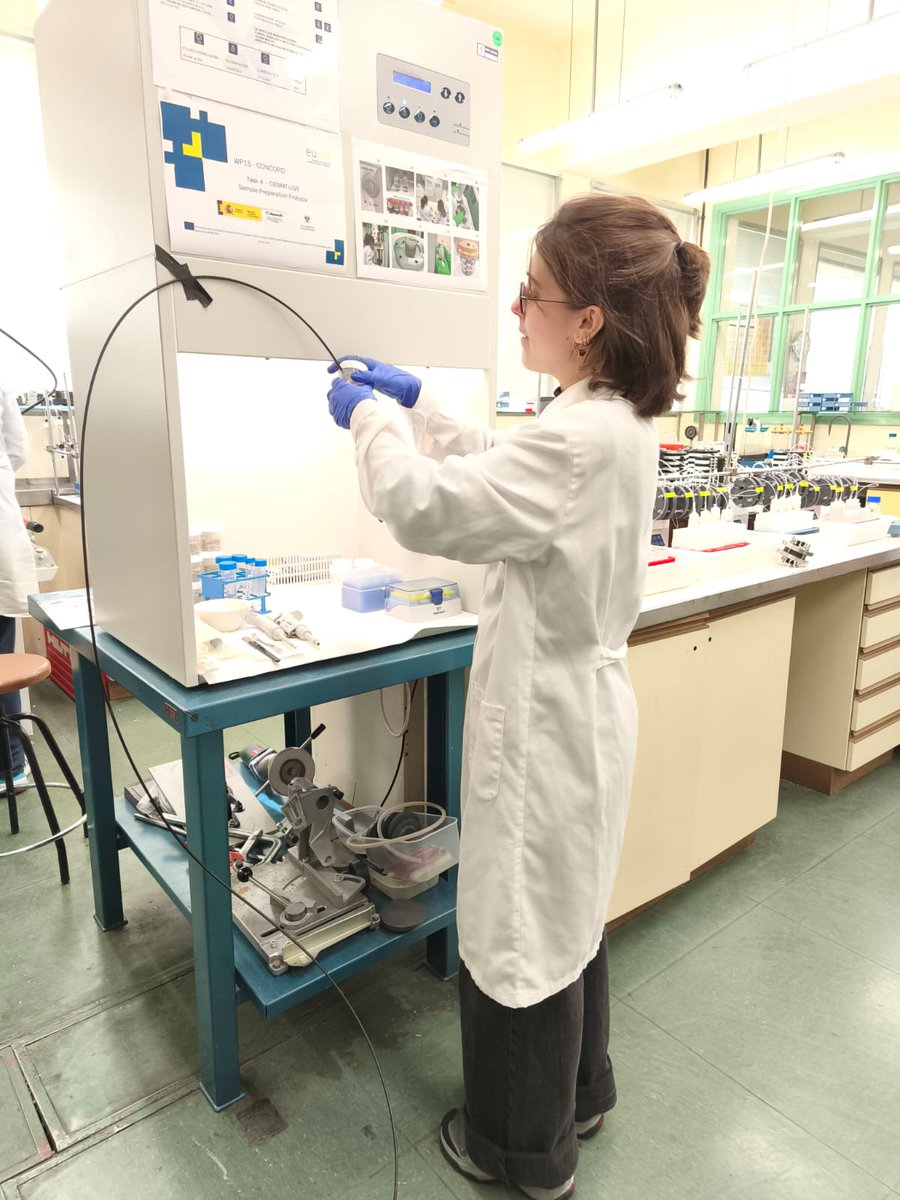
🔬 Big progress in our lab! Our PhD student, Lidia Generelo, has completed a short stay at @FFision to set up an experiment. This is part of #InCoManD WP @EJP_EURAD, an European project on the DGR of radioactive waste—one step closer to safer long-term storage!💡
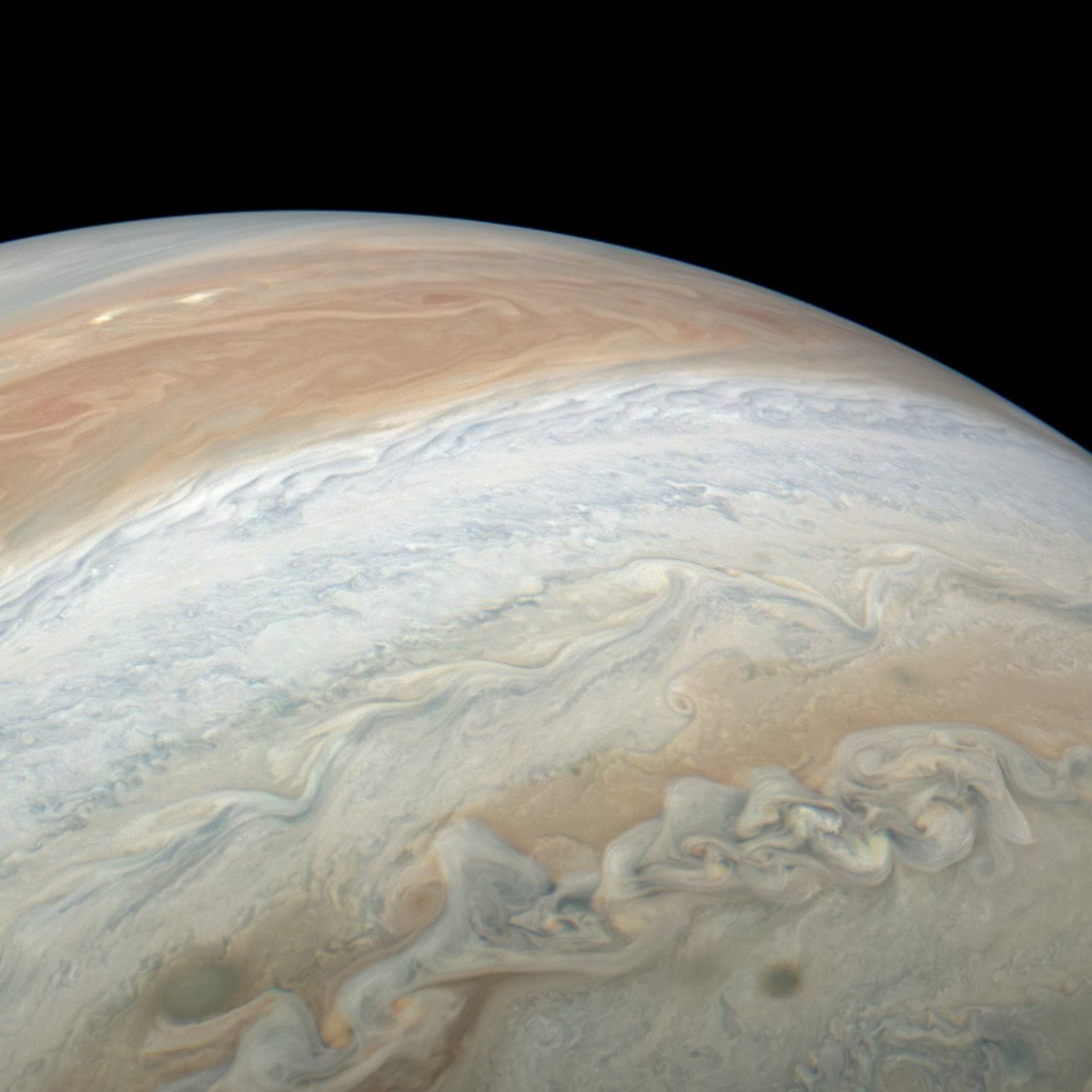
More postcards from the planets: a few new images from NASA spacecraft throughout the solar system
- The Sun on Feb. 19 from the Solar Dynamics Observatory
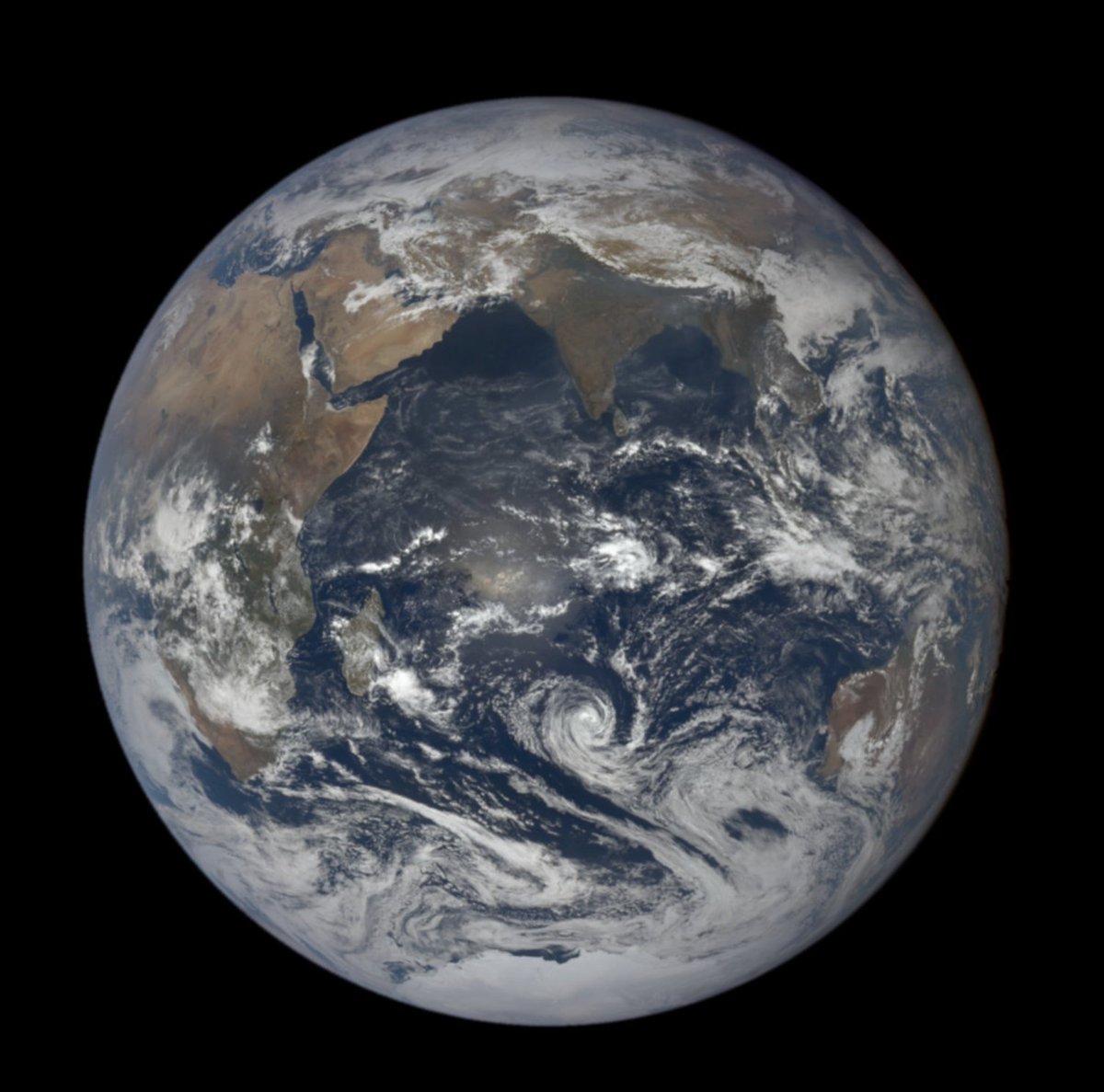
- Earth from the EPIC camera on Feb. 17
- Mars from @NASAPersevere on Feb. 7
- Jupiter from the #JunoMission on Jan. 28
"Life moves pretty fast. If you don't stop and look around once in a while, you could miss it." 💫
Enjoy this nighttime orbital time-lapse taken by @NASA_Astronauts astronaut @astro_pettit from the Japanese Experiment Module on the International @Space_Station. At first glance, it’s easy to only notice the stars and auroras flying by. With a second look, there’s an abundance of science and exterior instruments capturing data that benefit humanity and help us better understand our universe.
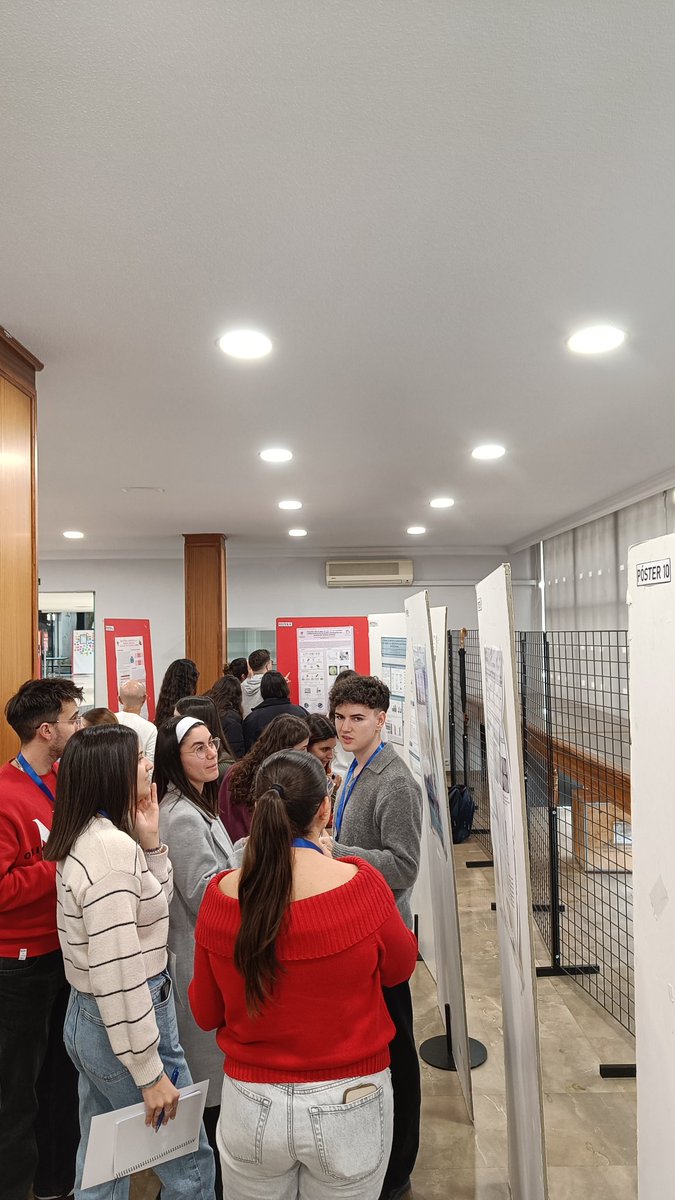
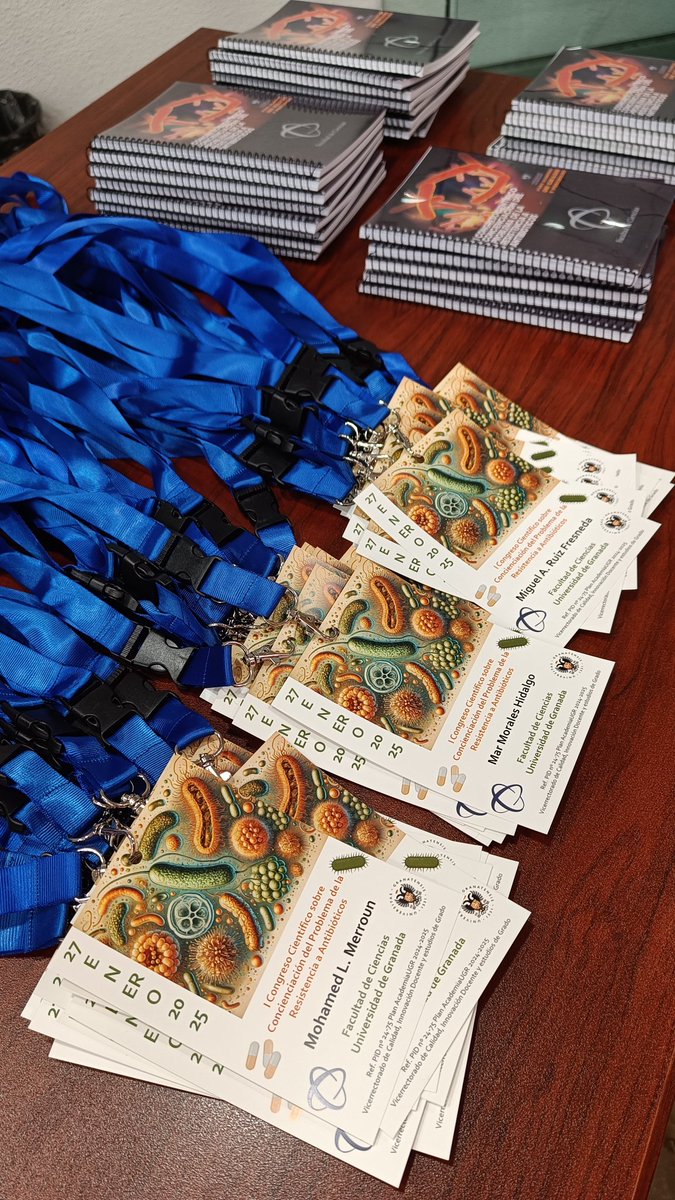
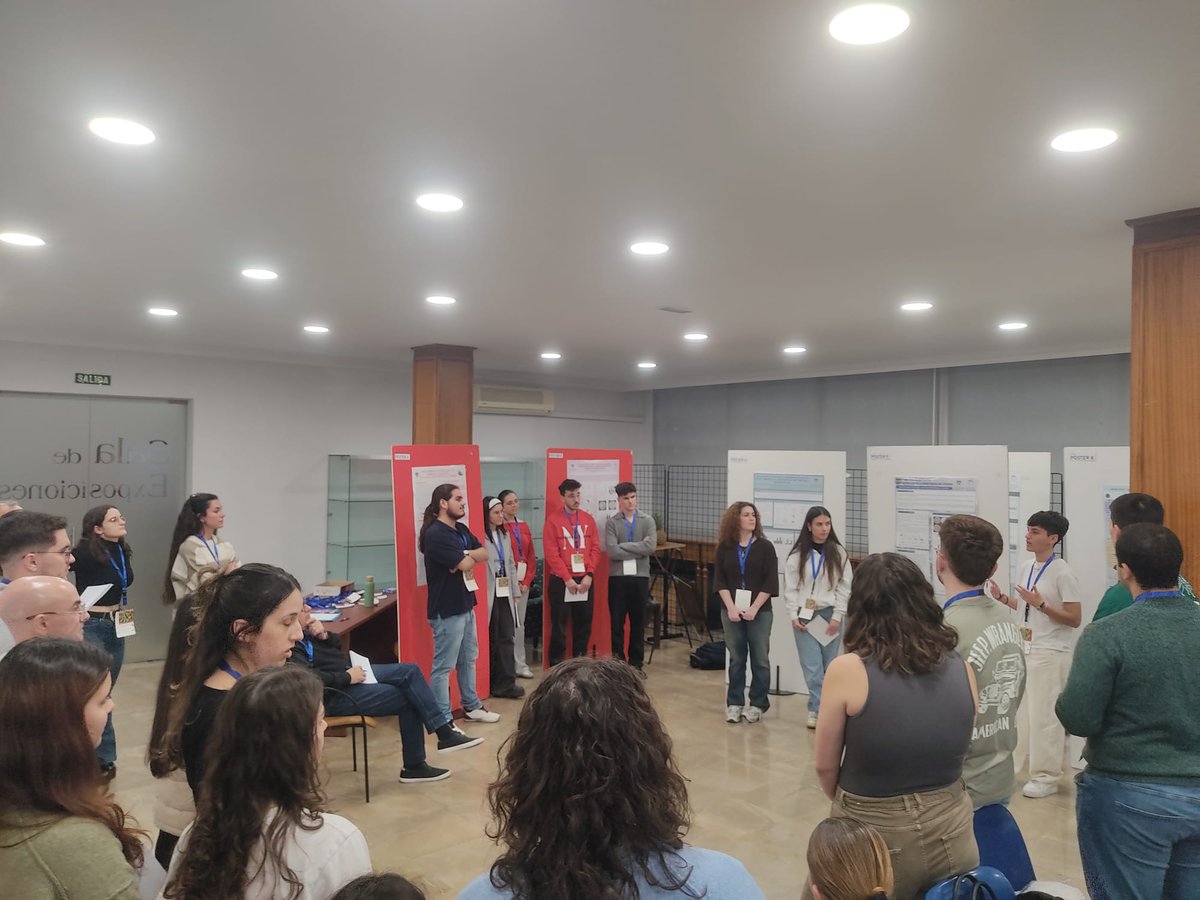
This enjoyable initiative allowed 4th-year Biology students and Microbiology Master's students to present posters, discuss strategies, and debate antibiotic resistance in a relaxed yet scientific setting, offering them a valuable first experience in a congress-like environment