An extraordinarily moving piece.
‘Now, I stood with Tomi at the grave. When he recited the names of his murdered relatives, I burst into tears. In that moment we established an extraordinary connection, sharing the burden of our profoundly different histories. Through dialogue and shared grief, we bridged an abyss created by the past.’
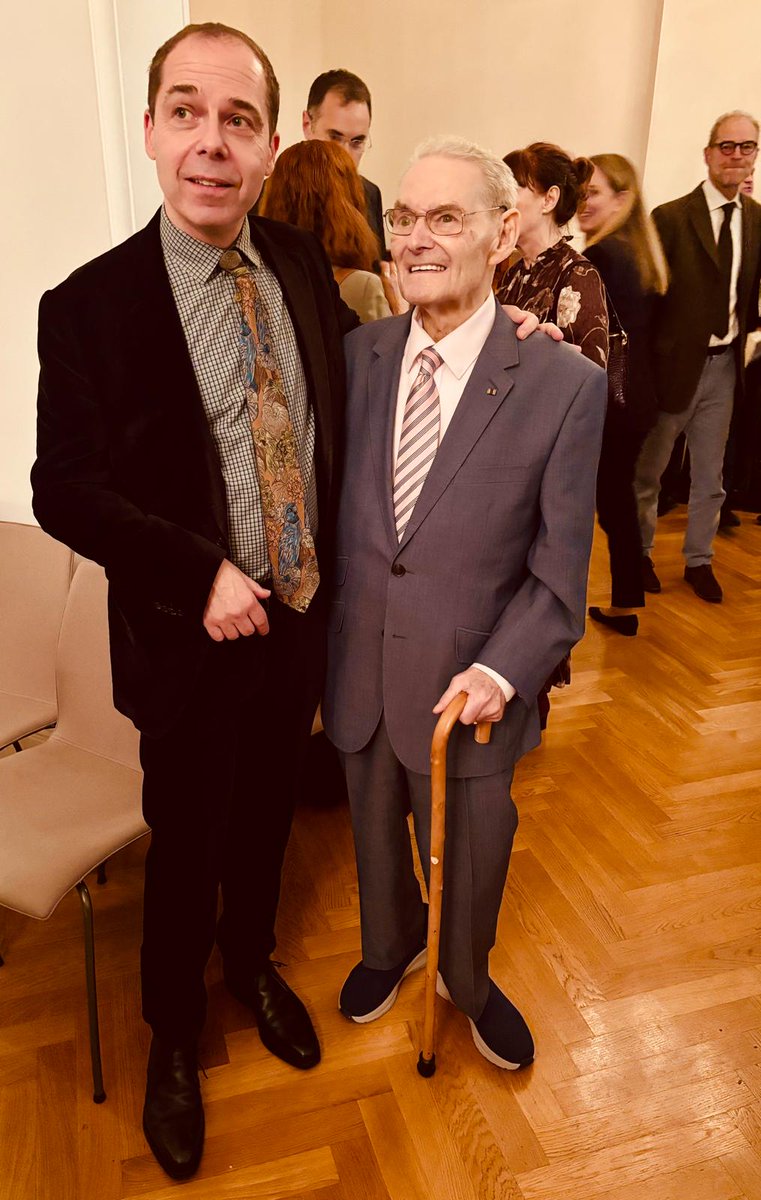
It’s hard to find the words to describe what an immeasurable loss it is that Tomi Reichental, a Holocaust survivor who spent decades educating Irish children about the Holocaust, has passed away.
As @Alan__Shatter states, he was ‘an inspiring man of courage, decency, insight and an unforgettable kindness. A Holocaust survivor, teacher and truth teller.’
Maurice Cohen, Chair of the Jewish Representative Council of Ireland, writes: ‘Tomi was not only a survivor; he was a teacher, a witness, and a cherished member of Irish society. His contribution to Holocaust education and to the fight against antisemitism and racism leaves a lasting legacy.’
My condolences are with Tomi’s family, who carry on this profound legacy. His son gave a most poignant speech at Ireland’s Yom HaShoah commemoration this year.
Tomi’s memory will forever be a blessing.
https://t.co/en6AFhCGuD
We are deeply saddened by the death today of Tomi Reichental.
Tomi’s family story is well known in Ireland and beyond. At the age of nine, he was deported from his home in Slovakia to Bergen-Belsen concentration camp in Germany, where he survived unimaginable hardship until liberation in 1945. Thirty-five members of his family were murdered in the Holocaust.
It was only at the age of 60 that Tomi broke his silence about his childhood experiences. As he often said, “It was not that I didn’t want to speak; I just couldn’t.”
From that moment on, he became a passionate educator on the Holocaust, visiting schools throughout the country and eventually speaking to more than 200,000 students. He also made three documentary films about his experiences and authored two books.
Everyone who met Tomi remarked on his ability to tell his story with honesty, dignity, and humanity. Through his testimony, he demonstrated how easily people can be othered and how entire communities can be demonised. His unwavering contribution to Holocaust education and interfaith relations will never be forgotten.
The Jewish community has lost a beloved son. Ireland has lost a cherished citizen.
On a personal note, Tomi’s friendship, support, and endorsement of the work of HAI, on whose advisory he sat, gave me the confidence and determination to pursue my mission of raising awareness of the Holocaust in Irish society. I will never forget his encouragement, generosity, and kindness. I am honoured to have known him and privileged to continue carrying forward his invaluable legacy.
We offer our heartfelt condolences to Tomi’s family at this difficult time and wish them long life.
May Tomi’s memory be a blessing.
Oliver Sears
Holocaust Awareness Ireland
He died with 200 children in a gas chamber, holding their hands until the end.
He was a father to 200 souls who had no one else in the world. As the soldiers shouted and the world collapsed into madness, he looked at his children and smiled, telling them not to be afraid because they were going on a trip together.
Janusz Korczak was a famous doctor and a brave Polish military officer who spent his entire life proving that children are the most important people on Earth. This wasn’t just a job for him—it was his life’s mission.
In 1912, he founded a very special place called the Orphans’ Home in Warsaw, designed specifically for children who had lost their parents and had nobody else to protect them. He didn’t just look after their health; he respected them as complete human beings with deep feelings and big dreams.
He even created a “Children’s Republic” inside the home, where the orphans had their own small government and even their own court to settle arguments fairly. To him, every child was a “precious gift” and a “creative flame” that adults were lucky enough to protect.
He lived by one simple, powerful rule: you haven’t done enough for a child until you have done everything you possibly can.
Because he lived by that rule, his responsibility grew even heavier when World War II began. When the Nazi occupation forced the Jewish population into the walled-off Warsaw Ghetto, Korczak moved all 200 of his children there to keep them together.
In a place filled with hunger and disease, he became their father figure, their doctor, and their only shield. He spent every day begging for food and medicine just to keep them alive.
Because Korczak was so famous and respected, he was offered several chances to escape to the “safe” side of the city and hide. He refused every single time.
He knew that if he abandoned those 200 children to save his own life, everything he had ever taught about loyalty and love would be a lie. He stayed because a father does not leave his children when the storm arrives.
The day they were taken away to the death camps, the streets witnessed something that looked more like a happy school parade than a march to a tragedy.
Korczak wanted to protect the children’s hearts from the terrifying truth, so he told them they were finally going on a trip to the countryside. He had them wash their faces and dress in their very best clothes. They marched through the ghetto singing songs and carrying a bright green flag.
Korczak walked at the very front of the line, standing tall in his military doctor’s uniform, carrying the two smallest children in his arms while the others clung to his pockets to stay close.
Even the enemy soldiers watching them at the train station were moved to silence by the sight of such incredible dignity. When a soldier recognized him and offered him one last chance to walk away, Korczak didn’t even hesitate.
“You do not understand,” he told the officer. “The children are not just my work. They are my life. I will not leave them now.”
In the end, he followed his children all the way into the dark gas chambers of Treblinka. He stayed true to his word until his very last breath, holding their hands so they wouldn’t be afraid of the dark.
When the chambers were opened later, they found him still leaning forward, surrounded by the sea of children who had huddled close to him for safety in their final moments.
Janusz Korczak was a man who had every excuse to run, every reason to save himself, and every opportunity to look away, yet he chose to stand in the fire so his children wouldn’t have to stand there alone.
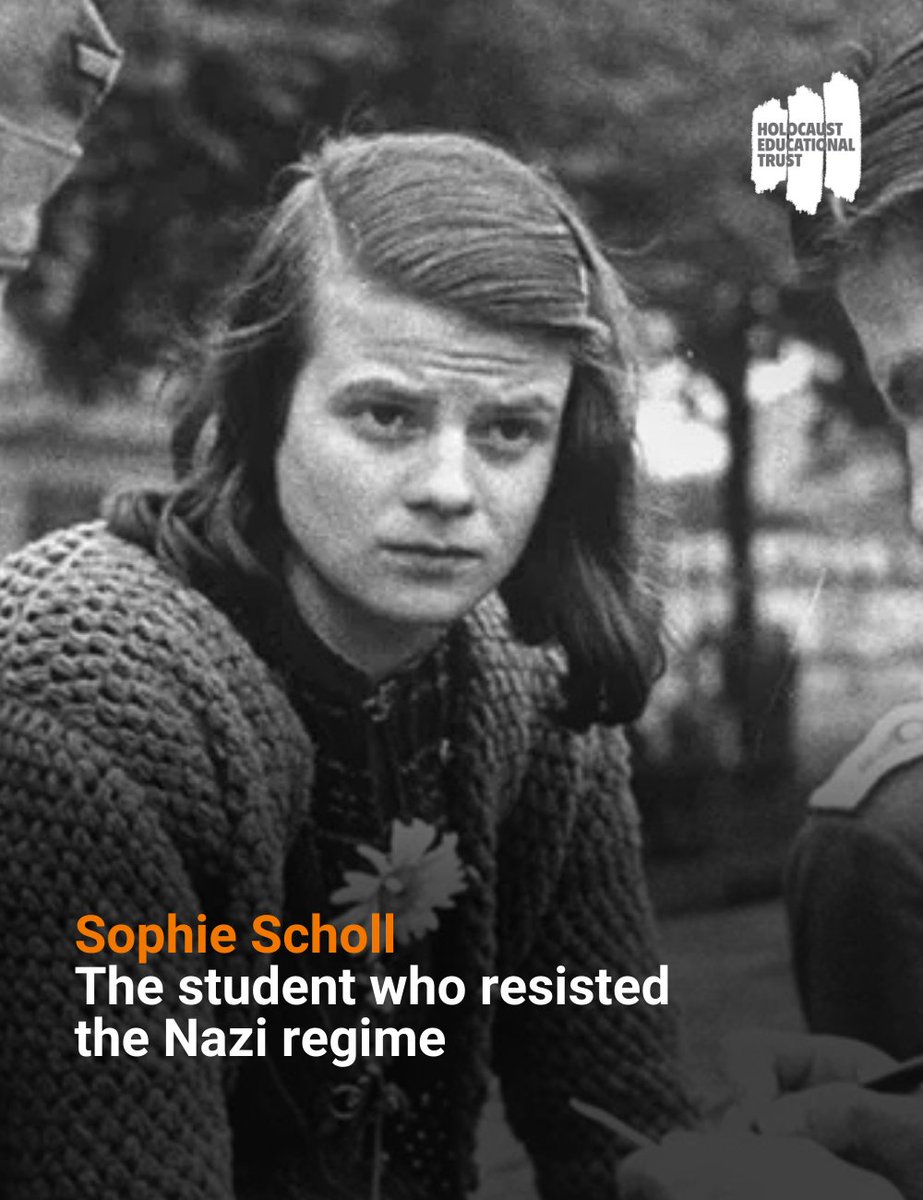
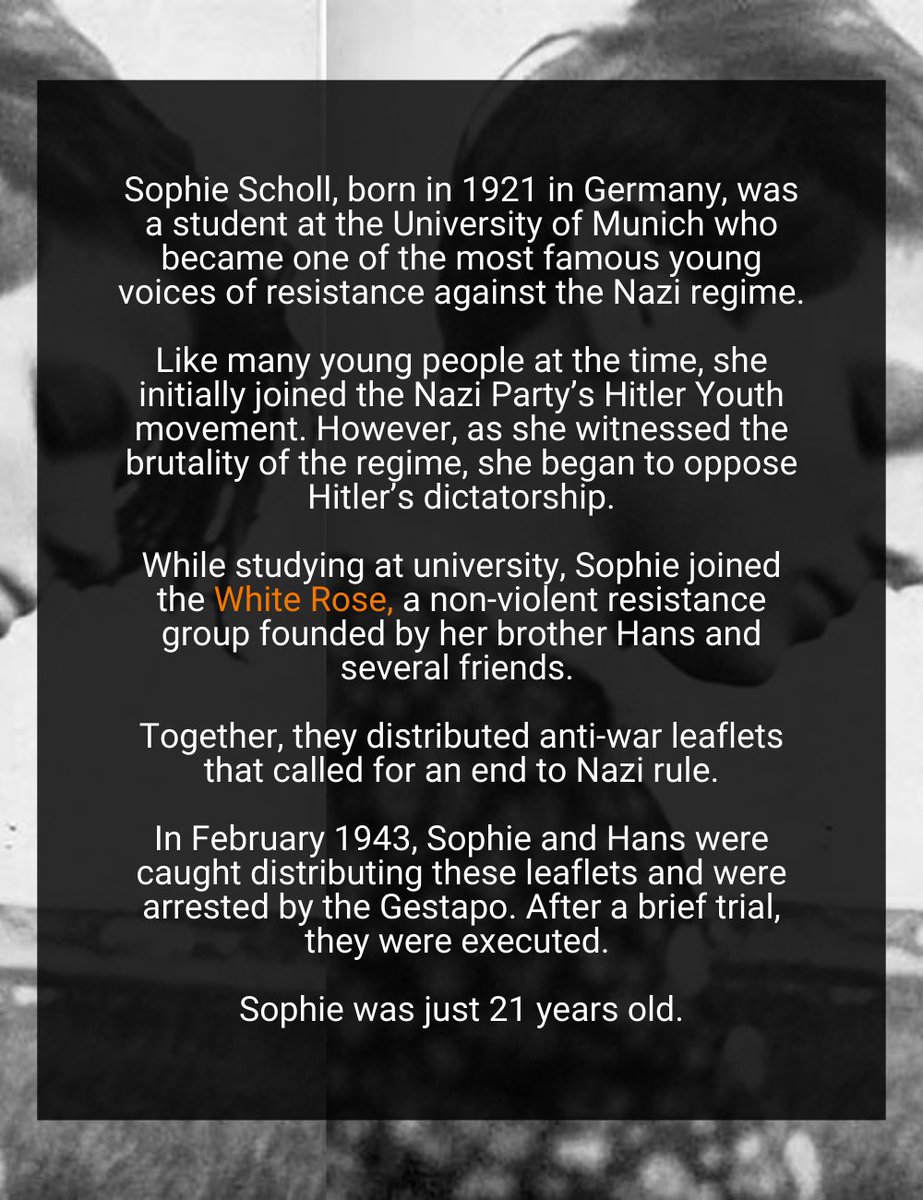
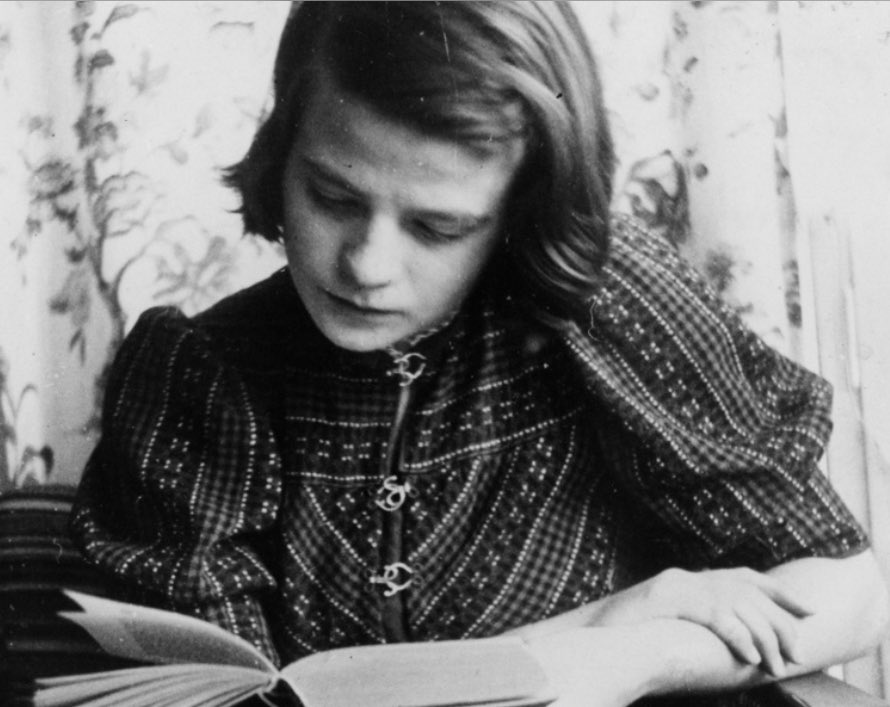
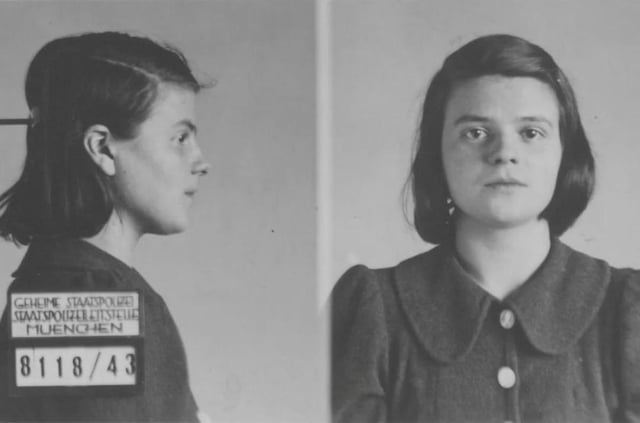
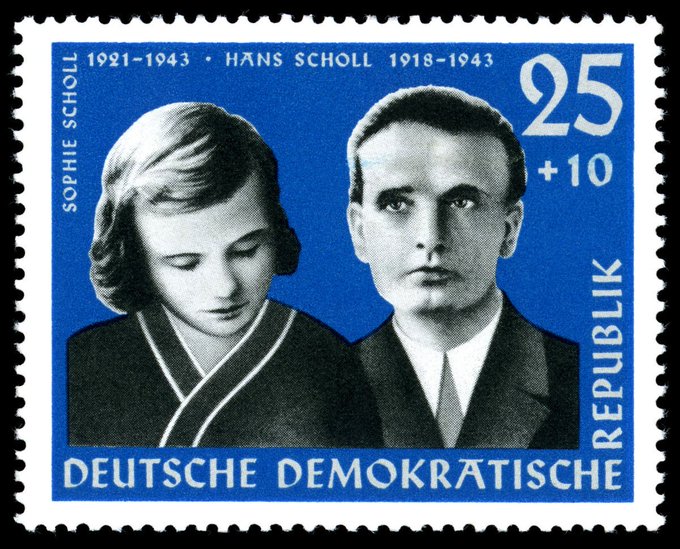
9 May 1921: German anti-Nazi activist Sophie #Scholl is born in Forchtenberg, Germany. She was a leader of the White Rose, a non-violent #resistance group. She was caught distributing anti-Nazi pamphlets and was #executed on February 22, 1943. #History#OTD#WWII#ad https://t.co/WdI05SMcoW
Sophie Scholl, a young German student, became one of the bravest heroines of WW2.
She risked everything to distribute anti-Nazi leaflets calling for freedom and an end to tyranny.
Arrested by the Gestapo, she was tried and executed by guillotine on 22 February 1943, just 21 years old.
19 April 1943. Warsaw Ghetto Uprising against Nazi rule began when residents of the Jewish ghetto in German Nazi-occupied Warsaw staged an armed revolt to prevent deportations to German-run extermination camps. The Jewish defenders held out until 16 May 1943.
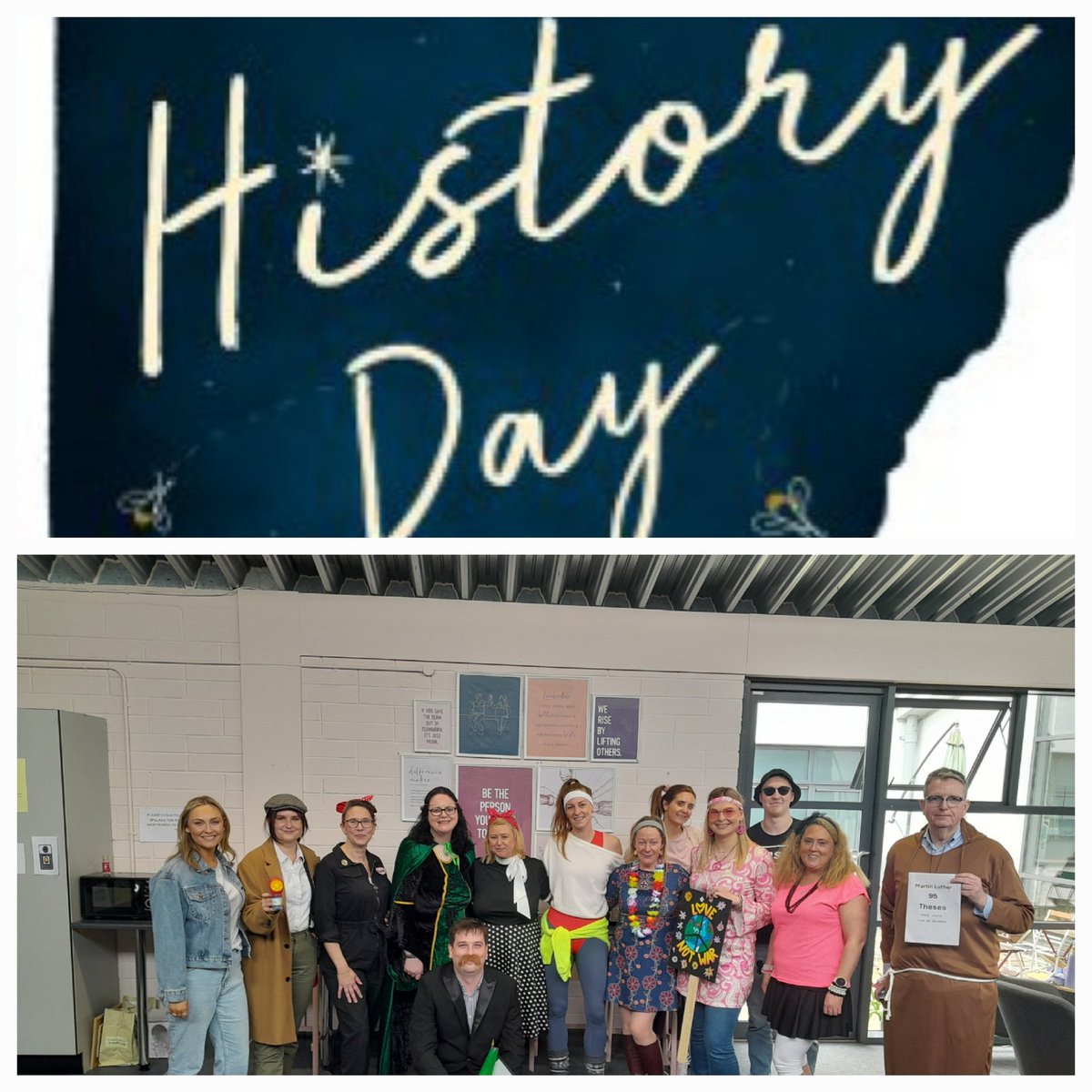
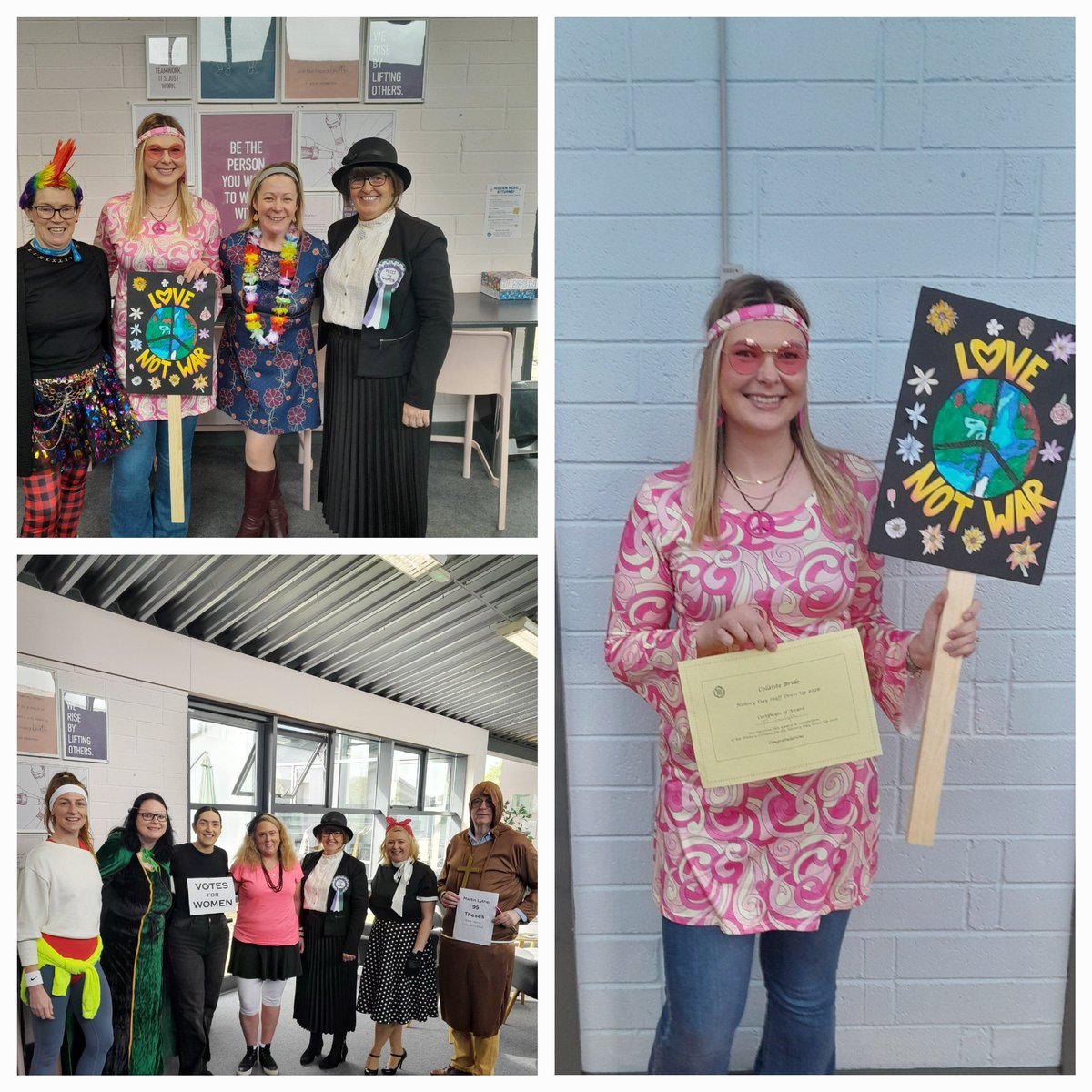
It was #History Day @Colaistebride today and with staff dress up, many students were intrigued by the costumes. Well done to everyone who dressed up👏 and in particular to Ms. Gontyte who won the prize✨️ for best historical dress👏as judged by our History Prefects. @ggontyte
PHOTO OF THE DAY. Last known photo of RMS Titanic while it was afloat. It was taken shortly after the ship departed Queenstown (now Cobh), Ireland (1912). 📷 Francis Browne
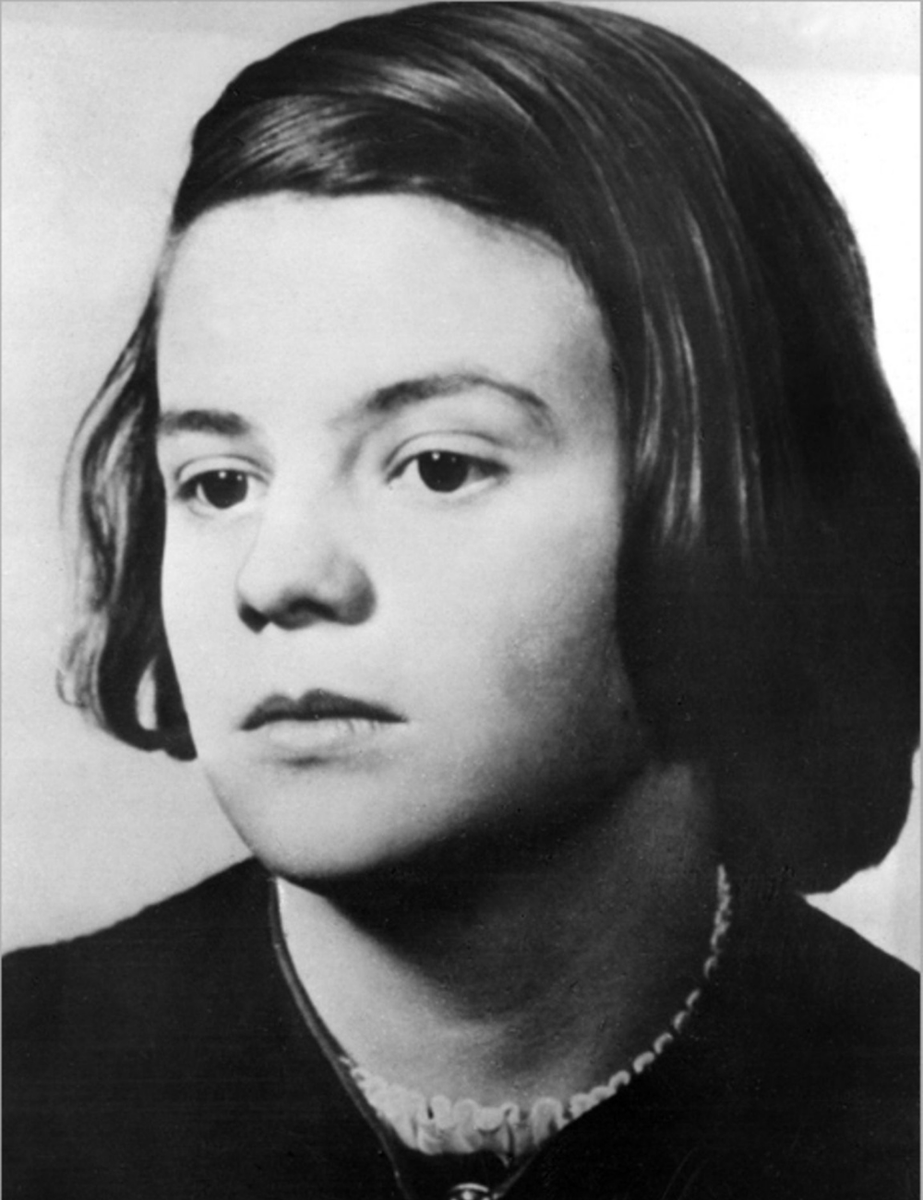
On February 22, 1943, Munich - a university student stands before a guillotine, moments from death.
She's 21 years old. Her crime? Throwing pamphlets from a balcony.
Her name is Sophie Scholl, and she's about to speak words that will haunt Nazi Germany and inspire generations.
But six years earlier, Sophie believed every word Hitler told her.
At twelve, she eagerly joined the League of German Girls, the female wing of Hitler Youth. Her brother Hans joined too. They marched. They sang. They trusted.
Their father, an anti-Nazi politician, begged them to see the truth. They argued back, convinced he was wrong.
Then in 1937, Gestapo arrested Hans for joining an unauthorized camping group. Sophie watched stormtroopers drag away her brother for something as innocent as a scouting trip.
Everything she believed began to crumble.
By 1942, Sophie enrolled at Munich University to study biology and philosophy. Hans was there studying medicine, quietly gathering friends who whispered about resistance.
Then their friend Fritz came back from the Eastern Front and told them what he'd witnessed. Mass shootings. Jewish families executed. The machinery of genocide.
They formed the White Rose. They wrote pamphlets calling Germans to wake up, to resist, to remember their humanity.
"We will not be silent," their writings declared. "We are your bad conscience."
Sophie bought an illegal typewriter. She helped write their message. And because Gestapo agents rarely suspected young women, she distributed the pamphlets across Munich.
Five successful operations. Then the sixth.
February 18, 1943. Sophie and Hans placed pamphlets throughout the university. Nearly done, Sophie saw leftover leaflets in her suitcase. A split-second choice.
She climbed to the top floor and threw them over the railing. They cascaded down like falling snow.
A janitor spotted her. Minutes later, the Gestapo arrived.
Four days later, after a trial that was pure theater, Sophie received her death sentence. Hours until execution.
Prison guards later reported her strange calmness. No tears. No pleading. Just quiet conviction.
Her final words, spoken on that sunny February afternoon: "Such a fine day, and I have to go. But what does my death matter if through us thousands are awakened and stirred to action?"
The Nazis killed her at 5 PM. They thought they'd silenced her voice.
Instead, the Allies found her pamphlet, renamed it "The Manifesto of the Students of Munich," and dropped millions across Germany. Her words, which they tried to bury, rained down on every German city.
In 2003, Germans under forty voted Sophie Scholl the greatest German who ever lived. Above Einstein. Above Beethoven.
A 21-year-old with a typewriter and an unbreakable conscience became the symbol of moral courage for an entire nation.
What the Nazis never anticipated was how completely their plan would backfire. That sixth pamphlet Sophie threw over the university railing was smuggled out of Germany and reached Allied intelligence. They reproduced it by the millions and air-dropped it across German cities. The voice they tried to silence with a guillotine blade became amplified beyond anything the White Rose could have achieved on their own.
After the war, University of Munich placed a memorial at the exact spot where Sophie threw those pamphlets. Students still leave white roses there today. The square in front of university was renamed Geschwister-Scholl-Platz (Scholl Siblings Square) in honor of Sophie and Hans. In 2005, a German film about Sophie's final days, "Sophie Scholl: The Final Days," was nominated for an Academy Award and introduced her story to millions worldwide.
#archaeohistories
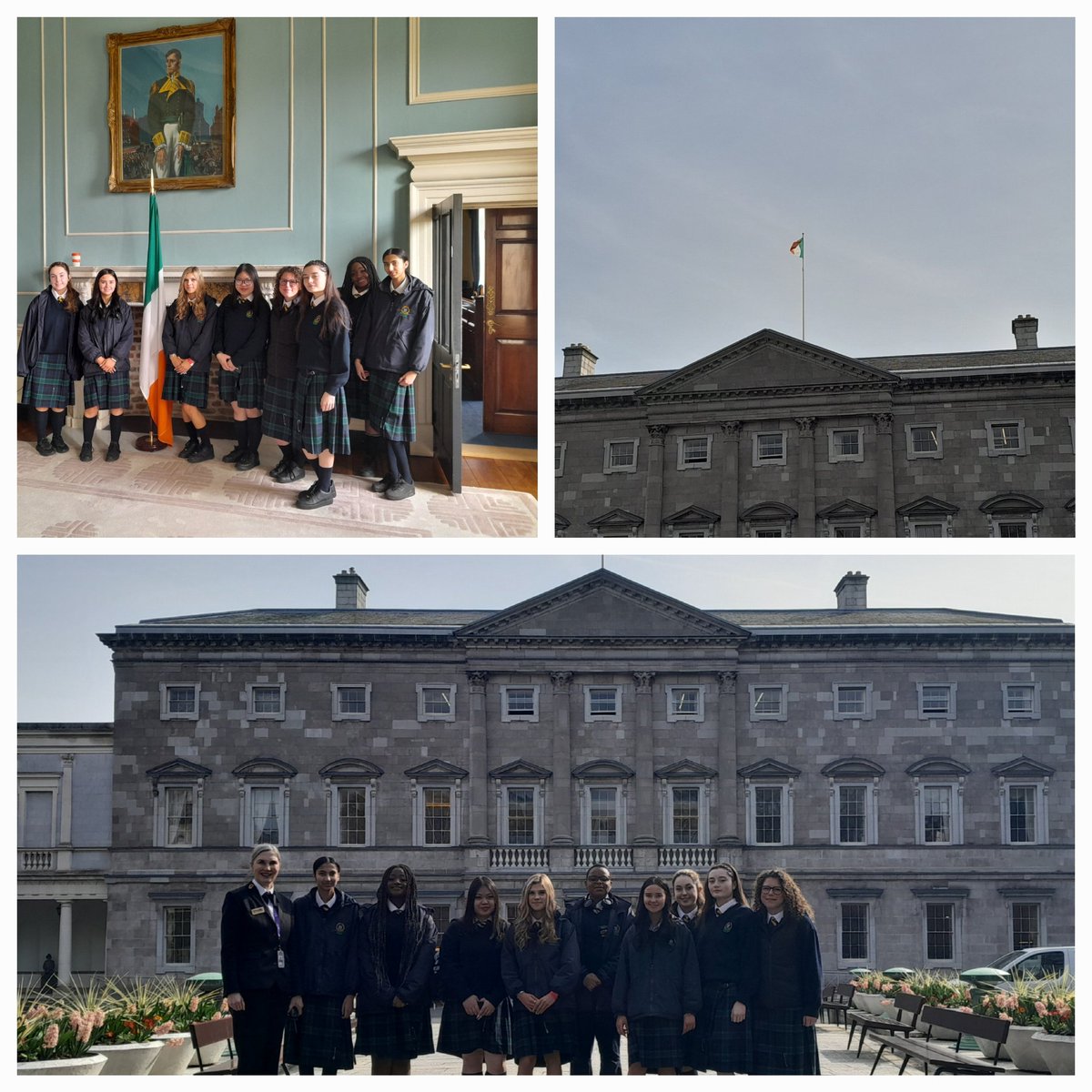
Today students from TY Politics & Society @Colaistebride had the opportunity to visit Dail Éireann and received an informative guided tour from our guide, Gemma. An educational morning enjoyed by all. @TYColaisteBride
An engaging ceremony this morning @Colaistebride for the raising of our national flag as part of the annual Thomas F Meagher #FlagDay2026 Well done to the History Prefects and to Mr. Conlon for organising event and also to the other teachers students who participated @tfmf1848
On International Women's Day we also remember Sophie Scoll, a German student who joined the White Rose non-violent resistance group, which would regularly distribute anti-war leaflets and called for the toppling of the Nazi regime.
On this day in 1943, Munich university students Sophie and Hans Scholl are executed for non-violent resistance to the Nazis. "What does my death matter, if through us, thousands of people are awakened and stirred to action?" Sophie reportedly tells her killers