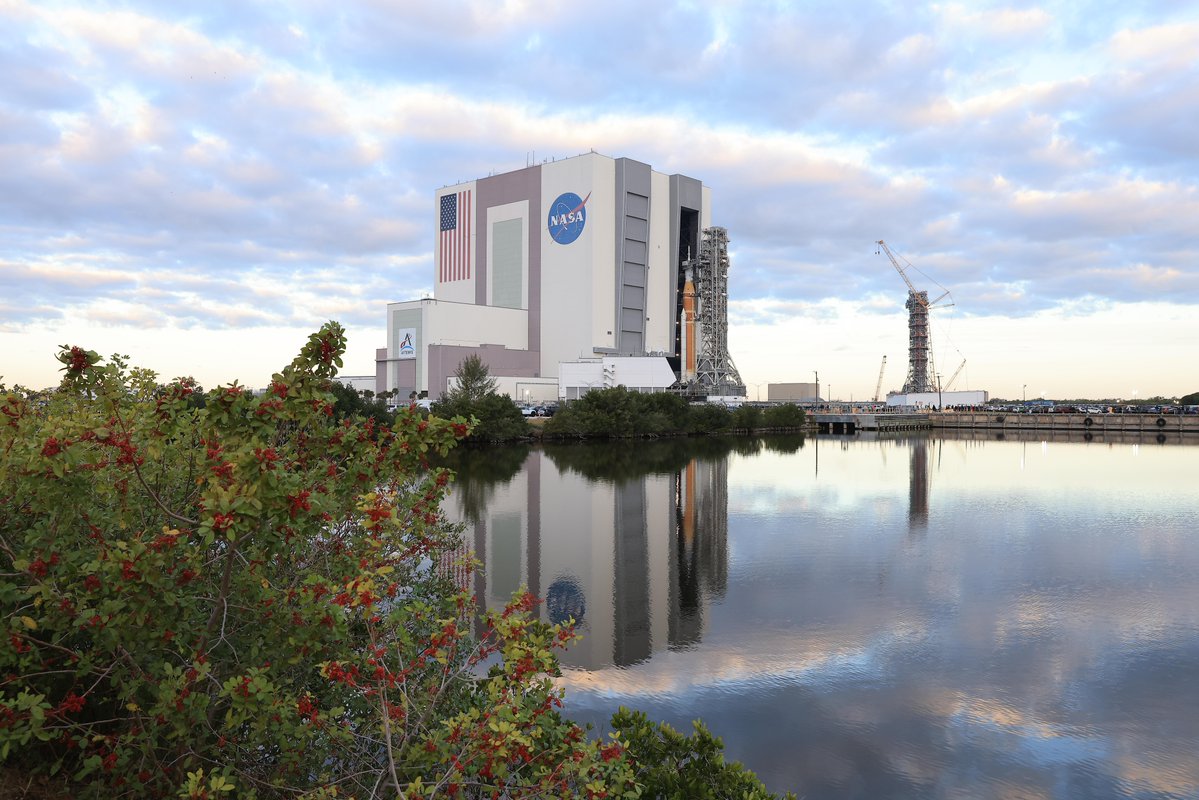
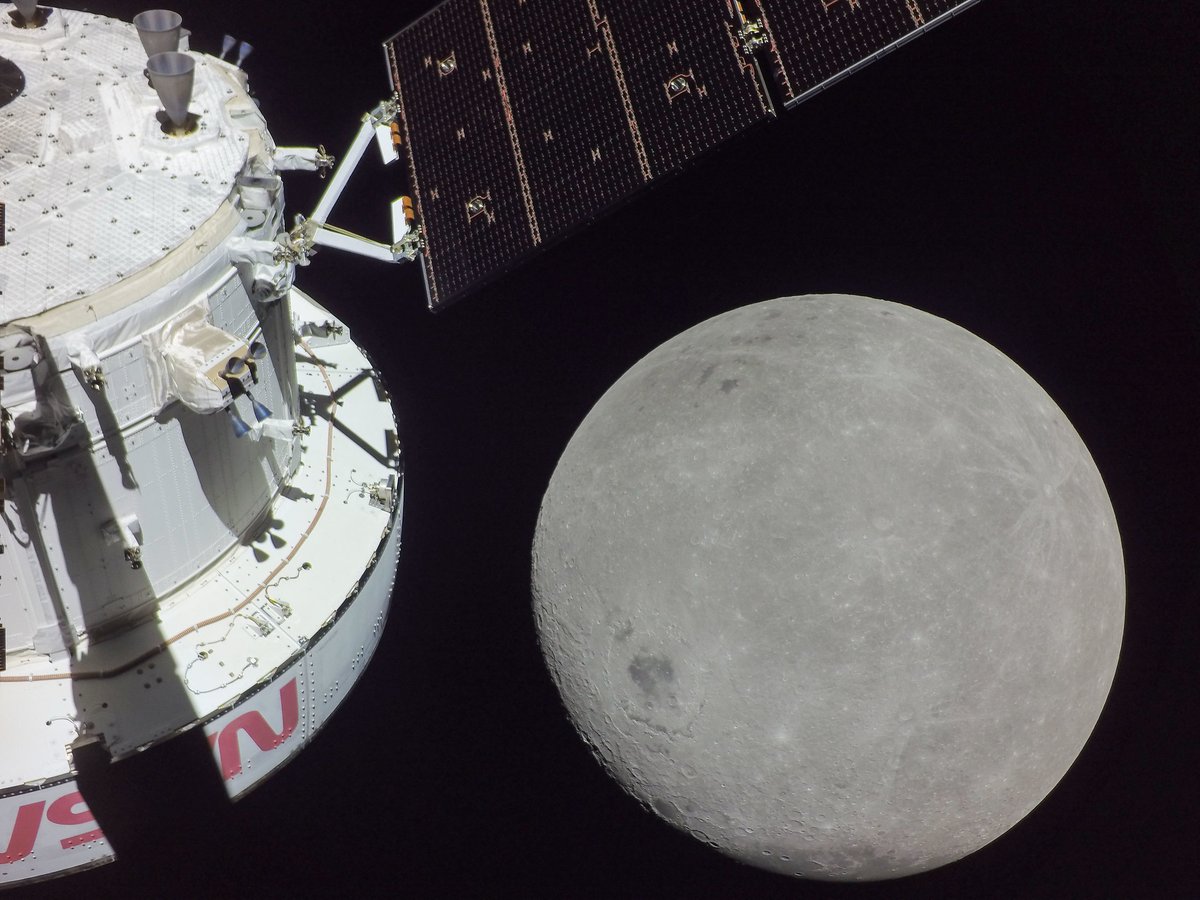
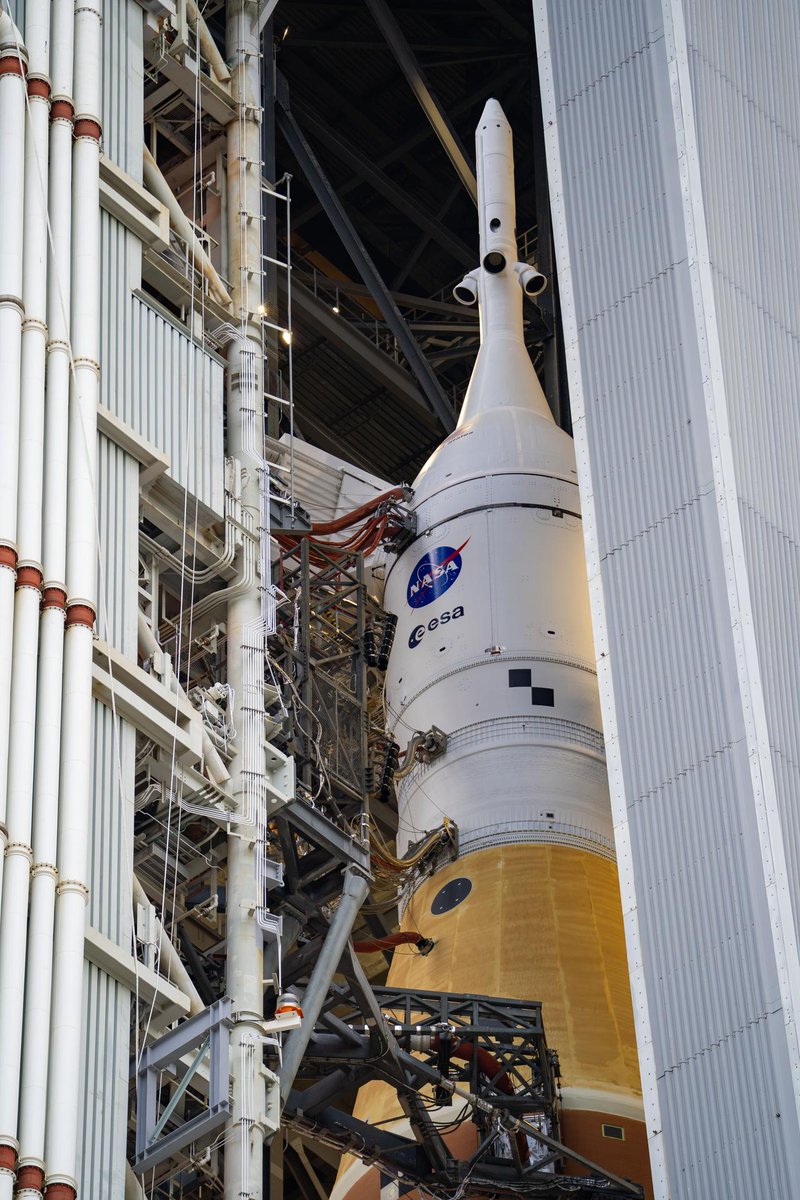
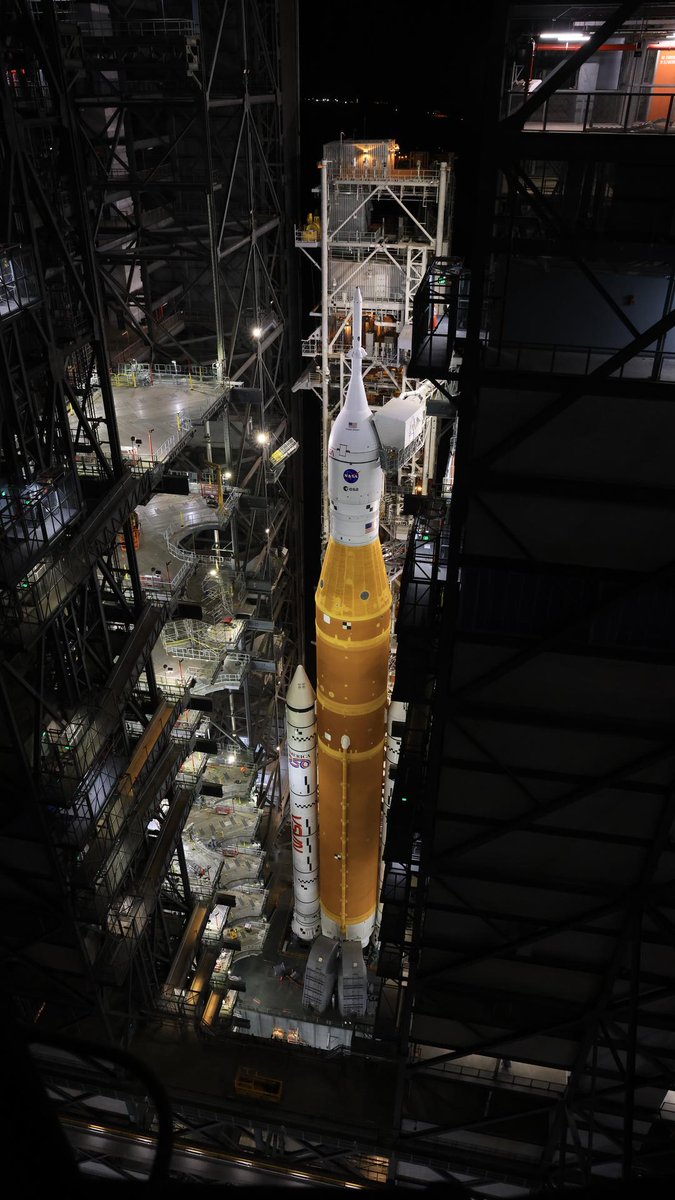
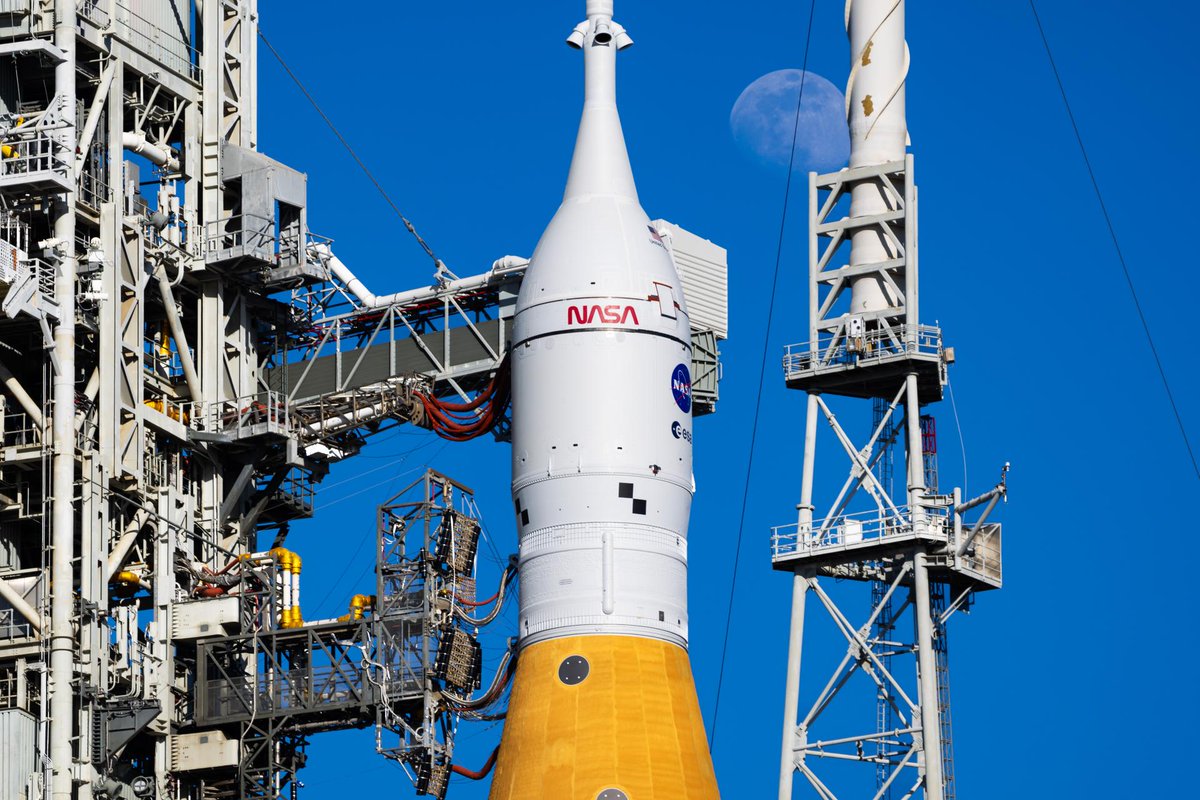
Teams are now targeting no earlier than Friday, March 20, to roll Artemis II to the launchpad, maintaining the opportunity for an April 1 launch attempt. More info: https://t.co/JcznDQoyVh
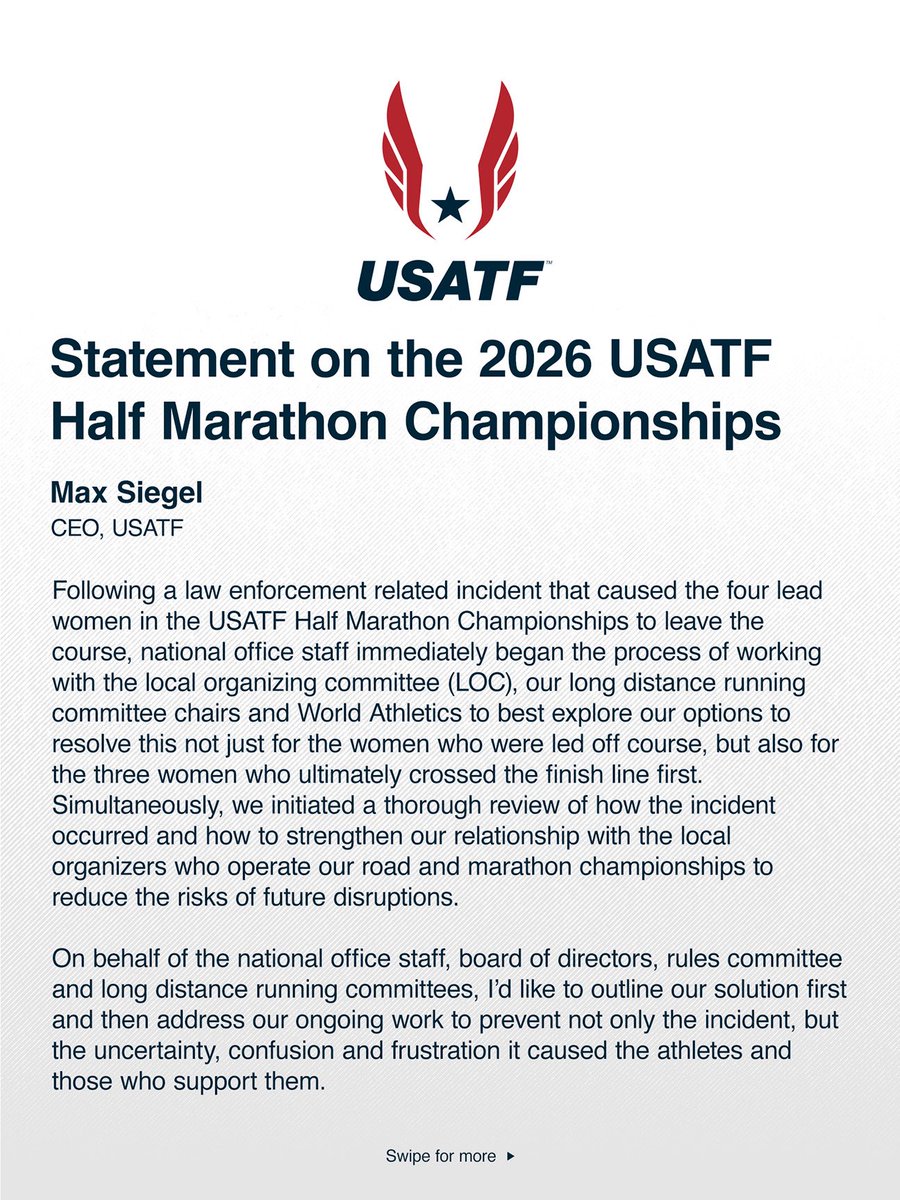
CEO Max Siegel and USA Track & Field are providing the following update regarding the Half Marathon Championships.
Please review the full statement for details: https://t.co/l6SZ4b6DbO
🗽 NYRR has announced that they received 240,000+ applications from 160+ countries for the 2026 TCS New York City Marathon, which was a near-20% jump from 2025 and the second consecutive record-breaking year.
Only ~1% of applicants will be accepted‼️
⏱️ Non-NYRR Time Qualifiers needed to run 22 min and 52 sec. faster than their qualifying standard for their gender and age group. Only the top 10% were accepted.
The 2025 race set a world record as the largest marathon ever with 59,226 finishers.
The 2026 race, set for Nov. 1, marks the 50th anniversary of the iconic five-borough course.
We have increased the cadence of Artemis missions.
In 2027, the Artemis III mission will test one or both commercial landers from SpaceX and Blue Origin in low Earth orbit. In 2028, Artemis IV will become the first Artemis lunar landing.
Following the discovery of a helium flow issue with the Artemis II rocket, engineers have determined the issue and made repairs.
NASA is preparing to roll the vehicle out to the launch pad in the coming weeks ahead of a potential launch in April. https://t.co/BsRijNEucJ
Our @NASAArtemis Moon rocket is in the Vehicle Assembly Building after a multi-hour trek from the launch pad. Next, technicians will troubleshoot the helium flow issue to the rocket’s upper stage and conduct other work. More: https://t.co/8q43oZRHBM
Due to weather, we're now targeting early Wednesday, Feb. 25, to roll our Moon rocket off the launch pad and back to the Vehicle Assembly Building at @NASAKennedy. Get more @NASAArtemis updates on our blog: https://t.co/N6HJLLhuRw
As soon as Tuesday, Feb. 24, we will roll our Moon rocket for our Artemis II mission off the launch pad, weather pending. Engineers are continuing to prepare for the move after encountering an issue with the flow of helium to the rocket’s upper stage. Details: https://t.co/WKoQkvGxS0
As an update to my earlier post.
- The ICPS helium bottles are used to purge the engines, as well as for LH2 and LOX tank pressurization. The systems did work correctly during WDR1 and WDR2.
- Last evening, the team was unable to get helium flow through the vehicle. This occurred during a routine operation to repressurize the system.
- We observed a similar failure signature on Artemis I.
- The Artemis II vehicle is in a safe configuration, using ground ECS purge for the engines versus the onboard helium supply.
- Potential faults could include the final filter between the ground and flight vehicle, located on the umbilical, though this seems least likely based on the failure signature. It could also be a failed QD umbilical interface, where similar issues have been observed. It could also be a failed check valve onboard the vehicle, which would be consistent with Artemis I, though corrective actions were taken to minimize reoccurrence on Artemis II.
Regardless of the potential fault, accessing and remediating any of these issues can only be performed in the VAB.
As mentioned previously, we will begin preparations for rollback, and this will take the March launch window out of consideration.
I understand people are disappointed by this development. That disappointment is felt most by the team at NASA, who have been working tirelessly to prepare for this great endeavor. During the 1960s, when NASA achieved what most thought was impossible, and what has never been repeated since, there were many setbacks. One historic example is that Neil Armstrong spent less than 11 hours in space on Gemini 8 before his mission ended prematurely due to a technical issue. A little over three years later, he became the first man to walk on the Moon.
There are many differences between the 1960s and today, and expectations should rightfully be high after the time and expense invested in this program. I will say again, the President created Artemis as a program that will far surpass what America achieved during Apollo. We will return in the years ahead, we will build a Moon base, and undertake what should be continuous missions to and from the lunar environment. Where we begin with this architecture and flight rate is not where it will end.
Please expect a more extensive briefing later this week as we outline the path forward, not just for Artemis II, but for subsequent missions, to ensure NASA meets the President’s vision to return to the Moon and, this time, to stay.
The second wet dress rehearsal for the Artemis II mission continues as teams power up the rocket’s core stage — which contains propellant tanks — and charge the Orion spacecraft’s flight batteries.
Tomorrow, teams will practice fueling the rocket. https://t.co/R6CRW9PcdO
The University of North Texas announced Wednesday that it will cover full tuition and mandatory fees for incoming freshmen from Texas families earning $100,000 or less starting in fall 2026. https://t.co/kEcYOD9wjB
Our game against USF is officially SOLD OUT‼️
Third party tickets are still available via the official fan-to-fan ticket marketplace on @SeatGeek 🎟️
#GMG🦅
MEAN GREEN WIN!
MEAN GREEN WIN!!
MEAN GREEN WIN!!!
MEAN GREEN WIN!!!!
MEAN GREEN WIN!!!!!
MEAN GREEN WIN!!!!!!
MEAN GREEN WIN!!!!!!!
MEAN GREEN WIN!!!!!!!!
MEAN GREEN WIN!!!!!!!!!
MEAN GREEN WIN!!!!!!!!!!
MEAN GREEN WIN!!!!!!!!!!!
#GMG