For patients with #FirstEpisodePsychosis unresponsive to initial antipsychotic therapy, clozapine improved symptom response rates and reduced discontinuation due to insufficient efficacy vs olanzapine or amisulpride. https://t.co/DuaJQjHUTV
Performance of the FDA-cleared Lumipulse plasma #biomarker for amyloid pathology detection in #AlzheimerDisease varied by site and reagent lots, highlighting need for local assay verification and ongoing quality control.
https://t.co/PnmSgOIgYg
This study helps identify stroke and heart attack risk in patients.
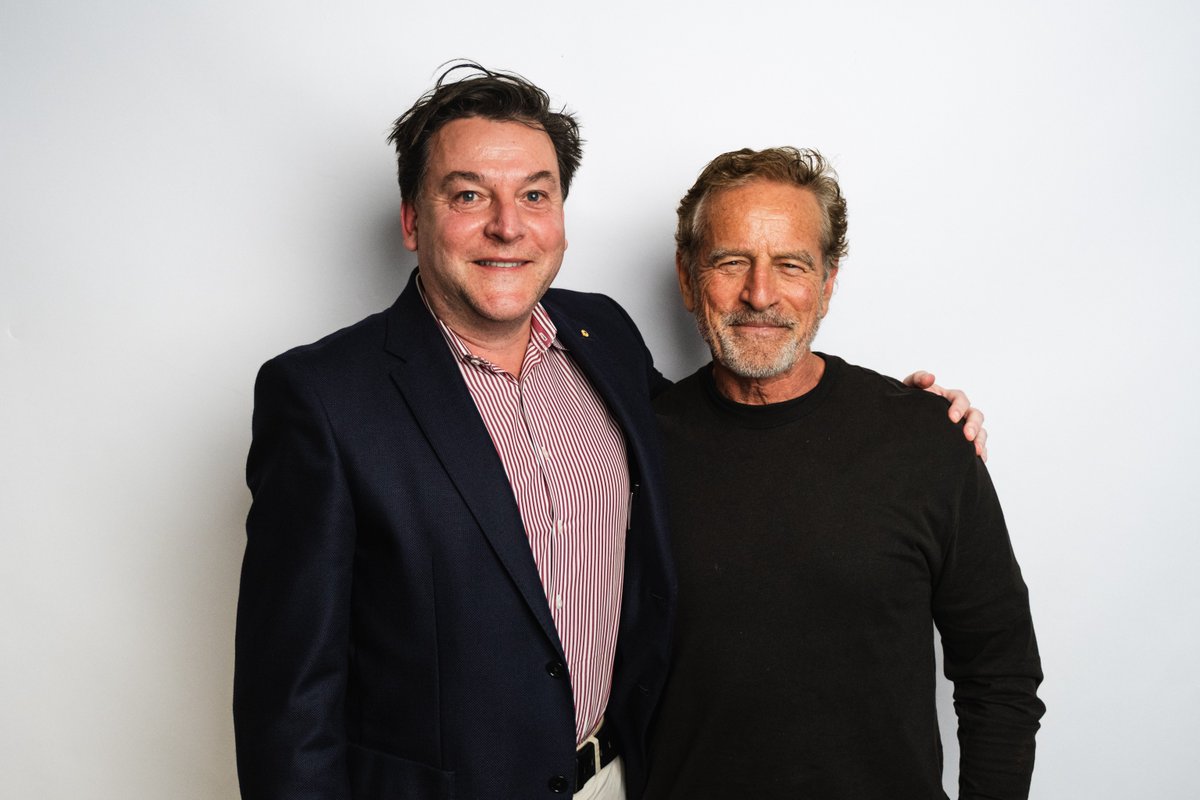
My second conversation on Project 100 with one of Australia’s best neurologists and neuroscientists is out now!
Matthew Kiernan AM is CEO of NeuRA (Neuroscience Research Australia) and one of the nation’s leading neurologists tackling the growing dementia crisis.
Search Project 100 wherever you get your podcasts, plus this ep is on our Straight Talk channels too.
@nervecentrals
Peripheral neuropathy involves nerve damage that can cause numbness, tingling, pain, and mild muscle weakness in the legs and, sometimes, the arms.
📄 Learn more in this JAMA Patient Page.
https://t.co/0muI37vkwo
Wang et al. review how GABA-B receptors in glial cells regulate key CNS processes – including excitatory-inhibitory balance, synaptic pruning, and myelination – and discuss their roles in neurological disorders. https://t.co/mBEvi1iQth
[Highlight of the Month] Brinyark et al.: Optimization of cortico-cortical spectral response analysis parameters for seizure onset zone localization. Clin Neurophysiol 2026;186:2111855. https://t.co/tyfiM5PmmK
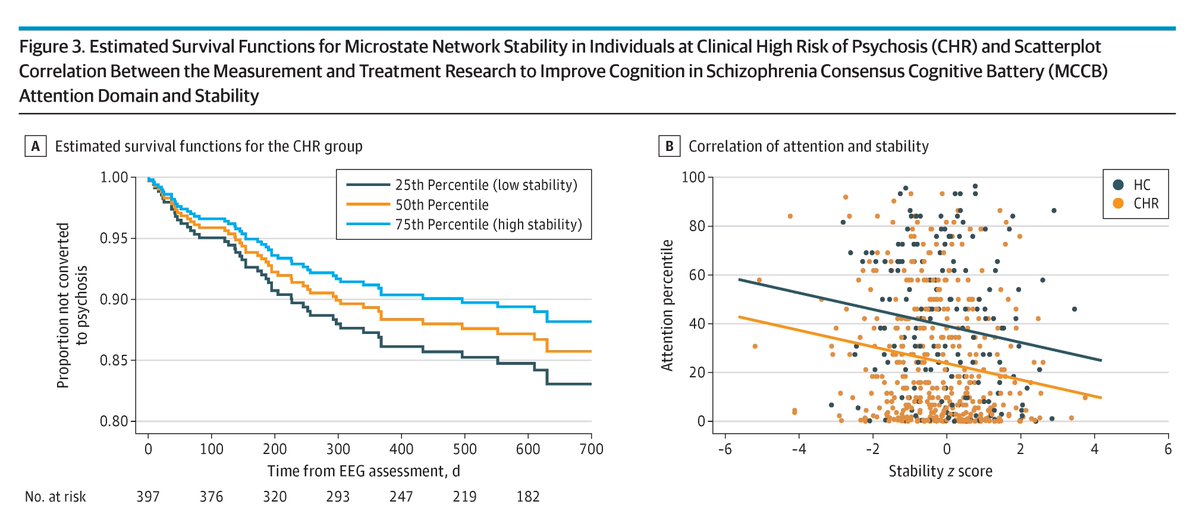
In individuals at clinical high risk for #psychosis, reduced temporal stability of EEG microstates was associated with earlier conversion and increased positive symptom severity. https://t.co/zFnnkHeCQT
Simulations of biological systems could transform biomedical research, but researchers are still learning how to reproduce life’s complexity without drowning in data.
https://t.co/7oA2twEtAk
“Immunotherapies are possible today only because thousands of scientists, for more than 40 years, followed their curiosity to probe the immune system’s deep processes.
Without basic scientific research, supported by the kind of farsighted public investment that allows large-scale, undirected, curiosity-driven inquiry, the scientific pipeline will run dry.” — MIT President Sally Kornbluth https://t.co/eO5X98XJNU
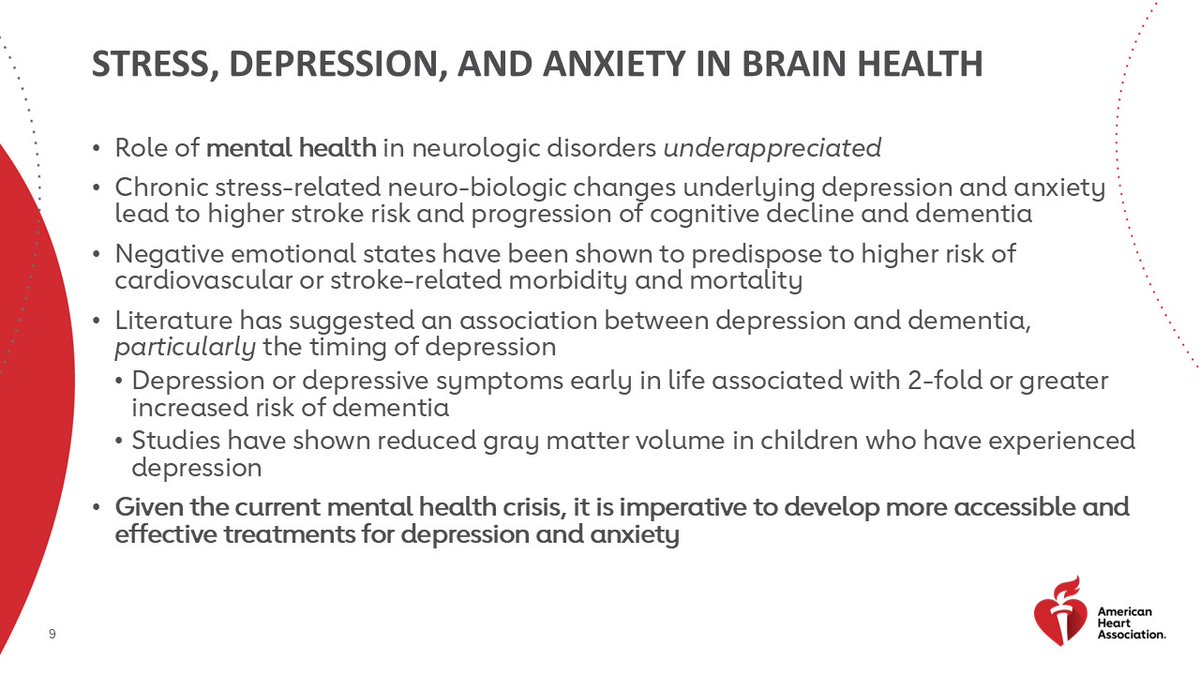
Depression and anxiety are not isolated conditions.
This paper examines how the timing of depression across the life course may influence dementia risk and brain structure, reinforcing the need for earlier intervention.
Patients with iatrogenic cerebral amyloid angiopathy (CAA) exhibit higher amyloid burden and a distinct biomarker profile compared with those with sporadic CAA, supporting a divergent—possibly exogenous—mechanism of amyloid propagation: https://t.co/1GyujQ1KW3
A plasma staging model using #eMTBRtau243 and %p-tau217 demonstrated strong concordance with PET-based staging and clinical severity, supporting scalable, minimally invasive #AlzheimerDisease stratification.
https://t.co/W8ghmTM7N2
How a lizard led to a new class of life-saving diabetes and weight-loss drugs.
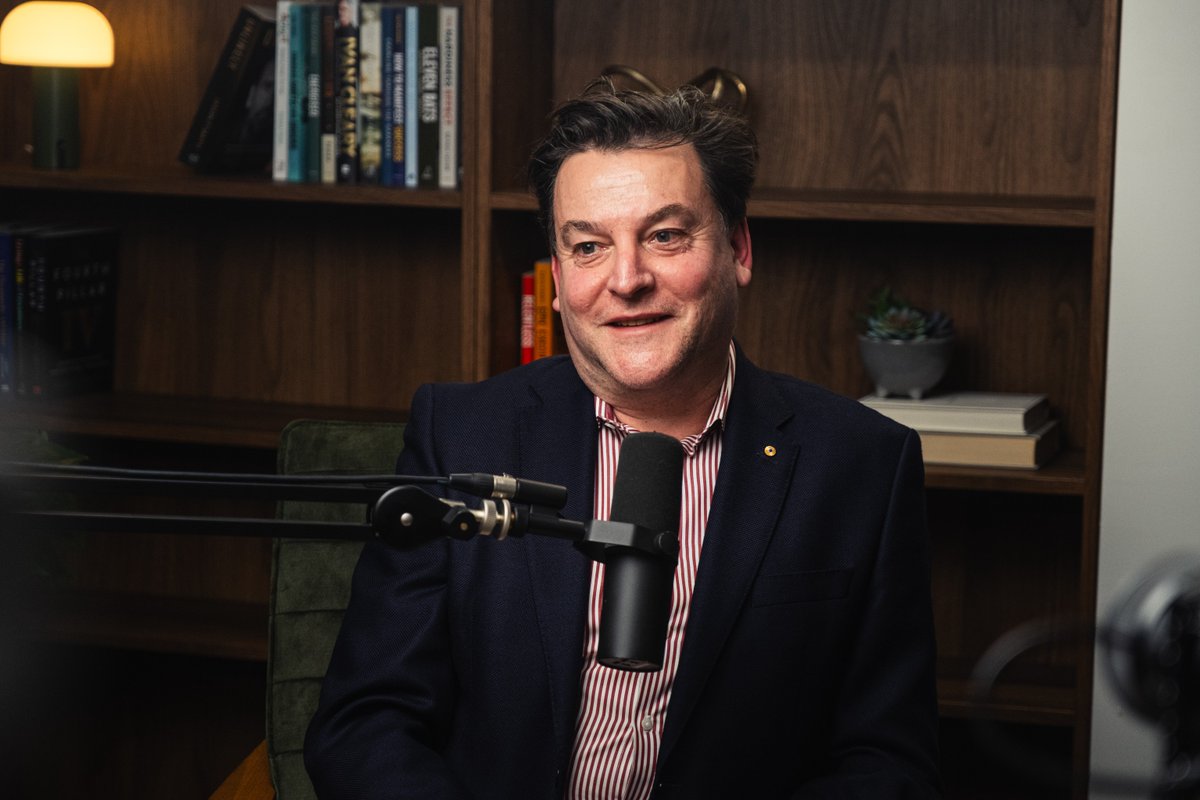
My second conversation on Project 100 with one of Australia’s best neurologists and neuroscientists is out now!
Matthew Kiernan AM is CEO of NeuRA (Neuroscience Research Australia) and one of the nation’s leading neurologists tackling the growing dementia crisis.
Search Project 100 wherever you get your podcasts, plus this ep is on our Straight Talk channels too.
@nervecentrals
In patients with #PostherpeticNeuralgia, 4 weeks of electroacupuncture led to a greater reduction in pain severity and higher responder rates compared with sham, with effects persisting at 1 month. https://t.co/bxyWqsGbeA
On the latest episode of Project 100, Investor, Author and Academic Mark Bouris AM, speaks with NeuRA CEO Matthew Kiernan AM.
Mark Bouris’s podcasts follow his quest to live to 100 years of age through advice from leading medical, fitness, and neuroscience experts.
In Professor's Kiernan second appearance on the podcast, he and Mark dive into the modifiable risk factors that can prevent up to 45% of dementia cases, groundbreaking Alzheimer’s treatments using monoclonal antibodies, as well as Australia's growing rates of dementia.
Watch the full discussion here: https://t.co/ADialhZVSP
@markbouris@nervecentrals
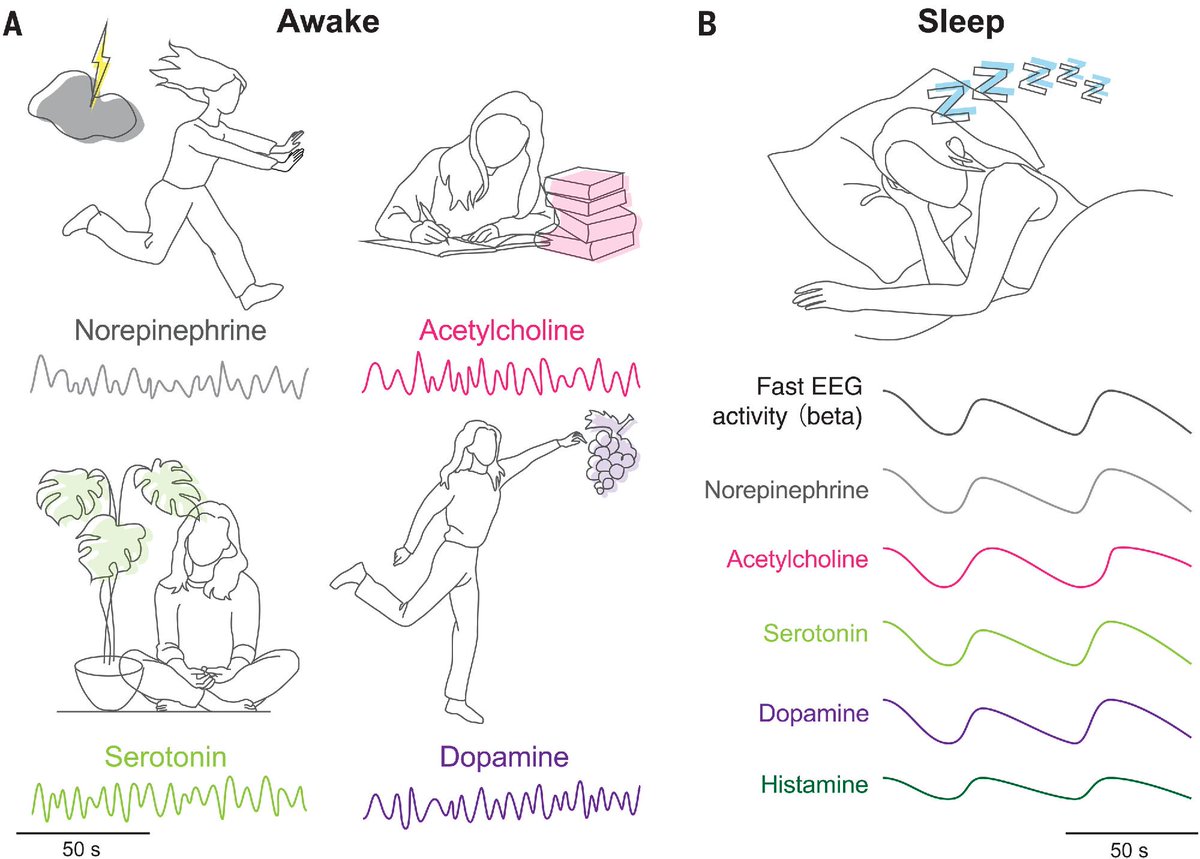
Recent studies have revealed the synchronization of neuromodulators including norepinephrine, serotonin, acetylcholine, dopamine, and histamine during sleep.
A new #ScienceReview explores what potential role the synchronization of these oscillations may play in health. https://t.co/fcDdHm1SDP


![ClinicalNeuroph's tweet photo. [Aging] Akbaş et al.: "The brain-heart interconnection may alter through aging and cognitive impairment." https://t.co/QAeHQsn6pq https://t.co/cHyUahQVRL](https://pbs.twimg.com/media/HJpZKpBW0AILhx9.jpg)
![ClinicalNeuroph's tweet photo. [Aging] Akbaş et al.: "The brain-heart interconnection may alter through aging and cognitive impairment." https://t.co/QAeHQsn6pq https://t.co/cHyUahQVRL](https://pbs.twimg.com/media/HJpZClqW4AAFMqH.jpg)









![ClinicalNeuroph's tweet photo. [Highlight of the Month] Brinyark et al.: Optimization of cortico-cortical spectral response analysis parameters for seizure onset zone localization. Clin Neurophysiol 2026;186:2111855. https://t.co/tyfiM5PmmK https://t.co/xzXIfWJKCj](https://pbs.twimg.com/media/HJ9_GjxXAAAOmjb.jpg)

![ClinicalNeuroph's tweet photo. [Aging] Akbaş et al.: "The brain-heart interconnection may alter through aging and cognitive impairment." https://t.co/QAeHQsn6pq https://t.co/cHyUahQVRL](https://pbs.twimg.com/media/HJpZNIlXMAQqEhW.jpg)