DNA mismatch repair (MMR) deficiency is an important driver of cancer genome instability. Yet it is usually treated as a binary label 0⃣/1⃣ MSI-high or not.
Our new preprint – fresh from the oven🔥 -- argues that this simple dichotomy obscures the underlying biology.
Trouble with different parts of the MMR machinery is "recorded" in the genome sequence as distinct mutational patterns🧬. We worked out which pattern means what.
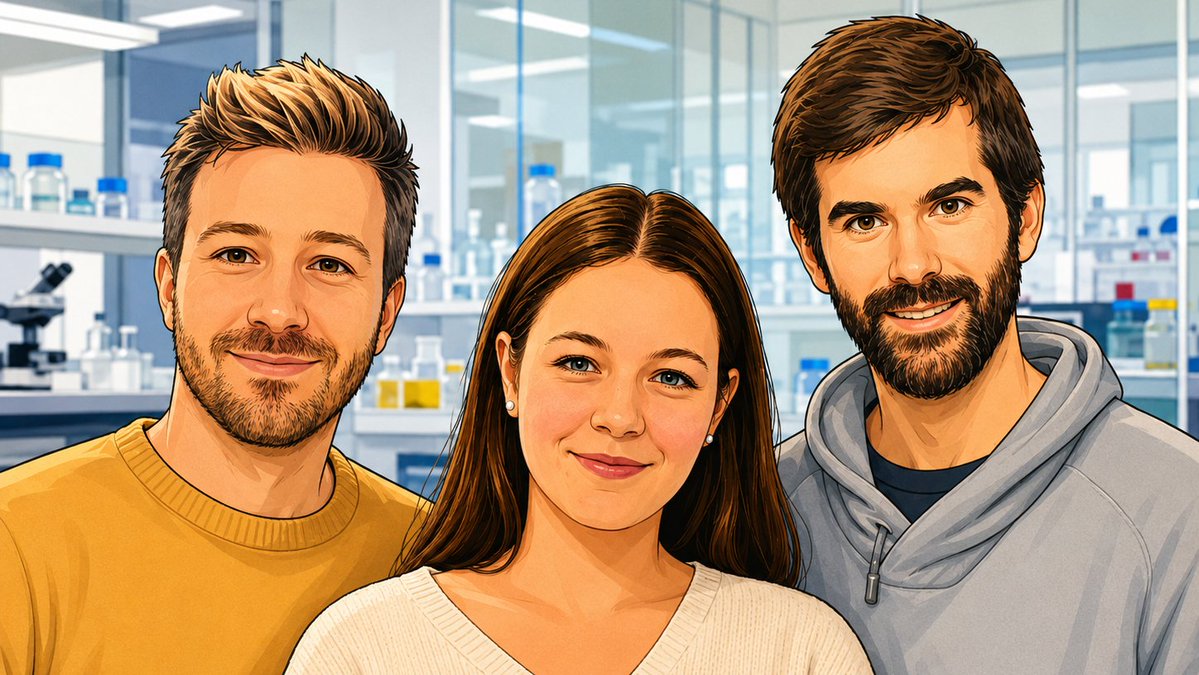
Amazing collaborative work led by Marcel McCullough and Adam Poti, with @maiamontagnarde Maia Munteanu, at @IRBBarcelona + @UCPH_Research
Bravo, team!
@RuxandraTeslo@Heritage It probably also helps to reduce endometrial cancer risk, which tends to be higher in people with PCOS (probably due to several factors like unopposed estrogen, obesity, increased endometrial thickness, etc).
@CJHandmer@LauraForczyk There is actually a name for this: dyscalculia. Brains are plastic but also weird, some people genuinely cannot do mental arithmetic and it's separate from general cognitive abilities.
@ValerioCapraro That's not what regression towards the mean actually means though, it's a statistical sampling phenomenon not some fundamental societal risk.
TOMORROW ‼️ #Incubakers solidarity breakfast 🍽
to support the association @As_Dyrk1a_ES 🧬
📆 21 Mar
⏰ 9:00 - 11:00h
📍 #PRBB inner square
☕ + 🥧 = 3€ (BYOM)
See you there #PRBBCommunity!
@Botanygeek Genuine question: isn't UPF considered to be less healthy because of the ultraprocessing of its ingredients rather than just the nutritional content itself? My understanding is that, even when nutritional content is controlled for, UPF is still worse than home-cooked food.
@ivyyy022 @fentpot @Aella_Girl Yup! If you’re studying one relationship between two variables, more data -> better coverage of the underlying population -> test is more informative. But in a large dataset with many variables and observations you’ll get a lot of spurious associations if you test everything.
@fentpot @Aella_Girl@ivyyy022 Agreed! My comment was more to say: you can absolutely p-hack with a large dataset and it’s actually much easier than with a smaller one, so smaller p-values thresholds and correction are kinda necessary if testing stuff randomly.
@fentpot @Aella_Girl@ivyyy022 That’s true - if you have a hypothesis and you test that, you are more likely to detect a real relationship, if it exists. But if you’re exploring a dataset, with no particular hypothesis, you’re more likely to find statistically significant relationships where there are none.
@Aella_Girl@ivyyy022 Large datasets usually generate much smaller p-values, so using the same p threshold for a dataset of 100 observations and 100k observations, will inevitably mean you find a lot more statistically significant relationships in the latter. https://t.co/kCZuOgfcR9
☢️Our space radiation/mutagenesis paper is out!☢️
Nice work Tiffany @tm_delhomme Maia @maiamontagnarde & Josep and importantly our collaborators at Columbia ⚛️RARAF⚛️ Manuela and Veljko!
Read our study here 👇
https://t.co/YeDMvkdvO2
‼️ Apply to the #PhD student call at the @IRBBarcelona:
➡️exciting 🧪👩🔬& a great 🏙️
➡️jumpstart your #reserarch career in #biomedicine
➡️only 4 days left to submit application!
Please RT &/| forward to anyone interested 👇
‼️New preprint out‼️
Brought to you by the mighty Marina @msalvadoresf and yours truly
🚴♂️🔀🧬"Cell cycle alterations associate with a #redistribution of #mutation rates across chromosomal domains in human cancers"
https://t.co/1g3capTvGb
Here is a🧵! 1/ 👇
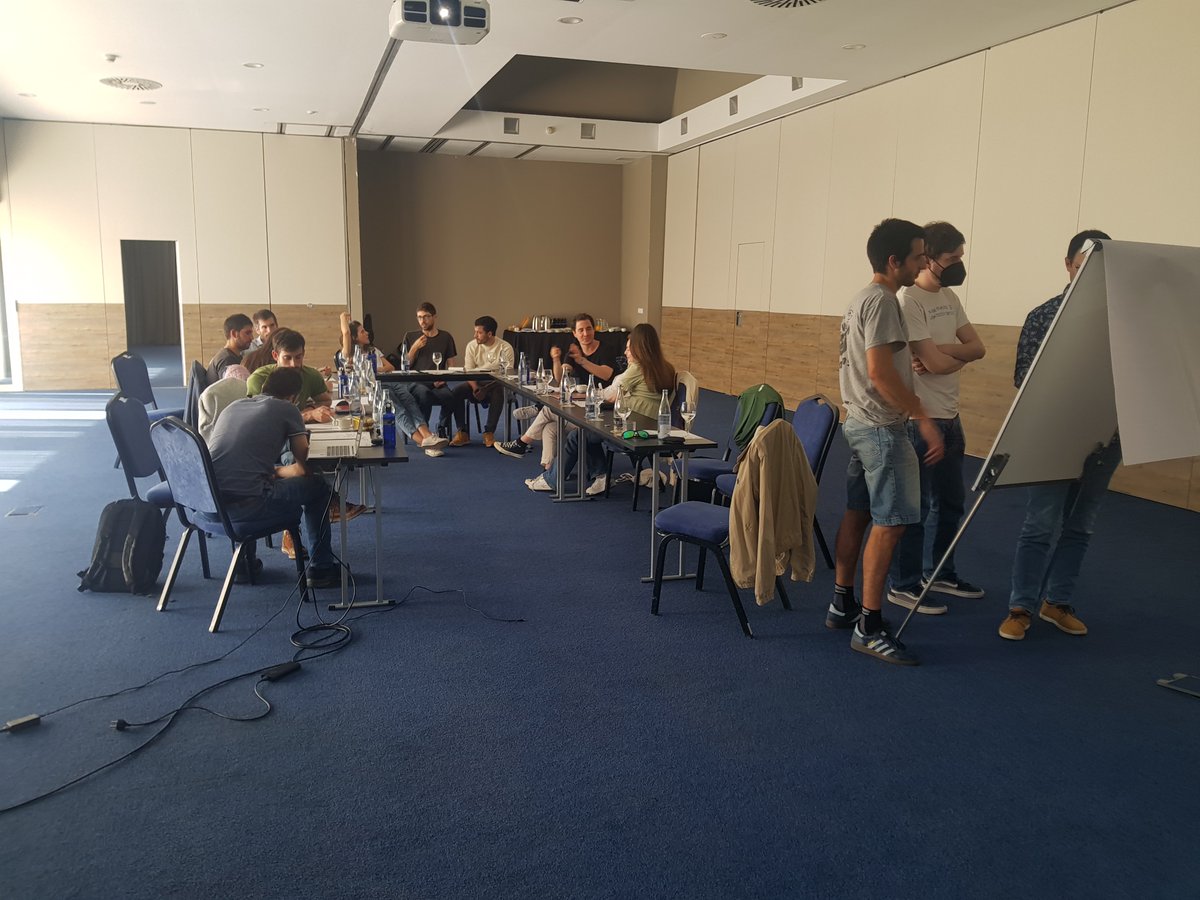
Filled with new ideas and enthusiasm for #genomics research, we have returned from the Genome Data Lab scientific retreat.
There was lots of cool #science, a collaborative spirit and great times at Salou/Tarragona!