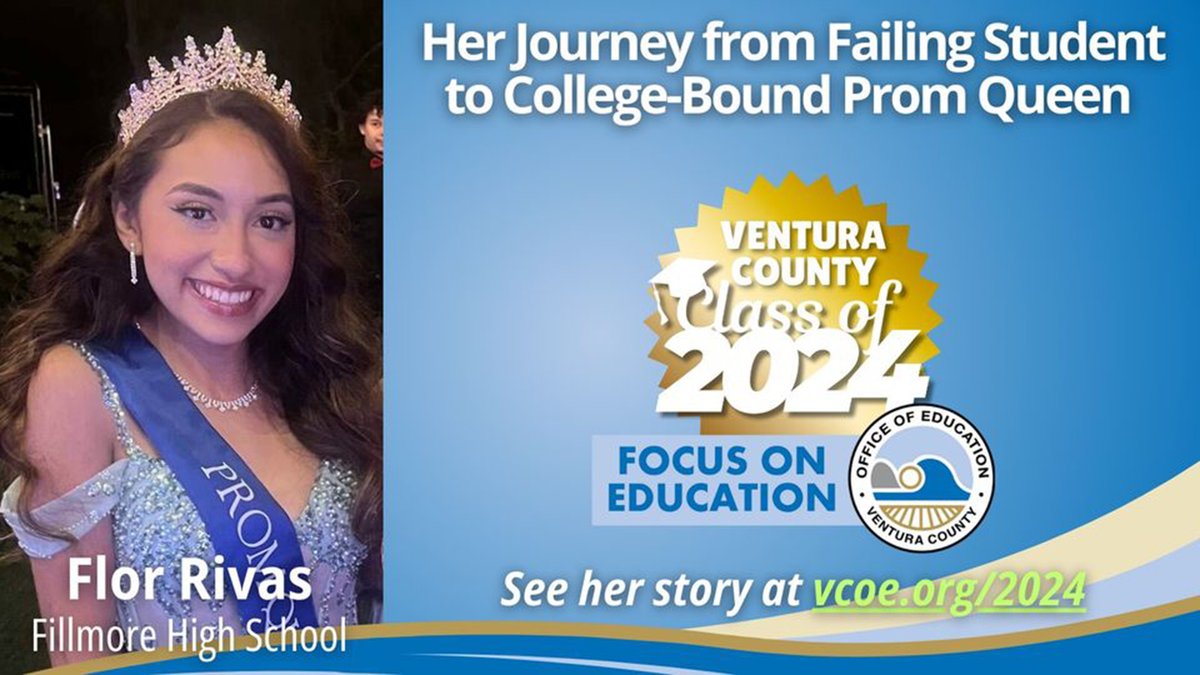
Congratulations Flor! We can't wait to see all the wonderful things you will accomplish in the future! Visit https://t.co/iHWp7zplTQ to read about Flor's journey
Student-led learning boosts critical thinking and collaboration! 🧠 🤝 So how do you get more of it in your classroom? @Catlin_Tucker suggests making these shifts to your workflows: https://t.co/20AA2BFo1V
School leaders who value and empower their substitute teachers retain them *and* attract future, full-time classroom teachers. 🙌 Here are 3 ways to support substitutes: https://t.co/LHCEPhQCp8
#TeacherTip Tuesday: With teams that work at different paces, try a Swapmeet. When a task is partially finished, one pair from each team swaps to share ideas, solutions, & thinking. Pairs then return to share learning.
Want more PL? https://t.co/nX4Q5YgFpN
#iteachmath#moremath
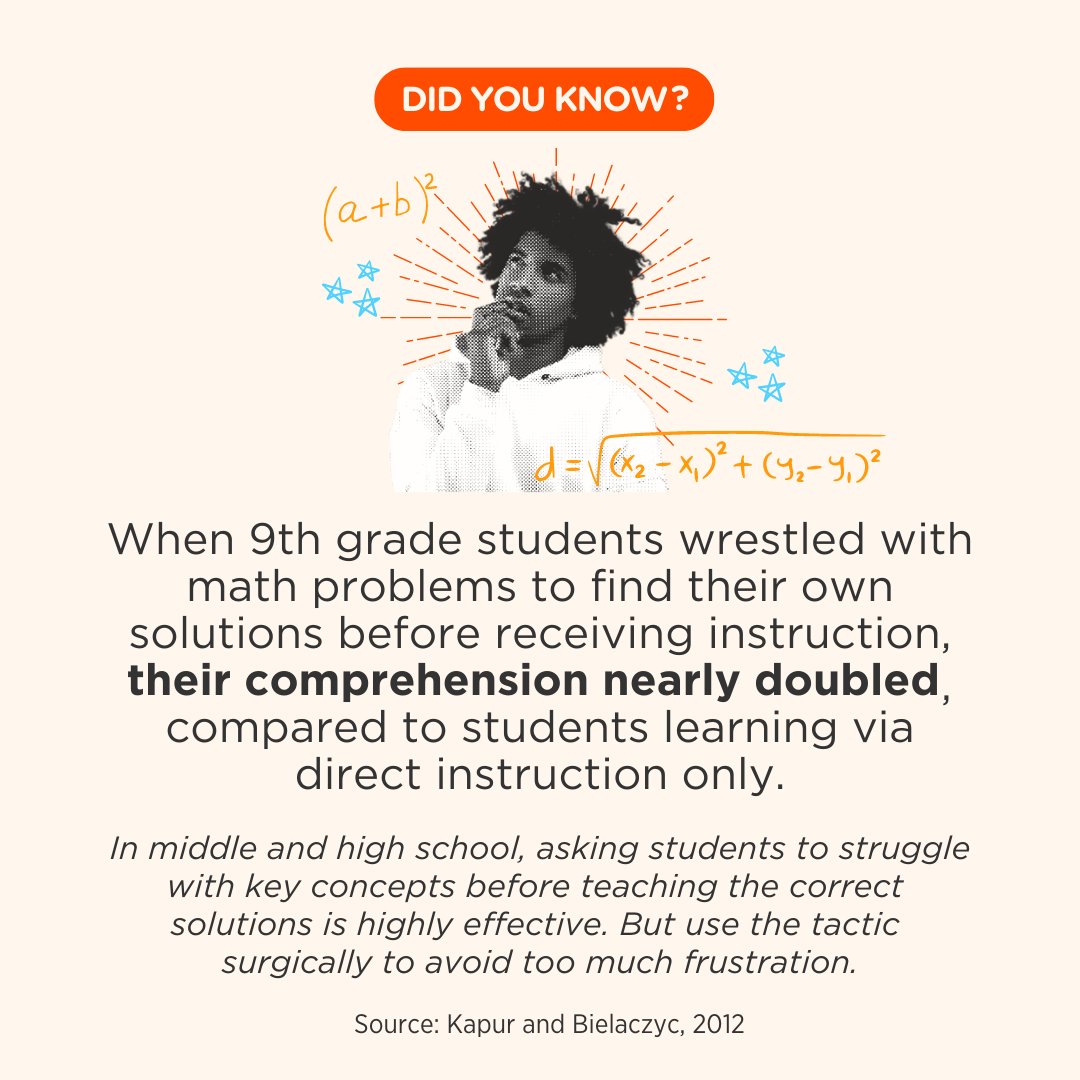
Did you know? 🤔
When 9th-grade students wrestled with math problems to find their own solutions before receiving instruction, their comprehension nearly doubled, compared to students learning via direct instruction only.
Read the study: https://t.co/zKffw6AKAE
ICYMI: @CADeptEd recently launched the Long Term English Learner Community of Practice web page. This Community of Practice is grounded in the principles of the EL Roadmap & the website includes a variety of resources for supporting LTEL students!
More: https://t.co/h8HjNpiRYf
Leadership is hard. Nobody said it would be easy.
🔺When people talk about you, keep leading.
🔹When people compliment you, keep leading.
🔺When your hard work goes unnoticed, keep leading.
Why? Because we are in the kid business. Kids are the reason schools exist. It isn’t about you or me. It’s about kids. When things are good, bad or ugly, keep leading.
When we keep showing up to lead, that’s when success will follow. That’s when kids’ pathways will be redirected. And that is when we know we are changing the world.
KEEP. LEADING.
Math Milestones™ shows the mathematics of each grade level (K-8) as a set of tasks that fit on ONE page. Each grade’s tasks are a visualization of the grade-level standards in the language of teachers & students. Find grids, teacher notes, and handouts:
https://t.co/Ccb6RNrIQt
For more than a year, Student Achievement Partners has been working with @XQAmerica on a project that seeks to dismantle some outdated math teaching practices and center student voices. Learn more about this project: https://t.co/VKVEVgHZHg
8️⃣. EIGHT. That's how many posts you'll find covering the Most Misunderstood #Math Standards: one for each grade, 1st–8th. Check them out here: https://t.co/xf6RRT9e4y
#iteachmath#mathchat
👩💼👨💼 Are you having regular meetings with your administrators? Having an organized standing agenda is helpful to keep your work aligned, purposeful, and visible. #EDUCoachChat#educoach#instructionalcoach#adminmeeting
Download this resource to help with reading fluency for middle and high school students. This seven-step protocol outlines how to perform small-group interventions for students reading below grade level.
https://t.co/rOdDeY7TXU
#reading#elachat
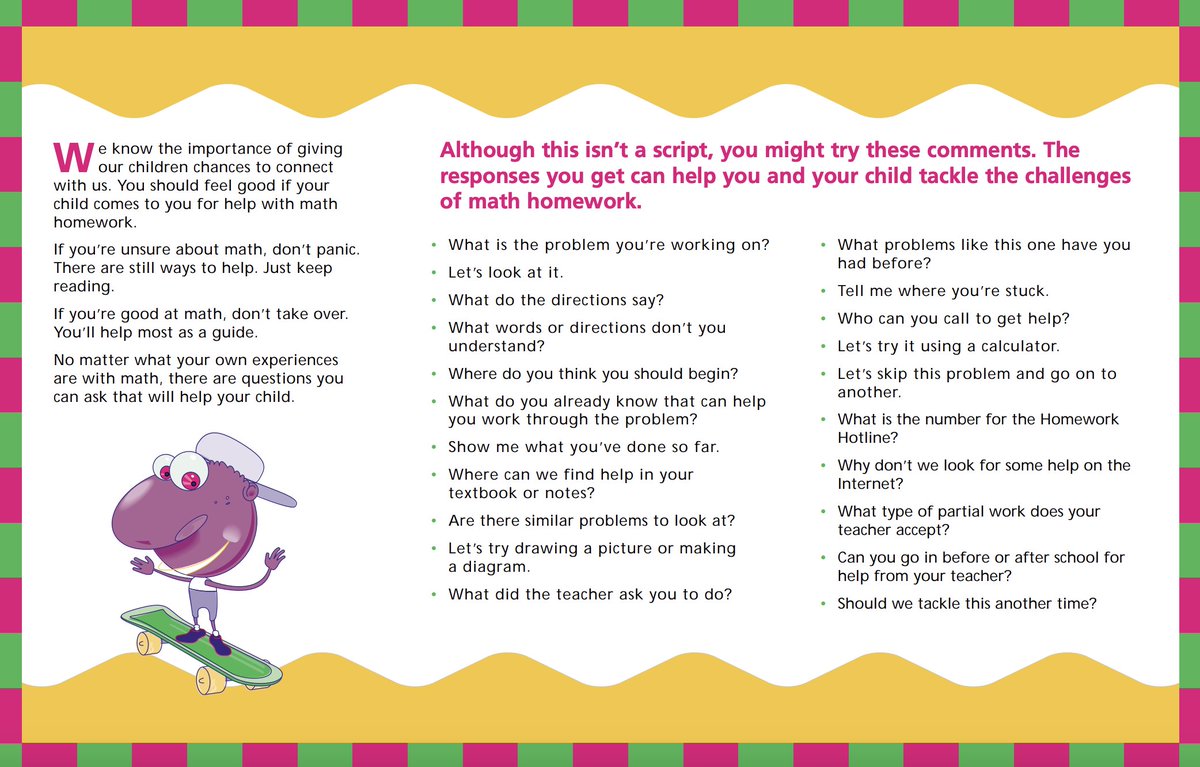
Rather than providing a script, this guide for Ss' families from @NCTM offers different questions and prompts for supporting Ss – no matter the subject matter:
https://t.co/SBYgnZBB3p
#BeTheOne#StuVoice
As you're thinking about classroom assessments next year, remember that we grade against criteria for standards, outcomes, learning goals, i.e., evidence of learning, NOT the vehicle used to deliver that evidence. So, unless we're teaching the assessment format itself, whether or not students do a project, test, paper, demonstration, etc is irrelevant: It's whether or not they presented evidence of their proficiency. This blows the hinges off the doors on the way to success as it opens new and meaningful ways to demonstrate mastery. There's a lot of agency here, which leads to students owning their learning. For some units of study, teachers can even ask students for proposals for how they will demonstrate the evidence of the standard. Then, as with most assessments, ask students to prove their evidence, to explain how the standard is manifested in their presentation. Gosh, this makes learning -- and teaching -- way more fun, and for students, more substantive.