🧵5/5
Jeśli chcesz zobaczyć tę ideę na wykresie, skrypt RSI Adaptive Zones jest dostępny na TradingView.
Aktualnie ma już ponad 1000 boostów, ale nadal sporo brakuje do 10k :) 🚀🚀🚀
https://t.co/LcZq90KFgk
🧵1/5
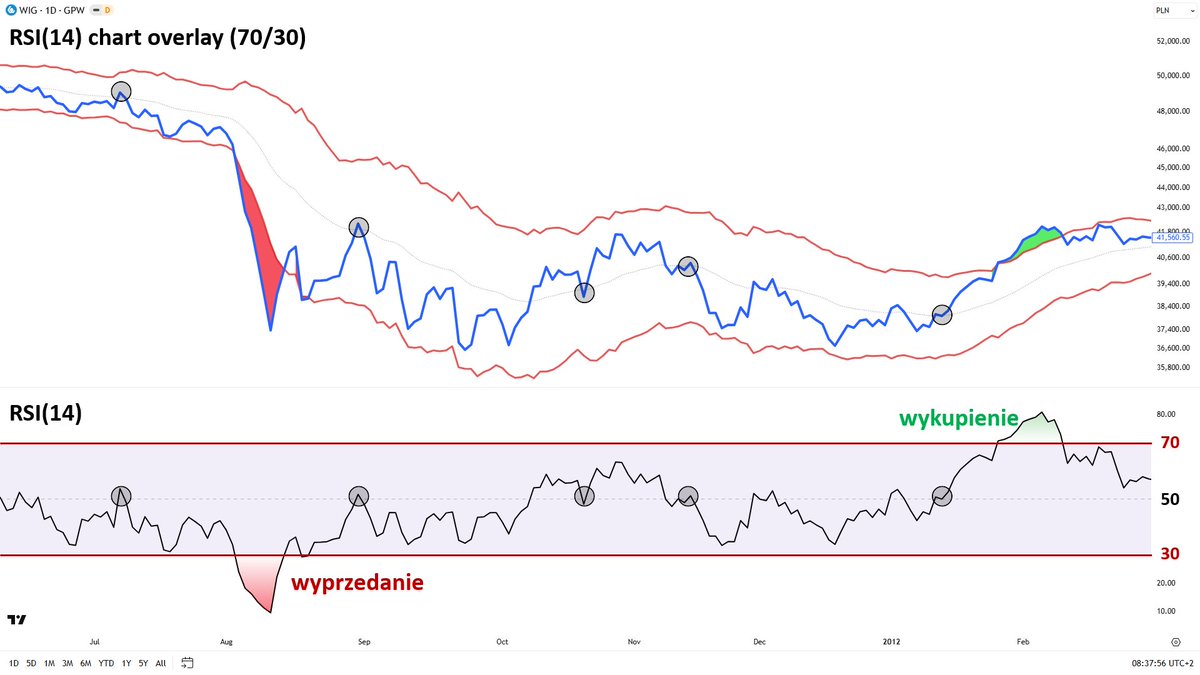
Jeśli używasz RSI, prawdopodobnie najpierw patrzysz na poziomy 30 i 70.
Ja zaczynam od 50.
RSI(14)=50 oznacza, że cena znajduje się na swojej 14-okresowej średniej.
A skoro RSI mierzy odległość od średniej, można go pokazać bezpośrednio na wykresie ceny.
🧵4/5
Rozwinąłem ten temat w artykule opublikowanym w najnowszym numerze „Praktyka Rynku”.
To część 1: dlaczego RSI nie powinien kończyć się na 30 i 70.
W części 2 pokażę dokładniej, skąd biorą się adaptacyjne strefy i jak je stosować w praktyce.
LINK:
https://t.co/OySHQsDOOD
🧵(1/7) Fixed 70/30 is the myth. RSI Adaptive Zones are the math.
Most traders learn RSI as one line and one fixed map: 70/30.
But RSI(2), RSI(14) and RSI(200) do not behave the same way, so they should not be judged by the same fixed levels.
#RSI#AdaptiveRSI
W najbliższy piątek, w ramach konferencji Invest Cuffs zapraszam na dwa wykłady. W zasadzie jeden wykład i jeden warsztat.
Obiecuję, że nie będzie nic ani o pasywnym inwestowaniu, ani o emeryturze ;)
100% analizy technicznej w ujęciu quant!
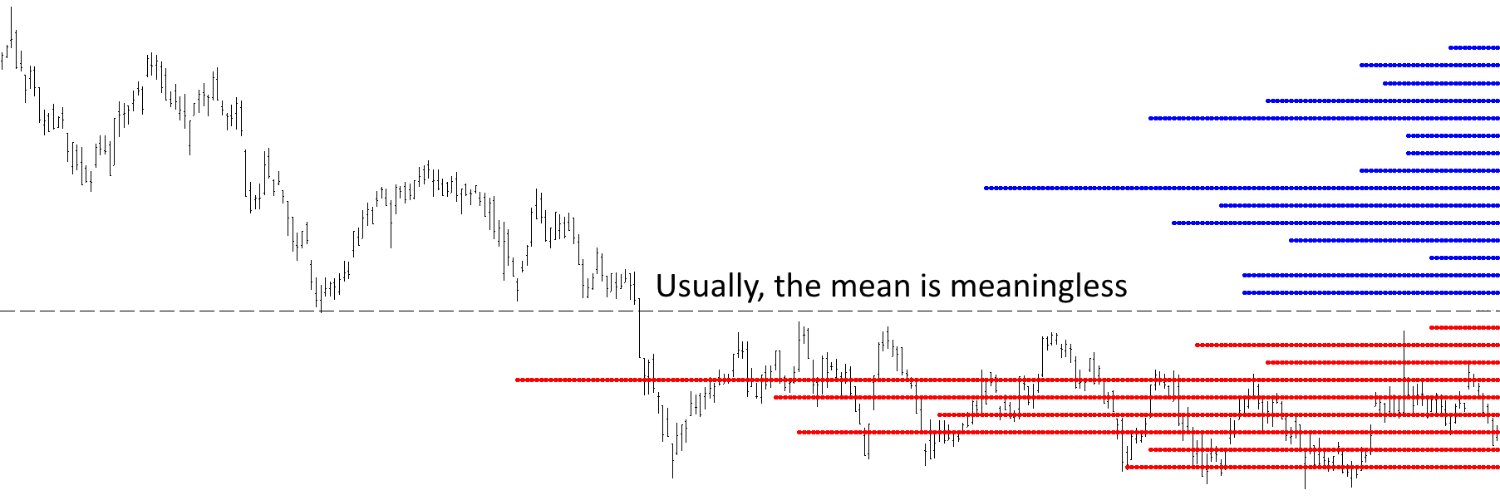
🚨The most important work in economics in the last 50+ years.
First stumbled on the cited study in 2017 on Ole’s blog (link 👇) and was as formative as Tetlock and Taleb on my axiological journey.
The researchers ran a simulation with 10,000 agents starting with equal wealth where each agent’s wealth changed by random multiplicative factors each turn.
They created agents with different “skills” represented by different average growth rates—some agents had positive expected returns, others negative. The key finding: even when agents had identical skill (same expected growth rate), wealth concentrated dramatically upward over just a few rounds.
Here’s how this happens: In multiplicative systems, random fluctuations cause wealth to diverge exponentially between agents even when they have identical underlying wealth-generating characteristics. One agent gets lucky early and compounds those gains, while another gets unlucky and falls behind—and these gaps widen exponentially over time regardless of relative merit. The simulation showed that “random multiplicative growth inevitably leads to a very skewed distribution of wealth, irrespective of any differences in skill”.
The authors also modeled US wealth dynamics using a simple equation where wealth grows multiplicatively (like compound interest) plus a redistribution parameter τ (tau) that measures whether money flows from rich to poor or vice versa. When they fit this model to actual US wealth data from 1918-2016, they got a (not particularly) shocking result: around 1980, τ turned negative, meaning the system began transferring wealth from poor to rich rather than rich to poor.
In other words, we don’t need any assumptions about the relative wealth-generating ‘merit’ of modern oligarchs to explain their presence. In another path of the simulation someone other than Elon Musk accumulates the exact same magnitude of wealth based on random compounding effects alone. This realization has profound axiological results on par with the existence of free will. And yet it is completely ignored and unacknowledged by any mainstream economic school.
Read the study at the link 👇
📢 Już w przyszłą środę bezpłatny webinar o IKE i IKZE!
Chcesz świadomie budować kapitał emerytalny i wybrać najlepszą formę oszczędzania?
Już w środę, 3 grudnia o 14:00 zapraszamy na bezpłatny webinar edukacyjny z ekspertami Biura Maklerskiego @PKOBP – dr Emilem Łobodzińskim (@elobodzinski1) i Pawłem Małmygą (@malmyga).
Dowiesz się https://t.co/0pQadhCU3L.:
💡 IKE czy IKZE – co wybrać?
📈 Jakie instrumenty najlepiej sprawdzają się w inwestowaniu emerytalnym?
⚖️ Aktywnie czy pasywnie?
🚫 Jakich błędów unikać?
Dołącz i uporządkuj swoją strategię długoterminową 👉
https://t.co/6V3SqOuxci
Nieruchomości, lokata czy giełda? Wady i zalety różnych form inwestowania – nagranie już dostępne!
Zapraszamy do obejrzenia zapisu szóstego webinaru z cyklu Letniej Szkoły Giełdowej 2025. Spotkanie poprowadził @malmyga, ekspert analizy technicznej i strategii algorytmicznych z Biura Maklerskiego @PKOBP.
Podczas webinaru omówione zostały między innymi:
- różnice między inwestowaniem w nieruchomości, lokaty i giełdę,
- wybór między wyższym zyskiem a niższym ryzykiem,
- dopasowanie formy inwestowania do własnej psychiki,
- znaczenie zmienności i dywersyfikacji w praktyce.
📅 Nagranie dostępne jest bezpłatnie przez 7 dni, później tylko dla członków SII
🎥 Obejrzyj tutaj: https://t.co/p91pAEvKj7
Już jutro w Letniej Szkole Giełdowej 2025! 📢
Webinar "Nieruchomości, lokata czy giełda? Wady i zalety różnych form inwestowania" 🏠💰📈
📅 Środa, 13 sierpnia
🕛 14:00
💻 Online, bezpłatnie
Podczas spotkania dowiesz się między innymi:
✔️ Co wybrać – wyższy zysk czy niższe ryzyko?
✔️ Jak dopasować inwestycje do swojej psychiki?
✔️ Czym jest zmienność i dywersyfikacja w praktyce?
✔️ Czy istnieje idealna forma inwestowania?
🎙 Prowadzący: Paweł Małmyga, ekspert Biura Maklerskiego @PKOBP
👉 Zapisz się teraz: https://t.co/vzoJ6gMaLQ
@DellAnnaLuca@BentFlyvbjerg@dgardner Very good pick!
It is a great, and very instructive book.
My country plans on building nuclear power plants, and a mega airport, which both have big fail ratio. I fear, that authors was not consulted by my authorities...
Another expert report finds Israel is committing genocide. Amnesty, Human Rights Watch, and Medecins Sans Frontieres are all agreed. But the West yawns as the Gaza genocide is now just another routine news item, buried on the inside pages https://t.co/xTKAfAkHTl
Przed nami coroczny narodowy test przenikliwości umysłu.
Odwieczne pytanie brzmi: kiedy przejść z "Zostaw! To na Święta!" na "Zjedz jeszcze kawałek, bo się zmarnuje"...?
Wesołych Świąt i samych mądrych decyzji ;)
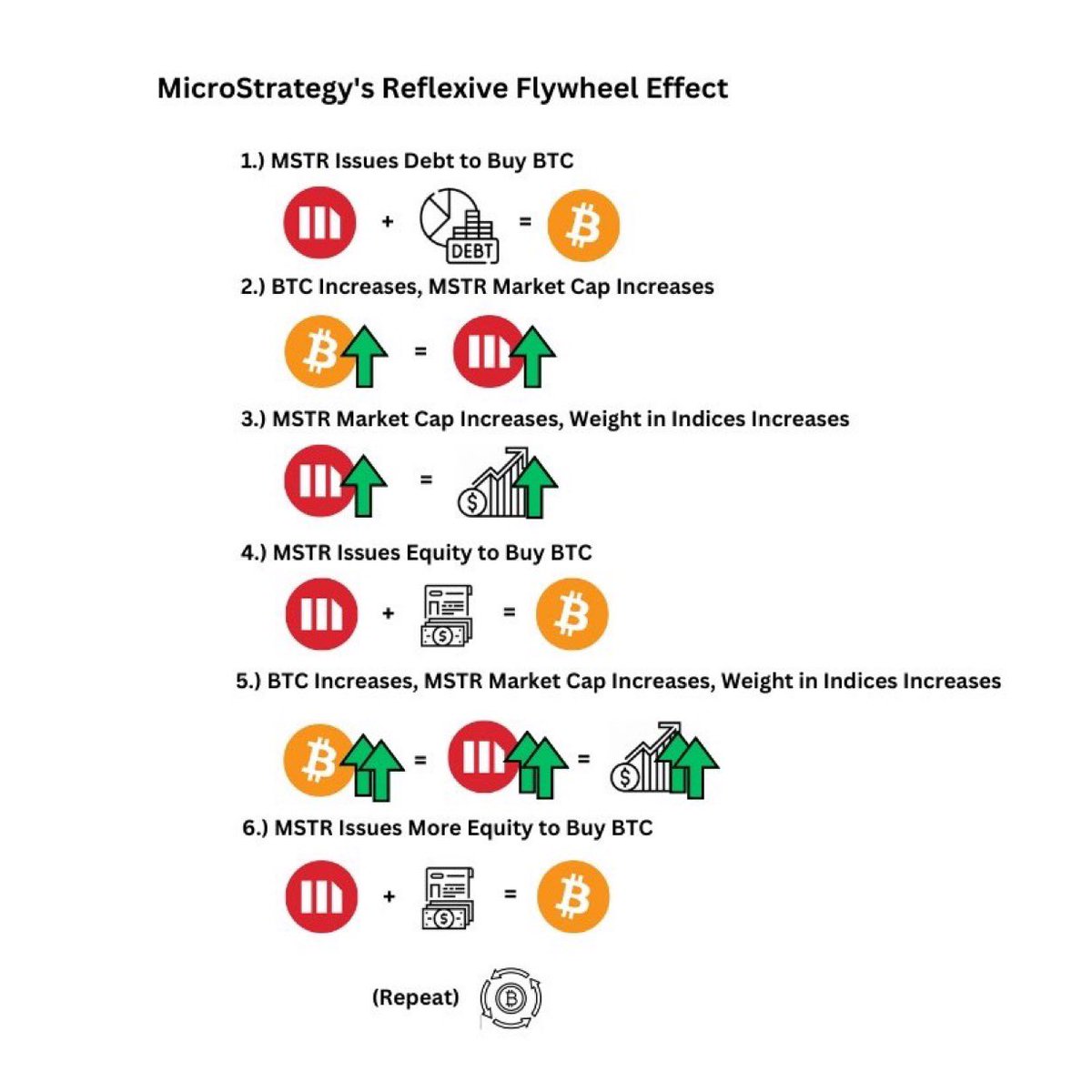
MicroStrategy’s business model is a giant scam and relies on a reflexive loop: it issues debt or equity to buy BTC, which drives BTC’s price higher. This increases MSTR’s market cap, boosts its index weight, and attracts more sheep investors. With a higher valuation, it issues more equity to buy even more BTC.
The cycle only works if BTC keeps rising. If BTC stalls or crashes (which it will), the loop collapses. This is unsustainable and is a giant Ponzi.
This scheme is even bigger than FTX, Bernie Madoff, and Enron. When it collapses, it will make history.
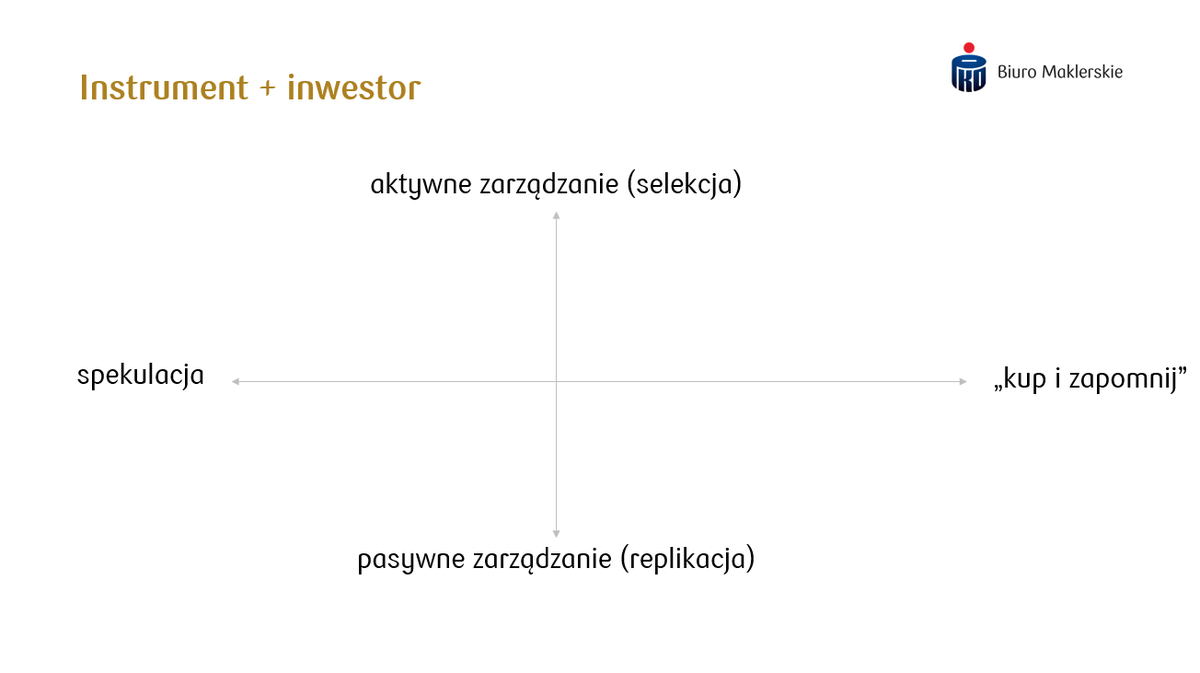
Wbrew obiegowej opinii, do poprawnego scharakteryzowania inwestowania pasywnego i aktywnego nie wystarczy tylko jedna "oś". Ważny jesi i inwestor i instrument.
Zapraszam na jutrzejszy webinar 👇👇👇
Zapraszamy do udziału w webinarze edukacyjnym, który poprowadzi dr. @elobodzinski1 i @malmyga
📌 Temat: IKE/IKZE: zarobić na emeryturę aktywnie czy pasywnie?
📅 wtorek, 10 grudnia 🕛 12:00
https://t.co/W6aCxw2ozd
Plan webinaru:
➡️ Pasywne inwestowanie lekarstwem na wszystko?
➡️ Które rozwiązania emerytalne do aktywnego, a które do pasywnego inwestowania
➡️ Aktywnie czy spekulacyjnie?
➡️ Psychologia ma znaczenie?
Webinar przygotowany został przez Biuro Maklerskie @PKOBP
@iggnacy To nie jest takie głupie, pod warunkiem że pytanie będzie brzmiało: "Co robicie źle? ". Żeby uniknąć powtarzania błędów. " Via negativa" w praktyce.