Presented the latest XRISM results on the supernova remnant Cassiopeia A at the Netherlands Astronomy Conference.
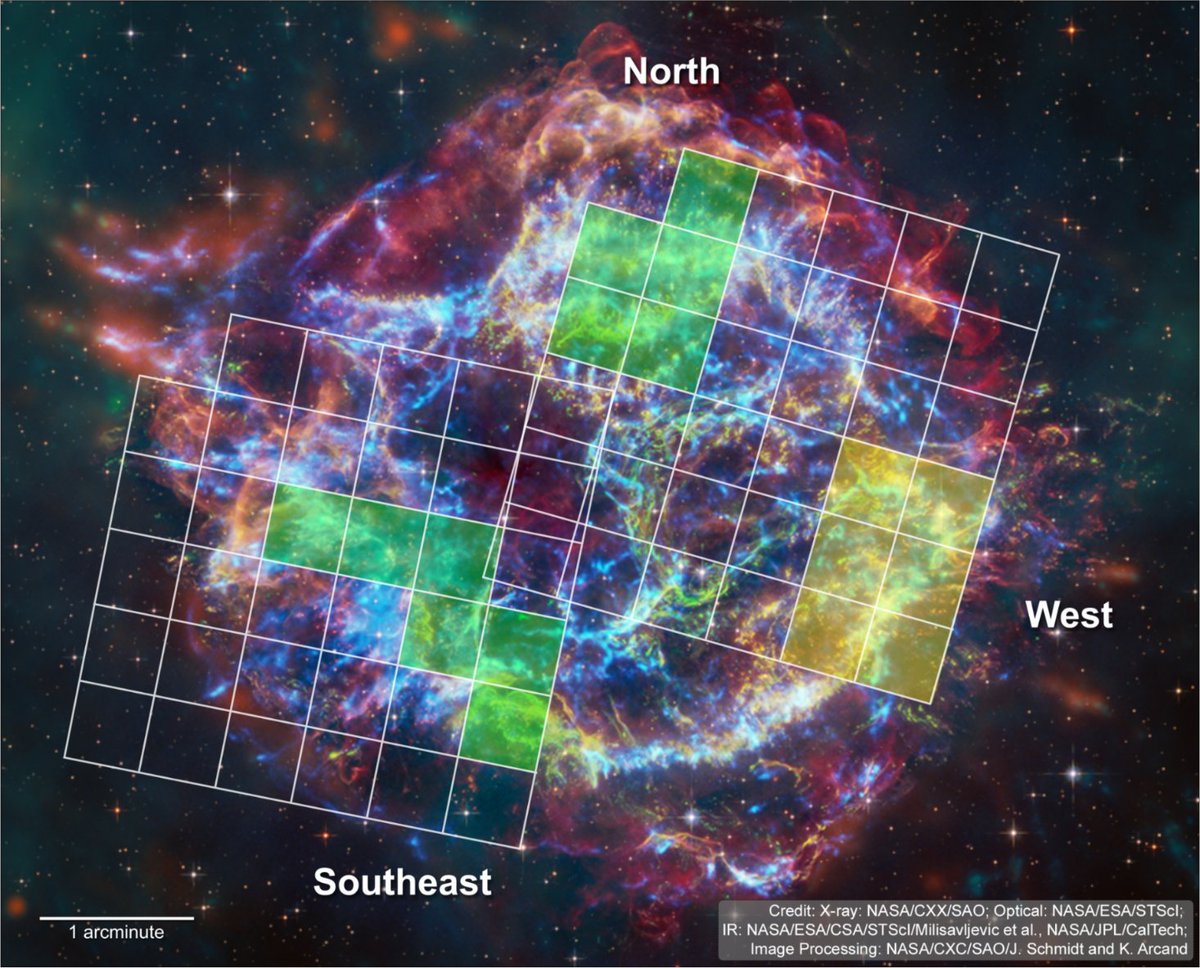
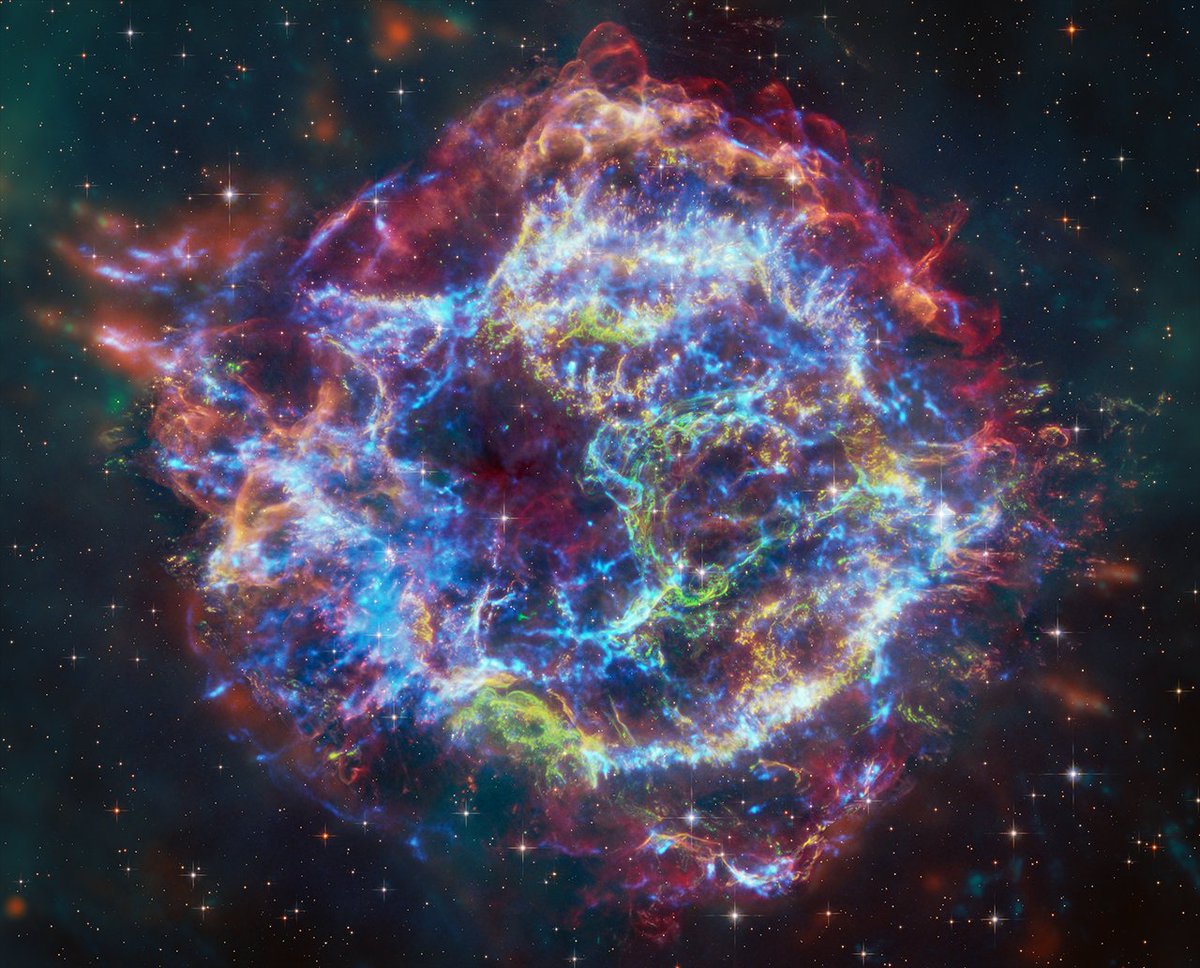
We produced the first microcalorimeter-based plasma maps of any SNR using UltraSPEX — a Python framework integrating Bayesian Nested Sampling with SPEX.
Thanks to X-ray data from the XRISM telescope — a partnership between @JAXA_en and @NASA with @ESA participation — astronomers traced potassium and chlorine in supernova remnant Cassiopeia A, helping connect our lives on Earth to the deaths of stars. https://t.co/XzcwjaFrgr
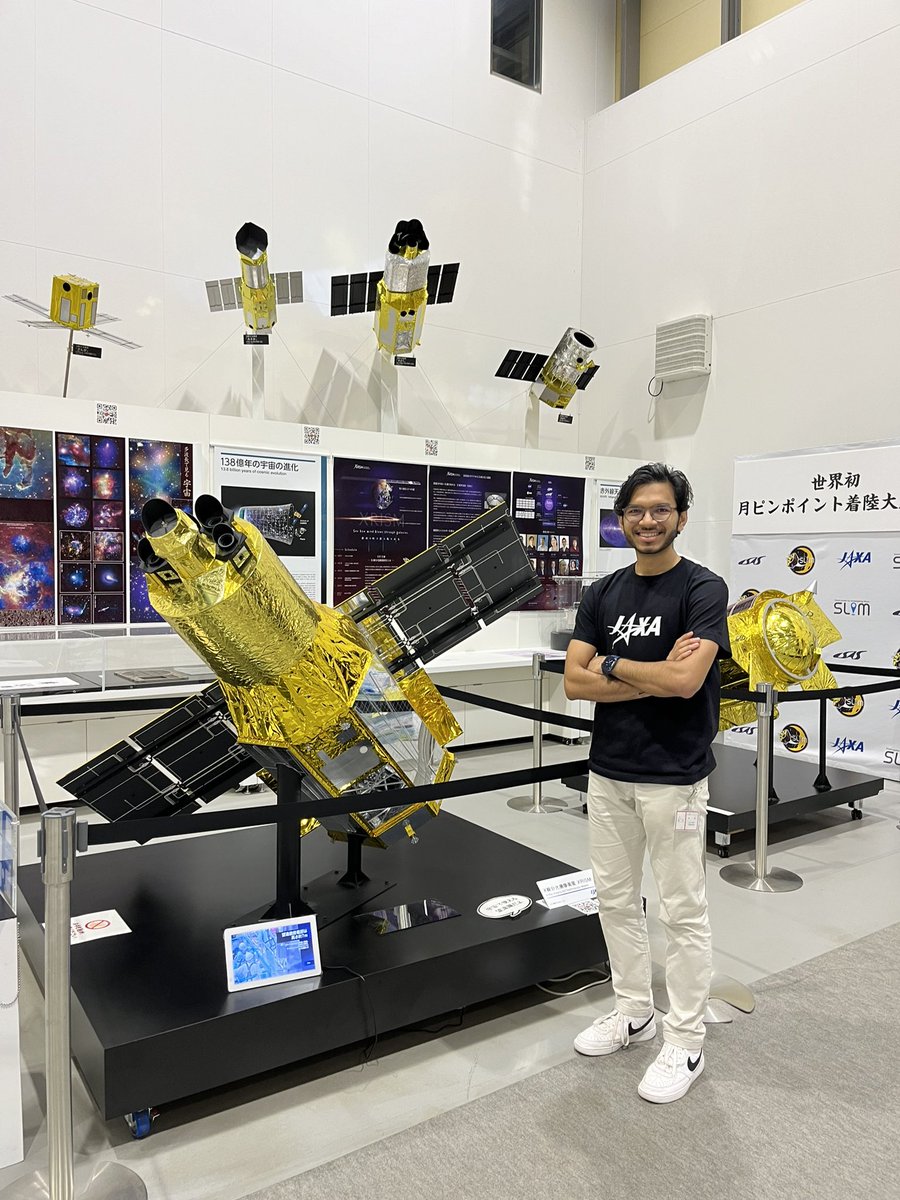
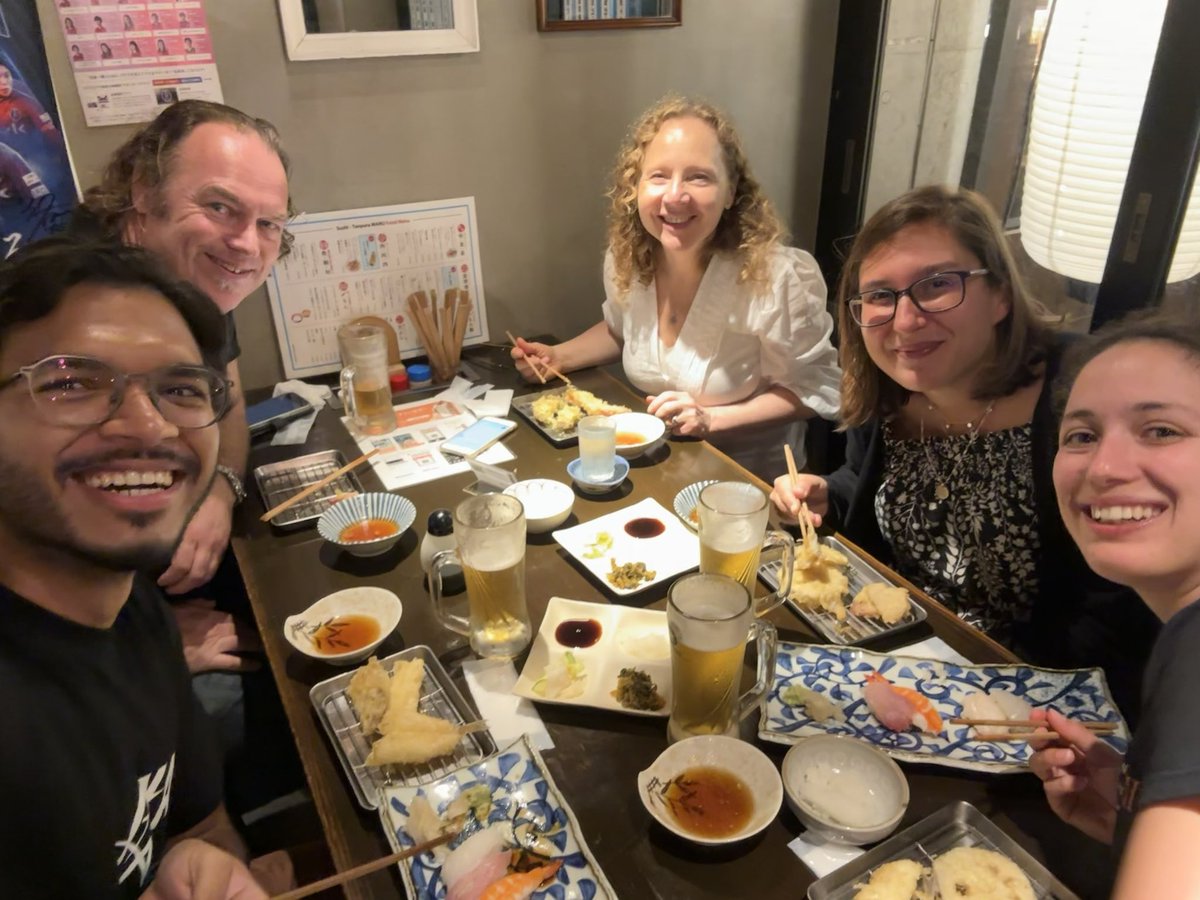
XRISM Science Team Meeting #6 in Tokyo
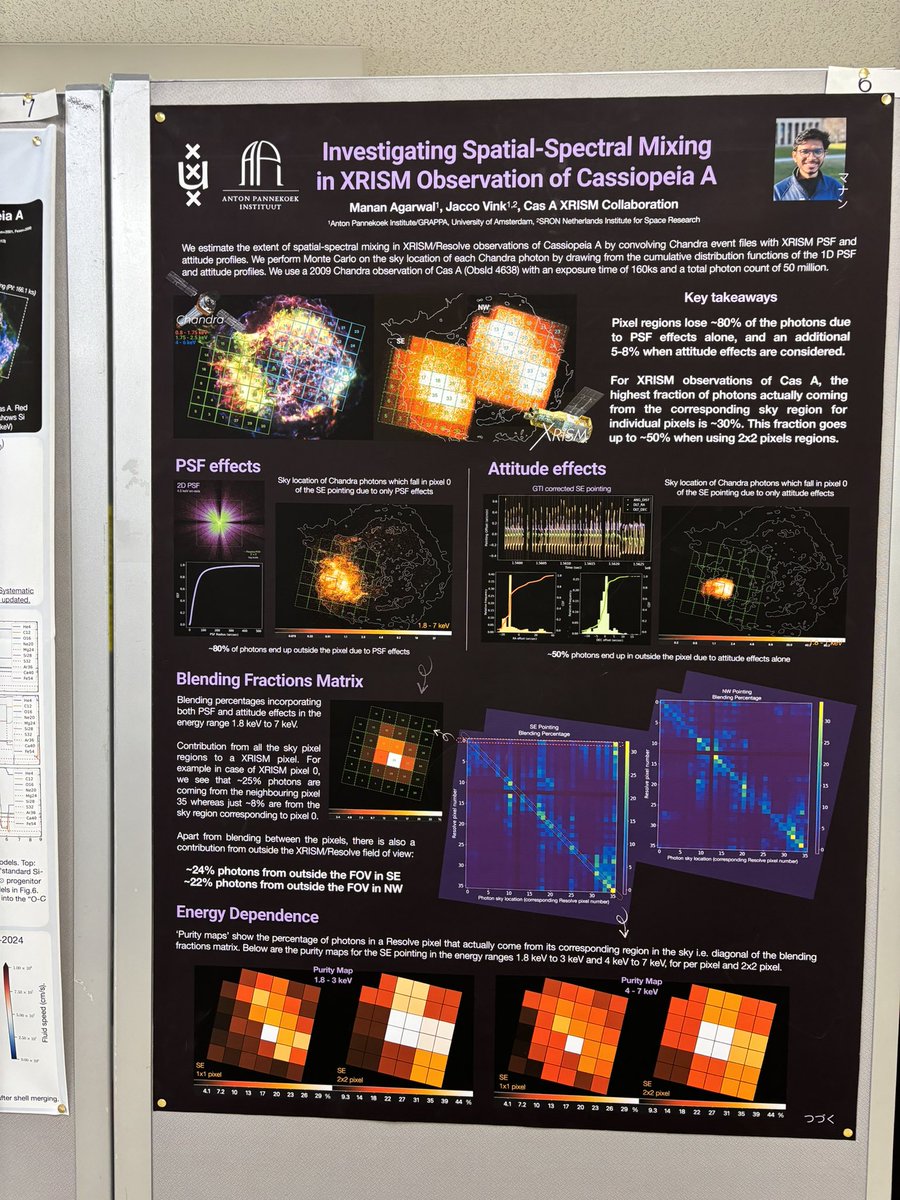
Great time presenting two posters, debating Spatial Spectral Mixing, seeing the incredible science coming out of XRISM data and celebrating one year launch anniversary.
Catching up with friends and exploring more of this beautiful country.
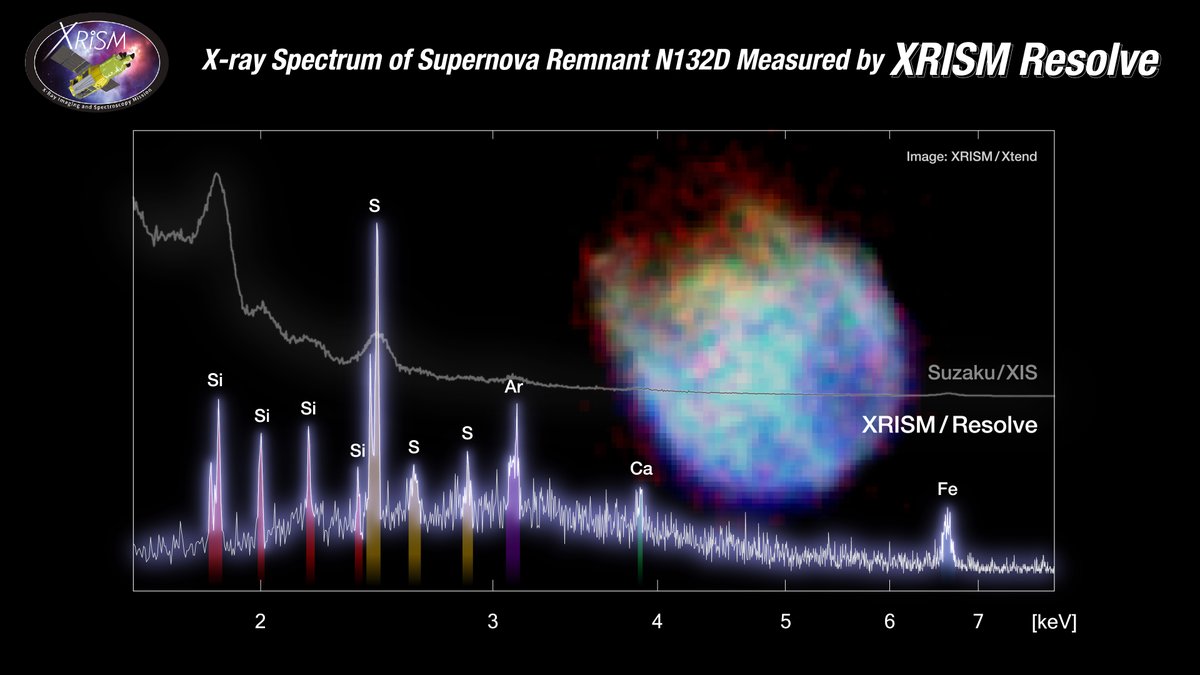
Paper on the analysis of XRISM/Resolve first-light observation of the Supernova Remnant N132D has been accepted in PASJ and is now available on the arxiv!
https://t.co/ldAPLZhWTl
25 years ago today, Chandra released its "First Light" image of Cassiopeia A — the incredible remains of an exploded star about 11,000 light-years from Earth. Over the last quarter century, Chandra has observed this famous supernova remnant for more than 277 hours! 🎉#Chandra25
Had a fun time presenting the results of my first PhD project on the fascinating ‘Green Monster’ region of Cssiopeia A as revealed by NASA’s JWST and Chandra. #NAC2024#savechandra
Late post, but a bucket list achievement deserves a post, right? It still feels unreal to have seen northern lights just past midnight last Saturday from Vondel park in the middle of Amsterdam…as the most extreme geomagnetic solar storm in almost 20 years raged on. #noorderlicht
You’re likely reading this on a screen with millions of pixels. But what if you only had 36?
That’s plenty for the Resolve instrument on @JAXA_en’s XRISM!
Watch this video to learn how just 36 pixels can help us capture revolutionary science. Read more: https://t.co/Qn4LsKggl5
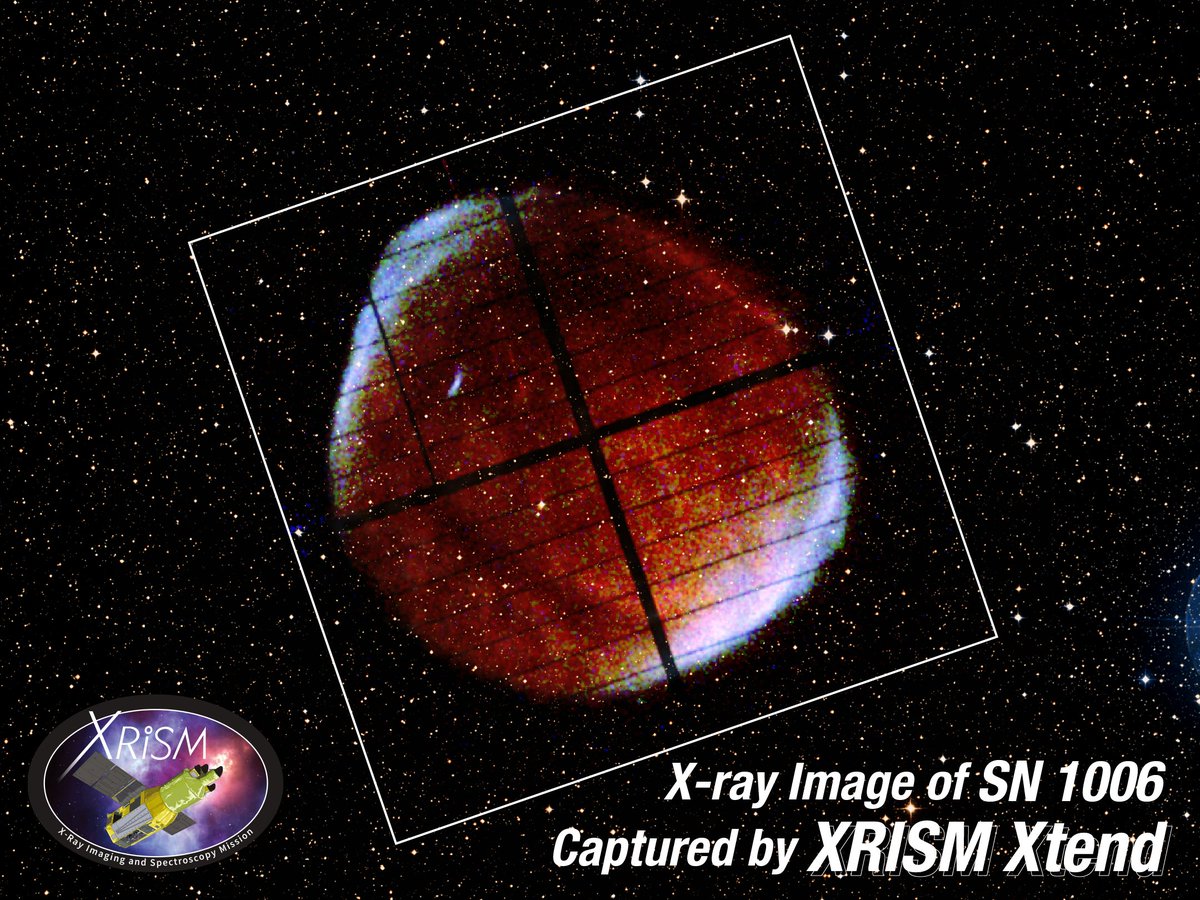
Check out the stunning view of the SN 1006 supernova remnant captured by Xtend!
This celestial marvel lies in the Lupus constellation, roughly 7,000 light-years away. Over the past millennium, it has expanded to a 65 light-years in diameter, still expanding at 5,000 km/s.
🟢Why is it called the Green Monster? The curious structure was dubbed the "Green Monster" because of its resemblance to the wall in the left field of Fenway Park!⚾
(Fenway Park is a #baseball stadium located in Boston, MA, USA, less than 5 miles from the Chandra X-ray Center.)
For the first time scientists have combined the powers of @NASA's Chandra & Webb Space Telescopes to study the famous supernova remnant Cassiopeia A, helping to solve the mystery behind the remnant's "Green Monster": https://t.co/ycBcpEnNxL #AAS243
🌟 Exciting News! 🌌 First light images are now live! 🛰️ Explore the intricate details of the N132D supernova remnant and the vast expanse of galaxy cluster Abell 2319.
#JAXA#NASA
🌟 Exciting update from XRISM@Commissioning Phase! 🛰️ The Resolve Dewar is now super-chilled, thanks to all cryocoolers and ADRs. 🌡️ Our detector pixels rocked the X-ray signals, showing uniformity and energy resolution below 5 eV, better than the target resolution!
#JAXA#NASA
[Press Release]
Completion of the sun acquisition control and deployment of the solar array paddles for the X-ray Imaging and Spectroscopy Mission (XRISM)
https://t.co/am2vjak5AM