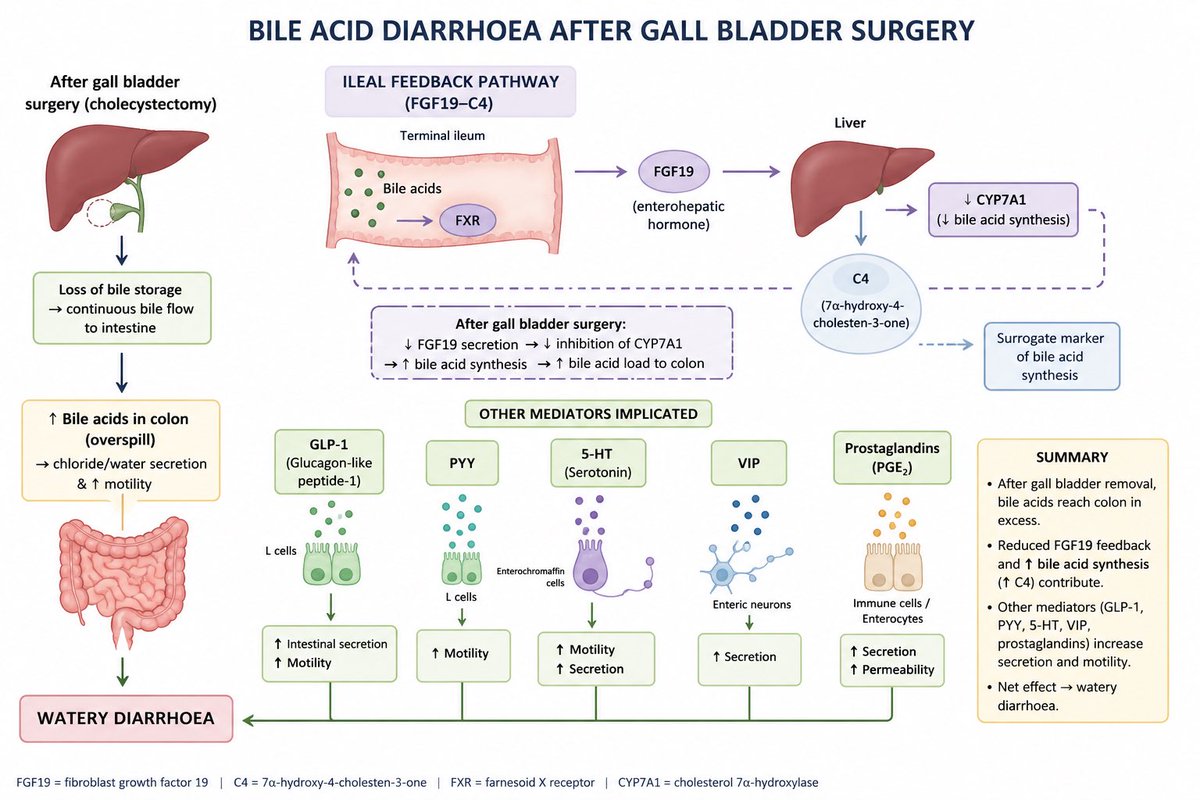
Is it possible to get diarrhoea symptoms after gallbladder surgery?
The answer is yes - it’s called bile acid diarrhoea (BAD) and it’s more common than we think.
Clasificación de Schnelldorfer para conductos biliares subvesiculares (conductos de Luschka)
1️⃣ Segmentario o sectorial superficial
2️⃣ Accesorio subvesicular
3️⃣ Hepaticocolecístico (drena directamente a la vesícula)
4️⃣ Aberrante subvesicular
#Cirugía#Cirujanos
En JAMA hoy la Dra. Jenna Taglienti nos deja una carta que debería ser leída por todos los que se dedican a la sanidad.
"Ninguna profesión reemplaza ver crecer a tu hijo (...). La medicina pide mucho. Y damos profundamente. Pero no puede quitárnoslo todo."
😢👇
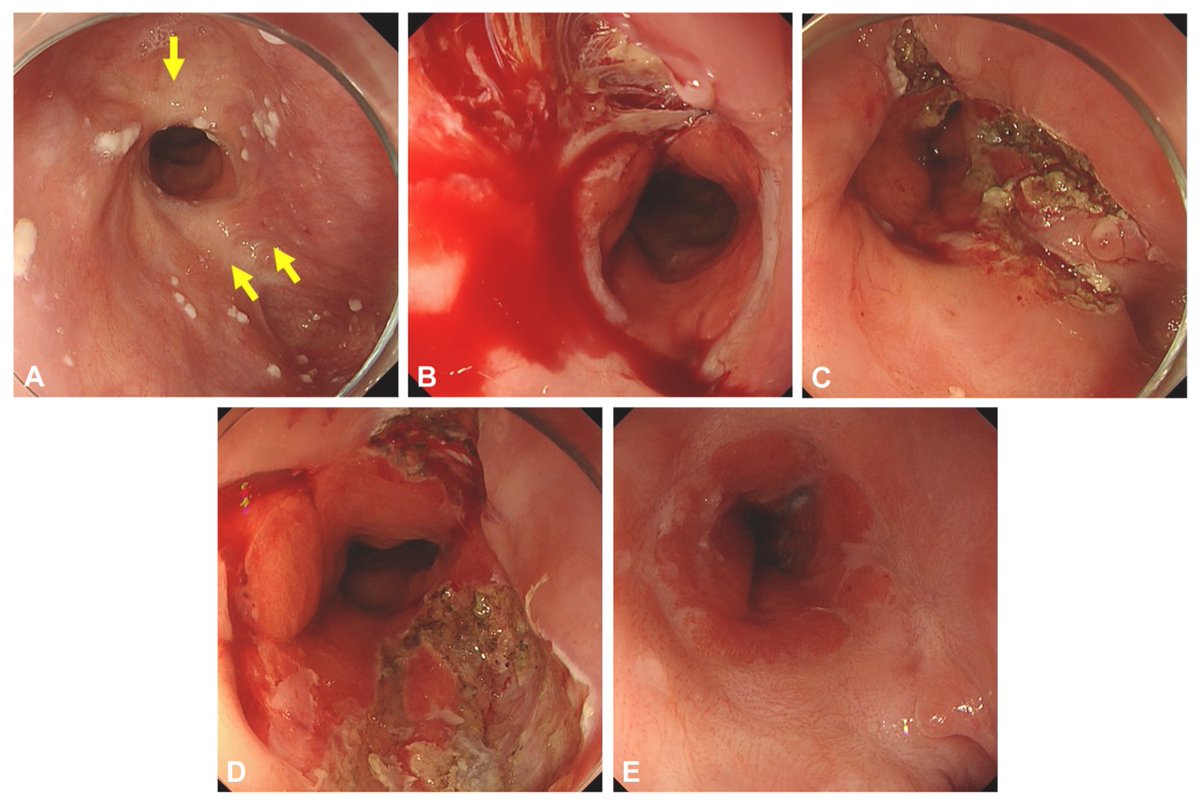
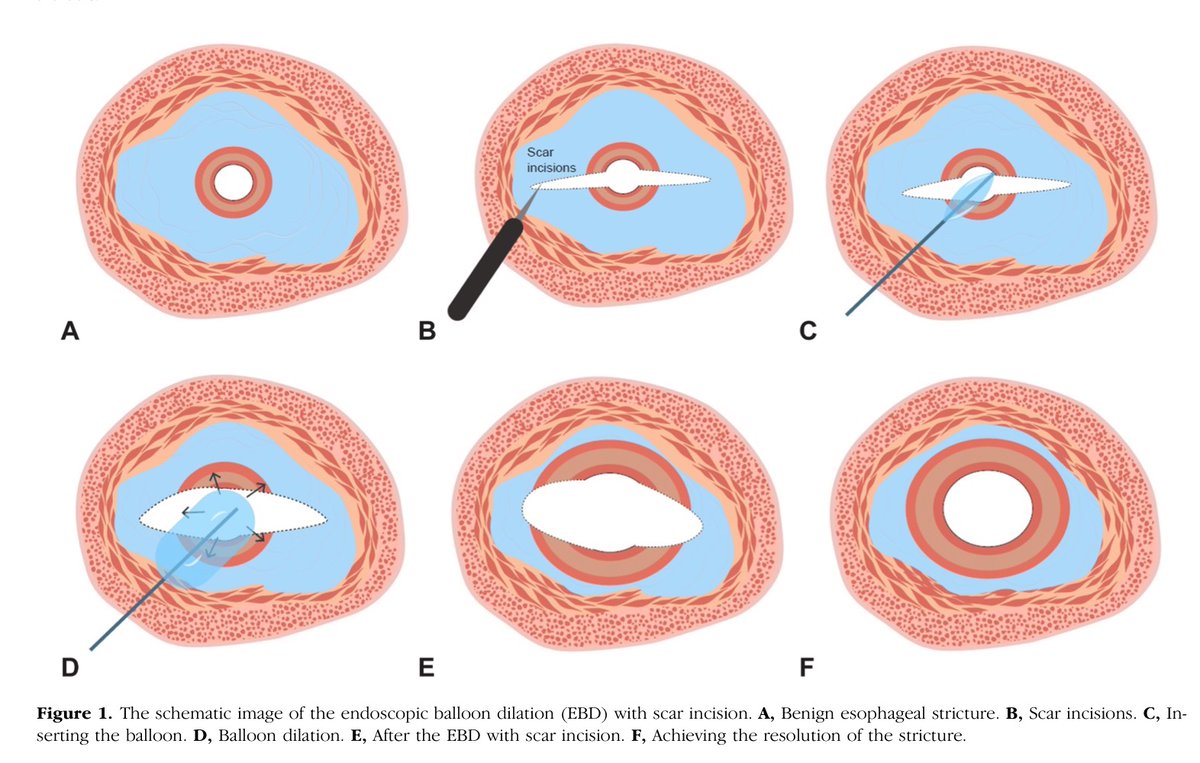
Incision of esophageal strictures for management of refractory surgical / ESD strictures : https://t.co/zrAQenPM8A
🪙Focus on the areas that are not disrupted during dilation
🪙Linear incisions for fibrotic bands
🪙Balloon dilation +/- steriod injection after
👎6 cases only
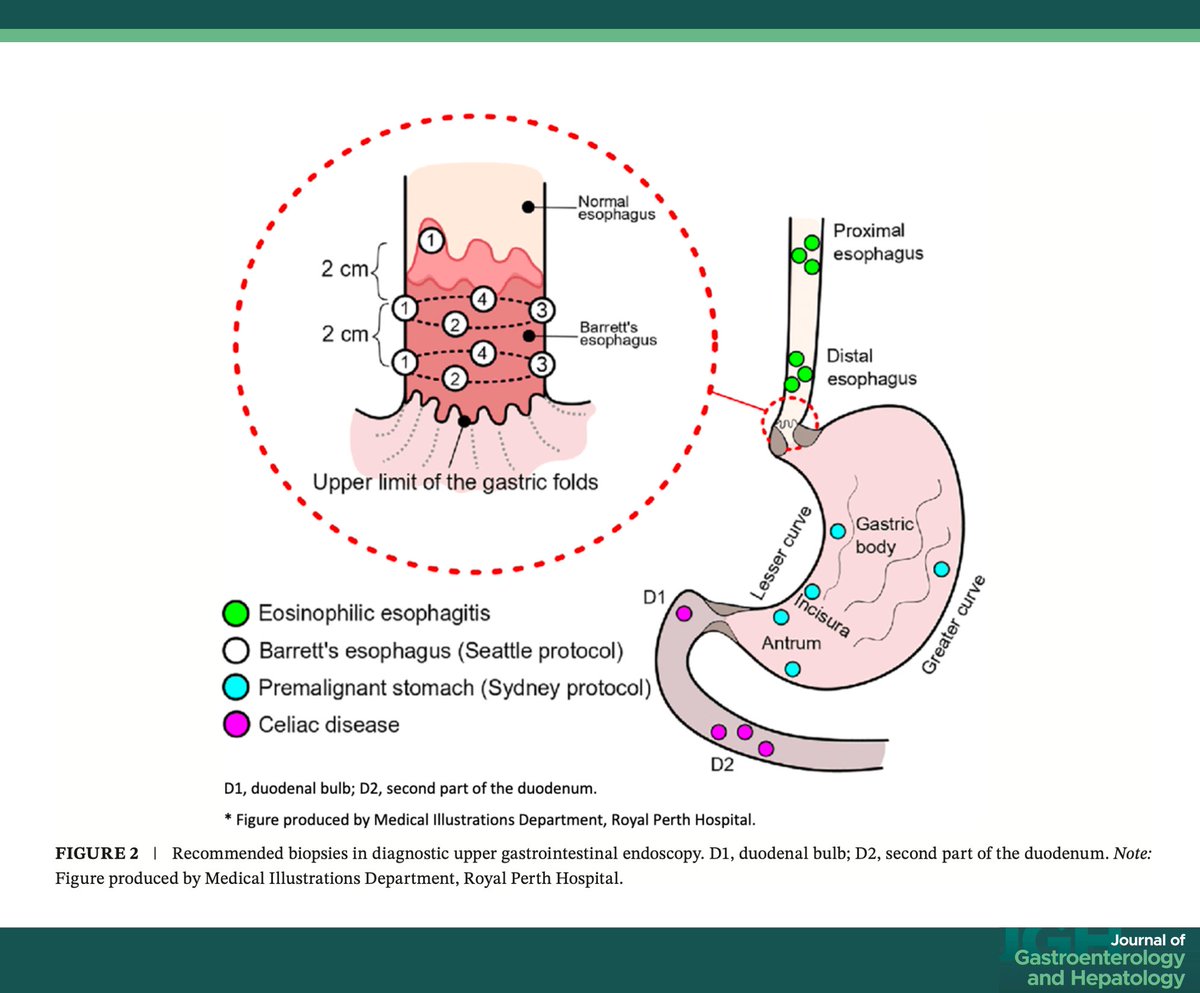
🔍 Quality standards for Upper GI Endoscopy!
Gastroenterological Society of Australia and partners release quality benchmarks to ensure safe, high-quality, and equitable care across 🇦🇺 & 🇳🇿
📄 What to biopsy, document, minimum procedure time, and more 👉 https://t.co/IfOqSdEf6K
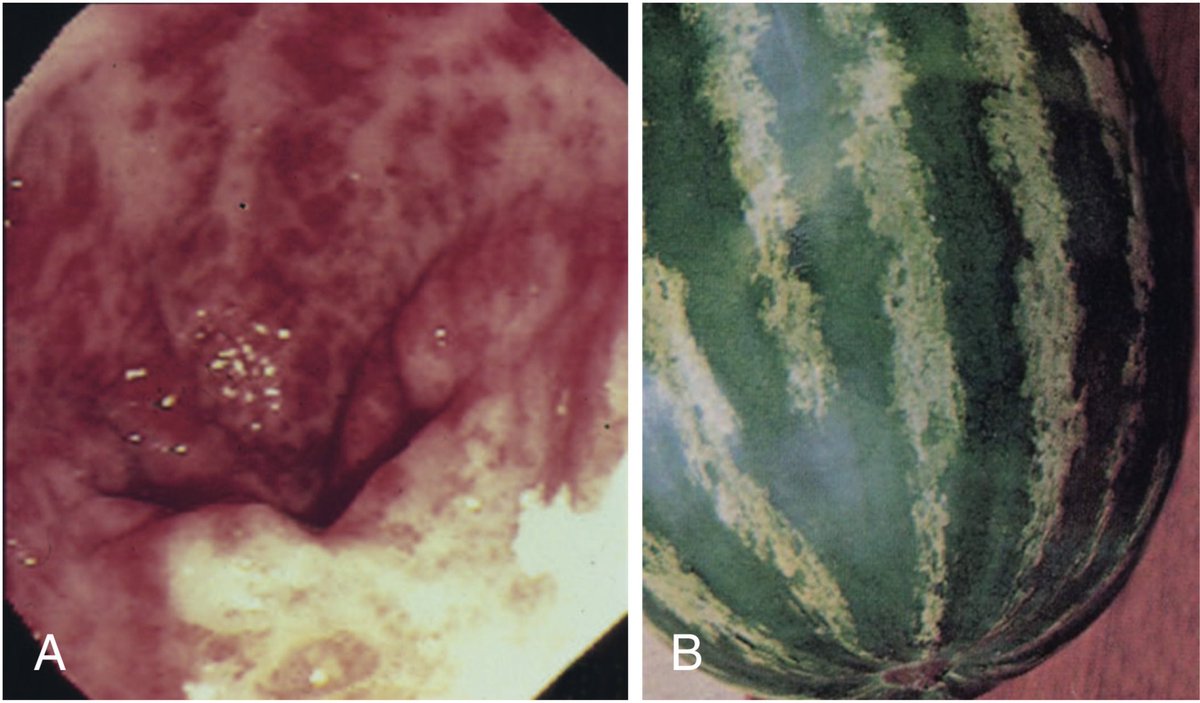
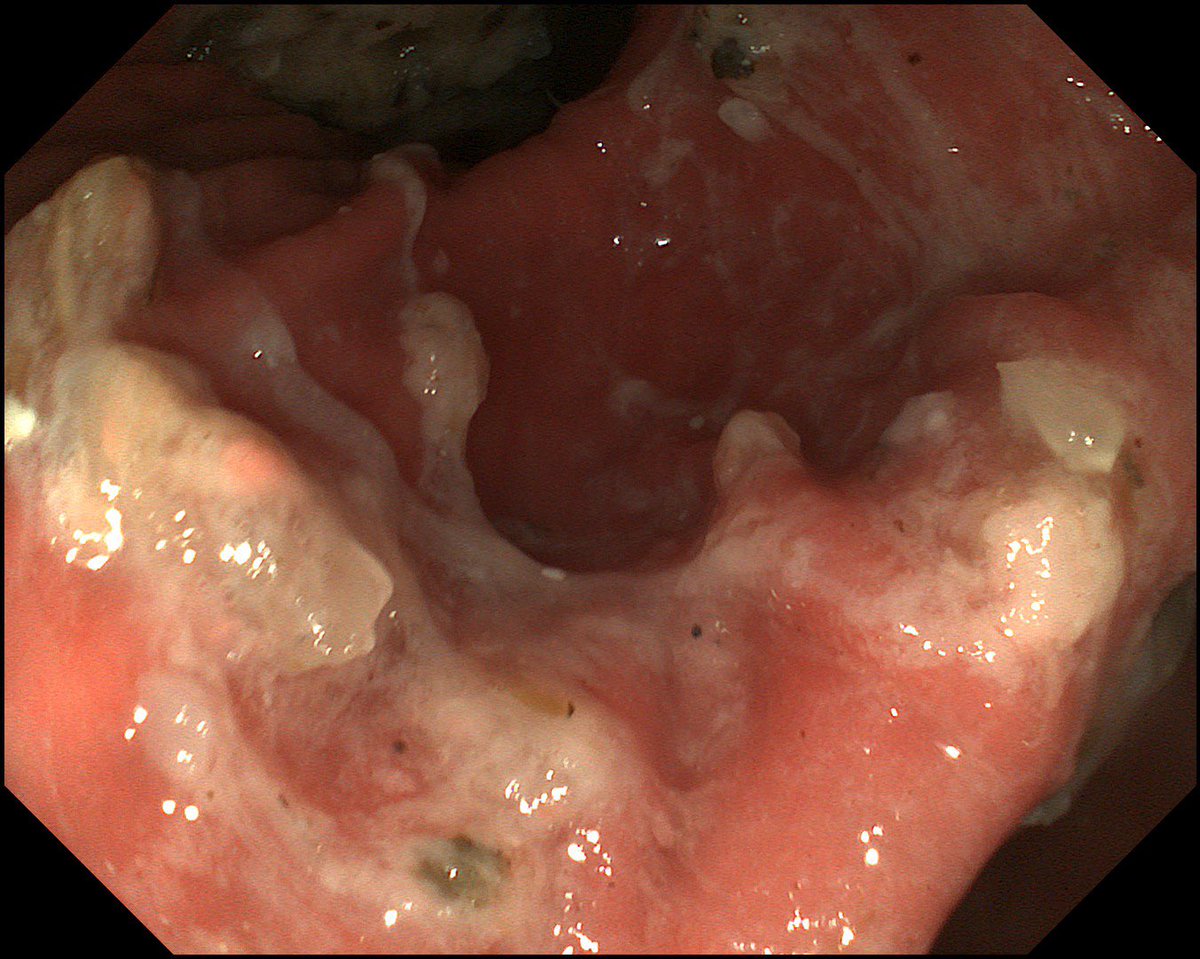
This is gastric antral vascular ectasia (GAVE), also known as watermelon stomach 🍉
This is seen in 30% of patients with cirrhosis. Other associations include CKD and scleroderma.
(Original image via @walinjom)
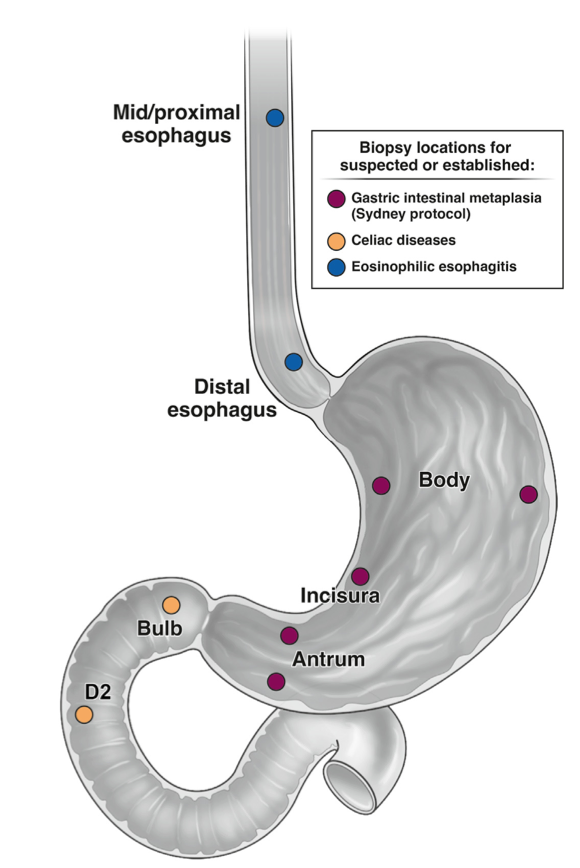
Gentle reminder to those performing upper GI endoscopy🔦
*⃣ antrum and corpus biopsies in separate jars
*⃣ EoE: at least 6 biopsies total, distal and mid/ proximal
*⃣ celiac biopsies: at least 4 + an additional 1-2 biopsy from the bulb
@AGA_CGH#GITwitter
https://t.co/uB7KVTW4ph
🧐Consenso europeo sobre laparoscopia de estadificación en cáncer gástrico (BJS, 2025): Delphi con 111 cirujanos, criterios unificados de indicación, exploración peritoneal sistemática y lavado peritoneal. Acceso abierto: https://t.co/zJHzSqClmW
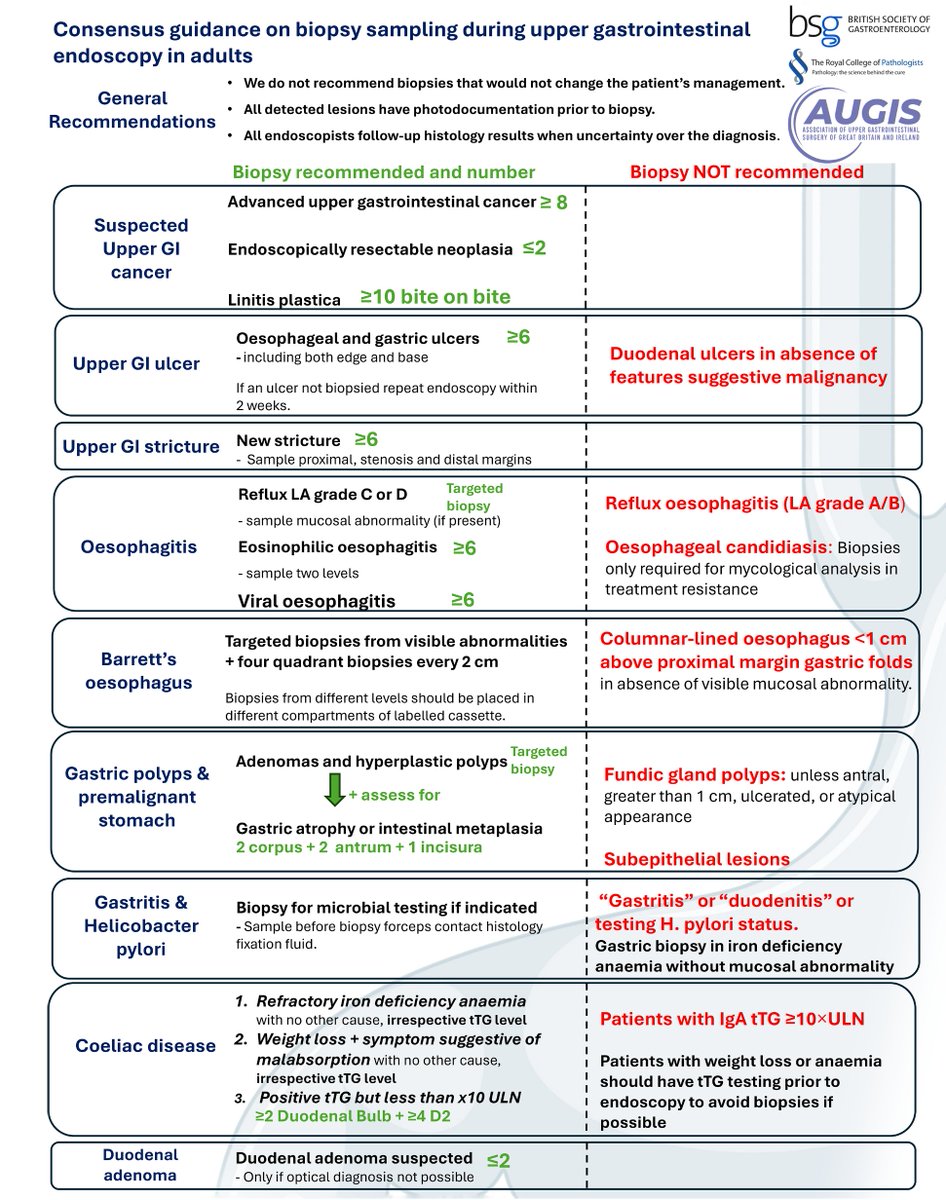
When to take biopsies and when not to in an upper gastrointestinal endoscopy, according to @BritSocGastro
Do you still biopsy subepithelial lesions?
And do you biopsy L.A. grade C/D esophagitis?
doi: 10.1136/flgastro-2025-103316
The recommendations are summarized right here 👇
🔬 Komi classification for pancreaticobiliary maljunction (PBMJ) - congenital anomaly with cancer risk.
Pancreaticobiliary maljunction (PBMJ) = abnormal union of pancreatic and bile ducts OUTSIDE the duodenal wall, forming a long common channel (>15mm). The sphincter of Oddi cannot regulate this junction, allowing pancreatic juice reflux into bile ducts.
TYPE I (Biliary-Pancreatic) → Common bile duct (CBD) joins pancreatic duct at RIGHT ANGLE. Type Ia: no common channel dilatation. Type Ib: dilated common channel.
TYPE II (Pancreatico-Biliary) → Pancreatic duct joins CBD at ACUTE ANGLE. Type IIa: no common channel dilatation. Type IIb: dilated common channel. Type IIc: complex variations with accessory ducts.
TYPE III (Complex) → Involves pancreas divisum and complex ductal arrangements. Type IIIa/b: complete pancreas divisum. Type IIIc1-3: incomplete pancreas divisum with varying complexity.
Clinical significance: PBMJ carries 15-20% lifetime risk of biliary tract cancer (mostly gallbladder cancer). Chronic pancreatic juice reflux causes epithelial injury and carcinogenesis. Risk increases with age - 0.7% in children <10 years, 14.3% in adults >20 years.
Complications: Recurrent pancreatitis, cholangitis, gallstones, choledochal cysts (50-80% of cases).
Treatment: Prophylactic flow-diversion surgery (bile duct resection + bilioenteric anastomosis) before malignant transformation. For PBMJ without biliary dilatation, at minimum prophylactic cholecystectomy.
Diagnosis: MRCP is the gold standard non-invasive imaging. Common channel >15mm length confirms diagnosis.
Proud to share our state of the art review on acute upper GI bleeding 🩸🆕
1️⃣ Management algorithm
2️⃣ Endoscopic management
3️⃣ Antithrombotic management
4️⃣ Trends over time
📸: @FrontGastro_BMJ
https://t.co/D5FEvSNSrF
Manejo de la hemorragia gastrointestinal oscura (el ACG la denomina como “oscura” después de que las endoscopias alta y baja, la videocápsula endoscópica/enteroscopia de intestino delgado y los estudios radiográficos no revelan causa).
Am J Gastroenterol 2025;120:500-503.
🚨 AI won’t replace doctors… but it can prevent them from learning how to think.
A critical article in @NEJM shows that if introduced too early in medical training, it weakens clinical reasoning.
✅ A good doctor will always need critical thinking.
N Engl J Med 2025;393:786
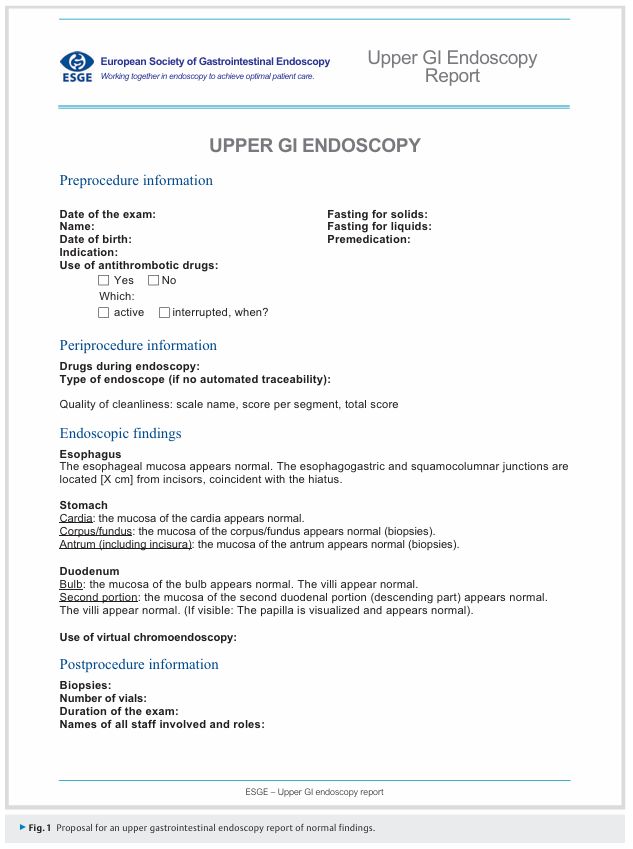
🔥🆕Just published! STAndardization of Reports (the STAR project) Upper GI endoscopy: ESGE Quality Improvement Initiative
🔗 https://t.co/FlRWKAOjxC
Thank you @endoscopyjrnl and all authors!
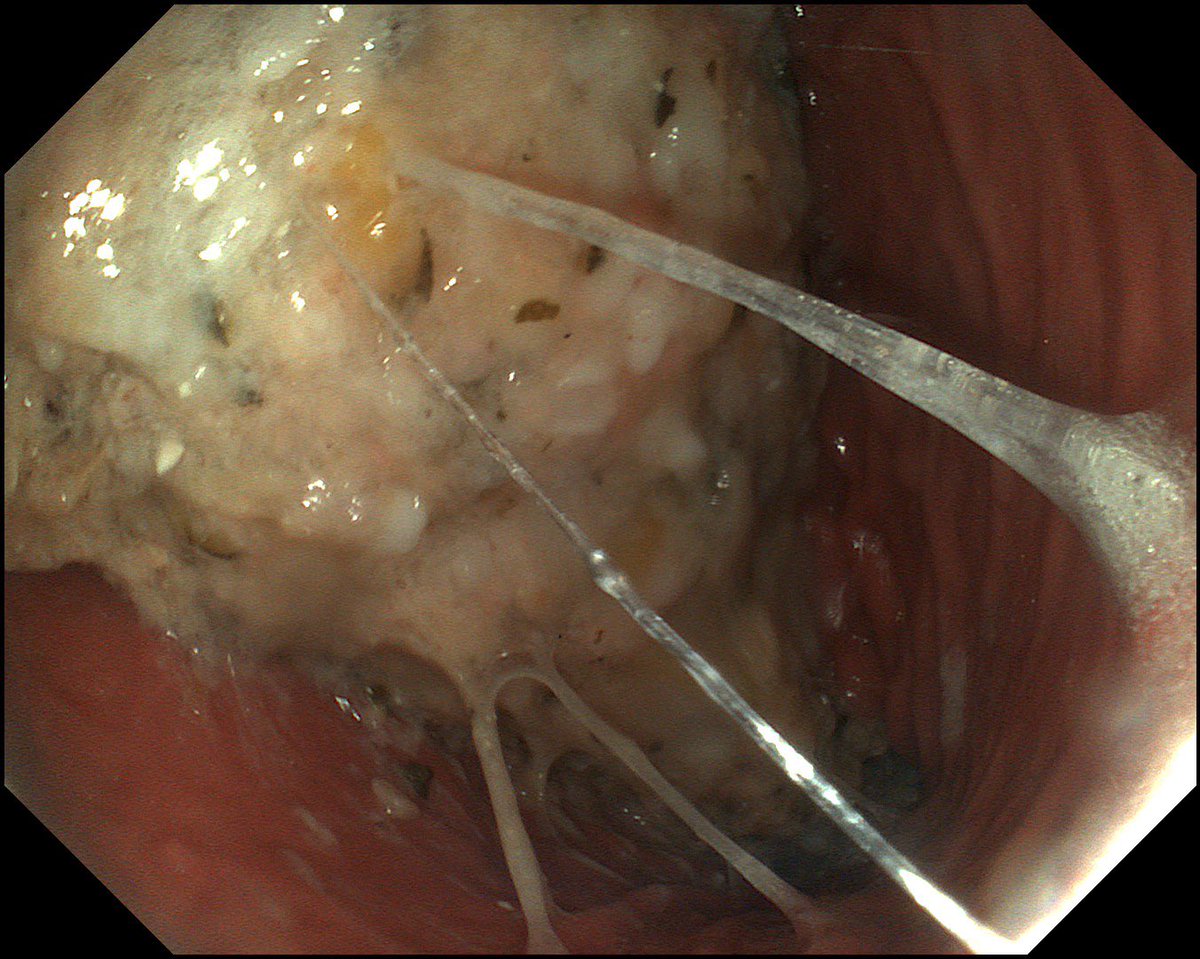
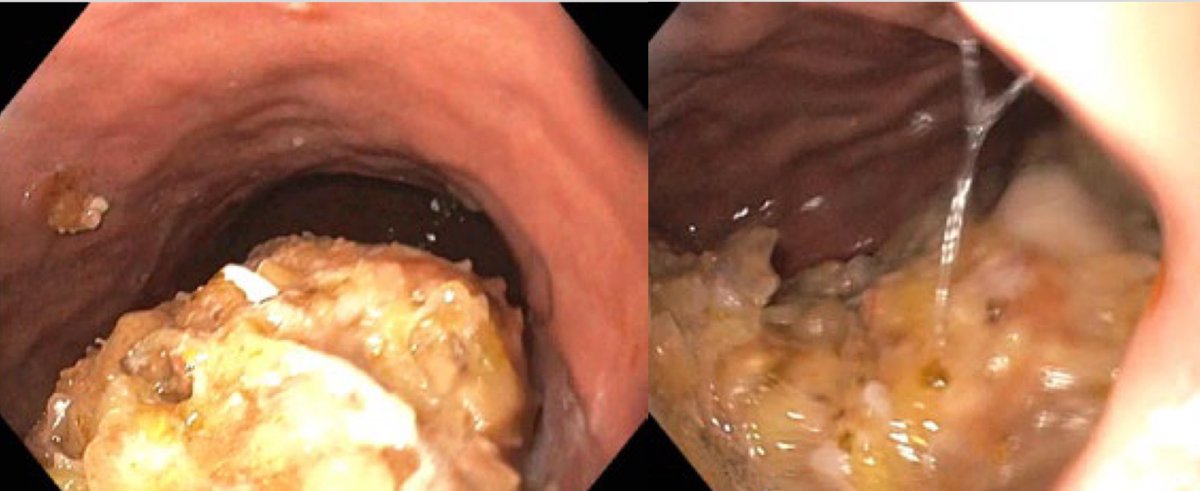
Case of a 69F who presented with abdominal pain and nausea. This was seen on endoscopy, indicating delayed gastric emptying. The patient was later found to be taking semaglutide (Ozempic) for weight loss. She was asked to stop this and her symptoms settled.
Gastroparesis can be a side effect of GLP-1 agonists - don’t forget to ask about this in patients with nausea.
https://t.co/KxoIwaf6Sv