Clouds based on outgoing longwave radiation data from NASA (sped up greatly). Data is low resolution so I added noise to break it up, hard to capture the varied look of the real thing
Zodiacal Light at orbital sunrise. This reel shows a sunrise from @ISS where the interplanetary dust in our solar system is seen as the zodiacal cloud.
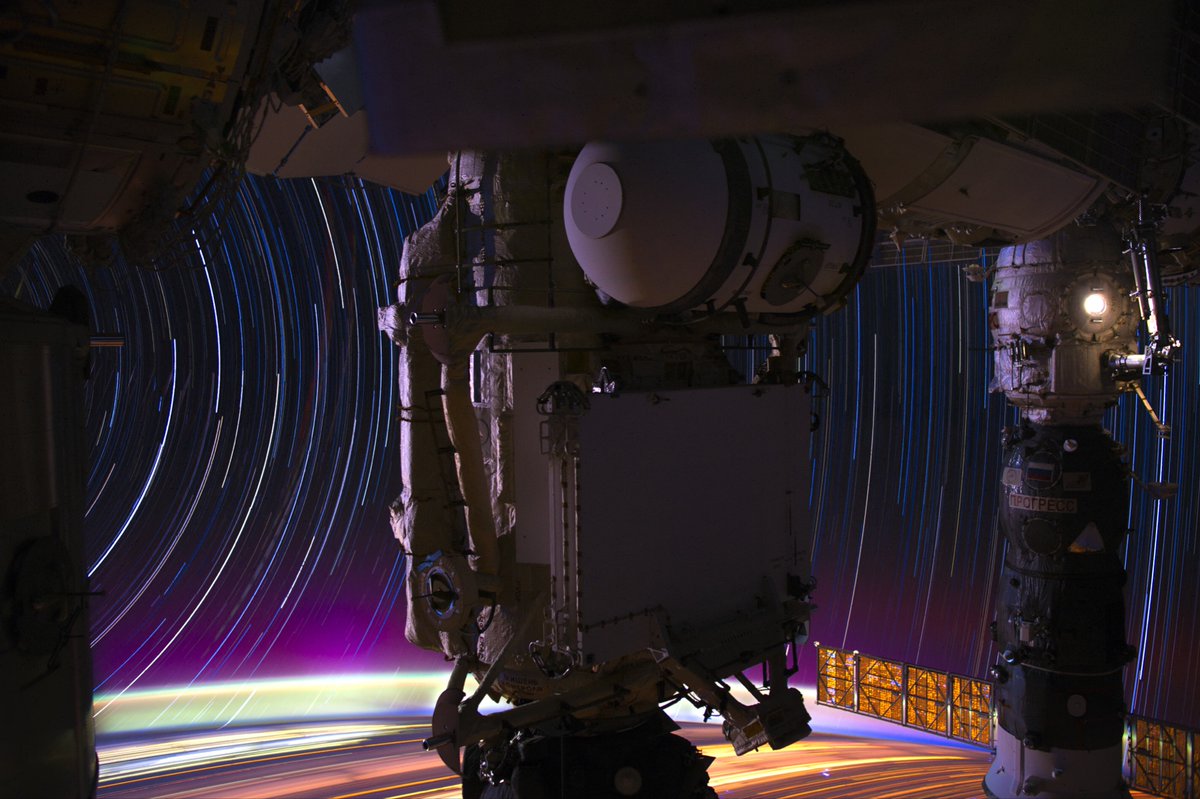
Star trail photograph from my previous mission to the @iss. This is a 28 minute time exposure composed of individual 30 second shots taken during orbital night. I call it "Purple Haze."
#astrophotography can bring out the color in the universe like little else!
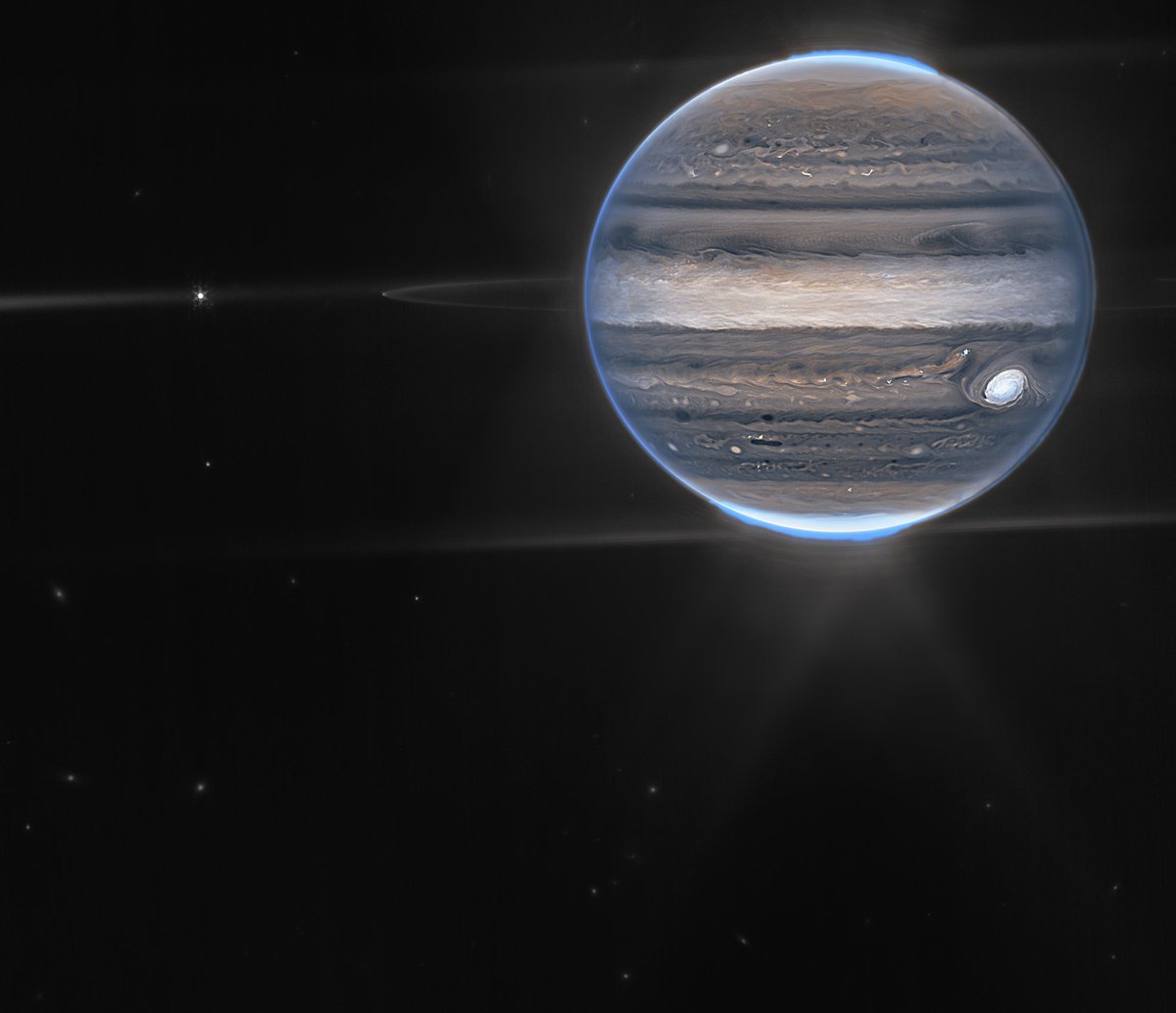
Curious about @NASAWebb’s mission to #UnfoldTheUniverse? Interested in how it will study distant worlds?
Join former Webb Project Scientist Dr. Alex Lockwood on our next episode of #AskAstrobio! Set a reminder to watch & ask questions – Aug. 25 at 2pm ET: https://t.co/VFdfQrS0kY
I ended up re-implementing gmtime (and mktime) because Microsoft's implementation starts failing around 1000 years into the future. There are more corner cases than I would have expected, but on the upside I now know everything about the Gregorian calendar...
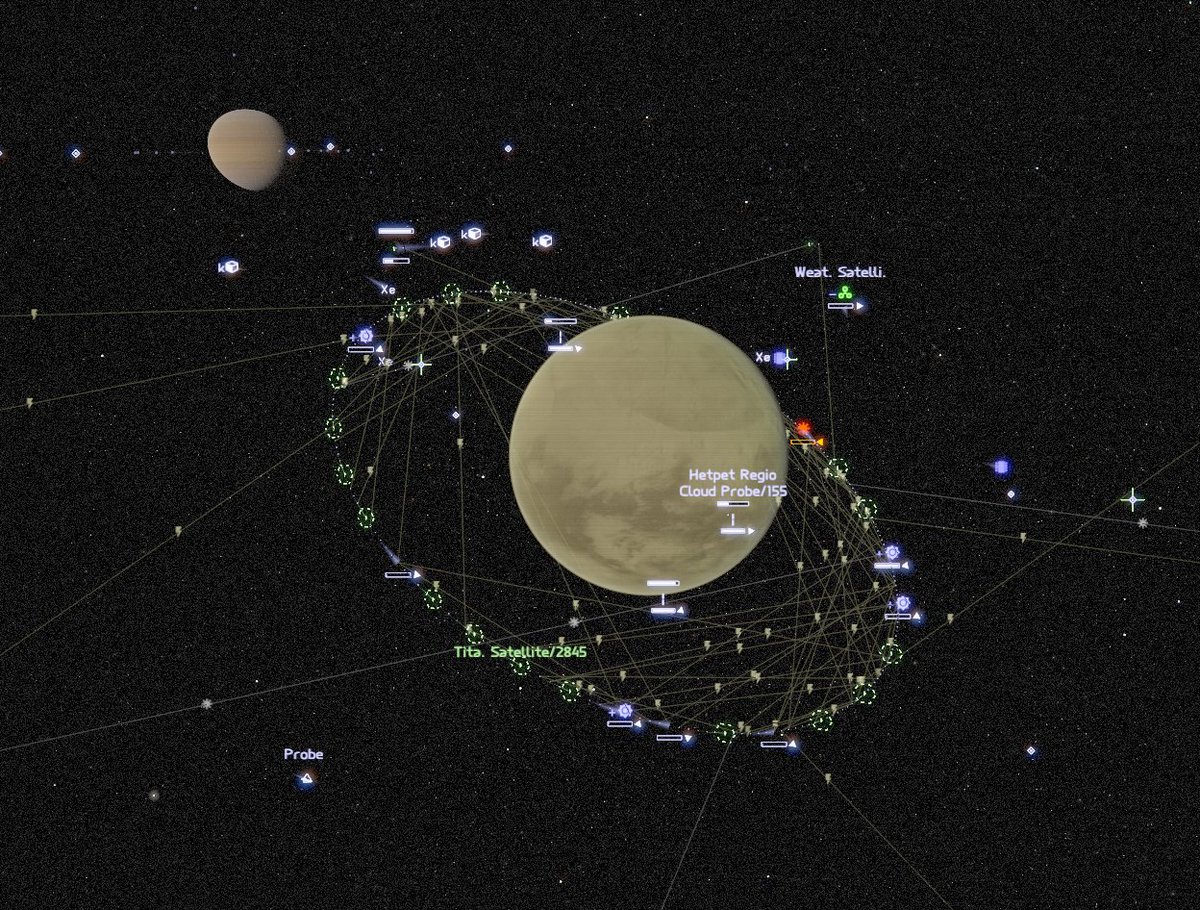
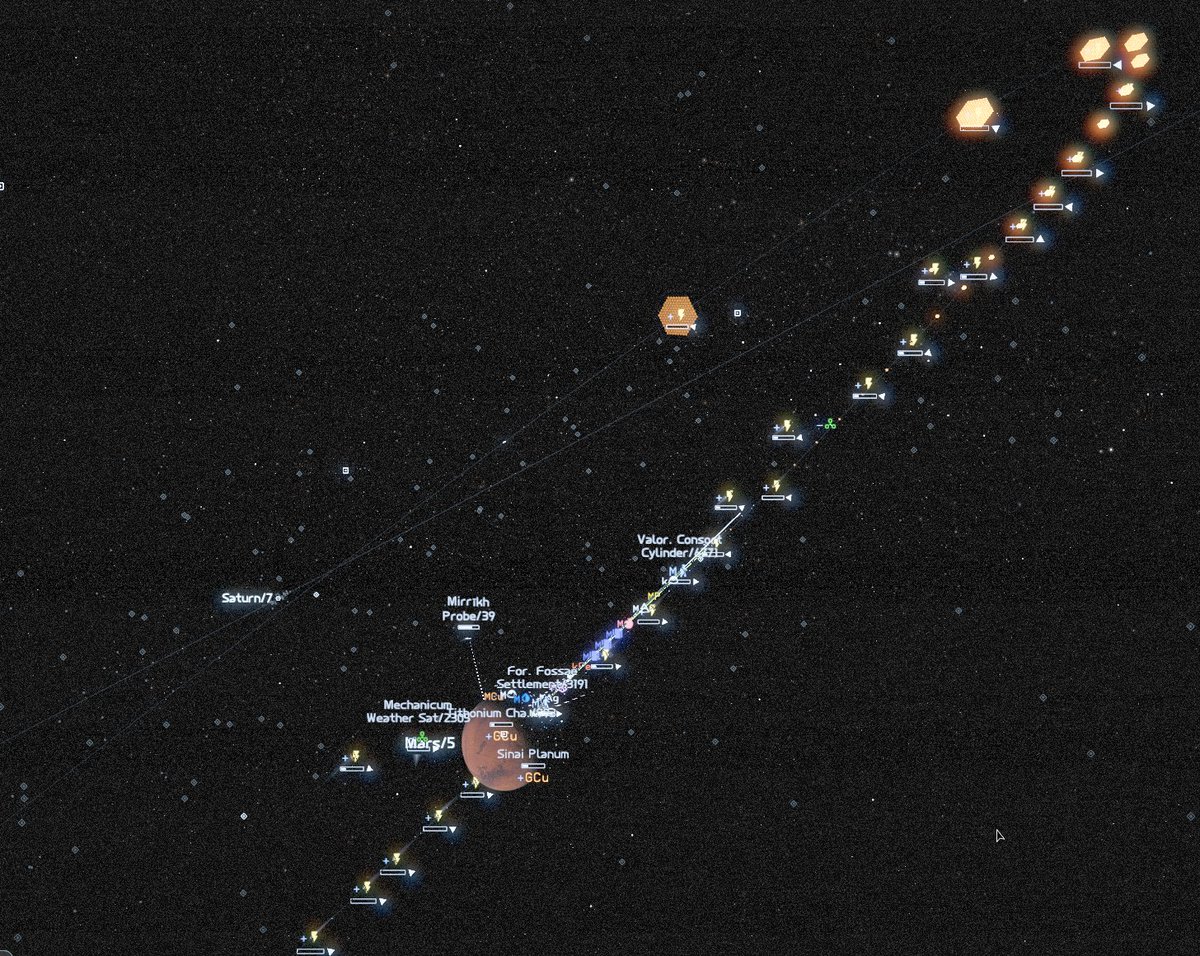
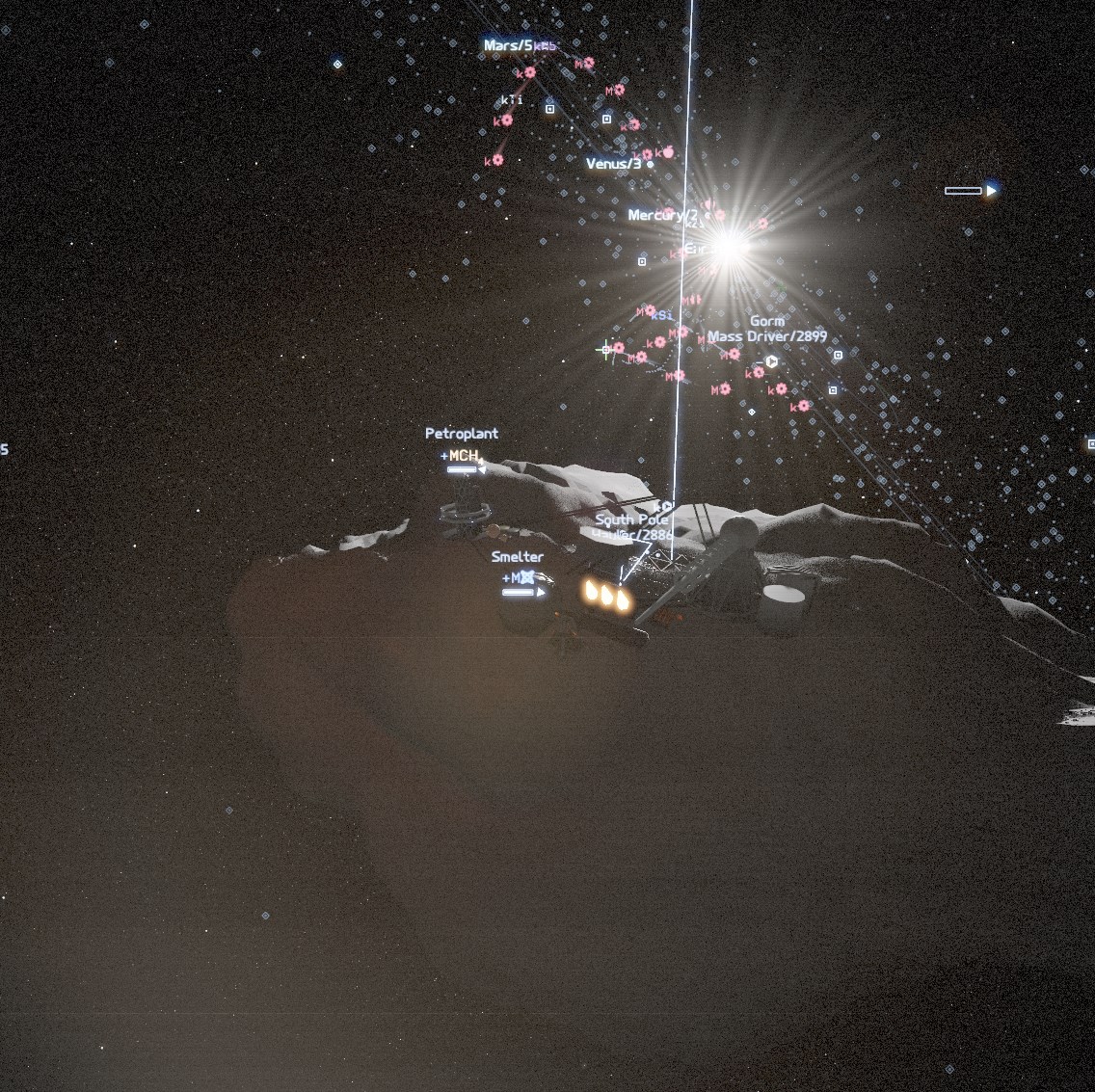
Working on orbital rings and space elevators. The power satellites around Titan are all sending each other power which is not really ideal but looks neat.