Peer-reviewed version of our study led by @AliceEseola first seen on @biorxivpreprint showing the exquisite level of control of organelle trafficking & autophagy exerted during plant infection by the blast fungus. Thanks to all co-authors.
https://t.co/ah0sCl6Aql
So proud to see this story finally out!🎉 We added new data since our previous preprint—transgenic barley plants with an engineered immune receptor that fights off two fungal pathogens at once. Short 🧵and link to the original preprint thread👇
https://t.co/e0SrTwBMvc
Effector recognition by molecular mimicry of its target by an NLR - enabling multiple disease resistance specificities to be generated- first seen on @biorxiv - great work led by @dianagdlc and @MatthewMoscou
https://t.co/uVOBPKBacH
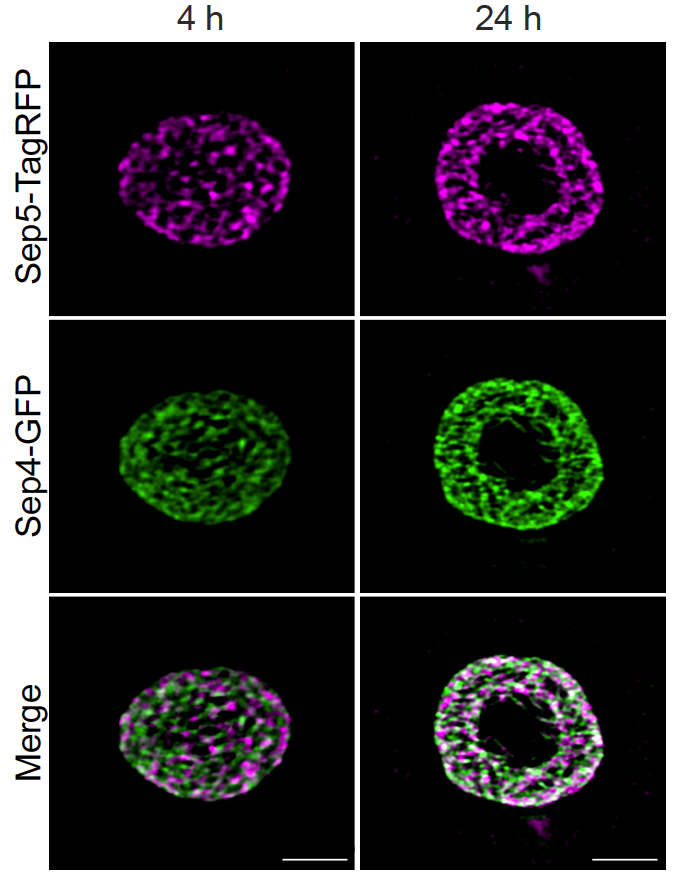
A new study from our group, led by @iris_eisermann , of the septin interactome during appressorium development, revealing many new interactors and significantly widening the biological function of septins in fungal pathogenesis. 👇 @TheSainsburyLab
New preprint out! 🚀
https://t.co/dM4eTN8Z70
We mapped how septins organise infection in the rice blast fungus—and found they are far more dynamic than previously thought.
Thread 👇
#FungalPathogenesis#CellBiology#septins
Thrilled to share that I recently got a position of an Assistant Professor/SciLifeLab Fellow at Stockholm University, where I will continue my work on #lichen symbiosis. The lab opens in April 2026, and if you are interested in joining please get in touch! #newPI
🚨Preprint alert v.2🚨🤩
I am super excited to share the preprint of another of my PhD chapters in #Zymoseptoria on BioRxiv:
"Interspecies hybridization as a route of accessory chromosome origin in fungal species infecting wild grasses"🧵👇(1/8)
https://t.co/n21hmxoc8L
Our very own @mariselagarduno presenting her new findings and really cool microscopy 🔬about eisosomes in Magnaporthe oryzae @talbotlabTSL at Molecular Biology of Fungi in Kiel
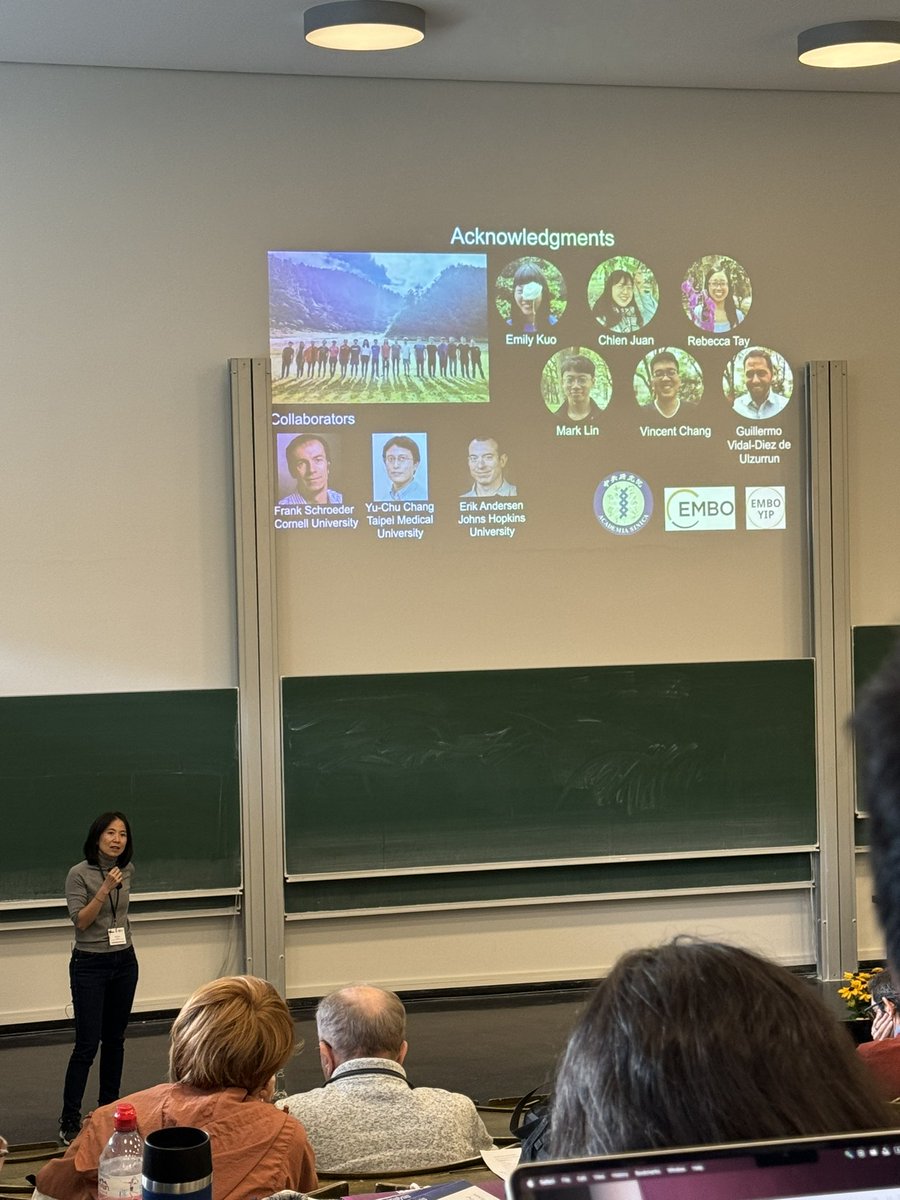
Great talk from @dianagdlc, not only showing how AF2 can be leveraged to guide the engineering of NLR receptor LRR domains, but also outlining new concepts in plant immune receptor evolution such as molecular mimicry. https://t.co/b33HNq1zrD