Criminology has largely been captured by, for lack of a better term, cultural Marxists, but there is still some good research. And one of the most important findings is that the certainty of punishment matters far more as a deterrent than its severity.
There is also good reason to believe the timeliness of punishment matters, particularly when dealing with repeat violent offenders with lower cognitive ability and poor impulse control. Research has found that offenders, particularly those with lower cognitive ability, are more likely to discount future consequences.
If a violent criminal who likely has lower cognitive ability and poor impulse control is arrested and bailed, and won’t be back in court for months or even years, why are we surprised when they reoffend?
Maybe they try to stay out of trouble for a few months, but eventually they fall back into their old ways. They get arrested again, bailed again, and perhaps their previous charges are dropped or downgraded. This happens again and again. The consequences of their actions never come, or are so distant they may as well never come, and so the offending continues.
If they are going to be arrested, prosecuted and imprisoned, it is better that happens as soon as possible rather than being dragged out over years, even if they eventually get a long sentence years after their offending.
And even if faster punishment doesn’t make them less likely to reoffend once released, they can’t be out committing more violent crimes while they’re in prison, can they?
We can spend all day talking about trauma and disadvantage, but that doesn’t change what we know about criminal behaviour and deterrence.
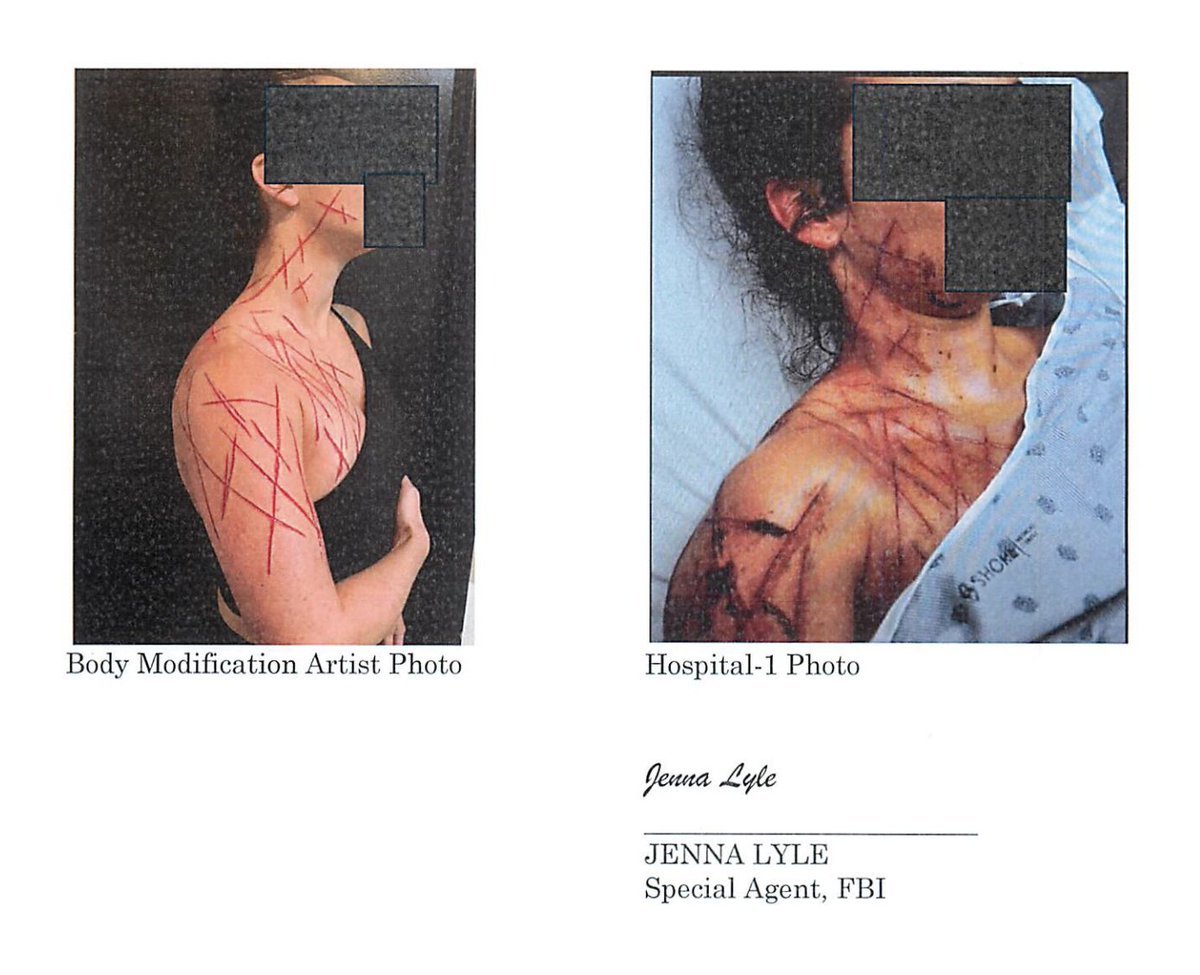
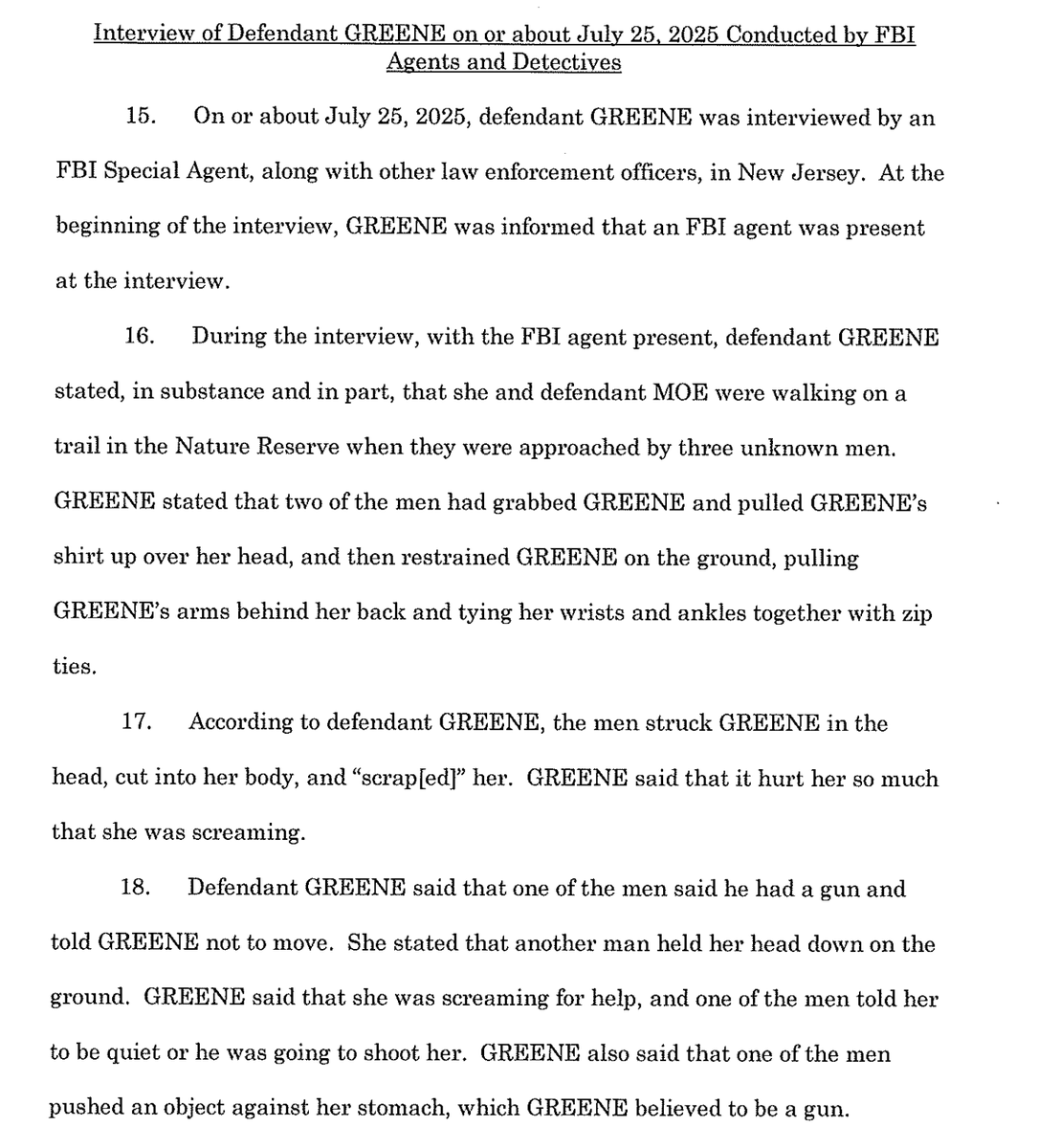
Two women were just federally indicted for allegedly staging a fake, politically-motivated attack in which they claimed three men accosted them in a New Jersey nature preserve, called them racist, inked "Trump Whore" on one of their stomaches, etc. Very disturbing hoax, if true
The @nytimes published yet another deceptive hit piece targeting HHS last week under the lurid headline: “This Cancer Kills Children in a Year. Research Has Been Stalled for a Year.”
The article implies that Trump administration officials are terminating pediatric cancer research and omits key facts about the administration’s continued funding and support for that work.
First, the Biden administration, in its final days—not the Trump administration—decided to end the grant to the Pediatric Brain Tumor Consortium (PBTC), a program that ran early-stage clinical trials for children with brain tumors.
Furthermore, the Trump administration has taken steps to make sure that this decision did not end the National Cancer Institute’s commitment to children with brain tumors as the Times suggests.
Instead, HHS moved this very important work to the much larger Pediatric Early Phase Clinical Trials Network (PEP-CTN), an expanded network of research hospitals that run early-stage trials.
NCI did what it takes to expand research on pediatric tumors by putting more funding, more expertise, and more institutions (42 instead of 16) behind this research.
The numbers the Times left out of its article are a critical part of the story. NCI now directs the consortium’s roughly $4 million in annual funding to the network, adding to the network’s existing budget.
That puts the network’s committed annual funding at nearly $7.5 million—approximately $4.1 million ABOVE its prior committed level. Nearly $7.5 million annually is also planned for the following two grant years. This was a strategic decision, not a cost-cutting measure.
That money supports the expertise, staff, and clinical trial sites needed to do the work. It is an investment in pediatric cancer research, not a withdrawal from it.
A grant ending is not a research commitment ending. The Times should correct its story. Patients and families deserve the complete facts.
If a large university cannot produce a singular alumnus capable of filling a position for which it has posted an H-1B sponsorship, its accreditation needs to be stripped. It is defrauding its students.
Here’s the bottom line—because Donald Trump endorsed his primary opponent, John Cornyn is willing to turn a lifetime judicial appointment over to a pro-abortion Democrat.
That’s it. That’s the bottom line. There’s nothing principled about it.
It’s been my experience that the overwhelming majority of America’s historic museums have gone Woke. This afternoon I visited the Mark Twain House in Hartford. No exception.
Admission is $31, but only $3 with EBT/SNAP. One tour rule prohibits “hate speech” and “attire.” I wondered what exactly that means. 🤡
The “living history” tour is told in the first person by a servant girl. To her credit, the guide wasn’t overtly ideological, but much of the story focused on her status and oppression.
I asked whether a servant girl would really have known much about her master’s life and stories. She admitted probably not. That’s the point: the story is deliberately told through the lens of the “oppressed.”
The Long March Through the Institutions has reached its destination. We lost the schools, media, Hollywood—and now our museums and historic narrative.
@MattyBoySwag143@xwanyex Sure they can. They can use the leftwing UN Human Rights metrics. The idea that it isn’t superior to be civilized rather than uncivilized is commie anti-science slop.