@SpaceX "You can also watch the webcast on the X TV app"
The @X TV app no longer exists. @nikitabier, please communicate this fact to the @SpaceX team. @gleesonjm, please just broadcast it on @YouTube again for those of us who want to watch it on a big screen. @x doesn't support cast.
Reporter: Do any of you have a favorite animal?
Child: My favorite one is a gold snake that can move. It has gold eyes, and it has a super-duper tail…
Reporter: Mr. Mamdani, the second question for you.
Mamdani: Yes. It’s also the golden snake.
🚨 WAYMO ADMITS USING REMOTE OPERATORS IN THE PHILIPPINES FOR U.S. VEHICLES - TESLA SAYS “NO ONE HAS EVER BEEN ABLE TO TAKE OVER CONTROL OF OUR VEHICLES.”
During a U.S. Senate hearing, Waymo confirmed that human operators located in the Philippines can remotely intervene when its vehicles encounter problems on American roads.
That means in certain situations, a split-second driving decision isn’t being made by the car - it’s being influenced by a human thousands of miles away.
Senators openly warned about cybersecurity risks, delayed reaction times, and the implications of foreign operators interacting with vehicles moving through U.S. cities in real time.
Then Tesla testified.
Tesla stated its driving controls are physically isolated, cannot be accessed remotely, firmware updates require dual cryptographic approval, and that no hacker has ever taken control of a Tesla vehicle - despite years of paid hacking attempts.
Same hearing.
Same risks.
Two radically different systems.
Why does an “autonomous” car need a human in another country anywhere near the decision chain?
There is so much misinformation around owning EVs, especially Teslas.
• No, you don’t get range anxiety. With a wall connector at home, you wake up to a “full tank” every day.
• Tesla batteries are engineered for longevity, typically lasting 300,000–500,000 miles.
• A Tesla is ~8x less likely to catch fire than a gasoline vehicle.
• On road trips, Tesla Superchargers are conveniently placed along your route in locations where you can eat, shop, and rest.
• Average charging stops take 20–30 minutes. You do not charge to 100% every time.
• The average price per kWh in the US is $0.18. Charging a Model 3 Premium RWD costs only $14.70 for over 360 miles of range. (Can be way less in some states)
• Tesla vehicles are among the best to drive in winter. Heat pumps warm the cabin quickly and efficiently, while instant torque and traction control provide excellent grip.
• Tesla FSD can drive you from point A to point B anywhere in the US, including cross-country.
• The only maintenance typically required is cabin air filters, tires, and windshield fluid.
• New battery replacements start as low as $12,500 for Model 3 RWD models—not “$30–40K” as some claim. Battery cost is similar to (or less than) an engine replacement, but with FAR less labor.
• EV brakes can last over 200,000 miles due to regenerative braking.
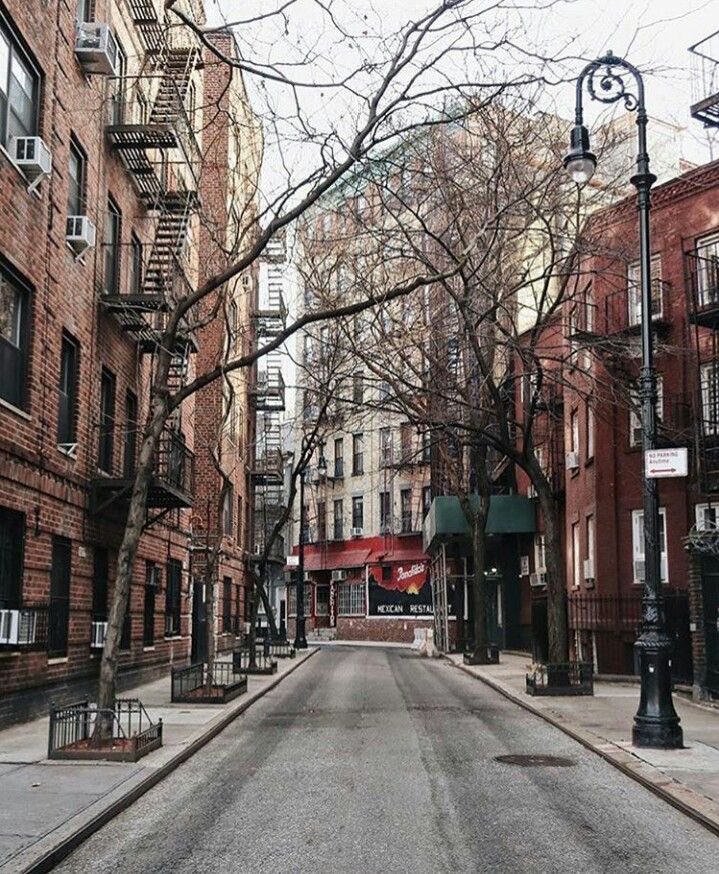
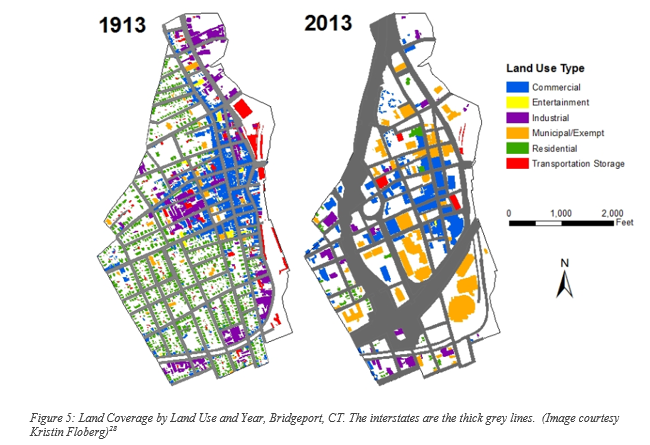
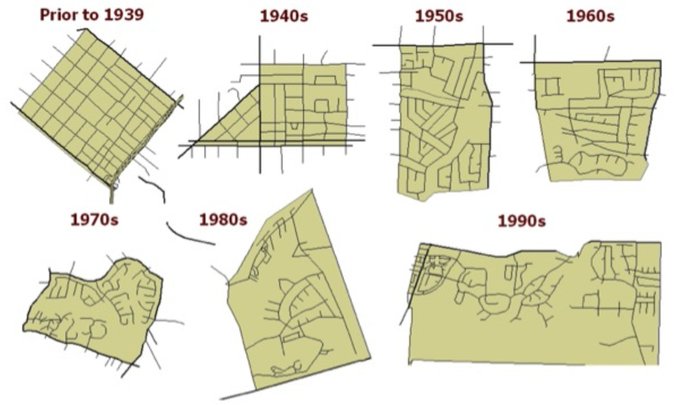
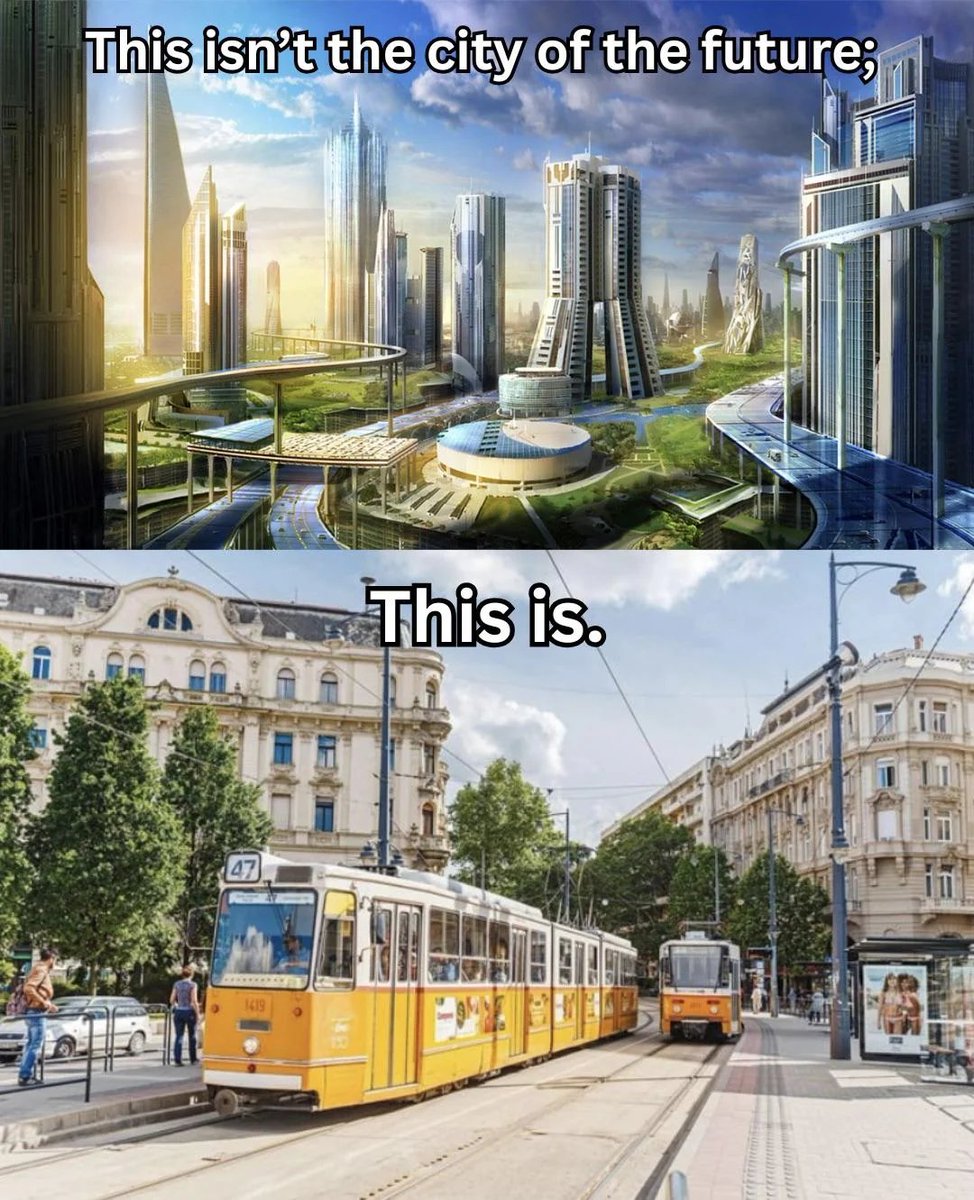
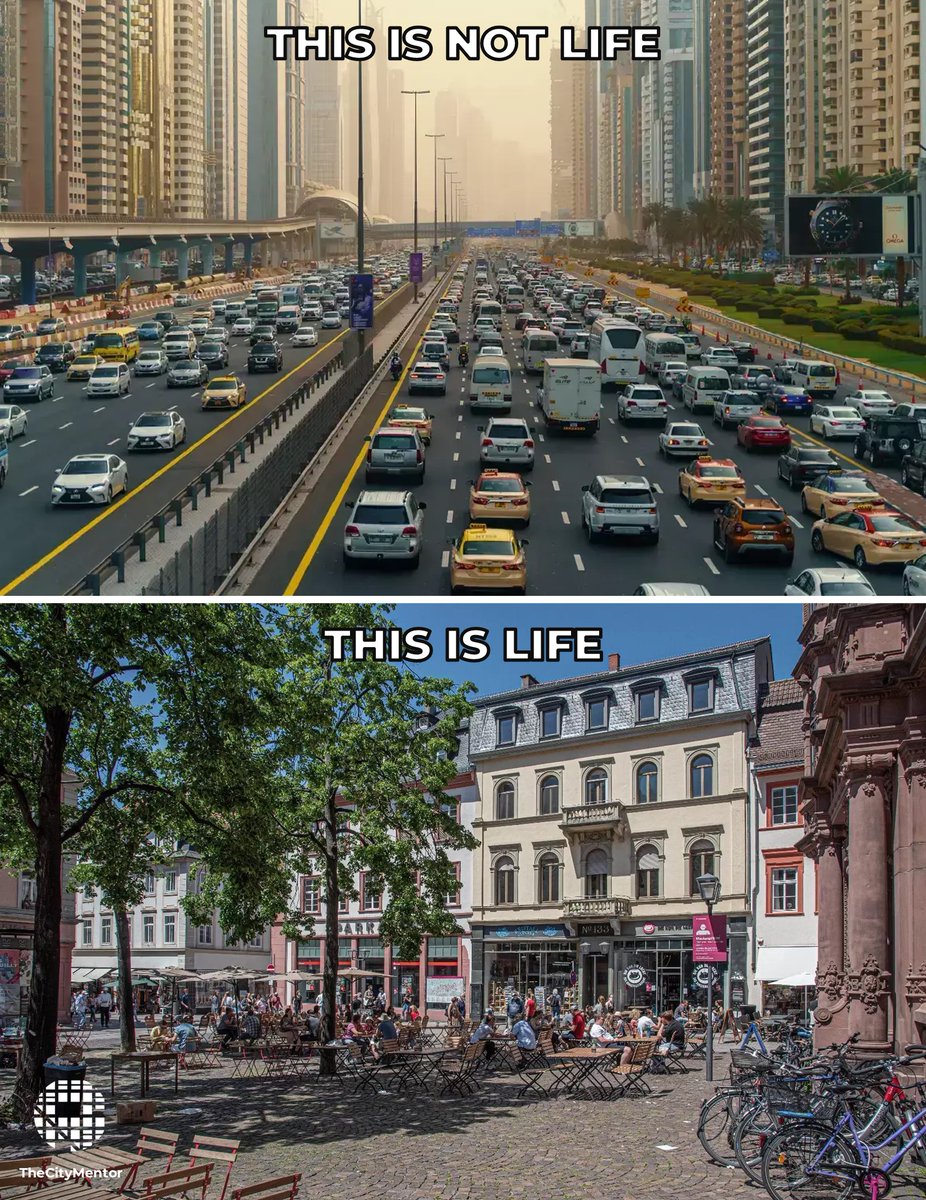
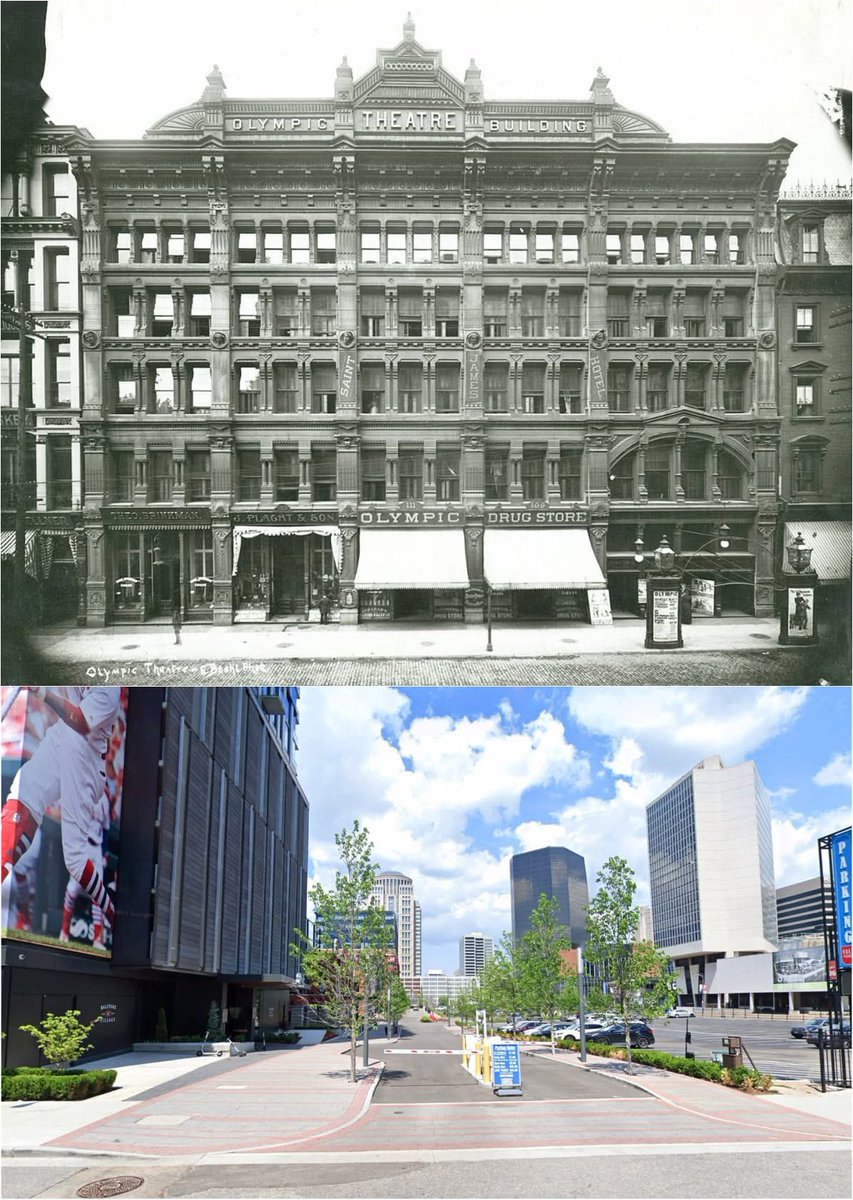
In so many ways the world has got better over the last century. We live longer. We travel more widely, visit more places, know more people. And yet we have scooped out the life, love & neighbourliness from our cities for parking lots & driving architecture. It was a bad deal.
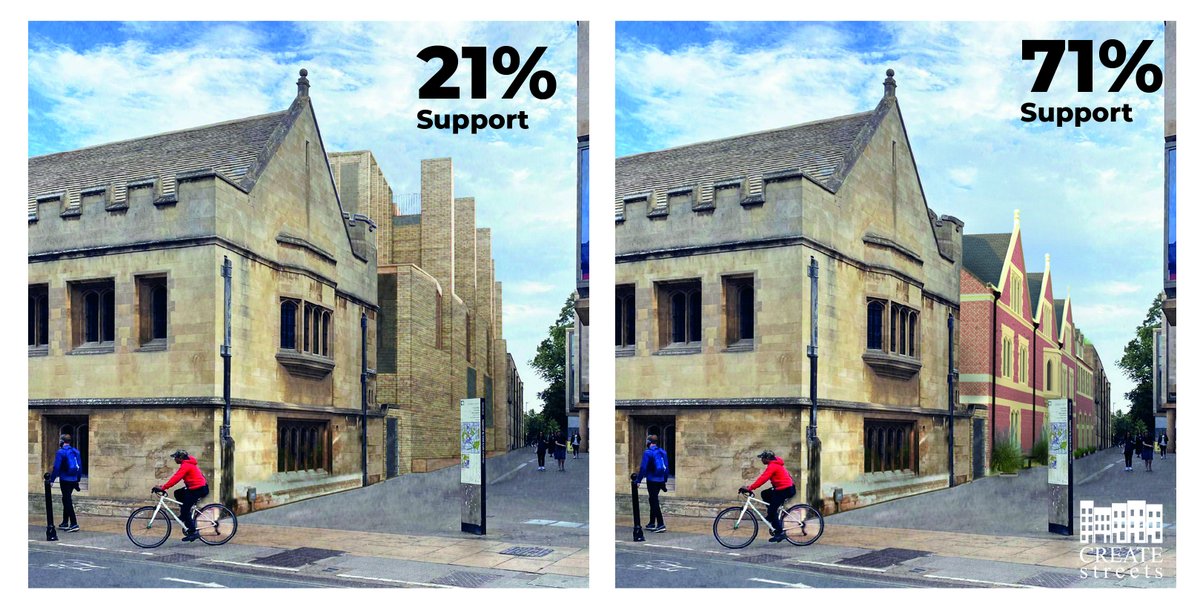
🧵 CAMBRIDGE: New data. Clear preferences. The public want buildings that fit in, not stick out.
A new poll by @DeltapollUK for @createstreets finds 71% of Britons prefer a traditional alternative to the current design for the Christ’s College library.
Here’s why it matters ⬇️
Luxury high rises never depreciate into affordable housing because the capital costs of operating, maintaining, and renovating the large structures are too great.
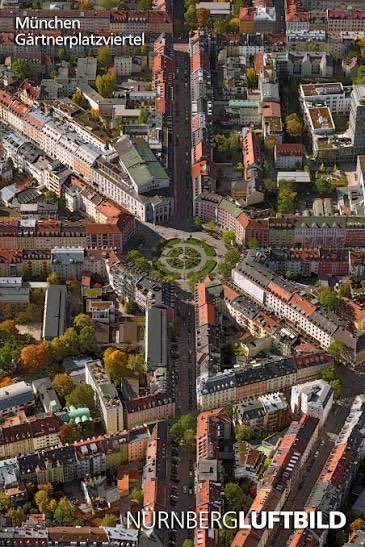
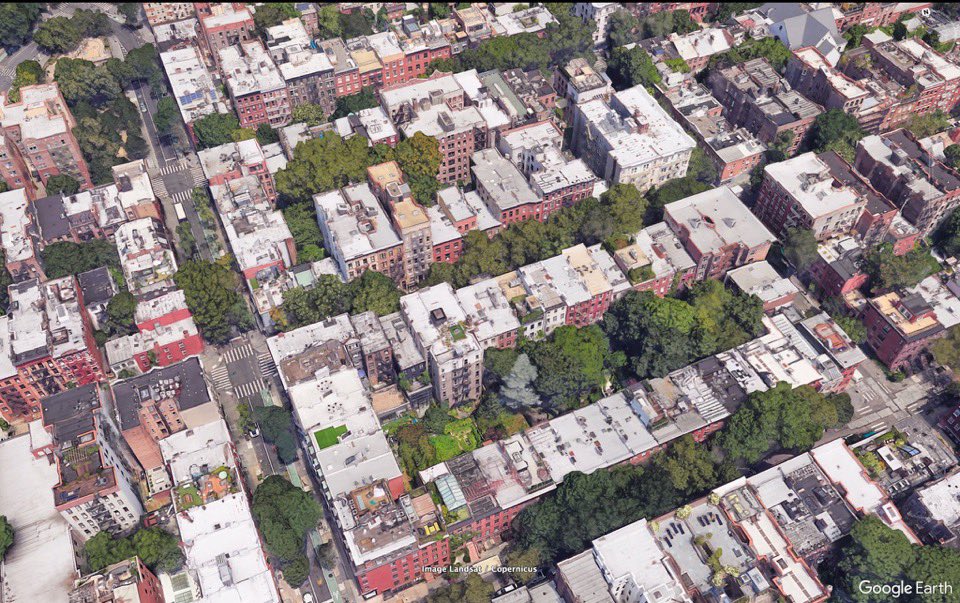
This is why density VIA many small multifamily is preferable to density via few large multifamily.
Compare the HOA costs for an old 8 unit in your neighborhood with HOA costs for an old luxury tower if you have any doubts
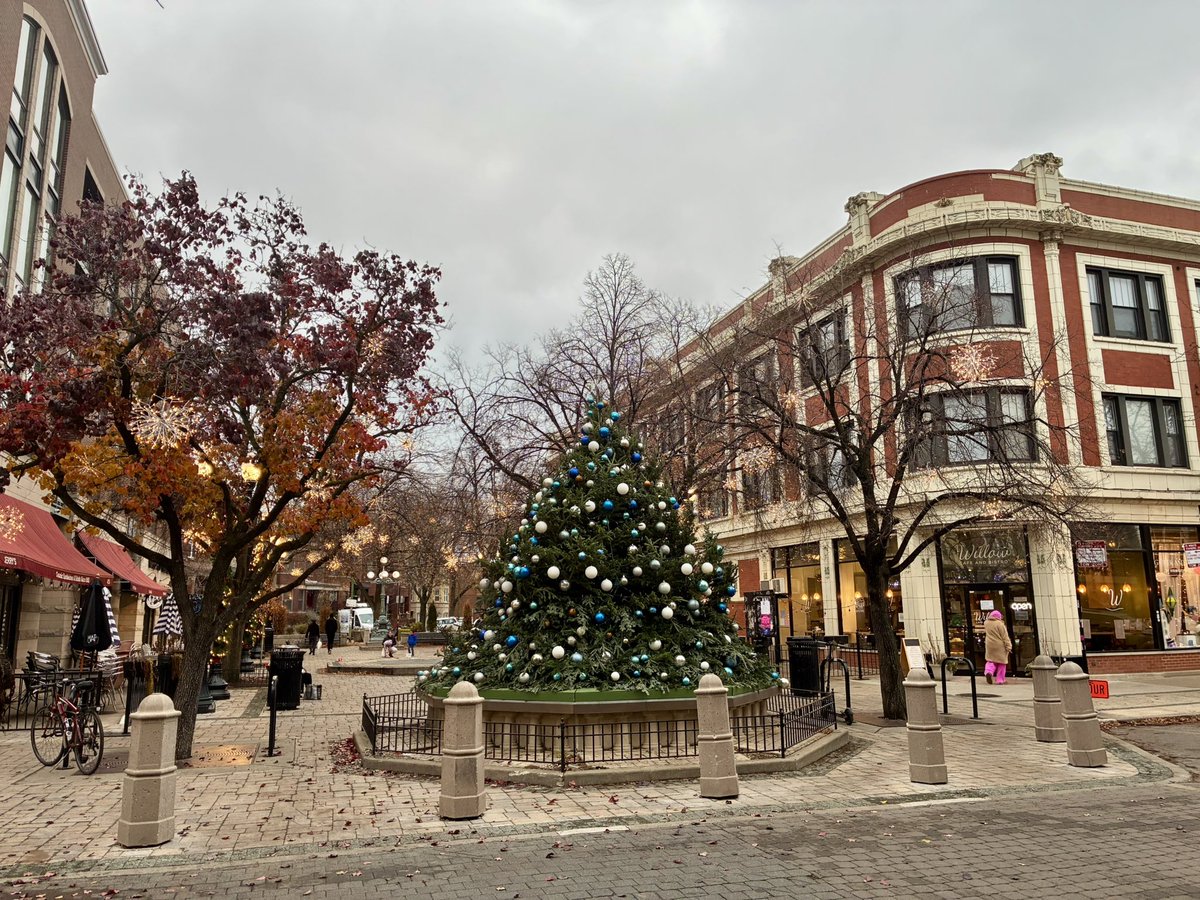
People would be less upset about the luxury high rises if cities were also planning more small multifamily neighborhoods … like the pre-war neighborhoods that everyone celebrates still for livability
A good discussion: but it's missing a key point, especially when it gets to the end where they talk about "profit maximizing decisions" ... the short term incentives of capital are NOT aligned to make things beautiful
Developers operate inside financial systems that demand fast, modelable returns: 7- to 10-year fund cycles, rigid IRR hurdles, and compensation schemes tied to these short term milestones. Beauty, durability, and long-term design simply don’t pencil under those horizons.
The payoff for craftsmanship shows up in Year 20, not Year 3, which means it’s invisible to lenders and impossible for fund managers to underwrite (or it's rational for them to ignore). So the system optimizes for a quick exit, not a 100-year legacy.
This is why billions flow into cosmetic “value-add” renovations of 1980's apartments or starchitect ultra-luxury condos for the ultra-rich. The returns on "aesthetics" in those investments hit the spreadsheet immediately. But when the goal is to create something timeless, an asset meant to be owned or operated for decades, the benefits are hard to quantify, hard to securitize, and hard to reward.
(Even billionaires who want to build well still rely on builders, executives, and partners who nearly all have compensation tied to maximize short-term multiples, not long-term value)
Call it “spiritual rot” ... but it’s really just institutional short-termism. The people making decisions about buildings have time horizons measured in fund cycles, while the buildings themselves last 75 years.
Until the incentives change toward perpetual ownership, family-office capital, and structures that reward staying power, we’ll keep getting disposable architecture instead of places worth loving. @Cobylefko@AustinTunnell@brando_beck