#LossandDamage to be at core of new climate finance regime: @IIASA & @CmccClimate show rationale and how much funding needed: $130-940 billion in 2025 alone. On top of IIASA estimated money for mitigation (>$600 billion), and adaptation (~$360 billion). https://t.co/p0lL2gq7r5
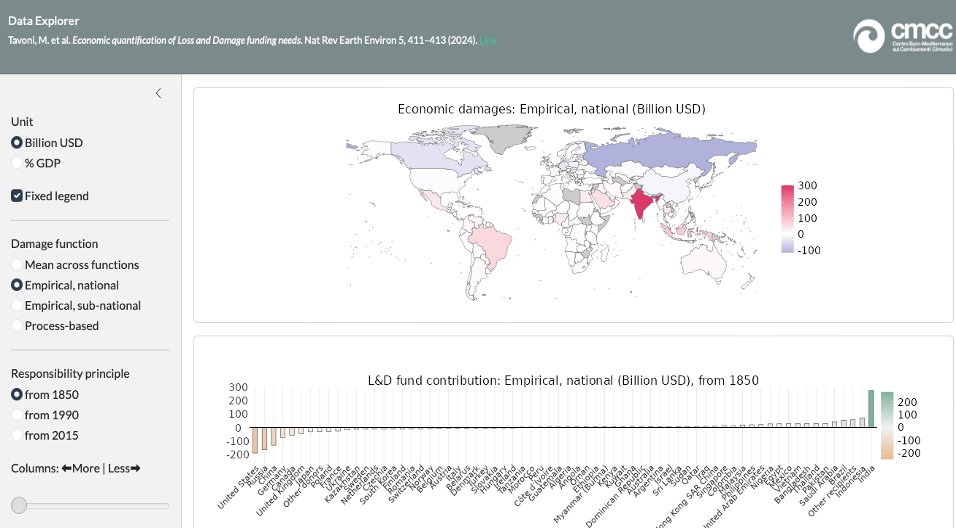
Who to pay for and who entitled to #LossandDamage funding? Check out @CmccClimate data explorer https://t.co/iiGXrs8g96
Massimo Tavoni and @MatteoCalcaterra Policy insight by @IIASA and @CmccClimate
https://t.co/RpQsDt2T4z
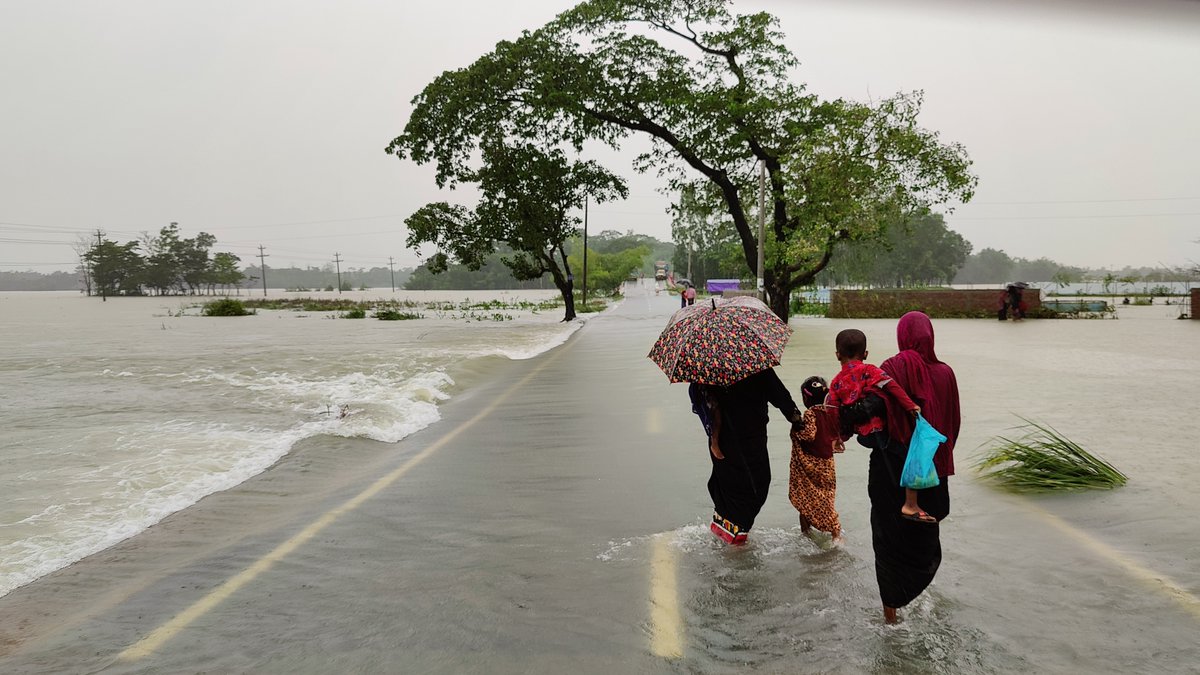
1/20. 📢 The #COP29 climate negotiations start tomorrow in Baku, Azerbaijan 🇦🇿. Here is a reminder of what is at stake 🔥🌊⛈️🌪️, what is on the agenda 📜, and what our expectations are for #LossAndDamage 💰⚖️. 🧵
Check out our new article in @JEEM_tweets! With @emacampiglio and @AWiskich, we look at the optimal climate policy mix when clean innovators face endogenous financing costs. Available open access at https://t.co/GerNoCKVZR
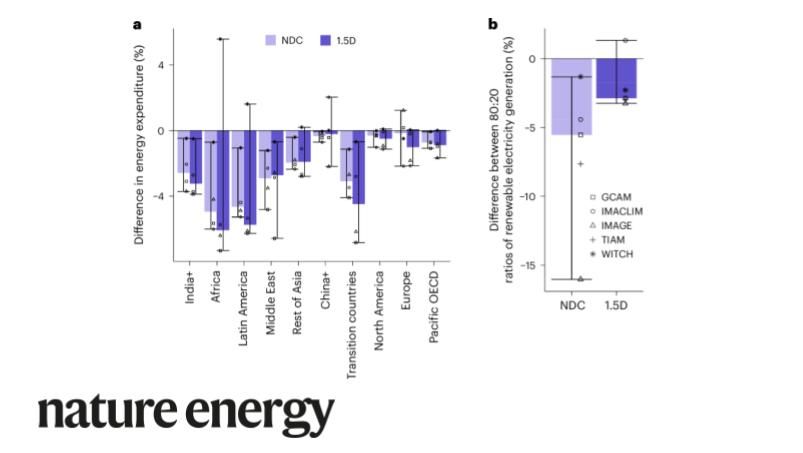
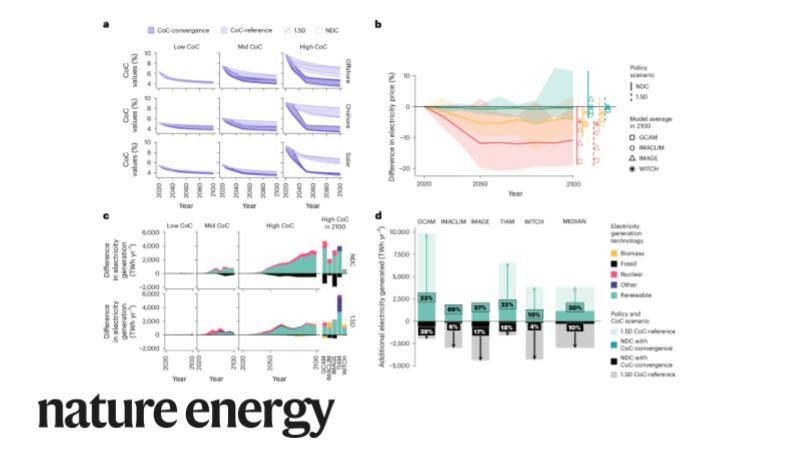
New study from @matteo_calca and colleagues models costs associated with energy sector decarbonization, shedding light on the need for fair financing in developing regions. https://t.co/PNBeKhDmE8
New study from @matteo_calca and colleagues models costs associated with energy sector decarbonization, shedding light on the need for fair financing in developing regions. https://t.co/bAHO2M2JQs
The Research Briefing, a non-technical one-page summary, is now freely available here! https://t.co/KsRzKtjx0a
Have a quick read if you're interested, it's very short ;)
📝Key takeaway: Policies helping the cost of capital of the energy sector converge internationally can play a significant role in greening electricity generation, lowering the cost of mitigation, and improving equity in developing countries 7/7
We are happy to invite you to our upcoming ELEVATE Webinar!
Join as #MatteoCalcaterra shares research in reducing cost of capital to finance the energy transition in developing countries.
🗓 July 2nd
🕒 15:00-16:00
🔗 Registration and more information: https://t.co/tUIymFXAfN
New paper out in @NatureClimate with @JohannesEmm and @MassimoTavoni from @CmccClimate, @EIEEorg and @polimi. We find that, in the context of well below 2°C scenarios, financing negative emissions technologies (NETs) in a carbon market increases income inequality. Why? (1/10)