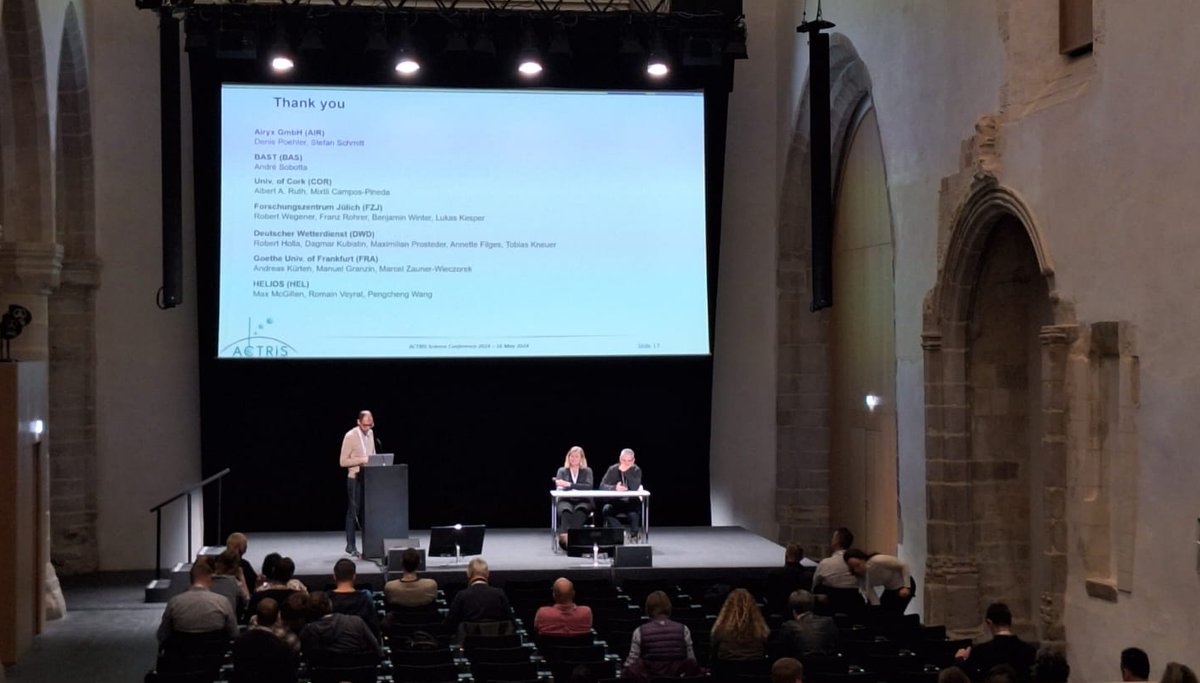
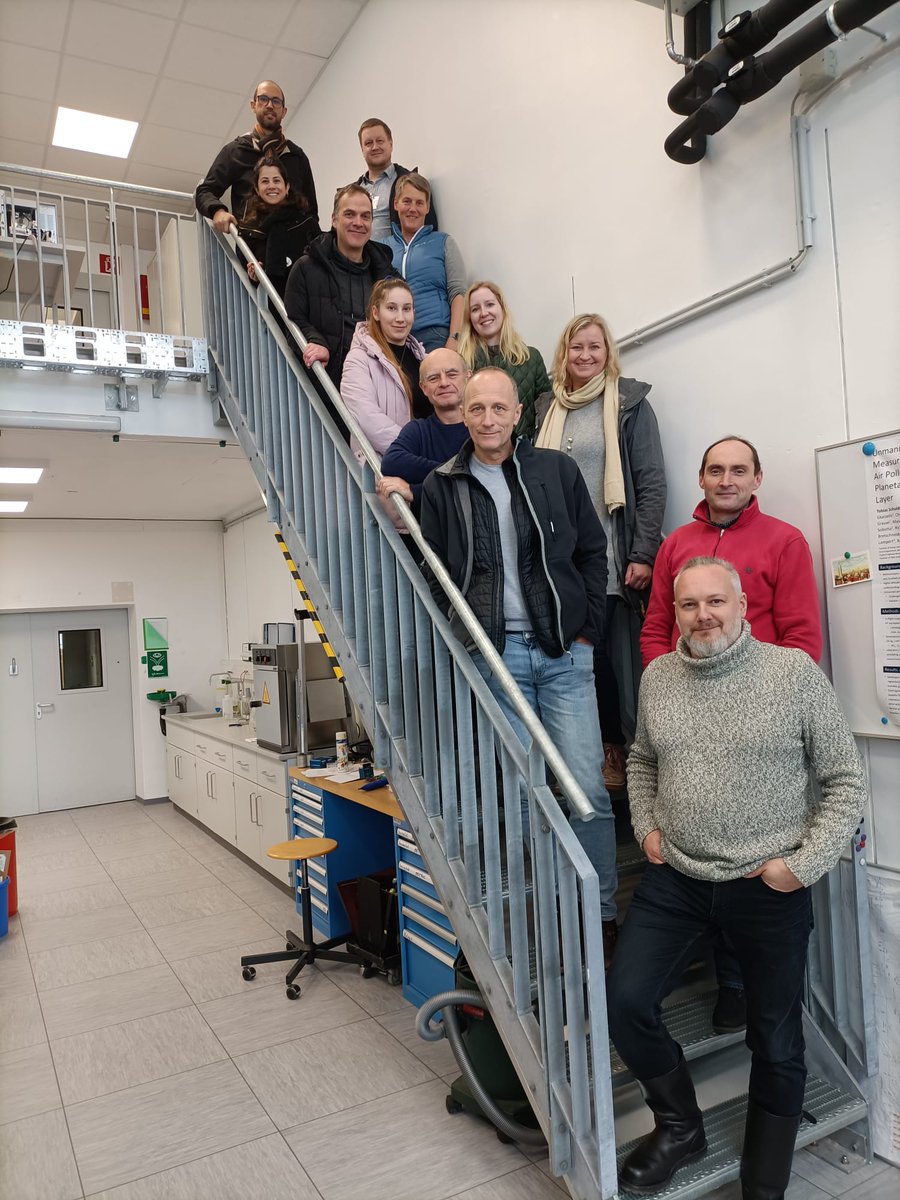
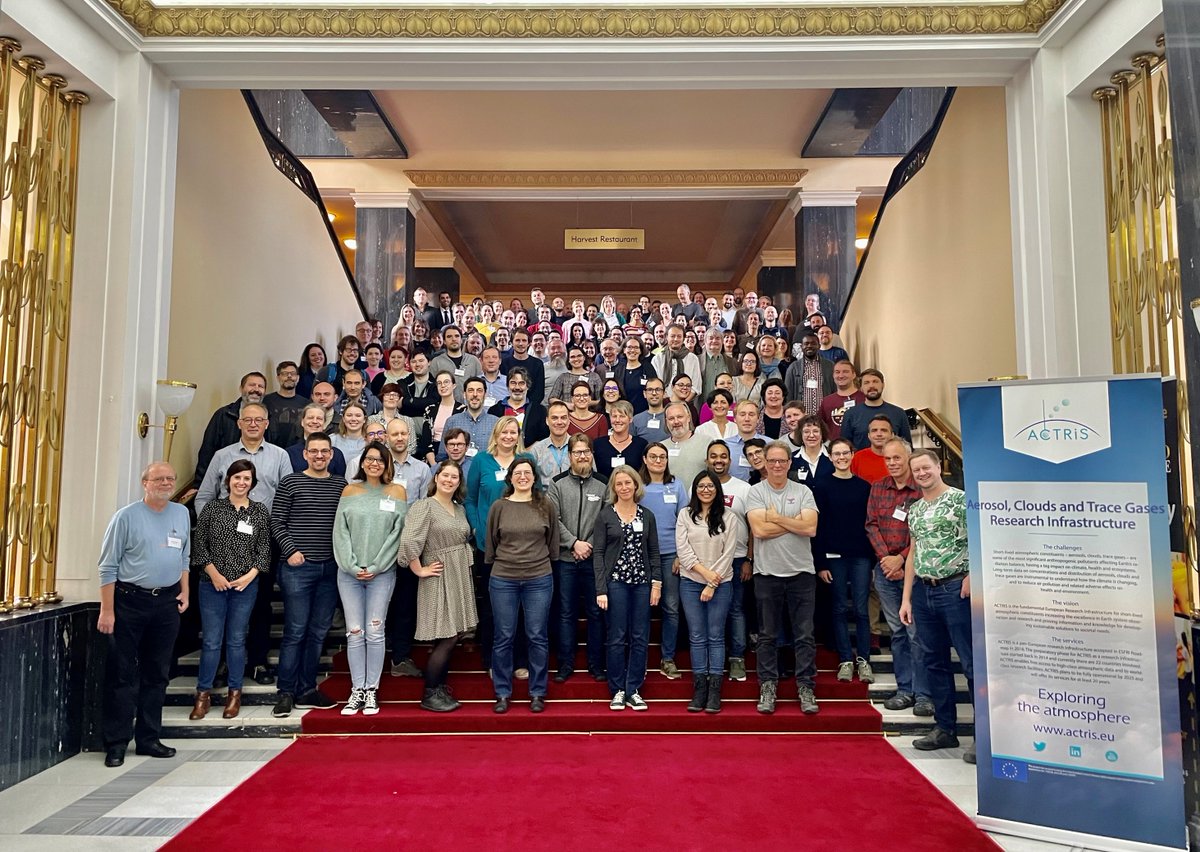
The #ACTRIS Science Conference is an inspiring opportunity for scientific exchange within and outside the @ACTRISRI community. @Max_gadam#IEK_8@fz_juelich presents the results of the nitrogen oxide measurement intercomparison at the #SAPHIR chamber #ASC2024.
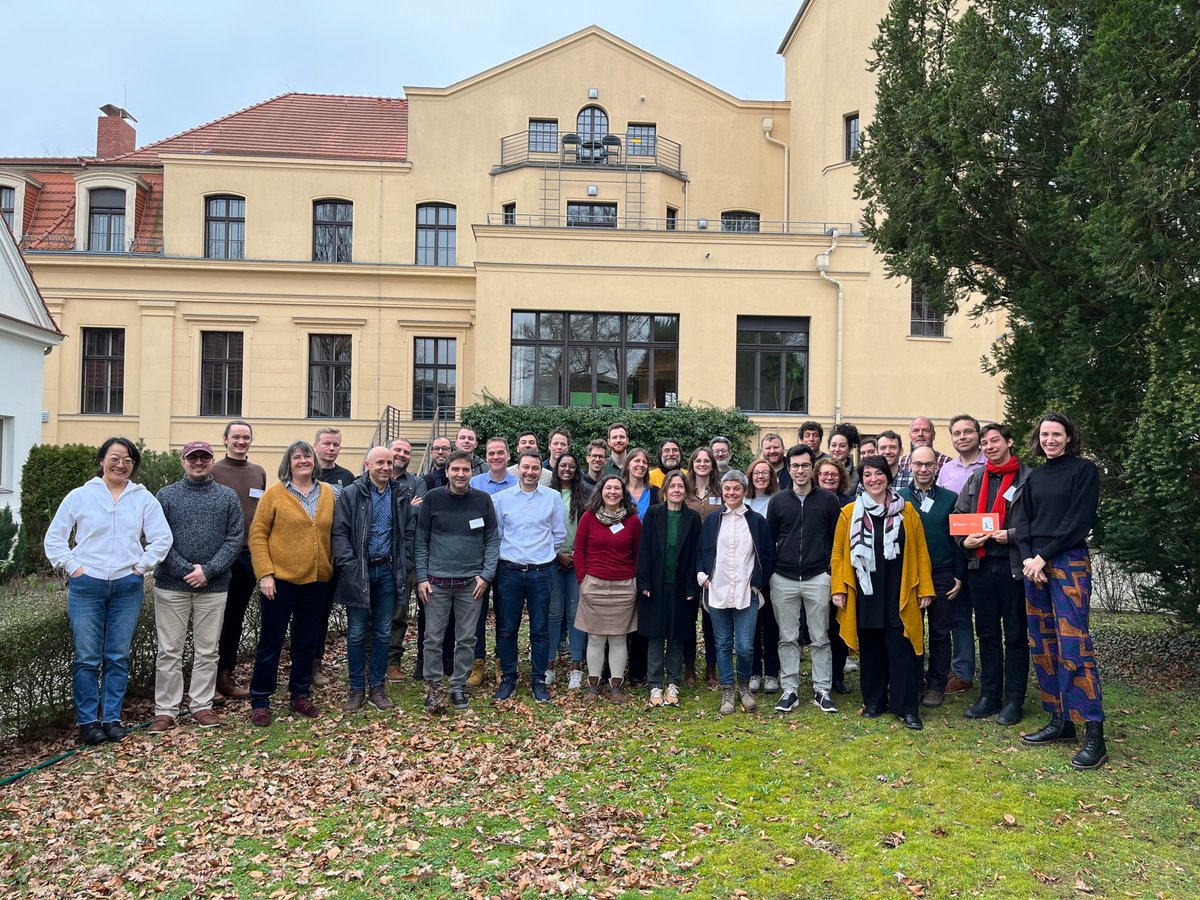
The #net4cities project collects and visualises data on emerging air pollutants from 11 European cities with the help of the #IEK_8@FZJ. Today was the kick-off at @RIFS_Potsdam, where we all met in person!
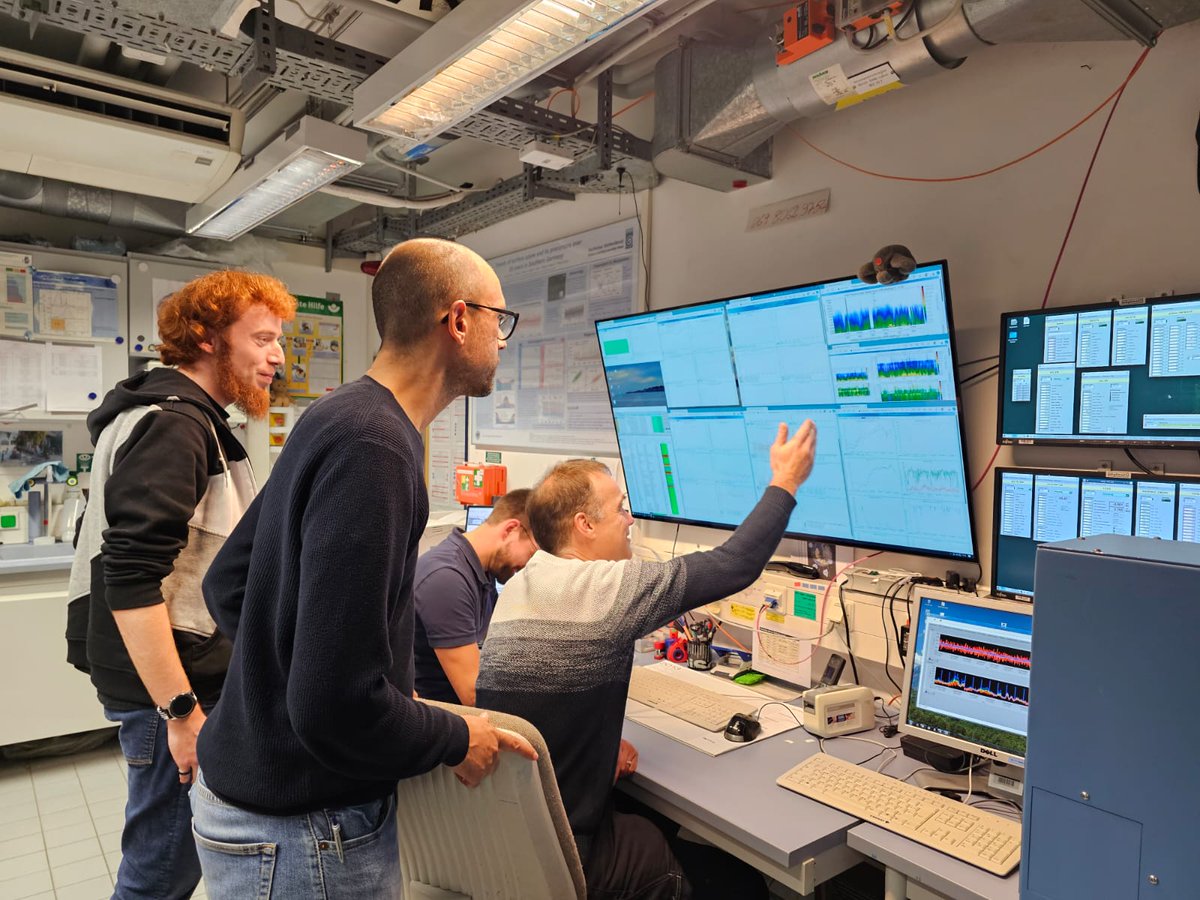
First station audit for trace gas in-situ measurements in the @ACTRISRI station network. Researchers from #IEK_8@fzj_iek look at the data from the #Hohenpeissenberg station of the German Weather Service @DWD_klima.
One of the oldest vehicles in the @fz_juelich fleet, built in 1982, now has 200,000 kilometres on the clock. It still serves us, #IEK_8, as a reference for emission measurements for older cars, thanks to our vehicle workshop. We celebrated the occasion with a car wash and a cake.
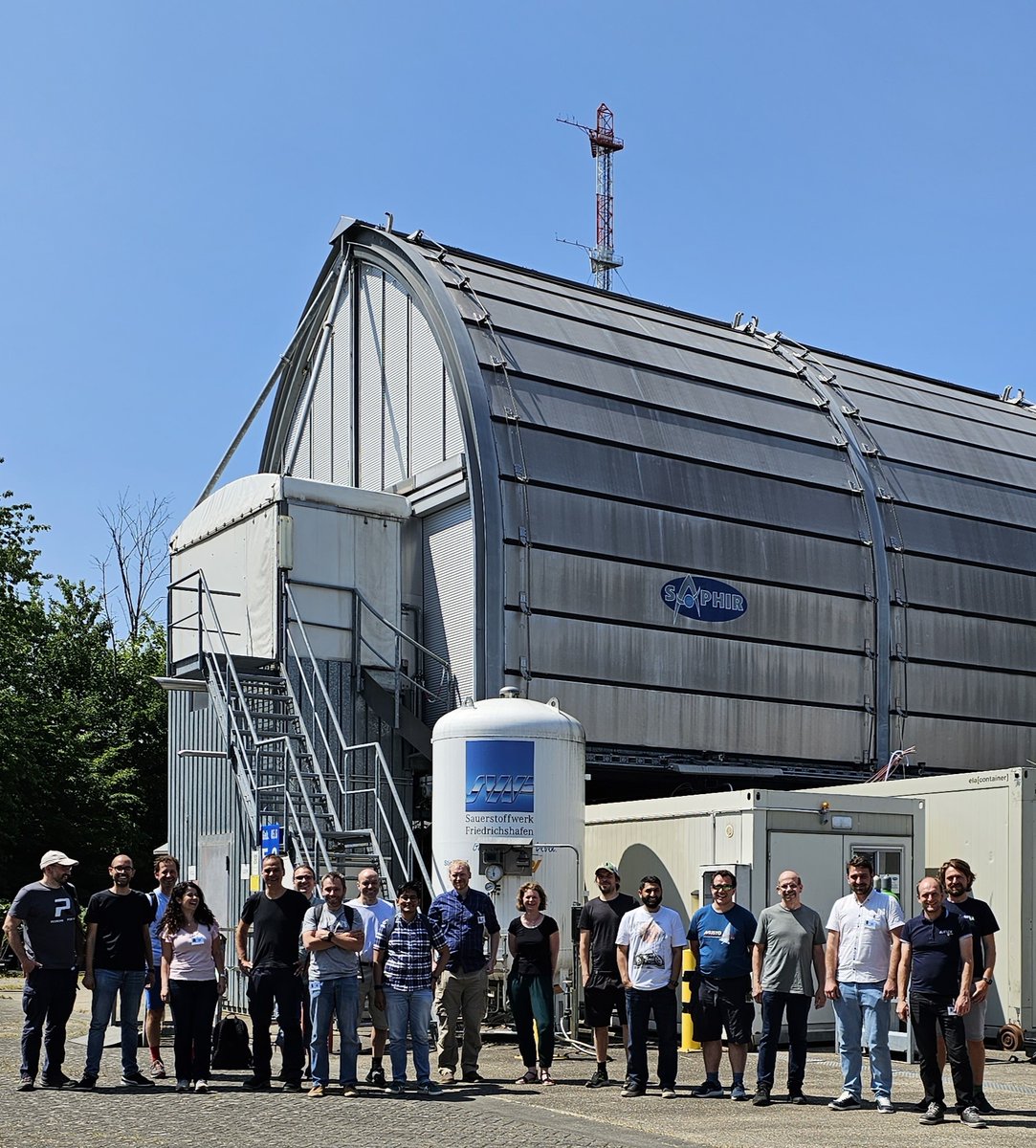
15 partners with 36 instruments for NO and NO2 participate in the #JUNOx23 side-by-side comparison as part of the @ACTRISRI QA programme. The campaign is organised by @fz_juelich#IEK_8, which hosts the World Calibration Centre for Nitrogen Oxides.
https://t.co/2S7NStmvff
Phenomenal. Bar-tailed Godwit has broken its own record: a first-year bird (five months old!) has flown 13,560 km—just shy of the direct flight limit of a Boeing 787—from Alaska to Tasmania, seemingly non-stop, in just 11 days (avg. speed: c.51 km/hr).
https://t.co/Q3vemnrKaF
ACTRIS is the pan-European research network producing high-quality data on short-lived atmospheric constituents to which scientists #iek_8@fz_juelich contribute. During the ACTRIS week the community meets in Prague to present new results and developments. @ACTRISRI
As well as the heat on Monday and Tuesday in the UK, air quality is likely to be poor. Most likely to cause problems in particulate matter suspended in the air. Here are some of the predictions for PM2.5 from the @NASA GEOS-CF forecasts for the next couple of days:
New study: Europe is a heatwave hotspot, exhibiting upward trends that are three-to-four times faster compared to the rest of the northern midlatitudes.
The reason: changes in the jet stream.
https://t.co/ml7qNWAUmf
Die wichtigste Grafik des neuen #IPCC Berichts zeigt wo die großen Hebel sind um die #Klimakatastrophe noch abzuwenden: Sonnen- & Windenergie, Abholzung stoppen, bessere Landwirtschaft, Ökosysteme stärken, Wasserstoff in der Industrie.