Este Incondicional nos recordó que cualquier momento y lugar es ideal para celebrar un gol de nuestra Selección 😅🫶
Por eso necesitamos la ayuda de los Incondicionales para encontrarlo. 🔍
#SomosMéxico 💚
Un niño estaba harto de que cada vez que hacía un muñeco de nieve alguien lo atropellara, así que disfrazó una boca de incendios.
Ahora, el que atropella muñecos de nieve tiene que pagar una multa, la boca de incendios y la reparación de su coche
¿Eres de los que cree que los AirPods solo sirven para música y llamadas? Hay un montón de funciones escondidas que son ridículamente útiles y casi nadie usa. Acá te dejo varios hacks para que de verdad les saques jugo.
#HacksUtilesParaInutilesComoYo
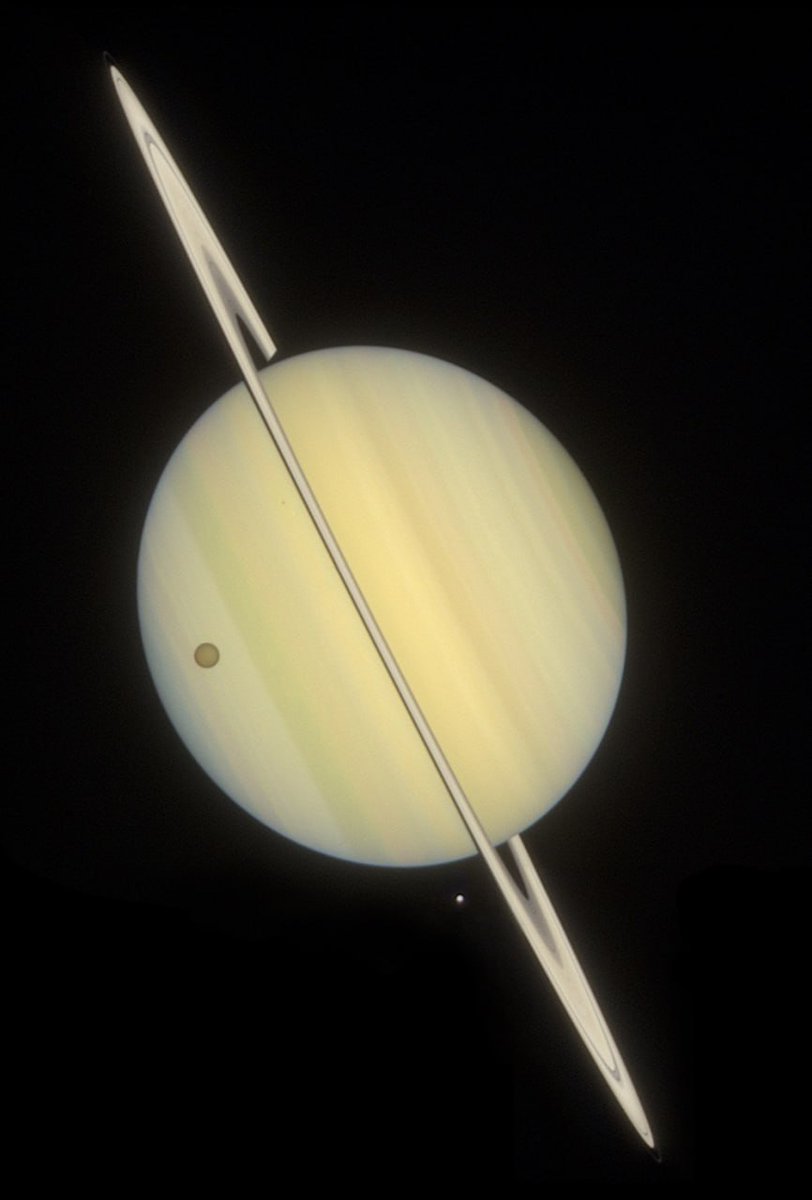
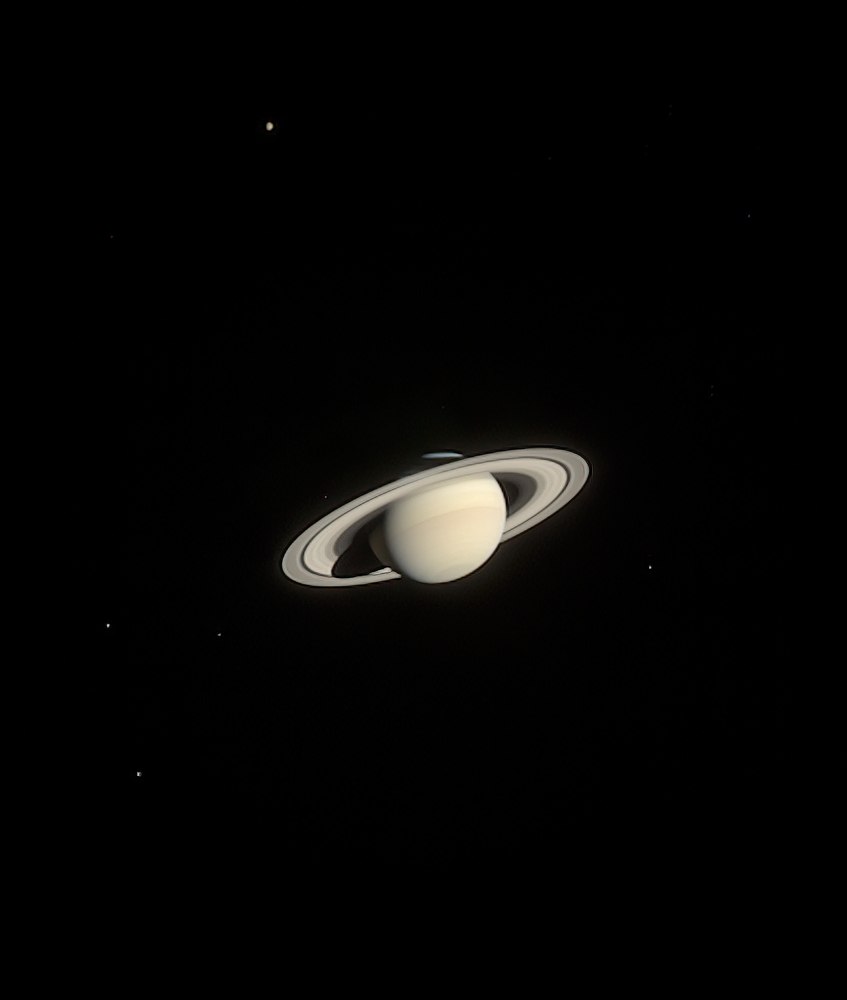
Astronomers have discovered eleven new moons of Saturn.
Most of them are small rocky bodies up to 5 kilometers in diameter. They move in retrograde orbits, meaning they rotate in the opposite direction to Saturn's rotation around its axis.
Until recently, Jupiter was considered the leader in the number of moons. However, in recent years, Saturn has significantly surged ahead. This large number of moons is likely due to a relatively recent (in astronomical terms) collision of large moons. This collision produced numerous fragments, some of which eventually became individual moons. It's possible that this same event played a role in the formation of Saturn's famous rings.
For comparison, 101 moons have been confirmed to date around Jupiter, 29 around Uranus, and 16 around Neptune. This makes Saturn far more numerous than all the other planets in the Solar System combined.
🦋 La mariposa monarca no solo migra 4 mil km: nos conecta.
Hoy sabemos que sus colonias en 🇲🇽 crecieron 64% respecto al año anterior.
🫶Una señal clara de que cuando se cuida el territorio, la naturaleza responde.
#SomosMedioAmbiente
🚨: Esta no es nuestra galaxia. 😳
Estás viendo miles de millones de estrellas en la galaxia de Andrómeda, captadas por el telescopio espacial Hubble, y es probable que casi todas tengan planetas. Asimílalo.
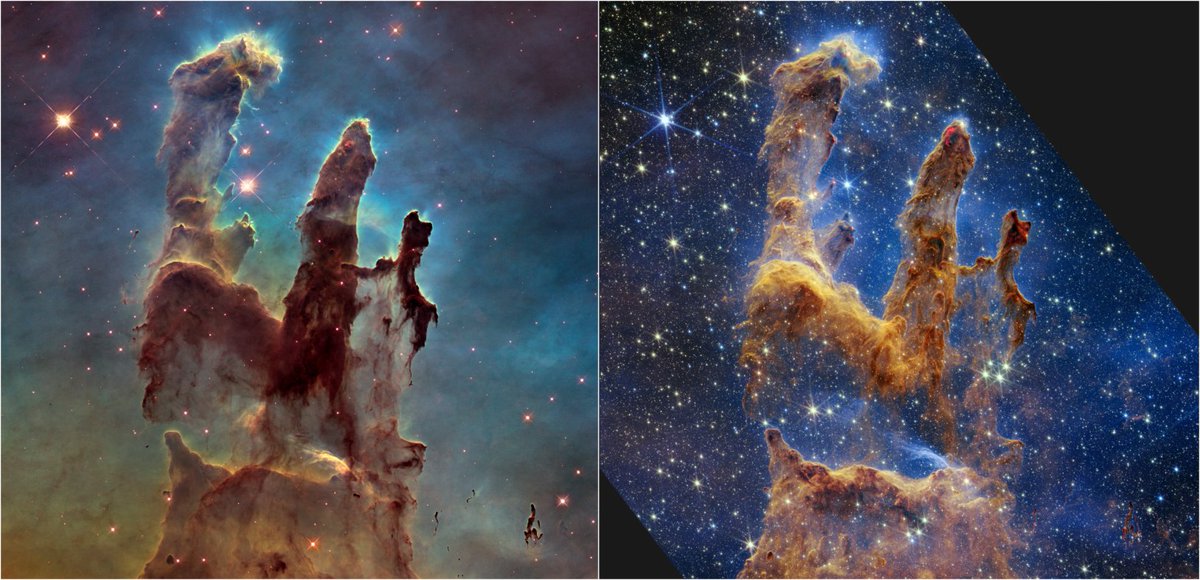
These pictures of the Pillars of Creation were taken 19 years apart by different telescopes, with each image capturing a unique perspective.
On the left, @NASAHubble shows more thick dust. On the right, @NASAWebb peers through the dust to show more stars. Which is your favorite?