The Protein Design Competition results are in!
🧬 200 designs tested in our lab
🌍 90 protein designers from around the world
💎 5 novel binders found
🎯 2.5% hit rate (vs 0.01% on previous EGFR work)
1st place: @MartinPacesa & Lennart Nickel
2nd place: @khRRustamov
3rd place: Adrian Tripp (@tugraz)
A recent preprint from our lab about MOSAIC: a very easy protocol to make (short) mutations or libraries in plasmids much easier (no PCR, or assembly cloning needed), just electroporation with oligos! Probably useful for many in the field https://t.co/ms1jXhXEpr spread the word!
Hey, #synbio people. Wes Robertson, A good friend of mine and a great scientist is starting his lab @MRC_LMB This is a unique opportunity to have an impact in #synthetic_genomics and work under leadership of talented and ambitious PI. https://t.co/U6wZTuPg2f
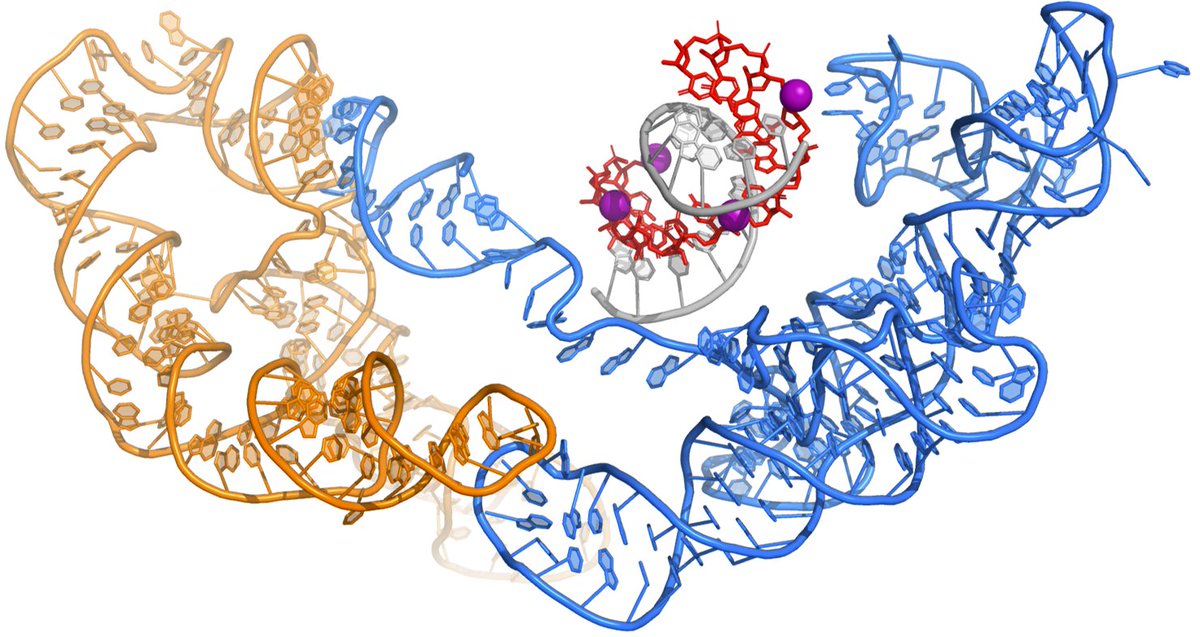
4-year studentship available in my lab at @kclchemistry working at the interface of fundamental synthetic biology and therapeutic biotechnology development - come & join me in the XNA world! Please RT
https://t.co/wFpGZlRQ23
A feeding electric eel can cause transfection of plasmids from the surrounding environment into nearby organisms - natural, eel induced, electroporation.
https://t.co/8I6kAQVRrZ
🚨🚨🚨 We are hiring! We are looking for 2⃣ PhD students who want to join us @StratinghInst for awesome research in the field of continuous #enzyme#evolution! Informal questions per DM. Click the link below to apply! #MolecularEvolution
Please RT!
https://t.co/264T5VVSq1
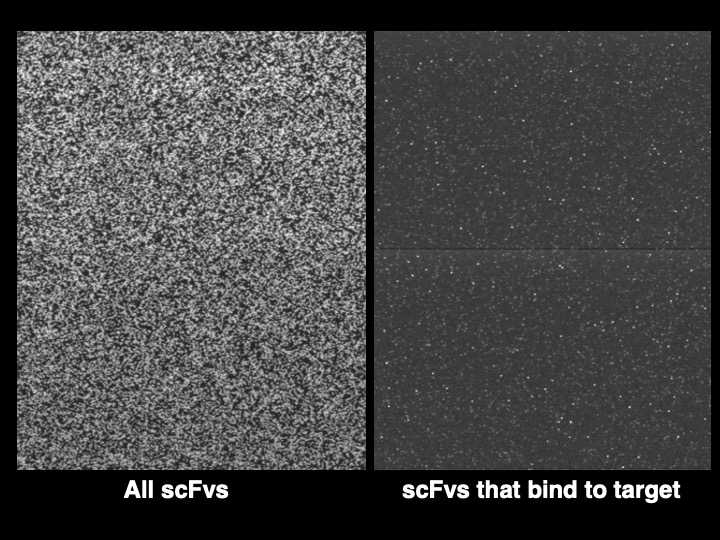
@PhilHolliger Repurposing an NGS platform, we performed in situ IVT and ribosome display to probe the function of millions of protein (incl. AB) variants with known seq. A ML language model finetuned with these huge datasets then successfully classified the function of unknown sequences 🤯
Really excited to share this work of my postdoc lab @PhilHolliger in which I was fortunate to make a small contribution to.
https://t.co/nC6dKIYKFp
Lead by the incredible Ben Porebski, this work describes an ingenious way to collect massive protein sequence-function datasets.
New paper from my group out in https://t.co/exum8zdZ0f. Outstanding work by Ben Porebski and great collaboration with https://t.co/xTxToaSswv. We describe a new high-throughput strategy for biomolecular discovery, which we call deep screening.
PDRA opportunity in our group @UCLChemistry to develop & characterise ribozymes that harness primordial chemistries. 28 months, funded by BBSRC & Royal Society; org chem or mol bio background. Apply by 7th August: https://t.co/kXz8mIWXt5
Are you a bioinformatician and want to use your skills to support diverse research lines? Biochemistry @WUR is hiring a staff scientist in bioinformatics! Come join us :D
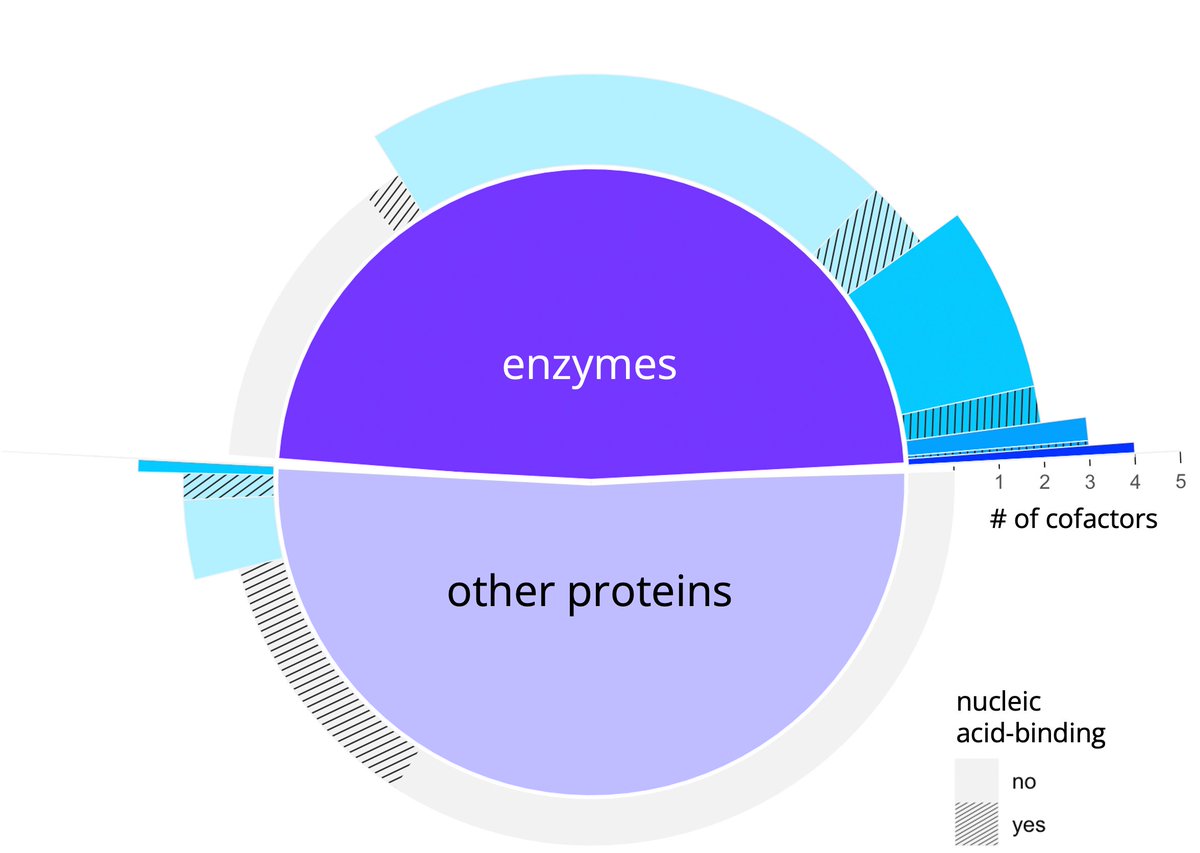
We also highlight a selection of great papers describing successful engineering campaigns of such enzymes, thus showcasing both the curse as well as the blessing of computationally engineering enzymes with non-prot parts (which make up more than 2/3rds of all enzymes 😳)
📣 We did a thing 📣
Are you a protein engineer working on enzymes dependent on cofactors, nuc acids, PTMs, or ncAAs? Check out why it's a great idea to computationally predict mutations, but why you should use your fav comp tool with extra caution 👉https://t.co/zpQ81vyVcr 🧵👇
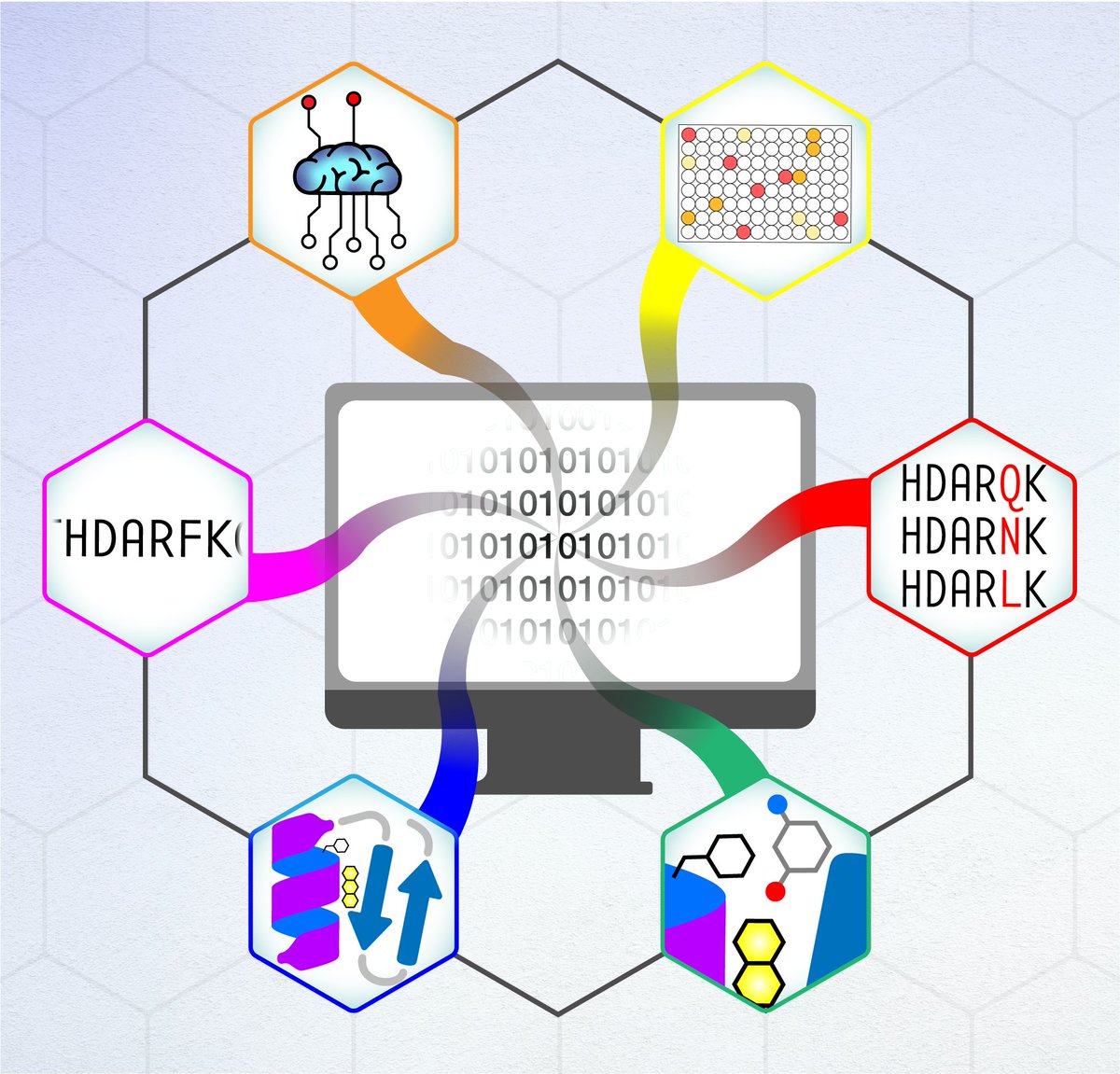
Luckily, in most cases, dedicated settings, manual adjustments, or crude hacks are described. We summarize common and exciting novel protein engineering workflows and outline what is known about how these tools can be used with enzymes featuring non-proteinogenic parts.