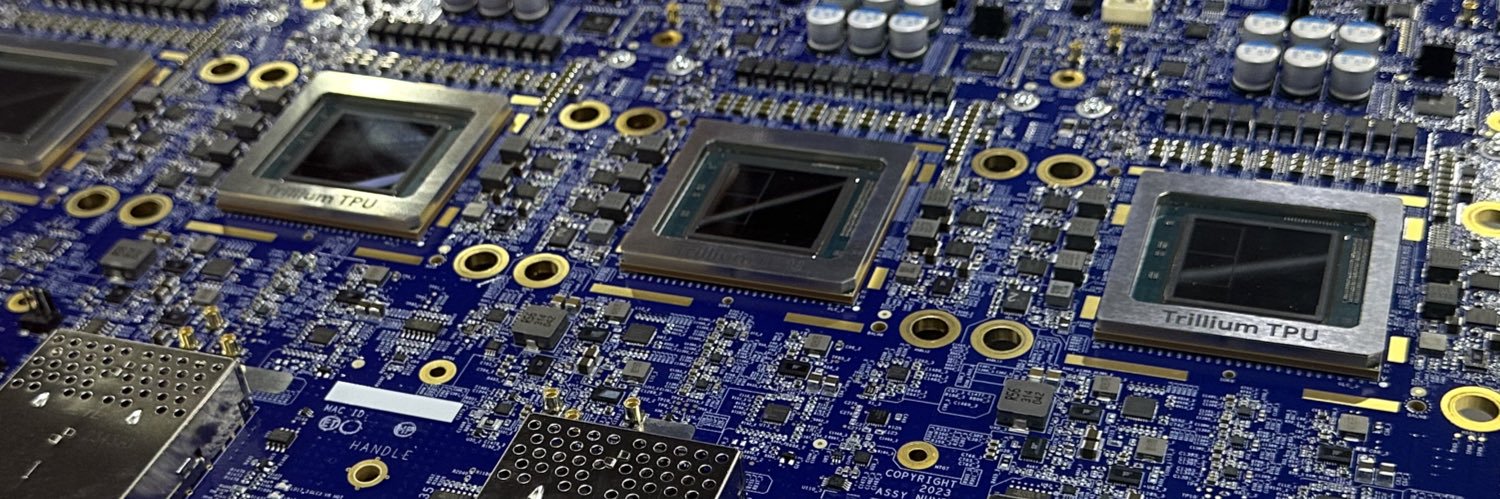
Really proud to see this announced. I led the design of the Kempner Institute's upgraded AI cluster to balance large-scale performance with the flexibility researchers need for fast-moving, day-to-day work.
With 1,144 data center GPUs and expected performance of 1.79 exaFLOPS, this is a major step forward for academic AI infrastructure. I'm excited to see how the Kempner community at Harvard University uses this new capacity to push forward research in AI, NeuroAI, robotics, and beyond.
#KempnerInstitute #Harvard #AI #NeuroAI #ML #GPU #Computing #AICluster #Compute #MachineLearning #InfiniBand #Networking
🚀Kempner Institute's AI cluster gets a big upgrade! We're adding 424 H200s & 192 RTX PRO 6000 Blackwell GPUs, creating a 1,144-GPU supercomputer delivering 1.79 exaFLOPS for AI, neuroscience & robotics research. Read more: https://t.co/UI46cOHlRq
@ShamKakade6@blsabatini@MGHPCC
Diffusion models learn probability densities by estimating the score with a neural network trained to denoise. What kind of representation arises within these networks, and how does this relate to the learned density? @EeroSimoncelli@StephaneMallat and I explored this question.
Excited to share Equilibrium Matching (EqM)!
EqM simplifies and outperforms flow matching, enabling strong generative performance of FID 1.96 on ImageNet 256x256.
EqM learns a single static EBM landscape for generation, enabling a simple gradient-based generation procedure.
New in the #DeeperLearningBlog: Kempner researchers Nikhil Anand (@nikhil_anand91) and Chloe Su (@Huangyu58589918) discuss new work on how numerical precision can impact the accuracy and stability of #LLMs.
https://t.co/SS3CDlUKYf
#AI
(1/2)
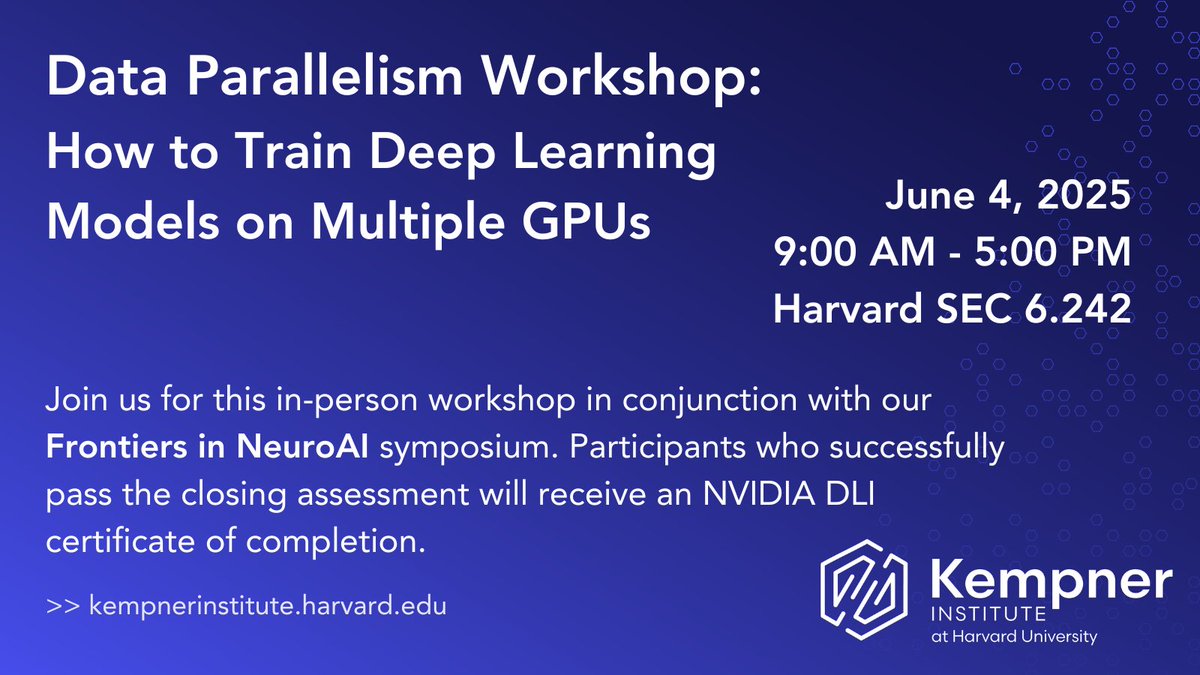
Learn distributed training from our GPU engineering expert @y_mazloumi and get the opportunity to earn an NVIDIA DLI certification!
@KempnerInst@nvidia#GPU
Registration is now open for our in-person data parallelism workshop on June 4 to kick off our Frontiers in NeuroAI symposium! Led by @y_mazloumi, this workshop is an opportunity to earn your @nvidia
DLI certificate. Learn more: https://t.co/2QmPQoMm3y #GPUs#ML@maxshadx
We're hiring a Senior ML Research Engineer! We're looking for someone with with deep technical skills in ML, deep learning, and software engineering best practices. This role would be a great fit for someone who thrives in a collaborative environment.
https://t.co/23a3wF5s7o
Optimize your use of high-performance #computing with the #KempnerInstitute Computing Handbook, a publicly-available online resource that offers expert guidance for honing your skills in #AI, #ML and high-performance computing. Read more: https://t.co/uGW9dcTUJo
@maxshadx
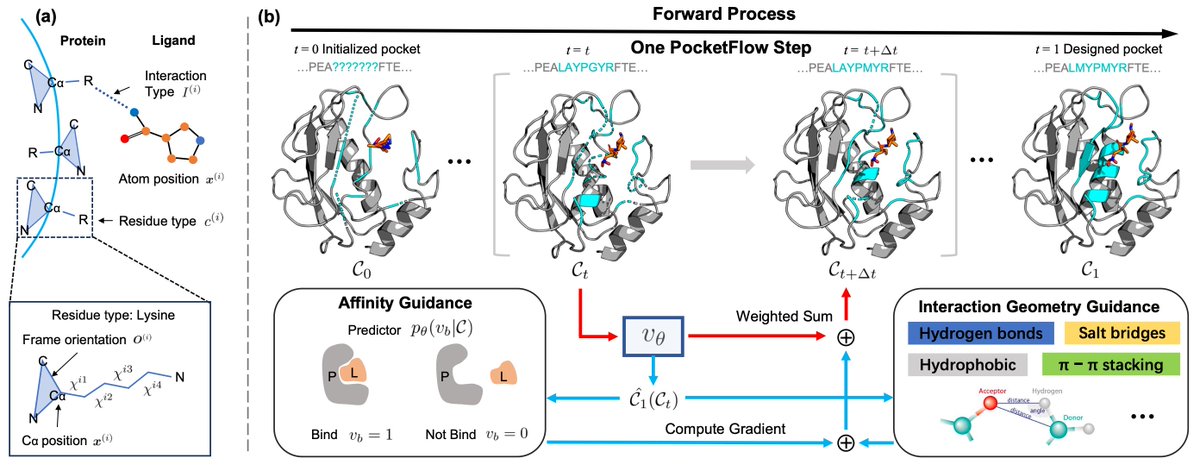
Congrats to #KempnerInstitute's @marinkazitnik & colleagues whose work is featured as a spotlight paper at #NeurIPS2024! Check out "Generalized Protein Pocket Generation with Prior-Informed Flow Matching" at the 11a session today. @ZaixiZhang@leuchine https://t.co/1h1LP9vlnN
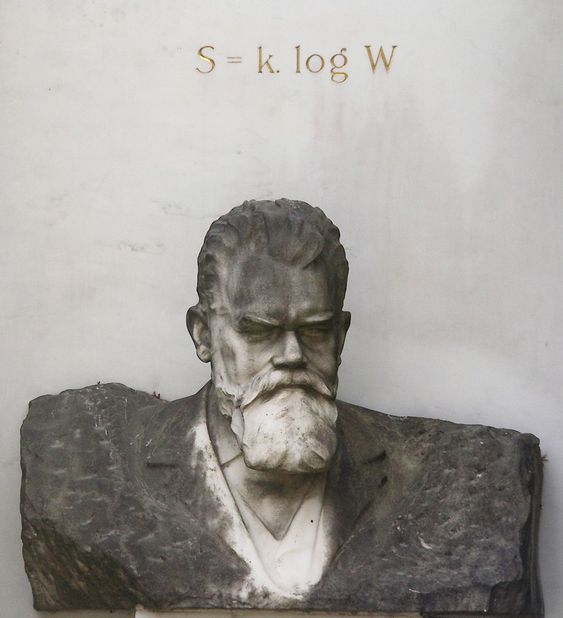
Eleven years ago, I named our first HPC cluster "Ludwig" to honor his contributions to science. With its computing power, we simulated complex fluid dynamics using Lattice Boltzmann Method!
#science#hpc#fluid
Ludwig Boltzmann’s grave in Vienna bears his famous entropy formula, S = k log W, which relates the entropy of a system to the number of possible microscopic states.
Ludwig Boltzmann was an Austrian physicist and philosopher who made significant contributions to the fields of statistical mechanics and thermodynamics including the formulation of the H-theorem- which explains the behavior of gases in terms of statistical mechanics, the concept of the Boltzmann constant (k)- a fundamental constant in physics that relates temperature to the average kinetic energy of particles in a gas, the Boltzmann equation- which describes the behavior of a gas by incorporating statistical probabilities.
The concept of a "Boltzmann Brain" was introduced by cosmologists, inspired by Boltzmann's work. It suggests that there is a minuscule possibility of a conscious entity, like a human brain, spontaneously fluctuating into existence in an otherwise empty and chaotic universe. This idea sparked debates and discussions about the nature of reality and the interpretation of probabilities in cosmology.
We're proud to share the #KempnerInstitute’s AI cluster has joined the ranks of the fastest green supercomputers in the world (32nd on Green500 and 85th in TOP500)! Read the full announcement: https://t.co/0eNgnwtmkm #ML#computing#SC24
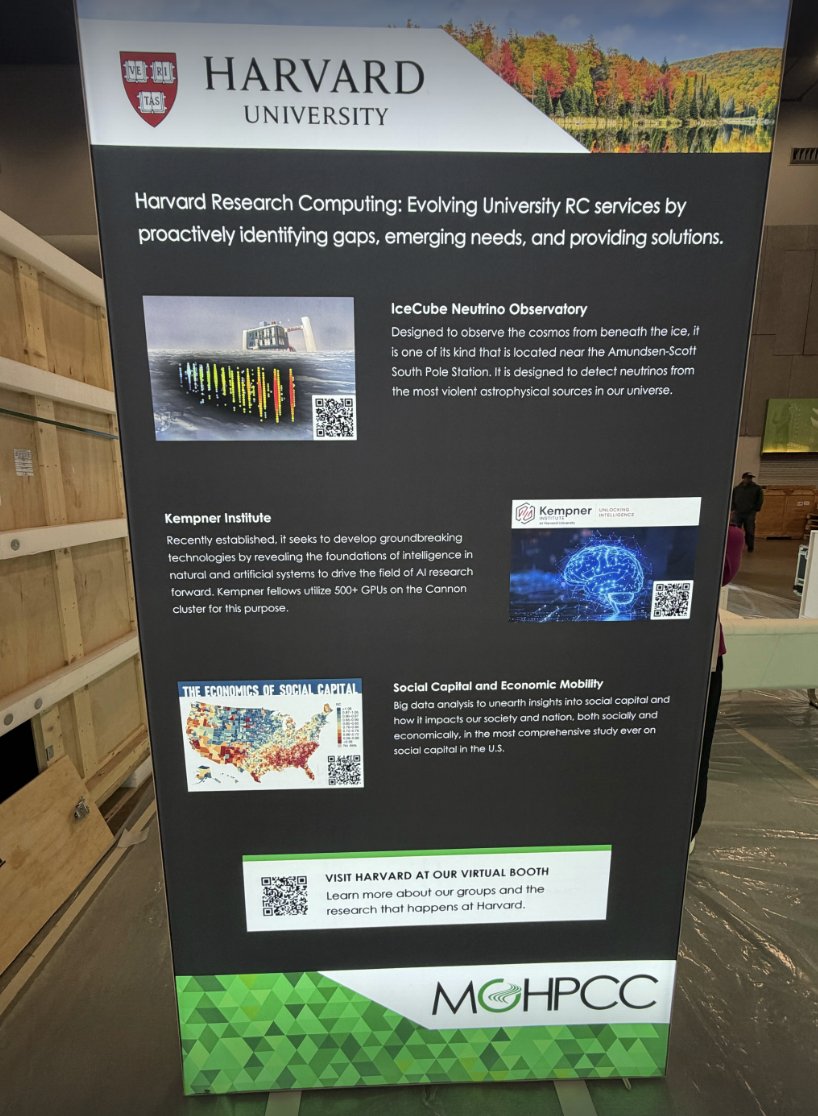
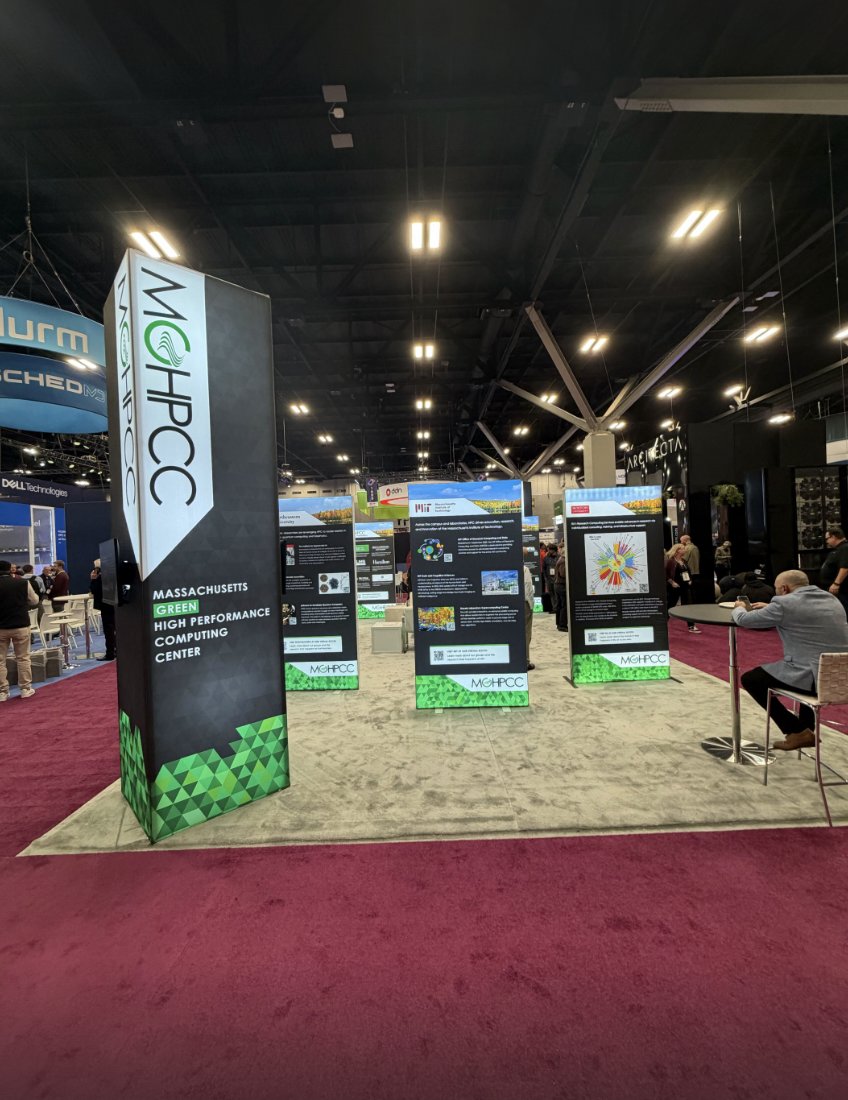
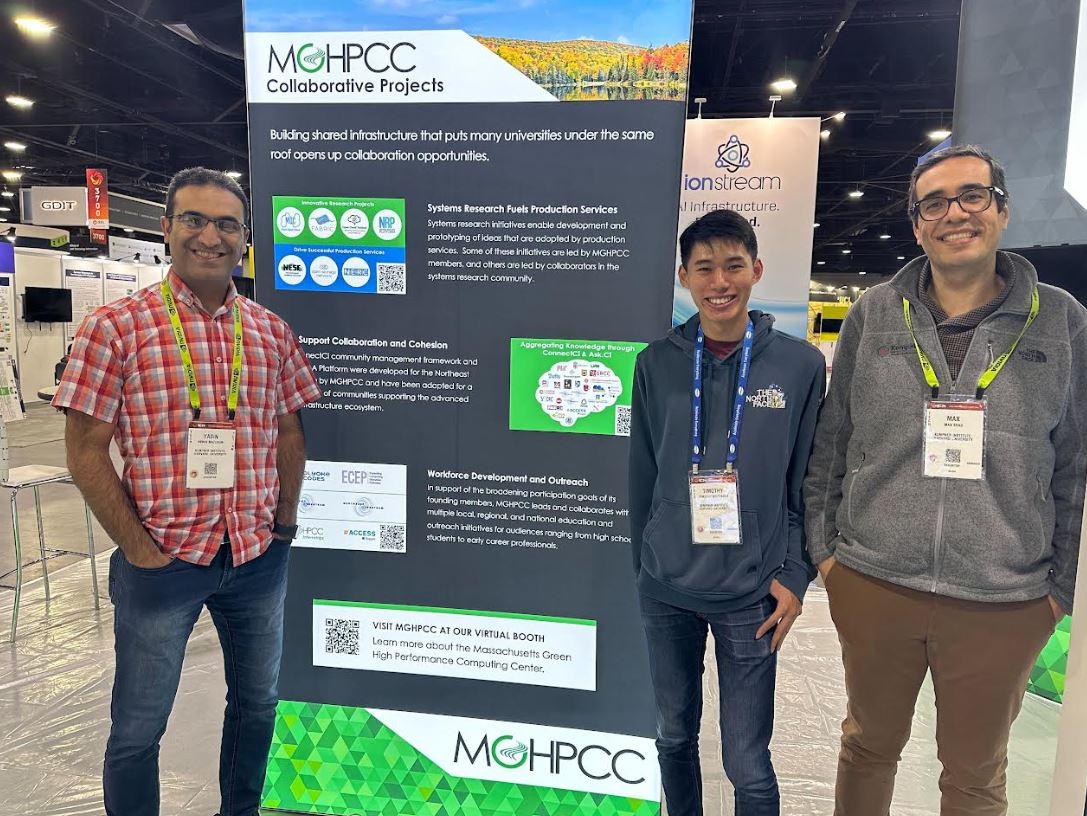
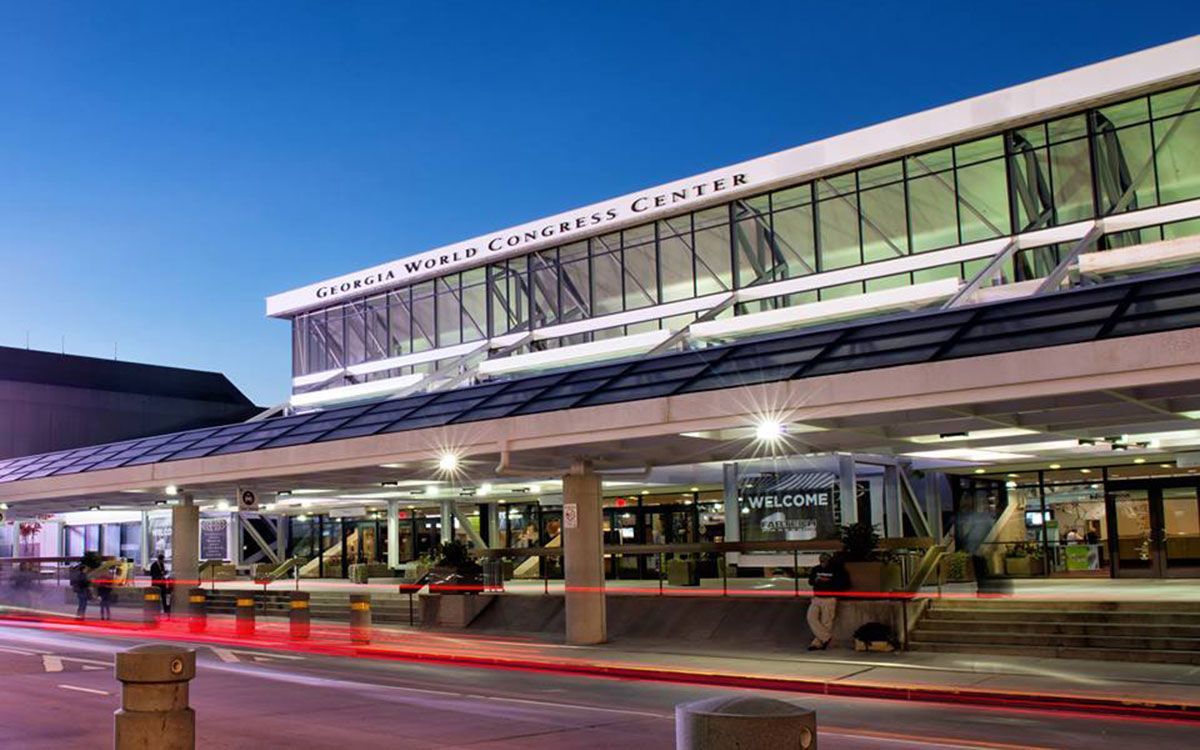
Attending @Supercomputing this week in Atlanta? Be sure to stop by the @MGHPCC booth to learn about the #KempnerInstitute AI cluster, and more about our educational programs & other opportunities. Hope to see you then! @maxshadx@y_mazloumi
https://t.co/yMfik3KVUg
Join us for an unparalleled experience in the HPC community! Attend technical presentations, workshops, tutorials, posters, and Birds of a Feather sessions. Discover cutting-edge innovations from top manufacturers, research organisations, and universities. https://t.co/OpD2pJfKAC
We're hiring! Our Associate Director of Educational Programs oversees all aspects of the #KempnerInstitute's fellowship and training programs for undergraduate, post-baccalaureate, and graduate students. Apply today: https://t.co/lEbVsAdpWm #AI#education@Harvard
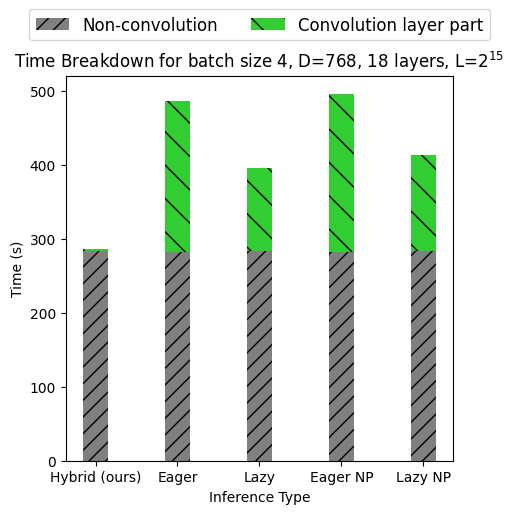
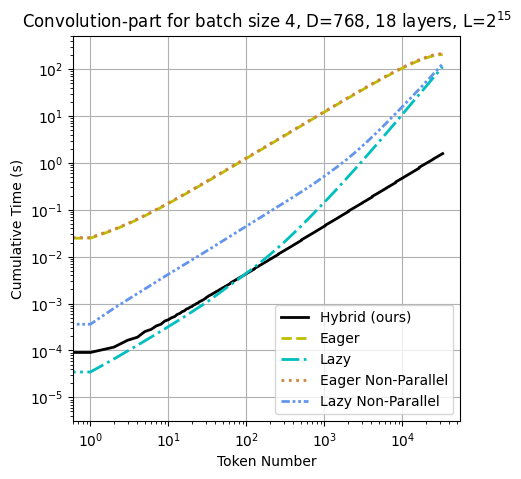
1/5⚡Introducing Flash Inference: an *exact* method cutting inference time for Long Convolution Sequence Models (LCSMs) to near-linear O(L log² L) complexity! Faster inference, same precision. Learn how we accelerate LCSM inference.