No other traveler has ever journeyed so far from home.
Voyager 1 is about to become the first human-made object to reach a distance of one light-day from Earth, or about 16 billion miles. ½
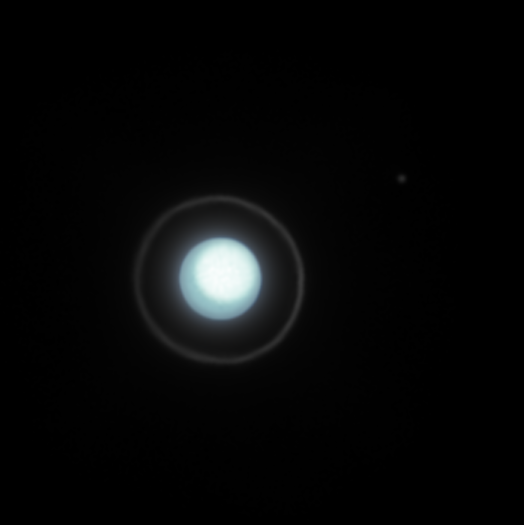
Uranus, its rings, and its moons this morning, captured under excellent conditions with the 24in scope.
By far my best capture of the epsilon ring to date.
1hr of data with IR720nm longpass filter.
Whoomp there it is!
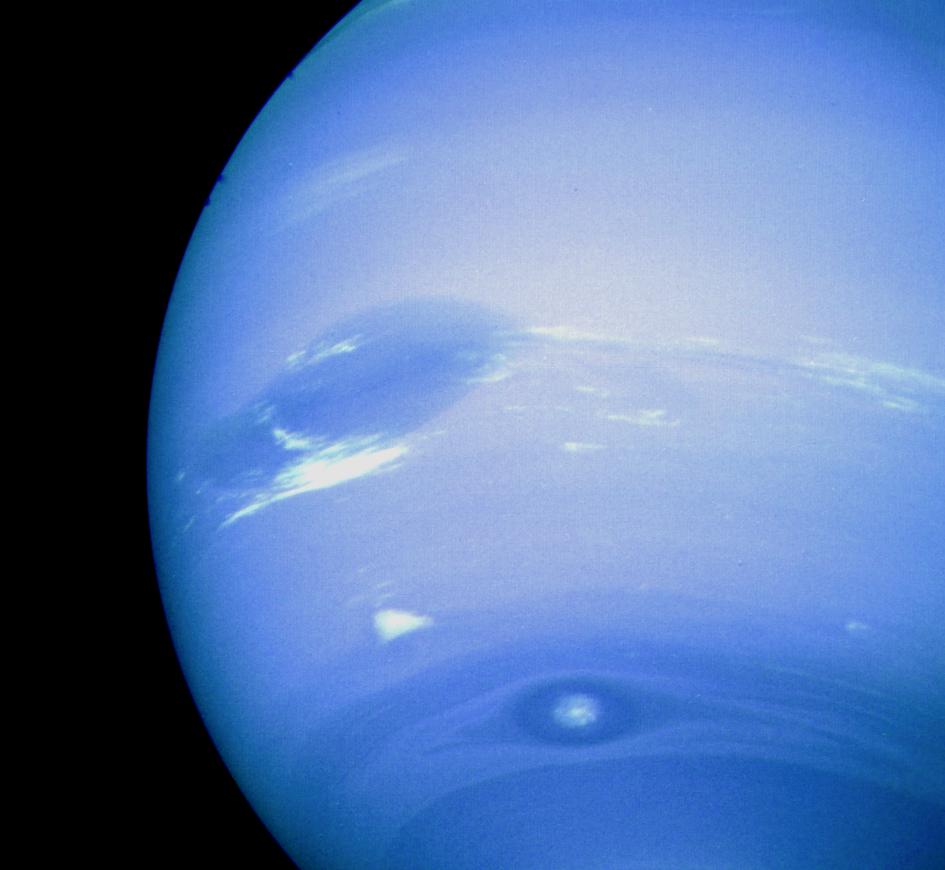
After two astronomers, Urbain Le Verrier and John Couch Adams, independently calculated its predicted location, Johann Gottfried Galle found the planet Neptune 180 years ago on Sept 23, 1846.
In 1989 when Voyager 2 became the first—and so far only—spacecraft to visit Neptune, it took thousands of images of Neptune, its rings, and its moons, including this one.
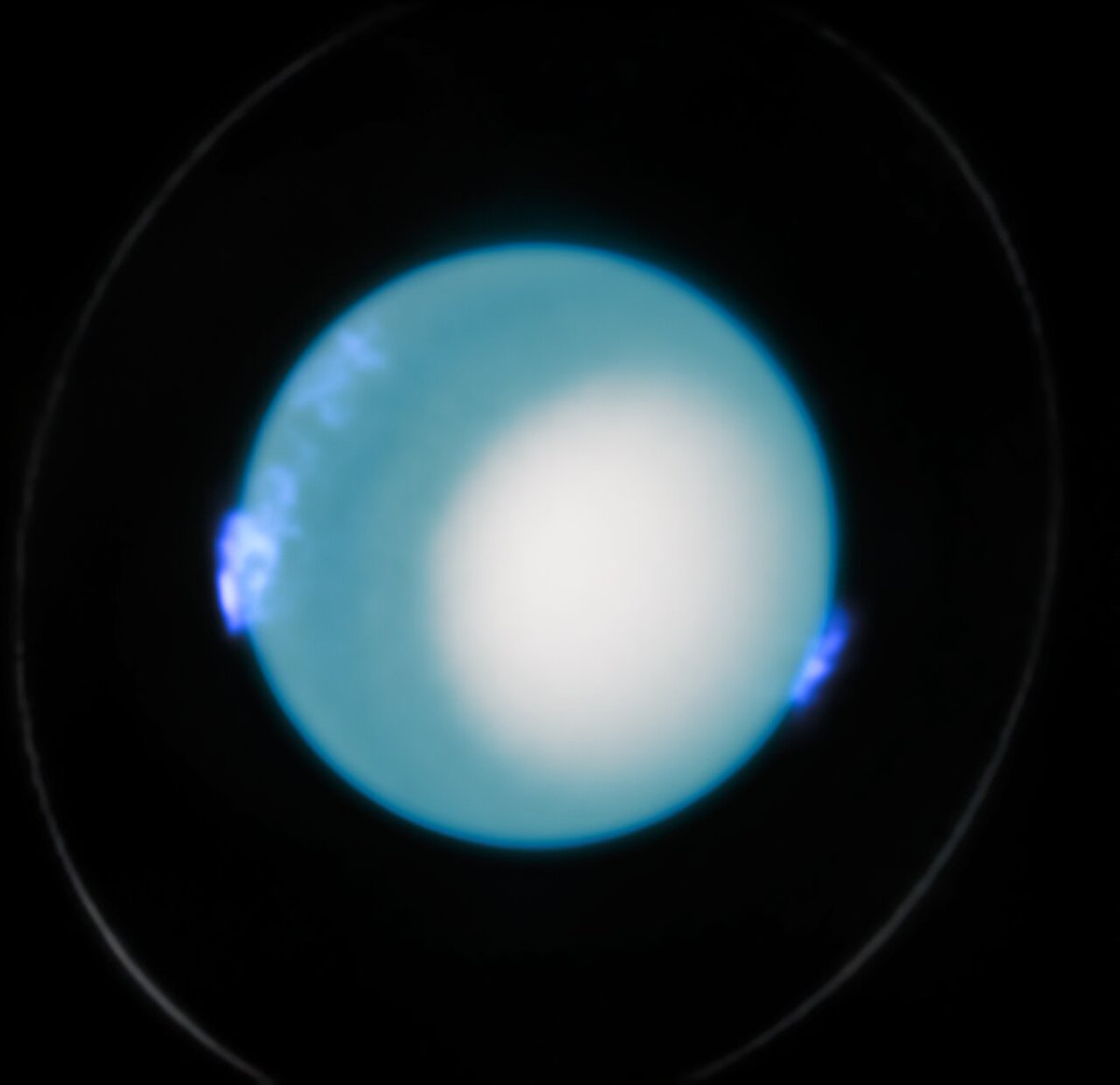
This #HubbleTopImage returns to a NASA/ESA Hubble Space Telescope view of Uranus! 🔵
This image, which was taken in October 2022 using both visible and ultraviolet wavelengths, captures a rare view of the aurorae of Uranus. 1/2
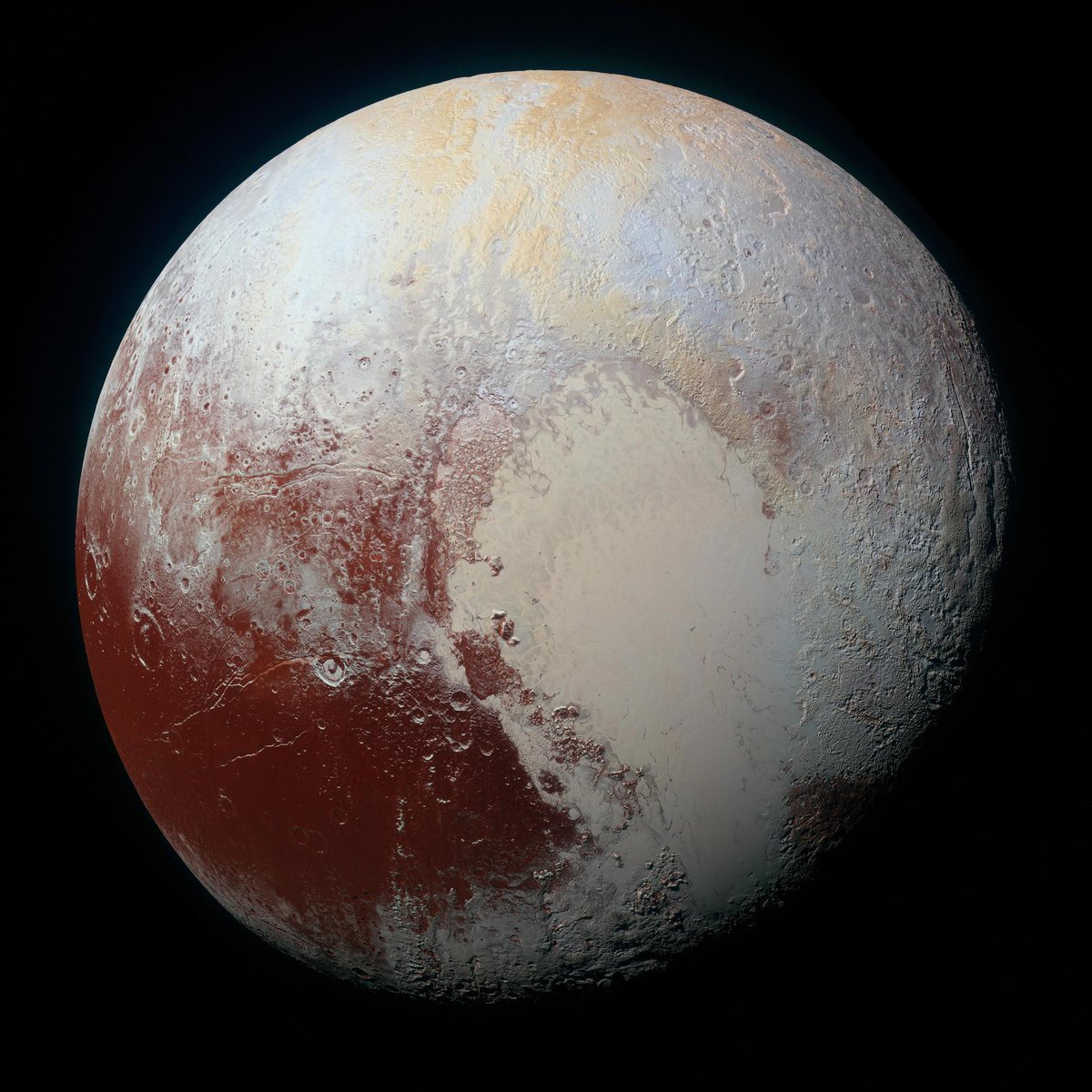
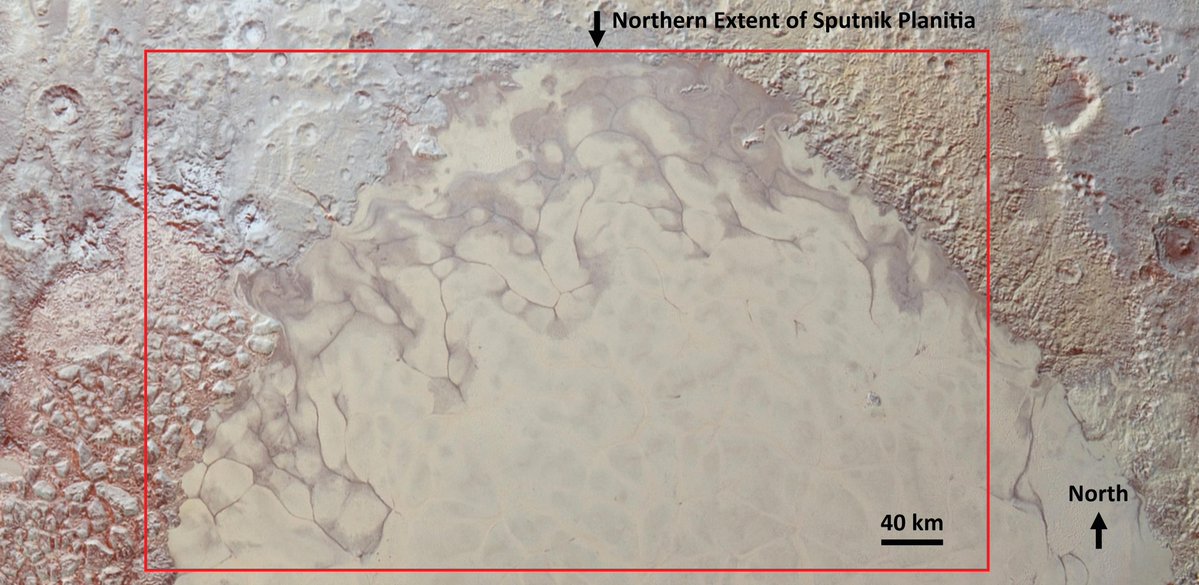
Pluto's heart is keeping a secret. 💗
NASA's New Horizons found the first evidence that liquid nitrogen recently reached Pluto's surface beneath Sputnik Planitia, the iconic heart-shaped glacier. The discovery suggests Pluto is more active than imagined. https://t.co/RtSZPSNofg
[다누리, 달 궤도에서 인공물 충돌 전후 포착!]
다누리가 8월 5일, 한국시간 15시 34분에 발생한
스페이스X 팰컨9 로켓 상단부의
달 표면 충돌 전후를 촬영했습니다!
다누리는 충돌 약 30분 전부터 관측을 시작해,
궤도 제어를 통해 충돌 지점 상공을 여러 차례 통과하며
총 8회에 걸쳐 촬영을 진행했습니다.
이번 관측을 통해 충돌 지점 주변의 지형 변화와
분출물 확산 흔적 등이 확인되었으며,
다누리는 충돌 전 기준 영상과 충돌 직후 영상을 모두 확보해
충돌로 인한 변화만을 분석할 수 있는
중요한 연구 자료를 마련했습니다.
다누리가 확보한 관측 자료는
NASA 달 정찰 궤도선(LRO)의 후속 관측과 연계되어
국제 공동 연구에 활용될 예정입니다 :)
#한국항공우주연구원 #항우연 #KARI #다누리 #KPLO #달탐사 #SpaceX #팰컨9 #달충돌
Hubble takes another look at planet #Uranus. This new image, taken with Hubble's Wide Field Camera 3, adds to the legacy of images already taken and will provide scientists with even more new insights into our distant neighbour. https://t.co/D6rHktDBJp
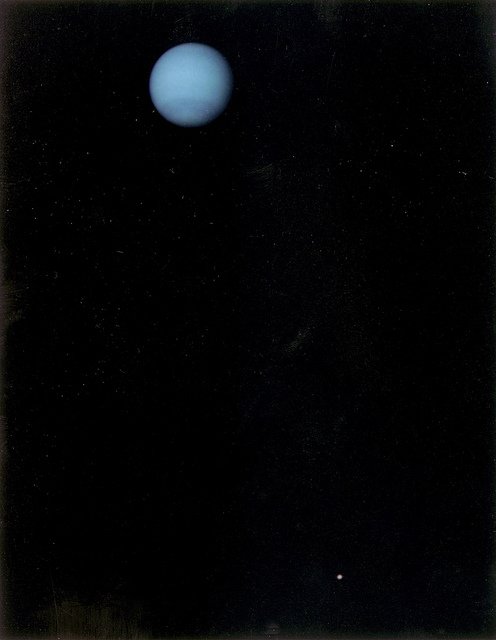
Far out! Literally! Voyager 2 returned this photo of Neptune and its moon Triton (bottom right) #onthisday in 1989 when it was 76 million km (47 million miles) from the planet. Voyager 2, launched in 1977, is the only spacecraft to have ever visited Uranus and Neptune.
Our #HubbleTopImage features observations of Uranus and Neptune from 2021 that helped astronomers understand why these two planets are different colours. Read more here: https://t.co/FyHC9uNlFl
WWE is saddened to learn that legendary Hollywood actor and pop culture icon Chuck Norris has passed away.
WWE extends its condolences to Norris’ family, friends, and fans.
https://t.co/kOWkG60AgS
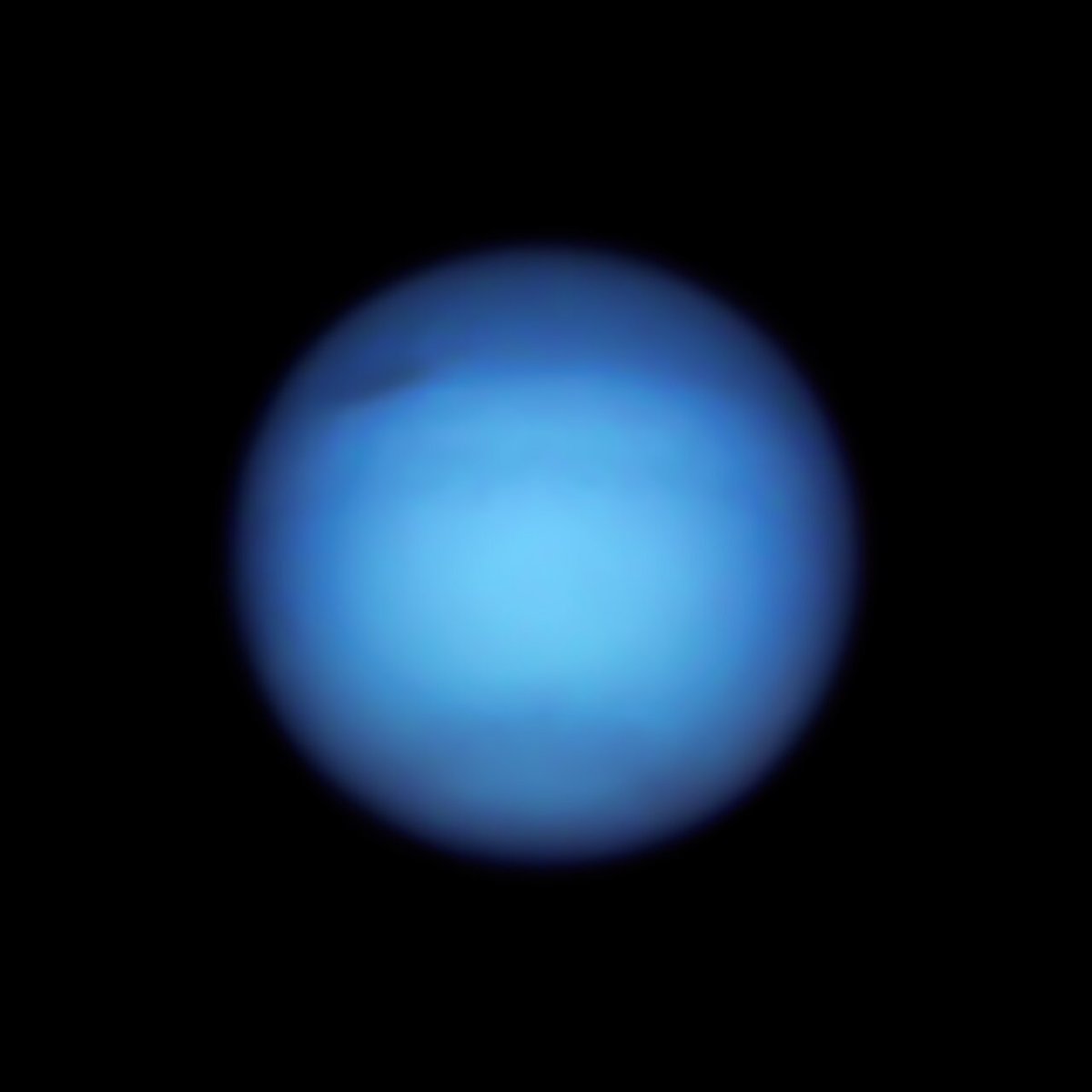
Our #HubbleTopImage features a portrait of the icy giant Neptune! 🥶
Read more: https://t.co/eQqtRSapT4
📷 @NASA , @ESA , A. Simon (Goddard Space Flight Center), and M.H. Wong (University of California, Berkeley) and the OPAL team.
Our #HubbleTopImage features the glowing blue Uranus! 🔵
Read more: https://t.co/1YCTjfN6kq
📷 @NASA , @ESA , A. Simon (Goddard Space Flight Center), and M.H. Wong (University of California, Berkeley) and the OPAL team
Uranus is unlike any other planet in our solar system, and astronomers currently rely on telescopes, like @chandraxray, to learn about this distant and cold planet.
Now, listeners can hear the ice giant through this new data sonification.
More: https://t.co/sh6kXDDJjW