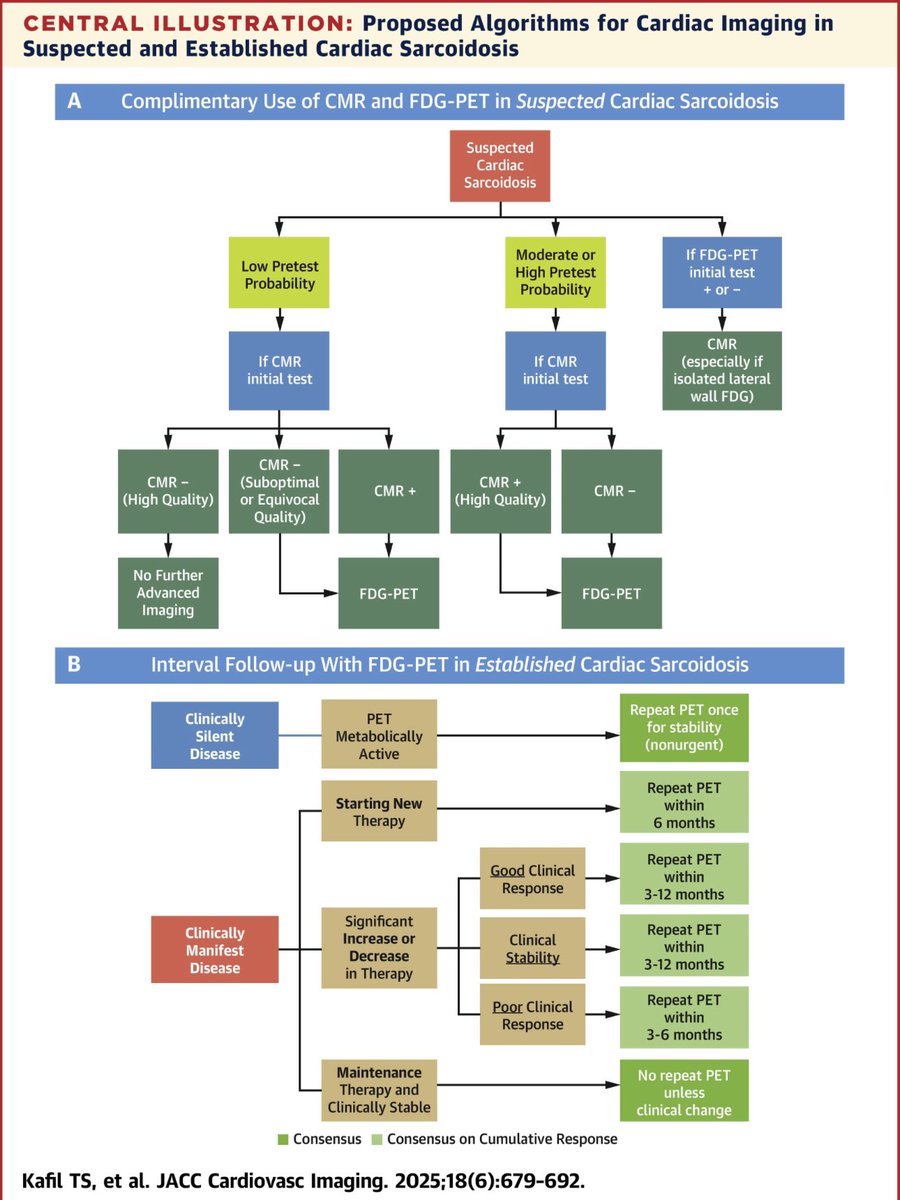
Excited to have participated in this #Delphi study for the management of 🫀#sarcoidosis, just published in @JACCJournals. Covers lots of controversial topics in #sarcoid management. https://t.co/6S861gV2WP
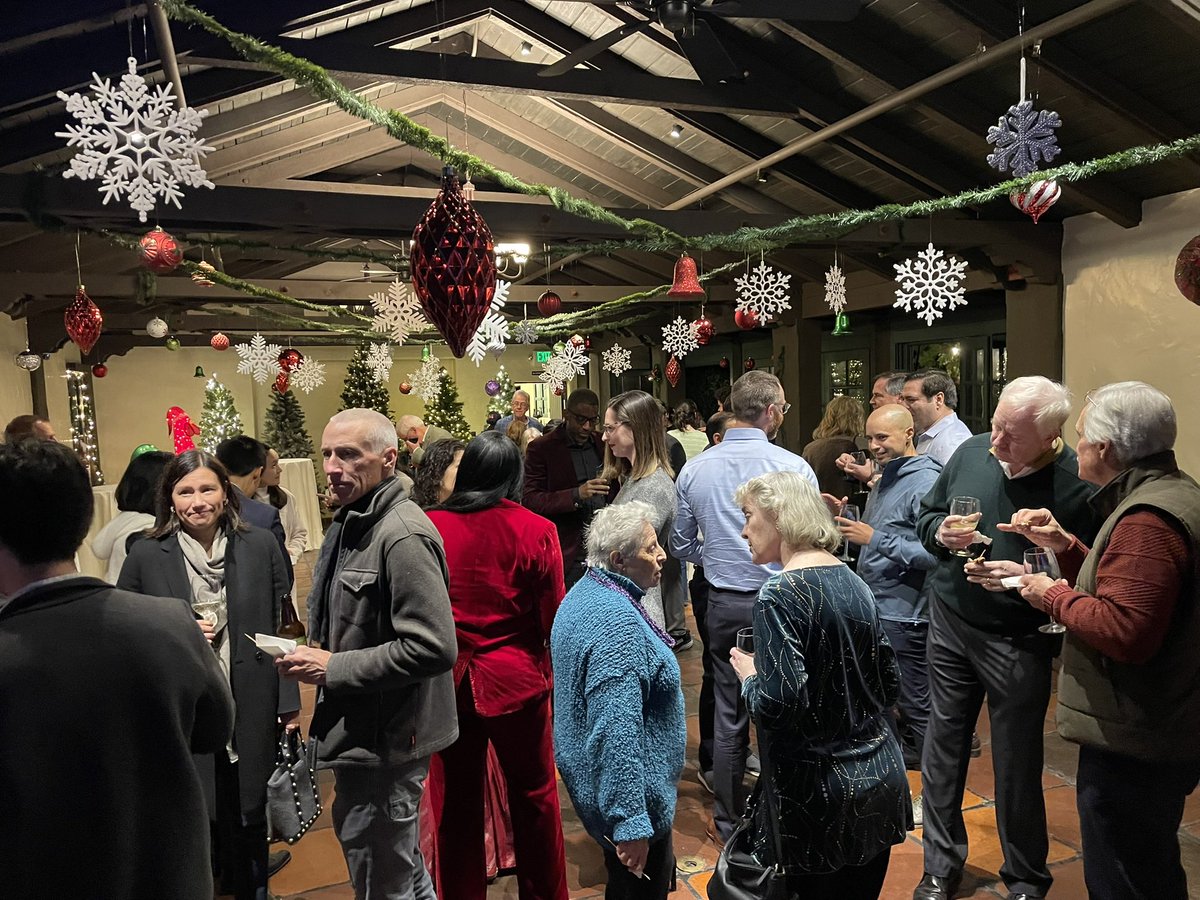
Such a wonderful evening getting together for the Division of Immunology and Rheumatology Holiday Party! 🎉 🎄 We are excited for a collaborative and productive 2025!
@itchdoctor What do you think the implications of this are for all the migraines patients on anti-CGRP therapies (i.e., reduced ability to combat viral infections)?
We are thrilled to announce our new Chair of the Stanford Department of Medicine, Dr. Euan Ashley @euanashley . We have a great future ahead!!! Dr. Ashley becomes Chair Sept 18th, 2024.
Inebilizumab hit its primary and key secondary endpoints for #IgG4RD. Huge moment for the IgG4-RD community! Looking forward to full results. https://t.co/eUKXj7ZDpB..
Check out this latest publication! The Robinson lab demonstrated a key role for coagulation pathways in the development of osteoarthritis- read more about the work as published in JCI Insight. @StanfordMed#immunology#osteoarthritis#rheumatology
https://t.co/3dXFwtuTiw
Adding to the narrative that allergic diseases may contribute to #osteoarthritis, @mbake013 and colleagues found that genetic risk for atopic disease was associated with knee OA in a Mendelian randomization study.
@QOstrom @wrobins111
📖 https://t.co/SQDIkYvBux
A recent small placebo-cont'd #RCT of IL6R inhibitor #sarilumab for #sarcoidosis found no benefit despite plausible biology.
Is a larger RCT needed? Can we predict what that RCT might find?
🚨Human genetic data do 𝐧𝐨𝐭 support IL6Ri for sarcoidosis https://t.co/yjxtgWJjpj
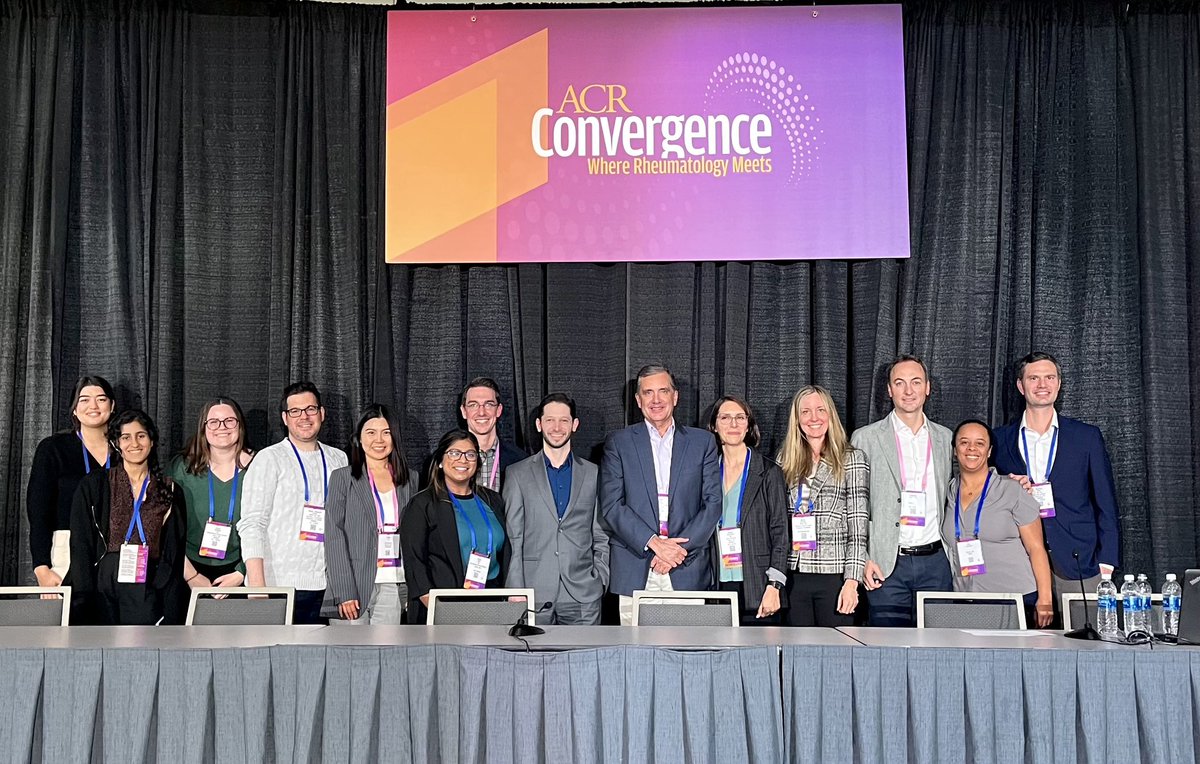
Impressive and important study supporting safety of TNF inhibitors among patients with RA-ILD. Elegant methods of target trial emulation. Congrats to the authors on plenary presentation!
#ACR23
When Einthoven introduced the ECG to the world, he uniquely labeled its parts PQRST, inspired by mathematicians who used Ps & Qs in coordinates. Yet, he believed there was more to find, so he started in the alphabet's middle, leaving room for new discoveries on both sides.
1/n