SERENA-6 — my running notes 📝
Inspired by an excellent Oncology Brothers video discussion with Dr Erica Mayer on translating SERENA-6 into everyday practice.
🎥 Full discussion:
https://t.co/RDT1cBSEnh
• Who & when to test? After ≥6 months of 1L AI + CDK4/6i, serial ctDNA monitoring can detect emerging ESR1m before radiological progression.
• Does switching early matter? AI → camizestrant while continuing the same CDK4/6i improved PFS: 9.2 → 16.8 months | HR 0.45
• Does the benefit persist? PFS2: 19.1 → 25.7 months | HR 0.63, with chemotherapy/ADC-free survival also prolonged.
• Co-mutations? PFS benefit was preserved with PIK3CA and TP53.
• What happens biologically? ESR1 mutant allele frequency fell profoundly within weeks after switching to camizestrant.
• Which CDK4/6i? SERENA-6 included palbociclib, ribociclib and abemaciclib—the same CDK4/6i was continued.
• The bigger question: Do we always wait for the scan to progress—or can we detect endocrine resistance molecularly and intercept it earlier?
My running notes & takeaways — not a transcript.
#SERENA6 #Camizestrant #ESR1 #ctDNA #BreastCancer #PrecisionOncology #MedicalOncology #MVOnco
🚨 KEYNOTE-826: 5-year follow-up confirms durable survival benefit in advanced cervical cancer
Pembrolizumab + chemotherapy ± bevacizumab continues to deliver a striking long-term benefit in first-line persistent, recurrent or metastatic cervical cancer.
At ~5 years follow-up:
🔹 PD-L1 CPS ≥1
• 5-year OS: 33.9% vs 19.7%
• Median OS: 28.6 vs 16.5 months
• HR 0.62
• 5-year PFS: 27.3% vs 9.9%
• HR 0.58
🔹 ITT population
• 5-year OS: 33.0% vs 18.1%
• HR 0.64
• 5-year PFS: 26.2% vs 9.0%
• HR 0.61
Importantly, the survival curves remained separated throughout long-term follow-up, with a PFS plateau suggesting a subset of long-term responders.
✅ Benefit maintained across major subgroups
✅ No new safety signals
✅ No additional treatment-related deaths since the final analysis
Clinical verdict:
KEYNOTE-826 has moved beyond showing an early immunotherapy benefit. The 5-year data establish the durability of pembrolizumab + platinum/paclitaxel ± bevacizumab as a first-line standard in advanced cervical cancer.
⚠️ This was an exploratory, descriptive long-term analysis without prespecified hypothesis testing.
@ASCO@OncoAlert
#CervicalCancer #Immunotherapy #KEYNOTE826 #GynOnc
🚨 KEYLYNK-001: PFS-positive in BRCA1/2 non-mutated advanced ovarian cancer
Phase III ENGOT-OV43/GOG-3036/KEYLYNK-001 enrolled 1,367 patients with newly diagnosed stage III–IV BRCA1/2 non-mutated epithelial ovarian cancer.
Strategy
Pembrolizumab + chemotherapy
→ pembrolizumab + olaparib maintenance
vs chemotherapy alone.
🔥 Primary endpoint met
ITT population
PFS: 22.2 vs 14.6 months
HR 0.71
PD-L1 CPS ≥10
PFS: 23.9 vs 15.2 months
HR 0.66
But the story is more nuanced.
❌ Pembrolizumab alone did not improve PFS
CPS ≥10: HR 0.95
❌ No overall survival improvement was seen with pembrolizumab–olaparib or pembrolizumab alone.
⚠️ Toxicity
Grade ≥3 treatment-related AEs:
• Pembro + olaparib: 66%
• Pembro alone: 56%
• Control: 51%
Anemia and neutropenia were among the most frequent severe toxicities.
Clinical verdict
A meaningful PFS gain, but at the cost of greater toxicity and without an OS advantage so far.
The key question:
Is adding immunotherapy to PARP-based maintenance truly better than our existing biomarker-driven maintenance strategies?
Promising.
Potentially practice-changing.
But not yet a slam dunk.
@ASCO@oncoalert
#OvarianCancer #GynOnc #Immunotherapy #PARP
🚨 NEW ASCO 2026 Living Guideline: HR+/HER2− Stage I–III Breast Cancer
A few recommendations worth bookmarking 👇
🔹 Endocrine therapy remains the backbone of systemic treatment.
🔹 Low ER expression (<10%), stage II–III: neoadjuvant treatment may follow a TNBC-style regimen with taxane + carboplatin + anthracycline + pembrolizumab.
🔹 Neoadjuvant CDK4/6 inhibitors: insufficient evidence for routine use.
🔹 Adjuvant CDK4/6:
• Abemaciclib × 2 y for monarchE-eligible patients
• Ribociclib × 3 y for NATALEE-eligible patients
📌 ASCO suggests using absolute risk to guide CDK4/6 treatment:
25% 10-y breast cancer mortality risk → recommend
10–25% → consider
<10% → generally do not recommend
⭐ If eligible for both, the Panel favors abemaciclib over ribociclib, citing shorter treatment duration + demonstrated OS benefit.
🧬 High-risk germline BRCA1/2 or PALB2 → offer 1 year adjuvant olaparib; ASCO prioritizes olaparib over CDK4/6 inhibition when both apply.
Verdict: Early HR+/HER2− breast cancer management is becoming increasingly risk-adapted, genomically informed, and targeted.
@ASCO@OncoAlert #BreastCancer #Oncology
RxPONDER revisited: was “premenopausal” really the biomarker?
RxPONDER showed a striking divide:
• Postmenopausal + 1–3 nodes + RS ≤25 → no chemotherapy benefit
• Premenopausal + 1–3 nodes + RS ≤25 → chemotherapy benefit
But why did younger women benefit—direct cytotoxicity, or chemotherapy-induced ovarian suppression?
A new RxPONDER biomarker analysis looked at pretreatment ovarian reserve.
🔹 AMH ≥10 pg/mL: clear chemotherapy benefit
→ IDFS HR 0.46
→ 8.5% absolute 5-year IDFS benefit
🔹 AMH <10 pg/mL: no demonstrated chemotherapy benefit
→ IDFS HR 1.27
Importantly, 20.6% of women classified as premenopausal <55 years had AMH <10 pg/mL.
The emerging idea:
Menstrual status ≠ ovarian reserve.
The chemotherapy signal in RxPONDER may be closely linked to functioning ovarian reserve, supporting the hypothesis that ovarian suppression contributes substantially to the observed benefit.
⚠️ Not practice-changing yet: this does not prove that OFS can replace chemotherapy, and the 10 pg/mL threshold requires an ultrasensitive AMH assay—routine assays are not automatically interchangeable.
Take-home: Perhaps the better question is no longer “Is she premenopausal?” but “How much ovarian reserve does she actually have?”
Reference: Kalinsky K, et al. Ann Oncol. 2026;37. SWOG S1007 (RxPONDER).
#BreastCancer #RxPONDER #OncotypeDX #AMH #OvarianReserve #MedicalOncology #BreastOncology #MVONCO
HER2DX in early-stage HER2-positive BC: a review of clinical utility in @ESMO_Open. Genomic-clinical test with providing prognostic relapse risk score, pCR score, ERBB2 mRNA expression score. Potential support for individualized Tx discussion. https://t.co/EvAXKNiaGS
🎉 Our new study is now published in JCO Global Oncology!
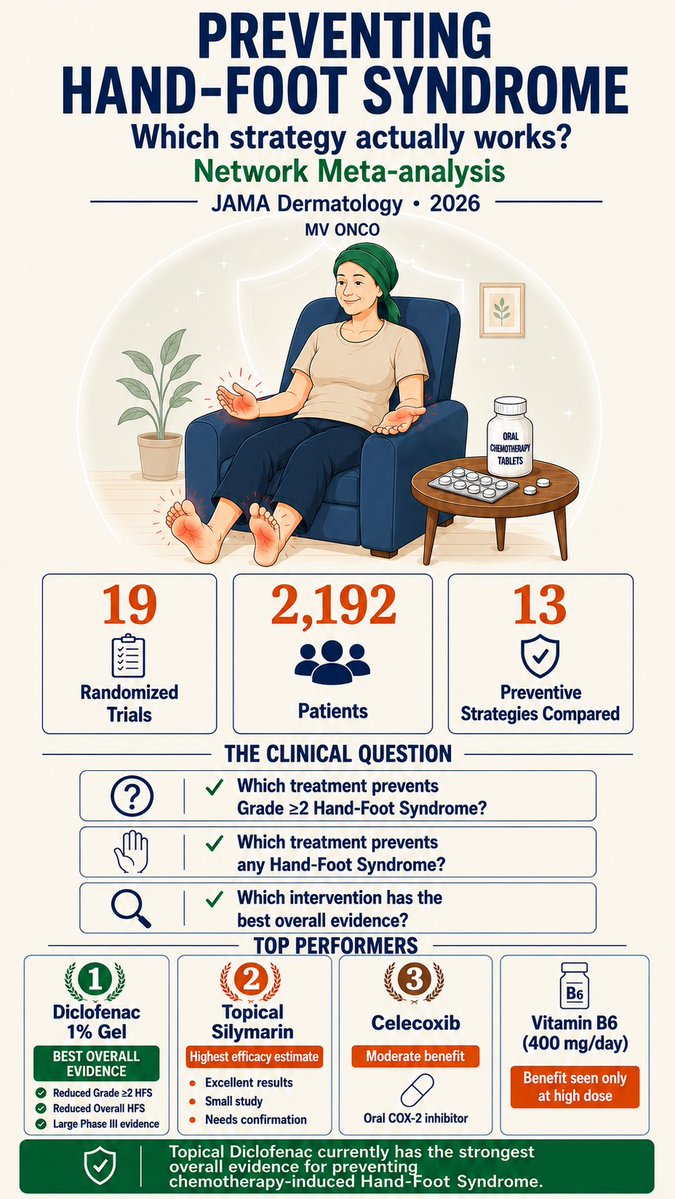
💊🖐️ Topical Diclofenac for Prevention of Capecitabine-Induced Hand-Foot Syndrome: A Prospective Real-World Study
🔬 In this prospective, two-center real-world study of 151 patients receiving capecitabine-based therapy, we evaluated prophylactic topical diclofenac for the prevention of clinically significant hand-foot syndrome (HFS).
📊 Grade ≥2 HFS occurred in 16.9% (12/71) with topical diclofenac versus 13.8% (11/80) with active monitoring (OR 1.28; 95% CI, 0.52–3.10; P = .591).
💡 Our findings showed that prophylactic topical diclofenac did not reduce clinically significant HFS or delay its onset in routine clinical practice, adding prospective real-world evidence to this evolving area of supportive oncology.
🙏 Special thanks to our first author, Dr. Orhun Akdoğan(@drOrhunakdogan) and our mentor, Dr. Osman Sütcüoğlu(@osutcuoglu) for their leadership and guidance, and to our entire team(@uyargalip, @kbaskurtt, @yucelbirkadriye) for their valuable contributions. Grateful to be part of this collaboration!
📖 @JCOGO_ASCO | @ASCO
🔗 https://t.co/CPA4TFMPbF
#JCOGlobalOncology #ASCO #Oncology #SupportiveCare #Capecitabine #HandFootSyndrome #RealWorldEvidence
@KVanLoonMD@RyanNipp@thenasheffect@IshwariaMD@ASCOPres
Beyond a single disease: review of rare histological subtypes of triple-negative breast cancer with implications for prognosis and treatment
Great review👇
https://t.co/7Nknzf1Ee8
🧠 OBESIDAD 2026: EL IMC YA NO ES SUFICIENTE
Una revisión de Nature Reviews Endocrinology sintetiza las nuevas guías de EASO 2024, Lancet Commission 2025, ACC 2025 y AACE 2025, y el mensaje es claro: la obesidad debe diagnosticarse por exceso de adiposidad + impacto clínico, no solo por peso o IMC. Diagnosis, staging and management of obesity a synthesis of contemporary guidelines.pdf
📏 ¿Qué cambia en la práctica?
El IMC sigue siendo útil como screening, pero puede pasar por alto hasta ~50% de personas con exceso de grasa corporal. Por eso se recomienda añadir circunferencia de cintura y especialmente cintura/talla (WHtR). Una WHtR ≥0,5 sugiere adiposidad central y mayor riesgo cardiometabólico.
🩺 Ahora importa “qué daño está produciendo” la obesidad:
Se deben buscar complicaciones en 3 dominios:
• Cardiometabólico: HTA, DM2, dislipidemia, MASLD, IC, enfermedad cardiovascular.
• Biomecánico: apnea del sueño, osteoartrosis, ERGE, limitación funcional.
• Otros órganos: ERC, alteraciones psicológicas y neoplasias asociadas.
📊 Nueva forma de estadificar:
Estadio 1: exceso de adiposidad sin complicaciones.
Estadio 2: complicaciones leves/moderadas o enfermedad crónica establecida.
Estadio 3: daño de órgano, limitación funcional importante o múltiples complicaciones graves.
💊 El tratamiento también debe escalar según gravedad: estilo de vida → farmacoterapia → cirugía metabólica/bariátrica, en lugar de decidir únicamente por un número de IMC.
🔑 Para recordar:
Ya no debemos preguntar solamente “¿cuánto pesa?”, sino “¿dónde está la grasa y qué daño está causando?”.
Inflammatory breast cancer: improving research and care through the integration of preclinical evidence and technological advances
https://t.co/3e59Cgt4yK
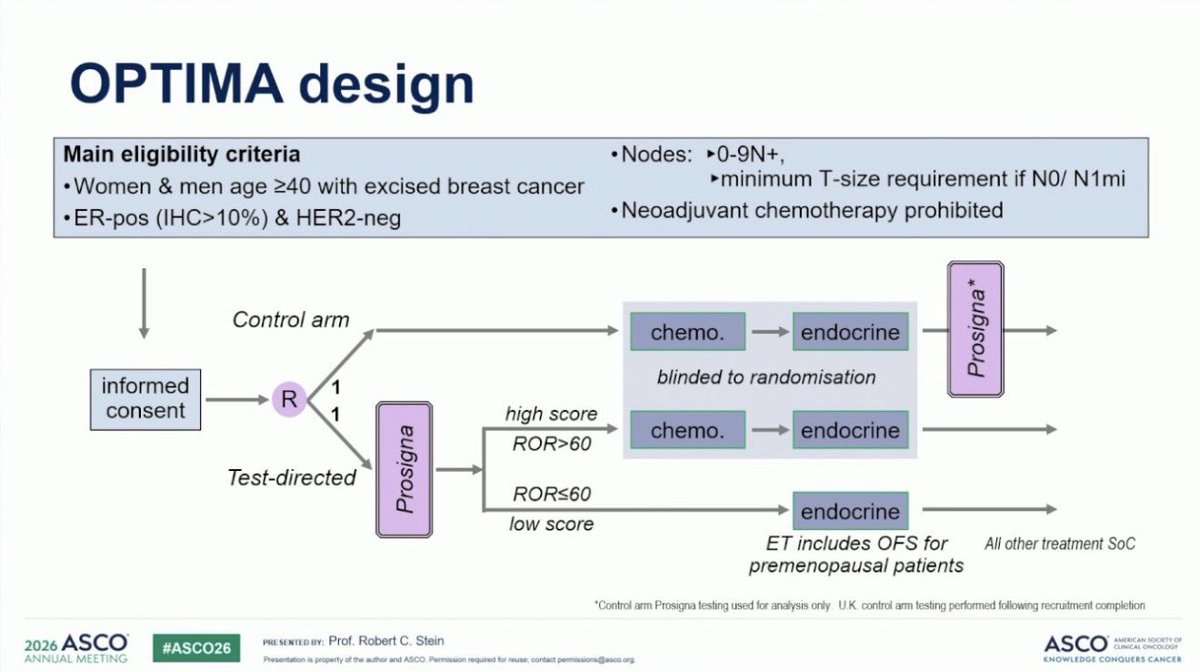
Still trying to figure out how to adopt the data from OPTIMA trial in my practice (and how to use OncotypeDx vs. PAM50 scoring/test). Who is the right patient? Should I pivot completely from other tests and just rely on PAM50?
@ErikaHamilton9@PTarantinoMD@hoperugo@DrSGraff
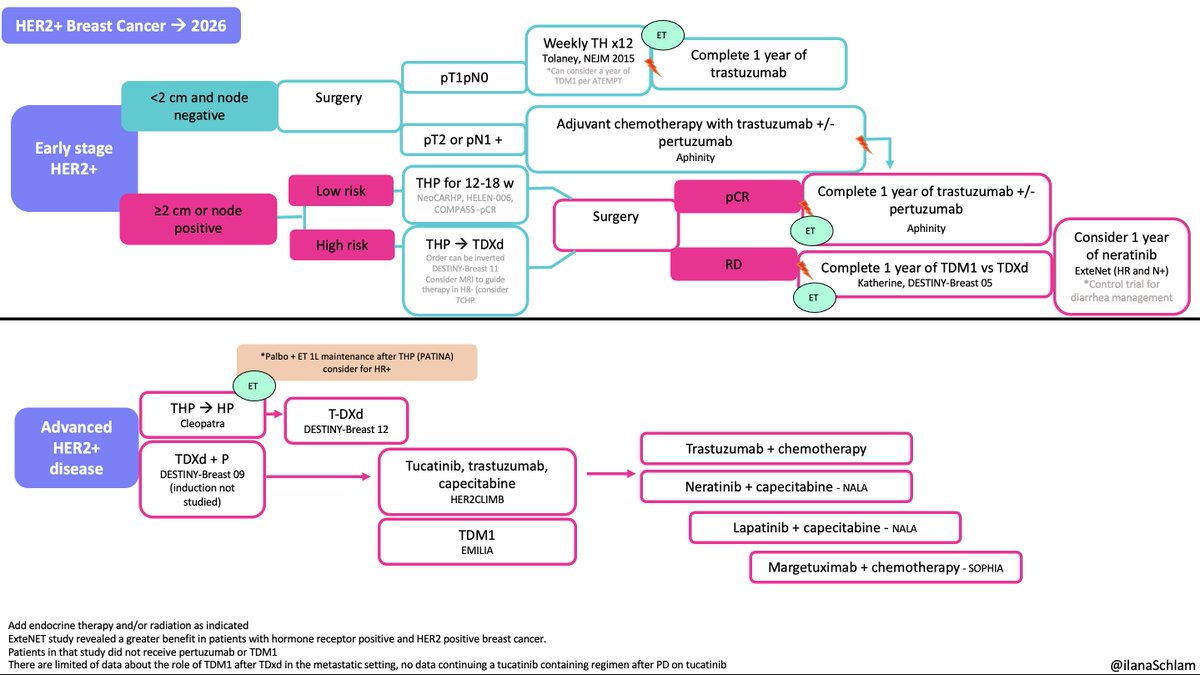
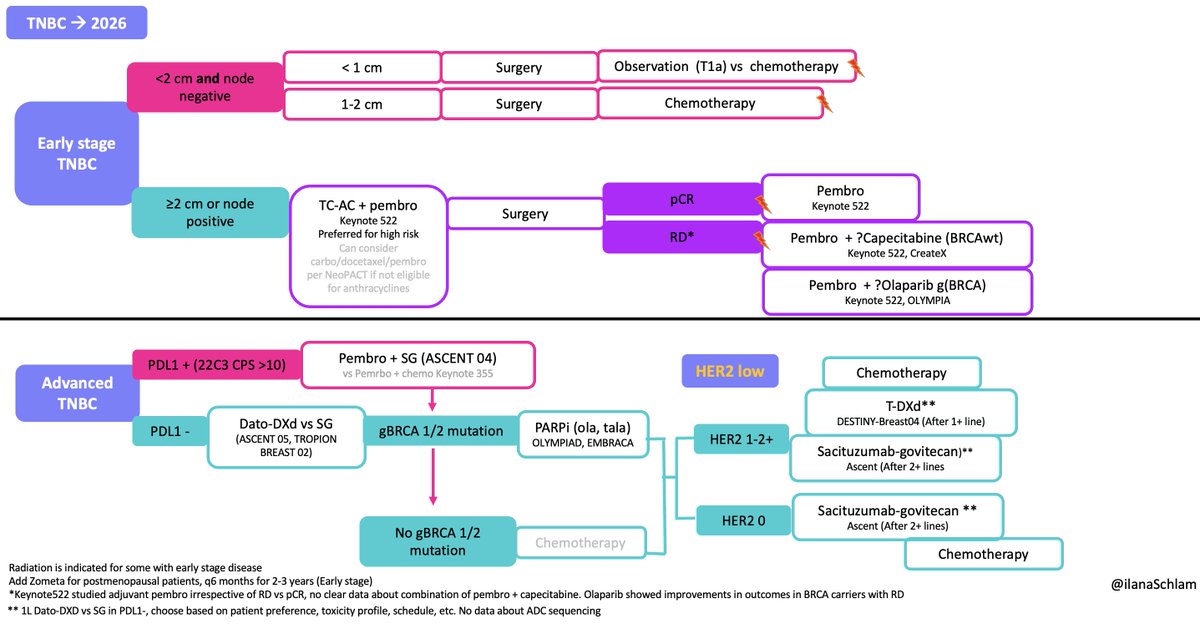
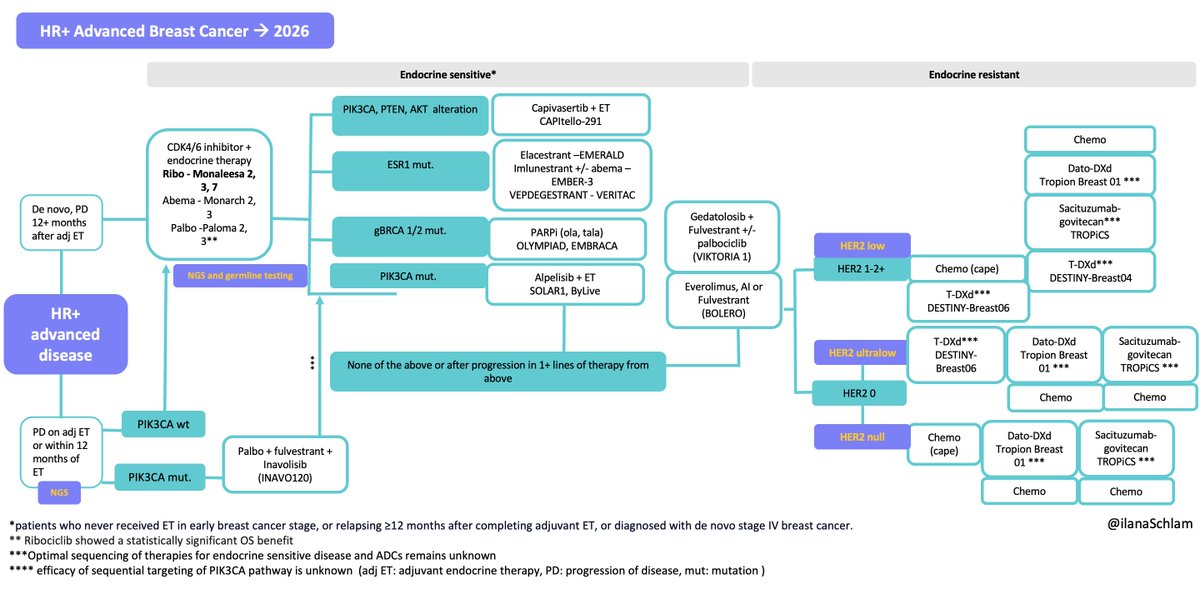
With 6 FDA approvals in breast cancer already in 2026, it was time to update the breast cancer treatment algorithms. It's a great problem to have when innovation is moving so fast that it's hard to keep up #bcsm@OncoAlert@DFCI_BreastOnc
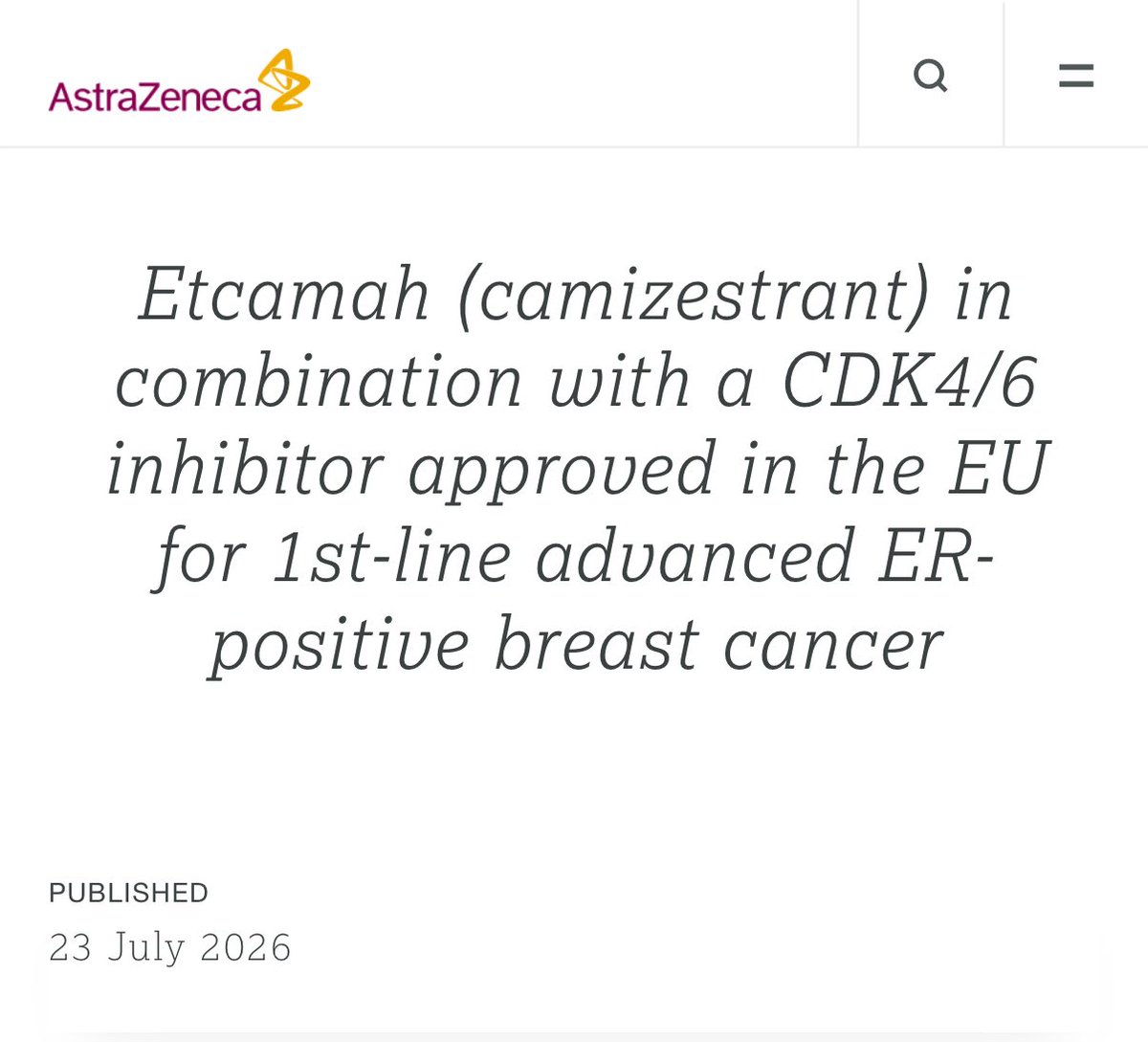
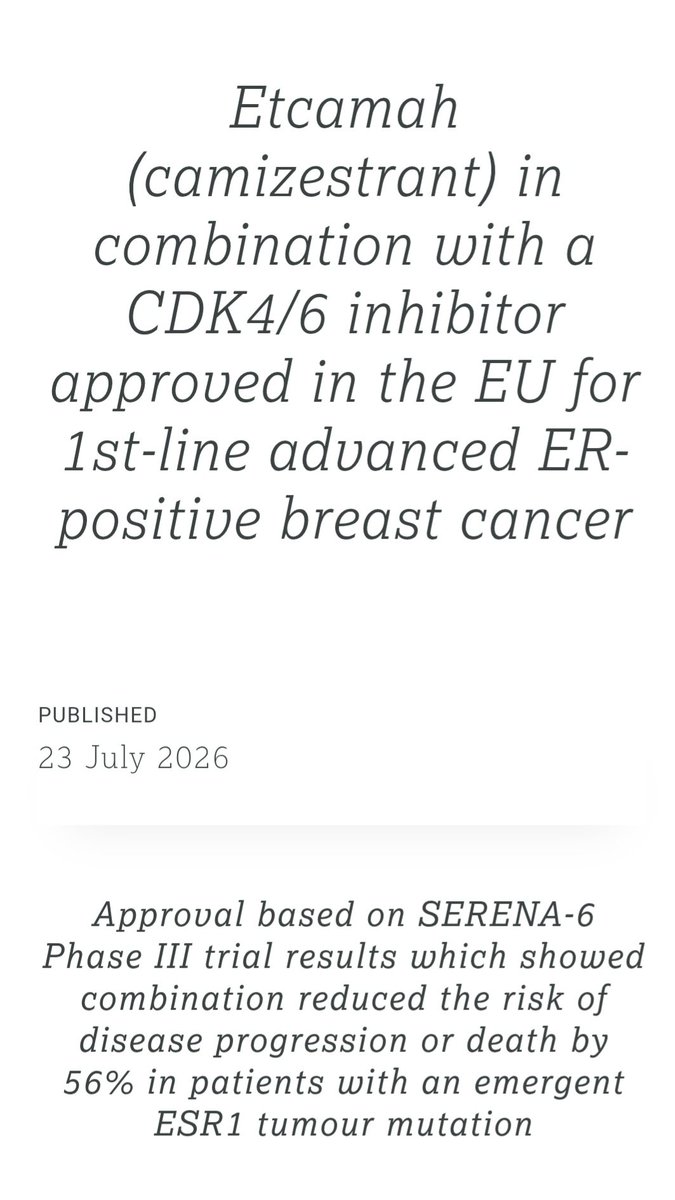
Camizestrant now approved in Europe. New treatments are always welcome. Though implementation of cami will require sequential ctDNA testing without PD, which may not be immediately available across 🇪🇺. Hoping to have the drug also available in the 🇺🇸 soon. https://t.co/aoCU4ak1pp
EMA is usually more cautious, while the FDA tends to be faster and more flexible, especially in oncology. SERENA-6 has reversed that pattern: camizestrant is now approved in the EU.
This is welcome news for patients. A rejection could have dealt a major blow to innovative, biomarker-guided trial designs. SERENA-6 has its limitations—and I have many criticisms—but this approval is still very encouraging.
https://t.co/b0b8F11OWL
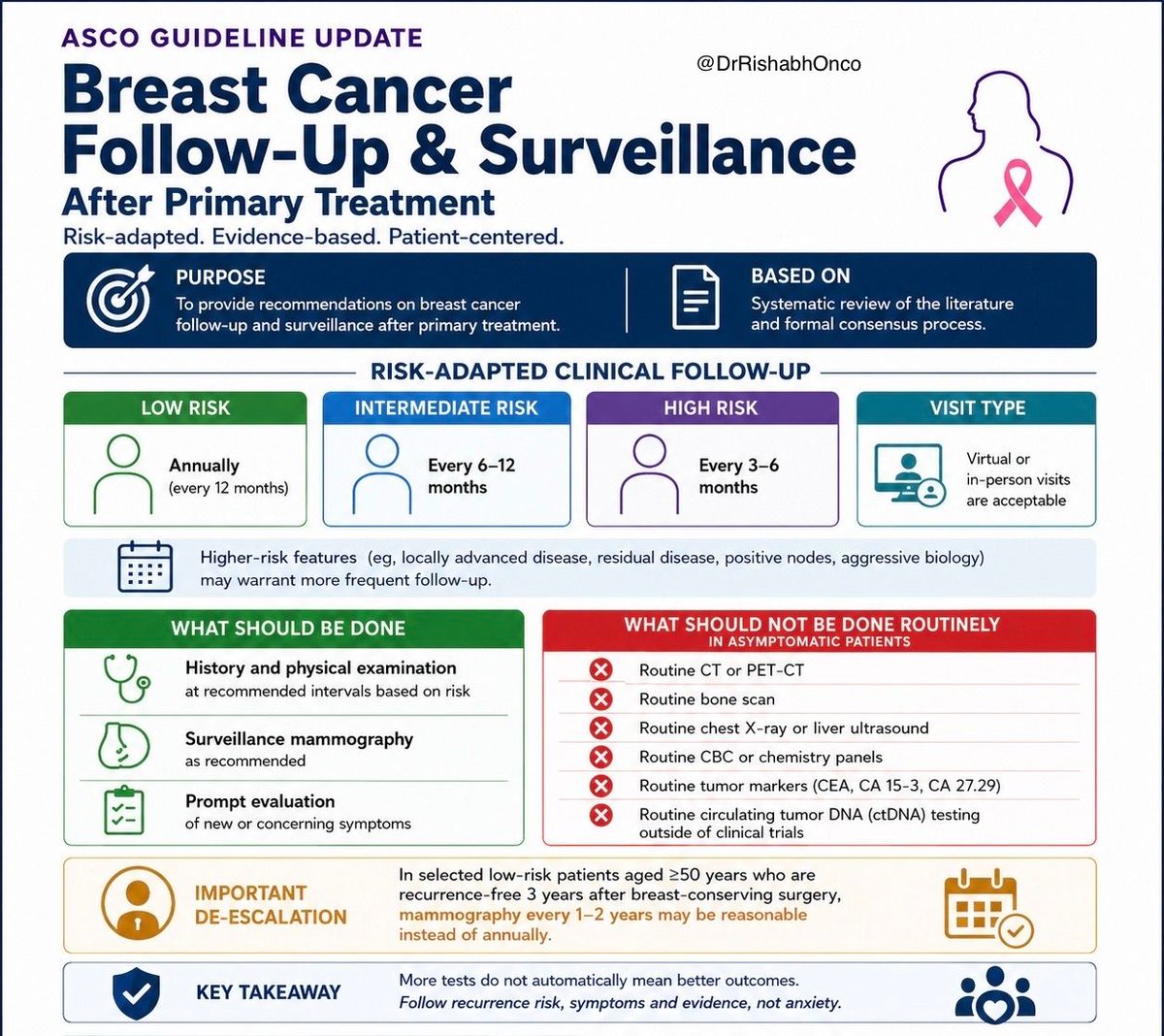
🚨 New @ASCO guideline on breast cancer surveillance after curative treatment
The biggest change: follow-up should be risk-adapted, not one-size-fits-all.
Clinical follow-up
🔹 Low risk: annually
🔹 Intermediate risk: every 6–12 months
🔹 High risk: every 3–6 months
🔹 Virtual visits are acceptable
What should be done
✅ History and physical examination
✅ Surveillance mammography
✅ Prompt evaluation of new symptoms
What should NOT be done routinely in asymptomatic patients
❌ CT or PET-CT
❌ Bone scan
❌ Chest X-ray or liver ultrasound
❌ CBC or chemistry panels
❌ CEA, CA 15-3 or CA 27.29
❌ ctDNA surveillance outside clinical trials
Important de-escalation
For selected low-risk patients aged ≥50 years who remain recurrence-free 3 years after breast-conserving surgery, mammography every 1–2 years may be reasonable instead of annual imaging.
Clinical takeaway
More surveillance does not necessarily improve outcomes.
Follow recurrence risk, symptoms and evidence, not anxiety.
Will this change your follow-up practice?
@oncoalert #BreastCancer #ASCOGuidelines