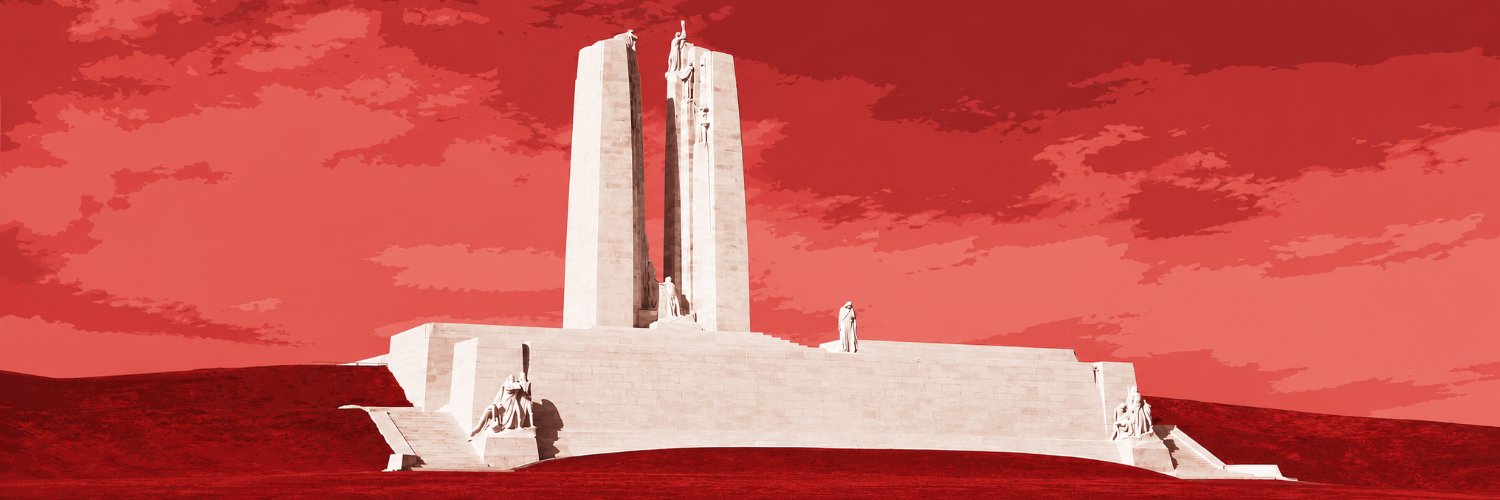
@Guigz75116 Quebec was a distinct people, not a sovereign nation, in 1760. Britain conquered New France, not an independent country. France effectively chose the Caribbean sugar islands over New France when it was ceded to Britain. Quebec's distinctiveness survived because of British policy.
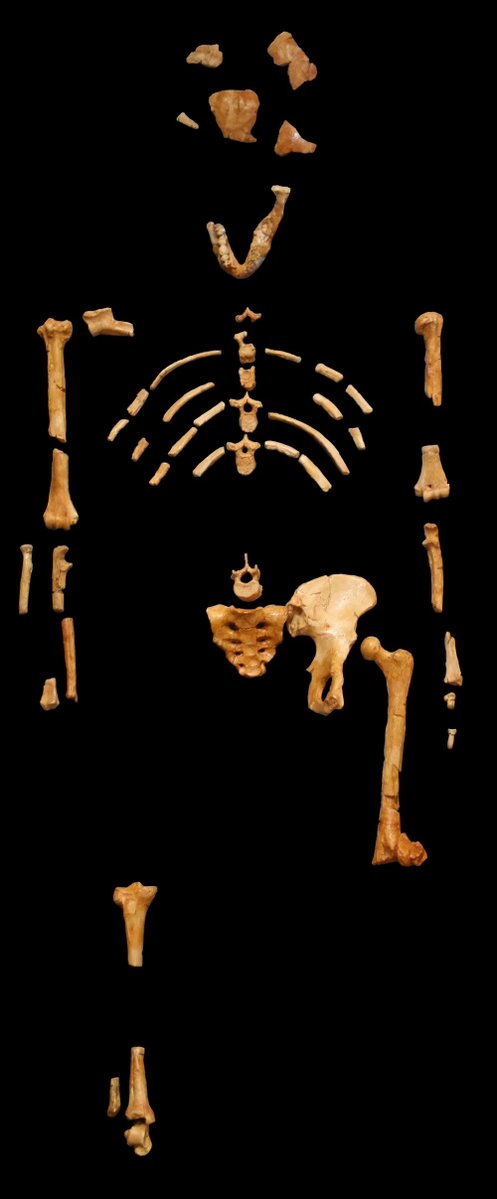
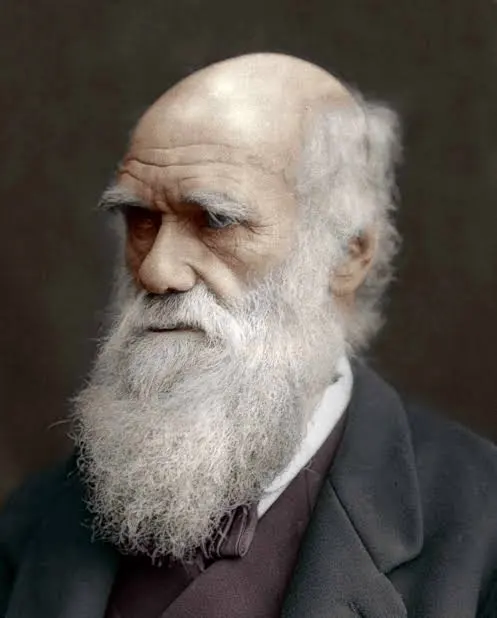
Double anniversary #OTD: the discovery of the "Lucy" skeleton in Ethiopia (1974), and the publication of Charles Darwin's 'On the Origin of Species' (1859)
On Tuesday, December 8, I’ll share the story of A. Harold “Nick” Carter, my great-grandfather, who went from being a 14-year-old boy to an 18-year-old veteran of the First World War. Join me from 6:00 to 8:00 p.m. at New Stadium, 83 Walnut Avenue in Toronto.
A photograph of Veterans of the War of 1812 at the home of William B. Jarvis in Toronto in 1861. This is one of the first few photos ever taken in Toronto.
I have an idea. Let Roshel buy the Brampton Stellantis plant to build some armoured vehicles. Let Roshel lease part of the plant to the US startup REO to build practical pickup trucks here in Canada for Canadians. https://t.co/OoPdJcHkcr
I wasn't gonna write on Brampton yet again, but today brings timelines back into things so I think it's important to lay out what we over at TNSR are working with. My assesment still stands. I have little doubt the Feds knew about the process and we're at least engaged.
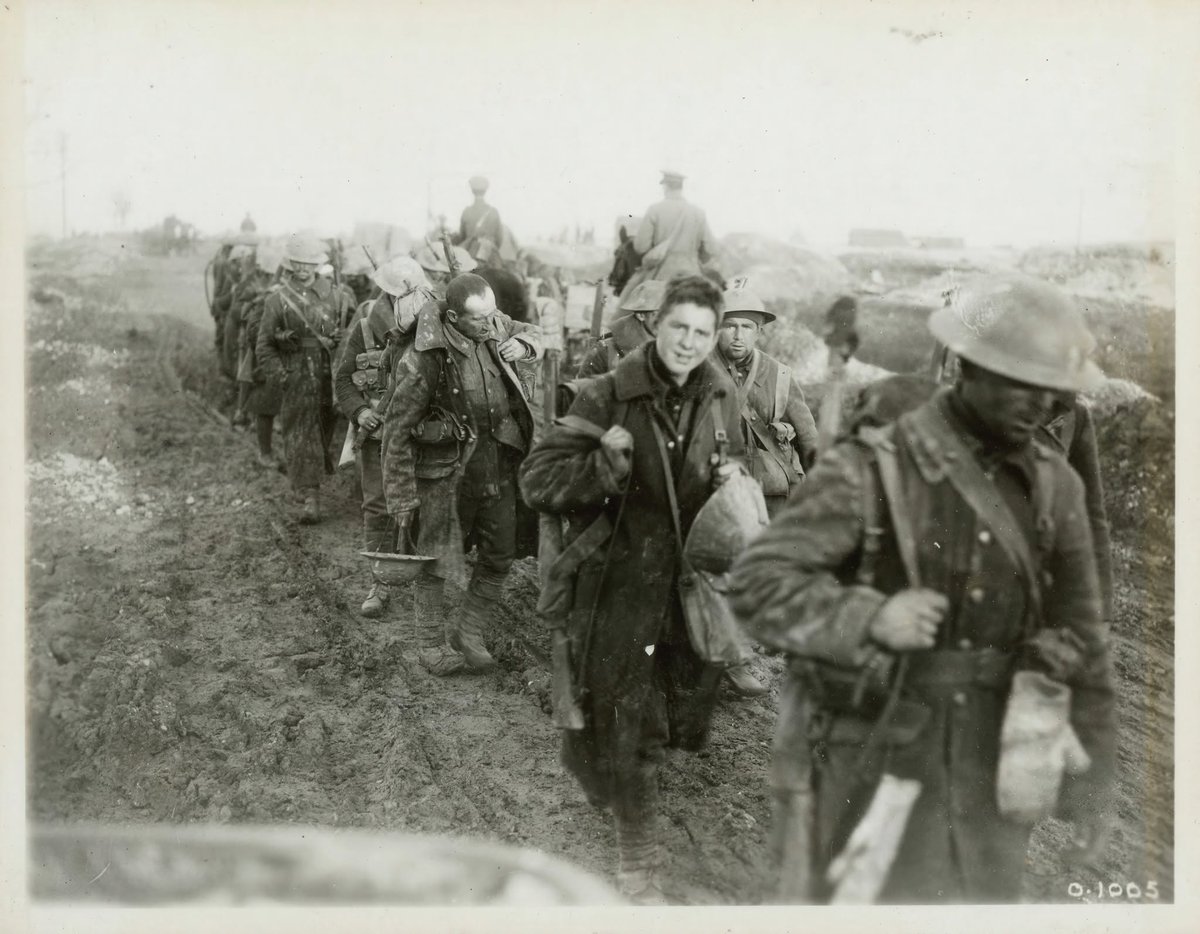
Today I remember the World War I journey of my great-grandfather, Private A. Harold “Nick” Carter, who lied about his age to enlist in the fledgling Canadian Army at just 14. Fought in the Somme and Vimy and was critically injured at Passchendaele.
https://t.co/qvW4nIX38X
The 127th York Rangers Overseas Battalion marching from Newmarket, Ontario to Toronto's Junction neighbourhood on April 10, 1916 during WWI. The long trek would have been about 50 kms long.
Note the flags representing different neighbourhoods: Mimico, North Toronto and many others.
credit: Library & Archives of Canada
@JonCresswell1 If you get a chance, visit Maison Blanche, the underground chalk caves where some of the Canadian divisions stayed before the advance on Vimy.
Leonard Wood (1891~1980), a veteran of the First World War living in Oakville, Ontario, being interviewed about his experience in the trenches on the Western Front in 1978.
@GaullistTory I only see Canadians in every war who lost their lives so that we can enjoy the privilege to live in a free country. A privilege some seem to forget.
🇨🇦 LEST WE FORGET
October 26, 1917 — Canadians Begin Their Assault at Passchendaele
Into the mud, under fire, and against overwhelming conditions.
On this day in 1917, Canadian soldiers began their offensive at Passchendaele, Belgium, in what would become one of the most gruelling chapters of Canada’s First World War history.
After months of fighting, the battlefield had been reduced to a devastated landscape of flooded shell craters, shattered trees, barbed wire, and seemingly endless mud. The ground was so treacherous that simply moving forward, carrying supplies, or evacuating the wounded could become a life-threatening ordeal.
Under Lieutenant-General Arthur Currie, the Canadian Corps had spent days preparing for the assault, improving roads, positioning artillery, and planning a series of limited advances.
On the morning of October 26, the 3rd and 4th Canadian Divisions went forward.
The 3rd Division advanced toward Bellevue Spur, encountering fierce German resistance from fortified positions. To the south, the 4th Division fought toward the higher ground leading to Passchendaele.
Progress was painfully slow. Soldiers struggled through deep mud while exposed to machine-gun fire, artillery bombardment, and counterattacks. Some units secured their initial objectives, while others faced intense fighting for every stretch of ground.
The human cost was devastating. Over the first three days of the offensive, approximately 2,500 Canadians were killed or wounded, a sobering indication of the price being paid for every advance.
For those on the battlefield, October 26 was not a moment of celebration. It was a day of extraordinary hardship, courage, and loss.
Today, 109 years later, we remember the Canadians who advanced into those terrible conditions, those who never returned, and those who carried the memories of Passchendaele for the rest of their lives.
We will remember them.
#LestWeForget #CanadianHistory #WWI
🇨🇦
A friendly reminder to my fellow Canadians that beginning today the @RoyalCdnLegion has initiated the wearing of the Flanders poppy in the leadup to Remembrance Day on 11 November.
Left: Colonel John McCrae (1872-1918); &
Right: The Colonel's poem "In Flanders Fields."
On this day in 1818, The Treaty of 1818 was signed between the United Kingdom and the United States. It settled border issues including the agreement that the border line west of Lake Superior to the Pacific be along the 49th Parallel.
📸 USGS