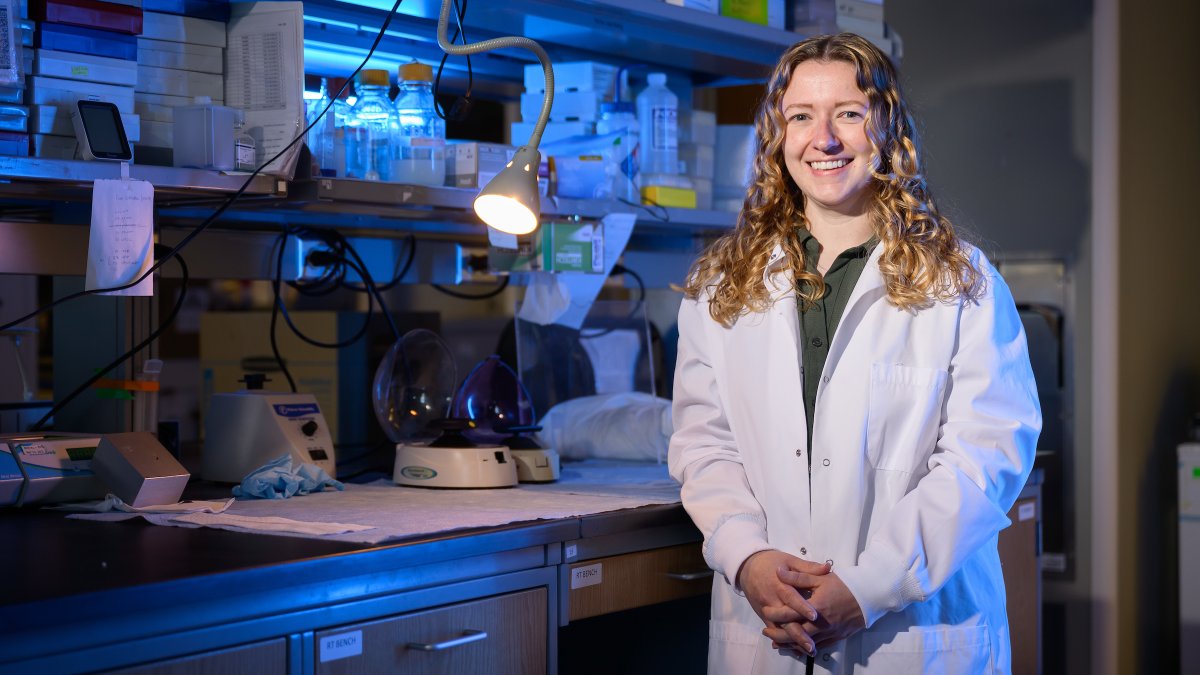
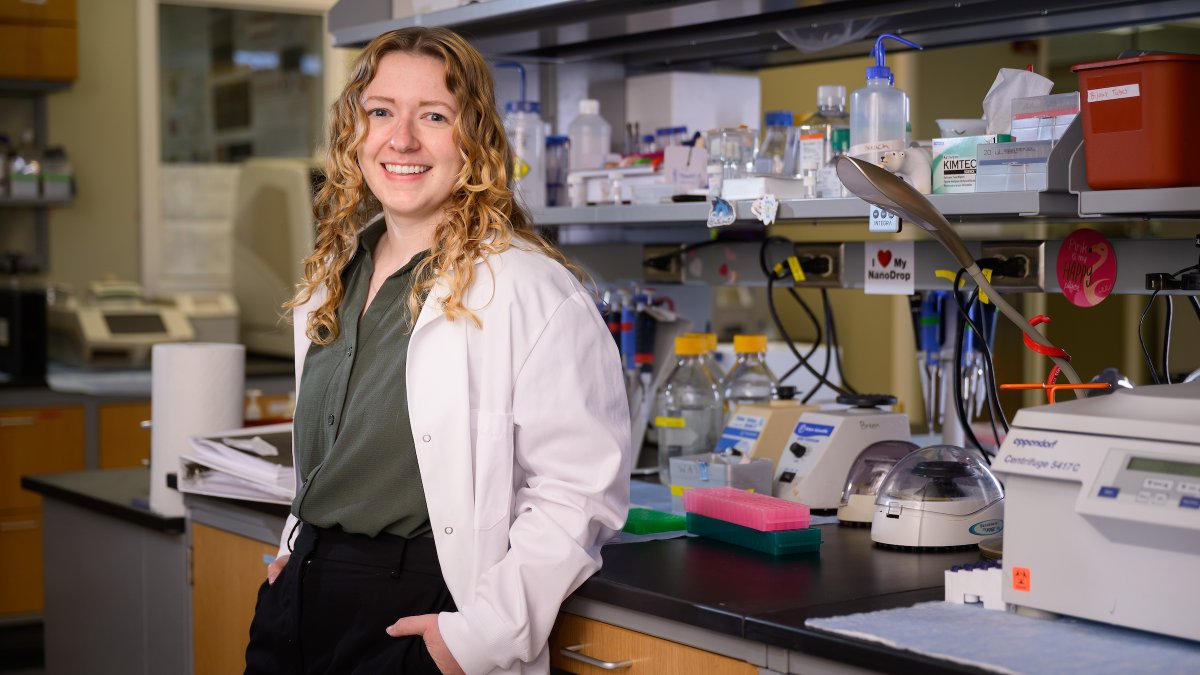
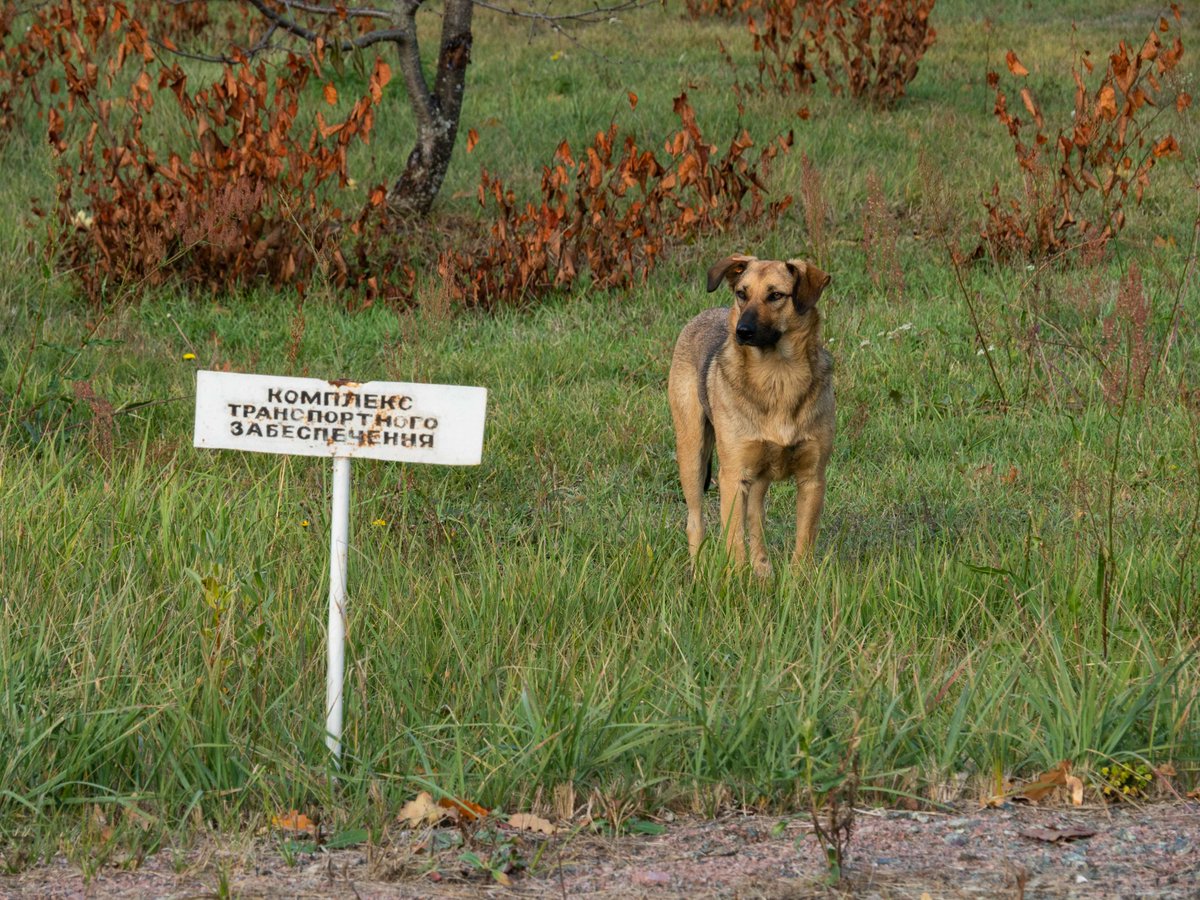
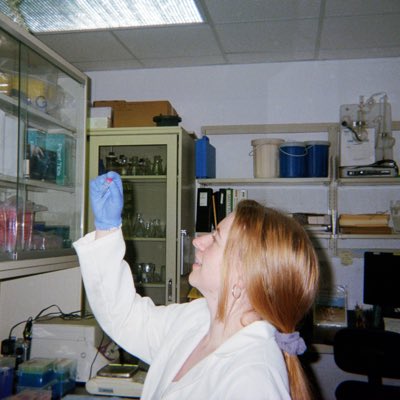
A 'NOBYL' PURSUIT: Very few graduate students have their research make international headlines, let alone before their dissertation is complete, but it’s easy to understand why Megan Dillon’s work with "Chernobyl dogs" has captured global imaginations: https://t.co/KzA95TK4kc
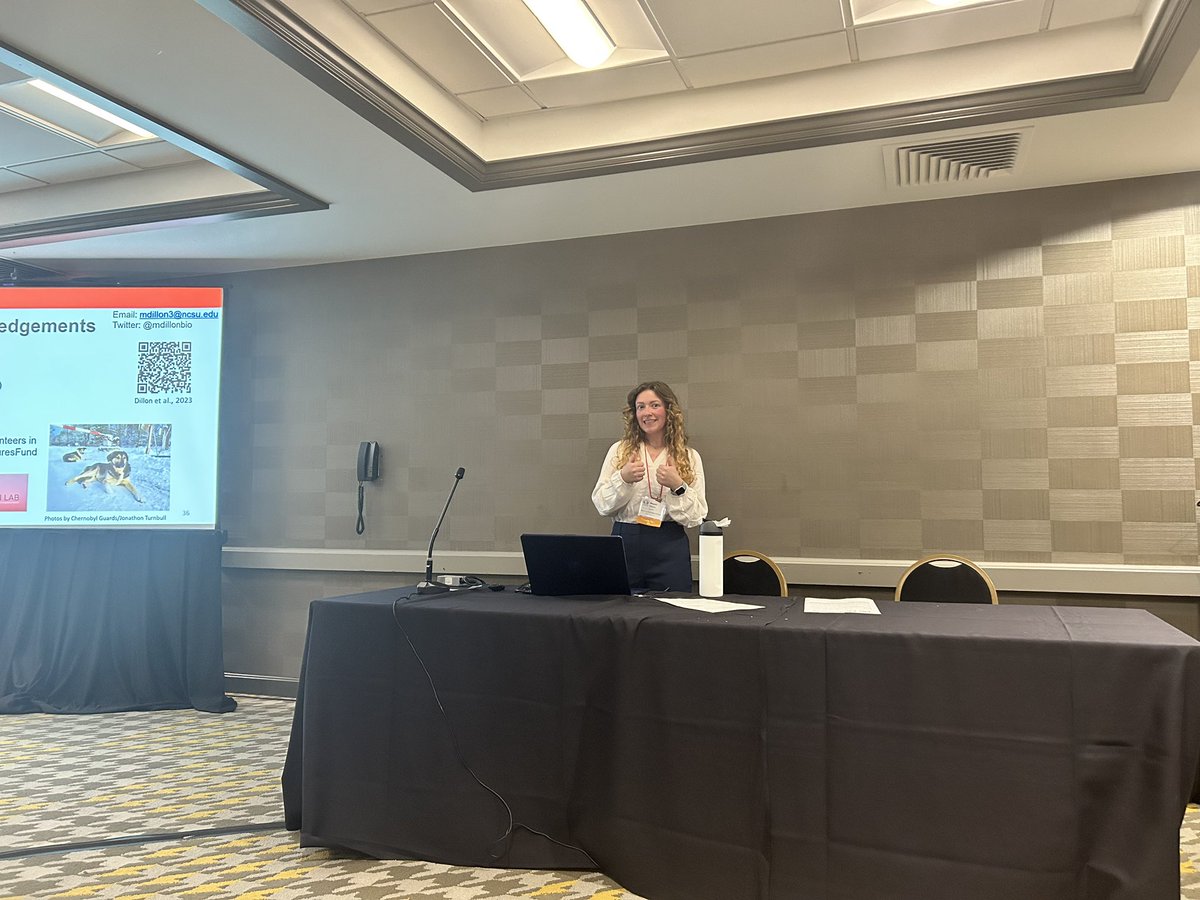
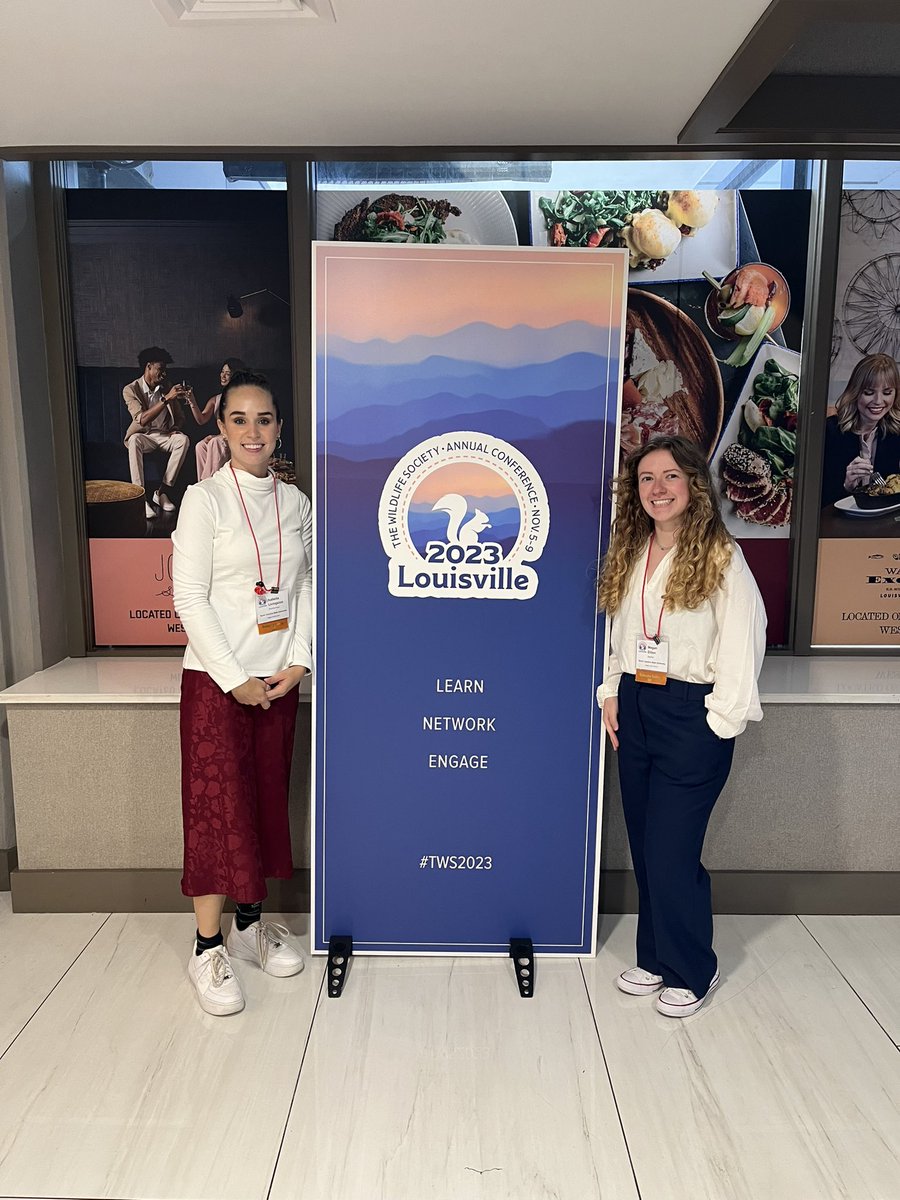
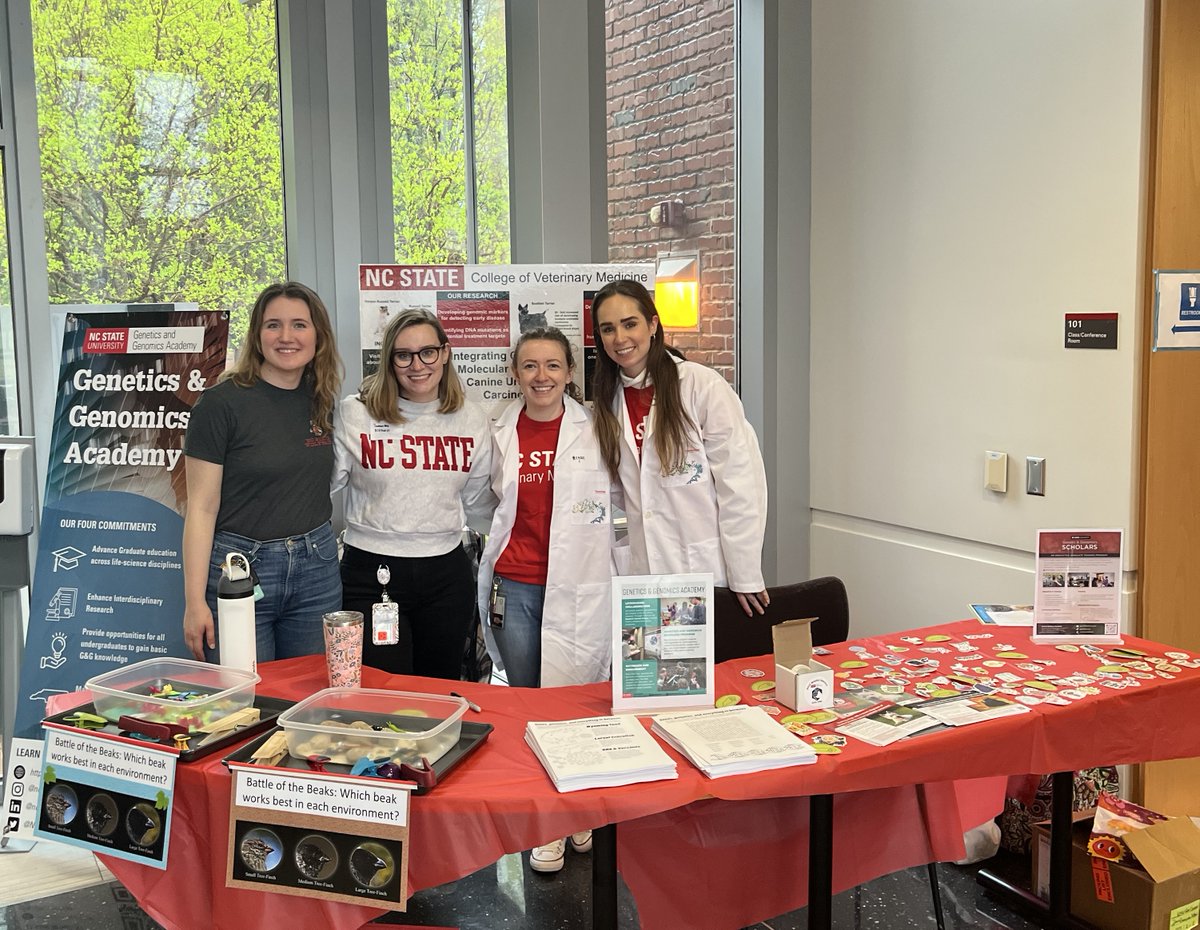
Reflecting on a great week... Thank you to everyone who made #TWS2023 a success! Safe travels home and hopefully we'll see you in Baltimore, Maryland next year for our 31st Annual Conference Oct. 19-23, 2024.
Dogs are humanity's best friend—but how long has it been that way? 🐕
This Science study investigated ancient dog genomes, revealing a complicated genetic legacy that reflects a long, shared history with humans. Learn more on #InternationalDogDay: https://t.co/nzyDVXiUwf
PhD student, @MadiPolera, is on a mission to better measure the health of these imperiled species... Watch the whole video on our YouTube: https://t.co/iXiLjwj6kt
The undergrads in my lab love our eppendorf research plus pipette pens (and I do too!) We love to use eppendorf products for our genetic analyses, including our look at the dogs around Chernobyl #EppendorfLife
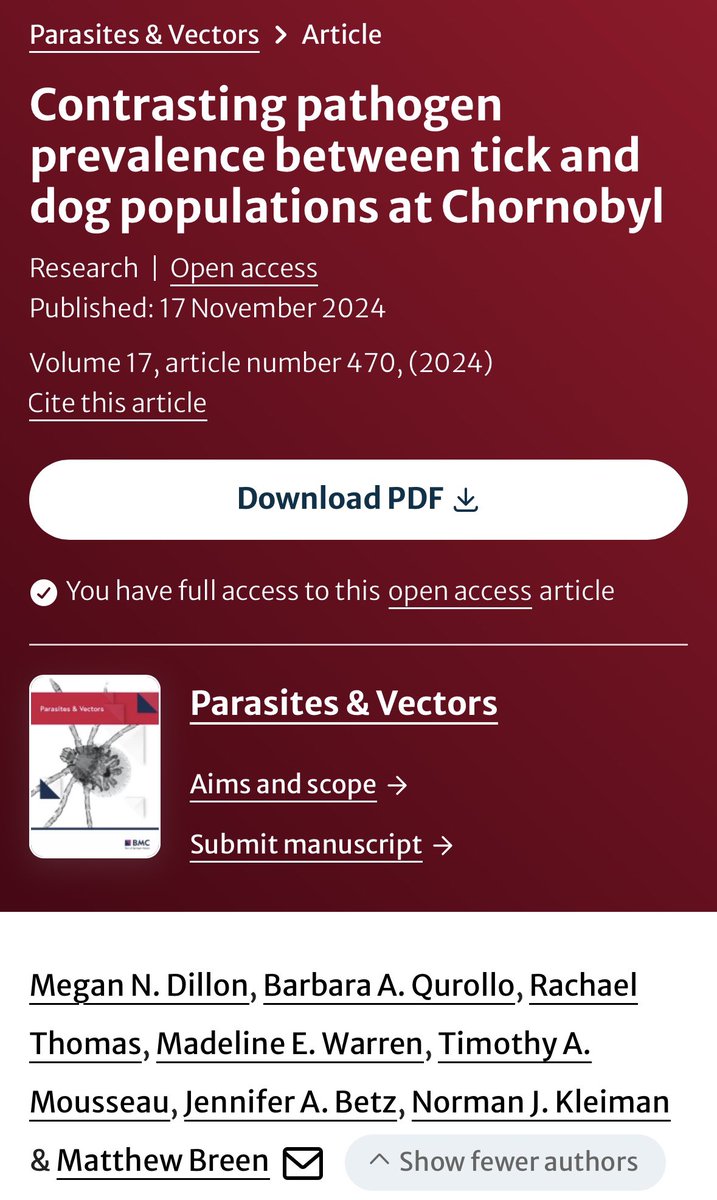
The headline, like that of many articles that have come out following the two recent Chernobyl dog publications, is a bit overly suggestive of our findings. This foundational work will aid in following genetic analyses for these dogs but