Throwback to winning the most impactful project at the @xrpl_commons hackathon during @ParisBlockWeek 🏆
What started as an idea to bring infrastructure onchain has evolved into a new green energy asset class for DeFi.
Thanks to XRPL Commons, the judges, mentors, and @JagodnikJan for cooking up the pitch 🧑🍳
NYC @Techweek_ recap:
@a16z delivered, but the real takeaway wasn't the parties or the endless Partiful waitlists.
Everyone is talking about AI.
Very few are talking about the power required to run it.
The way we see it is simple:
Software lives in the cloud ➡️ Compute runs on electricity ➡️ Electricity runs on infrastructure.
Without infrastructure, there can be no progress ⚡️
We've spent time researching sodium batteries.
The technology is promising.
Cheaper materials.
Less degradation.
Better temperature performance.
🚫But it's not there yet.
✅LFP- based technology remains on top
Higher energy density.
Smaller footprint.
Less land required.
But most importantly, LFP comes with over a decade of real-world operating data that investors understand and trust. ⚡️
Just came back from New York.
But electricity never sleeps ⚡️
So we're heading straight to Monaco for @waibsummit
Meet @JagodnikJan and @MGMWFI from our team there
If you want to catch up, our DMs are open 👋
Throwback to when we joined a Twitter Spaces AMA with @RaylsLabs ⚡️
@JagodnikJan and @alexmegawatt_ answered questions about Megawatt, discussed the future of energy, and shared our vision for creating a new green energy asset class in RWAs.
Check it out 👇
We recently got asked a question on this topic by one of our investors:
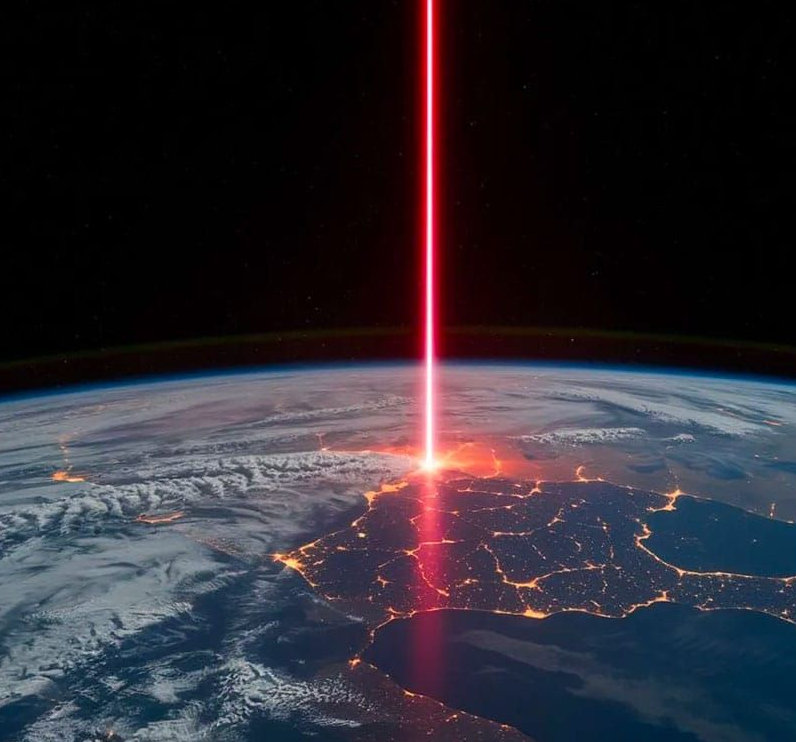
"What happens if we one day have unlimited energy from space?"
The simple answer is: not much.
Most people think battery storage is only needed because we don't produce enough energy.
But that's only part of the story.
Electricity grids run at a fixed frequency, usually 50Hz (60Hz in the US). If that frequency fluctuates too much, blackouts occur and sensitive electronics get damaged.
Today, power plants charge huge grid fees to keep their large turbines running to maintain that frequency.
Battery energy storage systems (BESS) can do the same job for cheaper and often more efficiently.
So even if energy generation became nearly unlimited, the need for grid stability wouldn't disappear.
In fact, the more power you generate, the more important grid stability becomes.
With that, the storage revenues might decrease.
The need for stability won't. ⚡️
Throwback to our CEO @JagodnikJan taking the Mona Lisa stage at @ParisBlockWeek
What began as a battery storage infrastructure project has grown into a new energy asset class for DeFi. ⚡️
People will look at this and say we need to generate more power.
But that's only part of the solution.
As power consumption scales, so does grid instability, creating higher costs for grid operators.
Scale battery storage alongside power generation, and you create a more resilient grid with less volatile energy prices.⚡️
We're heading to New York City for @Techweek_ from June 1–6.
@JagodnikJan and @MGMWFI will be there representing @megawattyield as we continue building the infrastructure layer for real-world, energy-backed yield.
If you're in New York and working in energy, RWAs, or capital markets:
👉 Let's connect.