$VKTX Q2 2026 earnings: Viking advances its obesity trials, but its cash shrinks fast
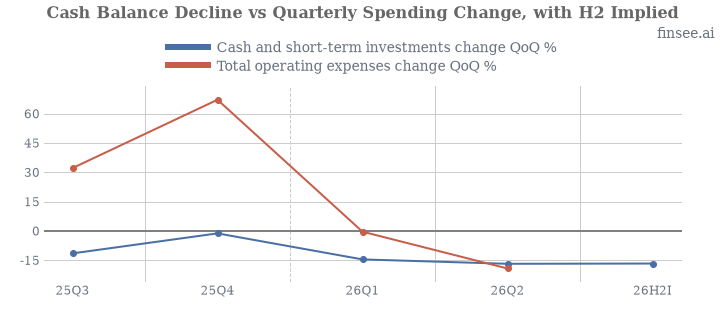
Viking Therapeutics, a clinical-stage developer of obesity drugs, slowed its quarterly spending while its cash balance kept shrinking at the same pace. Operating expenses fell 19% from the first quarter to $133 million as drug manufacturing bills eased, and chief executive Brian Lian kept all four obesity clinical trials on schedule. Even so, cash and short-term investments dropped by $101 million to $502 million, leaving five quarters of funding at the current pace by our math.
• Cash and short-term investments: $𝟓𝟎𝟐𝐌 (down $101M from last quarter)
• Research and development expenses: $𝟏𝟏𝟓.𝟖𝐌 (down 23% from last quarter)
• Net loss per share: $𝟏.𝟏𝟎 ($0.58 a year ago)
• Cash runway outlook: 𝐔𝐧𝐜𝐡𝐚𝐧𝐠𝐞𝐝 (management projects cash into 2028)
⚖️ 𝐕𝐞𝐫𝐝𝐢𝐜𝐭: ⚪ Neutral
The story is unchanged because lower quarterly expenses did not slow the actual cash drain. Management eased one cost concern by noting that the upcoming Phase 3 trials for its obesity pill will be roughly 75% smaller than its injectable trials. One caution: Lian revealed that the Phase 1 maintenance study compressed the initial dose ramp-up to reach higher doses faster, which could inflate stomach side effects when data arrives this quarter.
The question now is whether quarterly cash burn can drop enough to fund the company into 2028 as finance chief Greg Zante plans. One view is that peak spending on the injectable Phase 3 trials has passed; the other is that starting two oral Phase 3 trials and paying supplier commitments will force a capital raise before the 2027 Phase 3 readouts. The cash flow statement in the upcoming quarterly filing and fourth-quarter spending will settle it.
Full article with charts - link in bio
🐂 𝐁𝐮𝐥𝐥 𝐂𝐚𝐬𝐞
🟢 𝐓𝐫𝐢𝐚𝐥 𝐒𝐩𝐞𝐧𝐝𝐢𝐧𝐠 𝐃𝐫𝐨𝐩𝐩𝐞𝐝 𝐚𝐧𝐝 𝐎𝐫𝐚𝐥 𝐒𝐭𝐮𝐝𝐢𝐞𝐬 𝐂𝐨𝐬𝐭 𝐋𝐞𝐬𝐬
Viking is a biotechnology company developing treatments for obesity, so it has no product sales and its main financial measure is research spending. Finance chief Greg Zante said on the call regarding cash burn, "I think this is really the heaviest usage period." Total operating expenses fell 19.2% from the first quarter to $132.6 million as drug manufacturing bills eased.
The company also gave new detail on the upcoming Phase 3 trials for the pill version of VK2735, its lead weight-loss drug. Chief executive Brian Lian said the two oral studies will be "75% smaller than the VANQUISH study", the 5,500-patient injectable program. Lian added, "It's quite a bit smaller, so the expense will be quite a bit lower as a result."
What to watch: research and development expenses in the third and fourth quarters. A further decline even as the oral Phase 3 trials start in the fourth quarter would confirm that quarterly spending has peaked.
🟢 𝐅𝐨𝐮𝐫 𝐎𝐛𝐞𝐬𝐢𝐭𝐲 𝐂𝐥𝐢𝐧𝐢𝐜𝐚𝐥 𝐏𝐫𝐨𝐠𝐫𝐚𝐦𝐬 𝐀𝐝𝐯𝐚𝐧𝐜𝐞 𝐨𝐧 𝐒𝐜𝐡𝐞𝐝𝐮𝐥𝐞
The drug developer wants to offer patients multiple ways to lose weight and keep it off. Its main drug, VK2735, mimics two gut hormones (GLP-1 and GIP) that regulate appetite and blood sugar. During the quarter, Viking switched patients in its two Phase 3 VANQUISH injectable trials from vials and syringes to auto-injector pens. Lian noted regarding the switch, "Your clinic visits dropped from 4 per month to 1 per month."
Fewer clinic visits make it easier for the 5,500 enrolled patients to stay in the 78-week studies. Meanwhile, the company started a Phase 1 human trial of VK3019, a new obesity drug targeting amylin and calcitonin receptors that control hunger. It also remained on schedule to report Phase 1 maintenance dosing results in the third quarter and start Phase 3 oral trials in the fourth quarter.
What to watch: the Phase 1 maintenance study results later this quarter. Retaining 75% to 80% of initial weight loss on monthly or every-other-week shots would give the company regimens to test in the Phase 3 extension trials.
🐻 𝐁𝐞𝐚𝐫 𝐂𝐚𝐬𝐞
🔴🔴 𝐂𝐚𝐬𝐡 𝐁𝐮𝐫𝐧 𝐎𝐮𝐭𝐩𝐚𝐜𝐞𝐬 𝐭𝐡𝐞 𝟐𝟎𝟐𝟖 𝐑𝐮𝐧𝐰𝐚𝐲 𝐓𝐚𝐫𝐠𝐞𝐭
Zante told analysts on the call, "And our guidance remains intact that we have cash into 2028." That claim clashes with the current pace of cash consumption. Even though operating expenses dropped from the first quarter, Viking's cash and short-term investments still fell by $101.3 million in the second quarter, matching the $102.8 million drop in the first quarter.
• Ending cash and short-term investments: $501.7 million, down from $705.7 million at year-end 2025
• Second-quarter cash decline: $101.3 million by our math
• Runway at current pace: 5.0 quarters by our math, ending in the third quarter of 2027
• Maximum burn to reach 2028: $83.6 million per quarter over the next six quarters by our math
To stretch $501.7 million across the six quarters to reach 2028, quarterly cash use must fall by 17.5% by our math. Yet the company is about to start two Phase 3 oral trials and owes manufacturing prepayments to its supplier CordenPharma between 2026 and 2028.
What to watch: the operating cash flow line in the upcoming second-quarter 10-Q filing. An operating cash outflow near $100 million would show that the funding gap ahead of the 2027 Phase 3 readouts remains open.
🔴 𝐂𝐨𝐦𝐩𝐫𝐞𝐬𝐬𝐞𝐝 𝐃𝐨𝐬𝐢𝐧𝐠 𝐂𝐨𝐮𝐥𝐝 𝐂𝐥𝐨𝐮𝐝 𝐭𝐡𝐞 𝐓𝐡𝐢𝐫𝐝-𝐐𝐮𝐚𝐫𝐭𝐞𝐫 𝐑𝐞𝐚𝐝𝐨𝐮𝐭
In the third quarter, the San Diego company will report data from its 180-patient Phase 1 maintenance study, which tests whether patients can switch from weekly shots of VK2735 to every-other-week or monthly shots. On the call, Lian revealed a design trade-off in the initial 21-week weight-loss phase: "We compressed the titration blocks in that first 21-week treatment period."
Titration is the gradual step-up in drug dose over time to help patients avoid nausea and vomiting. The study also pushed doses up to 20 milligrams and 22.5 milligrams, higher than the 15-milligram top dose in Phase 2. Stepping up doses faster to reach higher levels risks raising stomach side effects during the first 21 weeks, and Lian noted that a period-by-period side-effect breakdown might not be ready for the initial release.
What to watch: whether the third-quarter release separates side-effect rates between the 21-week ramp-up and the 12-week maintenance phase. Combined numbers with high nausea rates would make it hard to judge if monthly maintenance dosing is well tolerated.
🔴 𝐑𝐢𝐬𝐤𝐬 𝐭𝐡𝐢𝐬 𝐪𝐮𝐚𝐫𝐭𝐞𝐫 𝐝𝐢𝐝𝐧'𝐭 ��𝐧𝐬𝐰𝐞𝐫
Four standing concerns from prior quarters received no new data or commentary in the second-quarter release and conference call.
• Ligand Pharmaceuticals license dispute: neither the release nor the call mentioned Ligand's April notice purporting to terminate the license for liver drug VK2809 and rare-disease drug VK0214; the 10-Q legal footnote will show its status.
• Cardiovascular outcomes trial: management still has not outlined a heart-outcomes study for VK2735, which rival obesity drugmakers use to secure insurance coverage; any trial announcement would clarify long-term costs.
• Oral drug competition: oral VK2735 starts Phase 3 in the fourth quarter against rival pills already on the market; Phase 3 dose selection in the fourth quarter will show how Viking positions the tablet.
• VANQUISH-2 patient count: the diabetes obesity trial closed at roughly 1,000 patients against an earlier 1,100 target; baseline demographics at upcoming medical conferences will show the final trial size.
👓 𝐎𝐭𝐡𝐞𝐫 𝐓𝐡𝐞𝐦𝐞𝐬
𝐂𝐨𝐦𝐦𝐞𝐫𝐜𝐢𝐚𝐥 𝐚𝐧𝐝 𝐌𝐞𝐝𝐢𝐜𝐚𝐥 𝐋𝐞𝐚𝐝𝐞𝐫𝐬𝐡𝐢𝐩 𝐇𝐢𝐫𝐞𝐬 𝐂𝐨𝐧𝐭𝐢𝐧𝐮𝐞
As its obesity drugs move through late-stage testing, the biotech group is hiring staff for regulatory filings and sales. In the second quarter, Viking appointed Hubert Chen as chief medical officer to oversee clinical trials and regulatory affairs, and after the quarter ended it named former GoodRx executive Dorothy Gemmell to its board. Hiring and consulting drove general and administrative expenses up 16.8% from a year ago to $16.8 million.
— • — • —
💲 𝐎𝐭𝐡𝐞𝐫 𝐊𝐏𝐈𝐬
𝐀𝐜𝐜𝐨𝐮𝐧𝐭𝐬 𝐩𝐚𝐲𝐚𝐛𝐥𝐞 𝐚𝐧𝐝 𝐚𝐜𝐜𝐫𝐮𝐞𝐝 𝐥𝐢𝐚𝐛𝐢𝐥𝐢𝐭𝐢𝐞𝐬 (𝟐𝟔𝐐𝟐): $𝟏𝟎𝟗.𝟓 𝐦𝐢𝐥𝐥𝐢𝐨𝐧 ⇗ accelerating
Unpaid bills and accrued clinical expenses rose to $109.5 million by our math ($69.0 million in accounts payable plus $40.5 million in accrued liabilities), up 43.1% from $76.5 million at the end of 2025. Delaying cash payments to vendors cushioned the second-quarter cash balance, meaning those bills will draw down cash in future quarters.
𝐏𝐫𝐞𝐩𝐚𝐢𝐝 𝐜𝐥𝐢𝐧𝐢𝐜𝐚𝐥 𝐭𝐫𝐢𝐚𝐥 𝐜𝐨𝐬𝐭𝐬 (𝟐𝟔𝐐𝟐): $𝟏𝟓.𝟎 𝐦𝐢𝐥𝐥𝐢𝐨𝐧 ⇗ accelerating
Upfront payments for clinical trials and early-stage studies more than tripled from the first quarter, rising 272.0% from $4.0 million to $15.0 million (and up from $8.1 million at year-end 2025). The jump reflects upfront deposits for the new VK3019 Phase 1 trial and preparations for the fourth-quarter oral Phase 3 studies.
𝐖𝐞𝐢𝐠𝐡𝐭𝐞𝐝-𝐚𝐯𝐞𝐫𝐚𝐠𝐞 𝐝𝐢𝐥𝐮𝐭𝐞𝐝 𝐬𝐡𝐚𝐫𝐞𝐬 (𝟐𝟔𝐐𝟐): 𝟏𝟏𝟔.𝟑 𝐦𝐢𝐥𝐥𝐢𝐨𝐧 ⇗ accelerating
The average share count rose 3.7% from 112.1 million a year ago, and total issued shares reached 116.7 million at quarter end (up from 114.8 million at year-end 2025). Additional paid-in capital increased by $34.7 million from the first quarter by our math, driven by employee stock compensation and ongoing share issuances.
— • — • —
🔮 𝐆𝐮𝐢𝐝𝐚𝐧𝐜𝐞
𝐂𝐚𝐬𝐡 𝐑𝐮𝐧𝐰𝐚𝐲 𝐚𝐧𝐝 𝐐𝐮𝐚𝐫𝐭𝐞𝐫𝐥𝐲 𝐂𝐚𝐬𝐡 𝐔𝐬𝐚𝐠𝐞: 𝐂𝐚𝐬𝐡 𝐢𝐧𝐭𝐨 𝟐𝟎𝟐𝟖 (𝐭𝐚𝐩𝐞𝐫𝐢𝐧𝐠 𝐟𝐫𝐨𝐦 𝐐𝟐) ⇘ decelerating
🠆 unchanged from Cash into 2028; Q2 spend at or below Q1 ($114M cash use / $164.1M OpEx)
Unchanged. Zante reiterated that the $502 million cash balance will fund the company into 2028 and that quarterly cash burn will taper from current levels. By our math, reaching the start of 2028 (six quarters away) requires average quarterly cash burn to drop by 17.5%, from $101.3 million in the second quarter to $83.6 million or less.
𝐕𝐊𝟐𝟕𝟑𝟓 𝐏𝐡𝐚𝐬𝐞 𝟏 𝐌𝐚𝐢𝐧𝐭𝐞𝐧𝐚𝐧𝐜𝐞 𝐒𝐭𝐮𝐝𝐲 𝐑𝐞𝐚𝐝𝐨𝐮𝐭: 𝟑𝐐𝟐𝟔 𝐝𝐚𝐭𝐚 𝐫𝐞𝐥𝐞𝐚𝐬𝐞 ⇒ stable
🠆 unchanged from 3Q26 data release
Unchanged. The clinical-stage group still plans to report results from the subcutaneous maintenance dosing study later in the third quarter of 2026. The oral maintenance cohorts of this study remain scheduled for completion in the first half of 2027.
𝐎𝐫𝐚𝐥 𝐕𝐊𝟐𝟕𝟑𝟓 𝐏𝐡𝐚𝐬𝐞 𝟑 𝐓𝐫𝐢𝐚𝐥 𝐈𝐧𝐢𝐭𝐢𝐚𝐭𝐢𝐨𝐧: 𝟒𝐐𝟐𝟔 𝐢𝐧𝐢𝐭𝐢𝐚𝐭𝐢𝐨𝐧 ⇒ stable
🠆 unchanged from 4Q26 initiation
Unchanged. Management kept its target to start two Phase 3 obesity trials for the daily tablet version of VK2735 in the fourth quarter of 2026, following a one-quarter slip from the third quarter to the fourth quarter announced earlier this year.
— • — • —
❓ 𝐊𝐞𝐲 𝐐𝐮𝐞𝐬𝐭𝐢𝐨𝐧𝐬
𝐖𝐡𝐚𝐭 𝐰𝐚𝐬 𝐨𝐩𝐞𝐫𝐚𝐭𝐢𝐧𝐠 𝐜𝐚𝐬𝐡 𝐛𝐮𝐫𝐧 𝐢𝐧 𝐭𝐡𝐞 𝐬𝐞𝐜𝐨𝐧𝐝 𝐪𝐮𝐚𝐫𝐭𝐞𝐫?
The earnings release omits the cash flow statement. Investors need the 10-Q filing to see whether operating cash outflow stayed below the first quarter's $114.0 million or if equity sales offset a larger burn.
𝐖𝐢𝐥𝐥 𝐭𝐡𝐞 𝐦𝐚𝐢𝐧𝐭𝐞𝐧𝐚𝐧𝐜𝐞 𝐫𝐞𝐚𝐝𝐨𝐮𝐭 𝐬𝐞𝐩𝐚𝐫𝐚𝐭𝐞 𝐫𝐚𝐦𝐩-𝐮𝐩 𝐬𝐢𝐝𝐞 𝐞𝐟𝐟𝐞𝐜𝐭𝐬?
Viking compressed the dose ramp-up in the 21-week induction phase and tested higher doses up to 22.5 milligrams. If the initial data release blends induction and maintenance side effects, high early nausea could obscure the maintenance profile.
𝐖𝐡𝐚𝐭 𝐢��� 𝐭𝐡𝐞 𝐬𝐭𝐚𝐭𝐮𝐬 𝐨𝐟 𝐭𝐡𝐞 𝐋𝐢𝐠𝐚𝐧𝐝 𝐥𝐢𝐜𝐞𝐧𝐬𝐞 𝐝𝐢𝐬𝐩𝐮𝐭𝐞?
Ligand notified Viking in April that it was terminating the license for liver drug VK2809 and rare-disease drug VK0214. Management did not mention the dispute on the call, leaving its legal and financial impact unclear.
𝐖𝐡𝐞𝐧 𝐝𝐨 𝐂𝐨𝐫𝐝𝐞𝐧𝐏𝐡𝐚𝐫𝐦𝐚 𝐦𝐚𝐧𝐮𝐟𝐚𝐜𝐭𝐮𝐫𝐢𝐧𝐠 𝐩𝐫𝐞𝐩𝐚𝐲𝐦𝐞𝐧𝐭𝐬 𝐛𝐞𝐠𝐢𝐧?
Viking agreed to make multi-year capacity prepayments to CordenPharma between 2026 and 2028. How those scheduled cash outflows fit inside a tapering quarterly cash burn projection remains unexplained.
🚨 Anthropic just showed a 24-minute workshop on how to actually do prompts for Claude.
Taught by the people who built it.
Free. No registration. No paywall.
I've seen $300 courses that don't cover what they teach in the first 8 minutes.
Watch it and bookmark it now.
A Persian scholar finished a single math book in 9th century Baghdad that quietly became the foundation for every line of code running on Earth today.
I started reading about him at midnight and could not believe how many things in my daily life trace back to one man.
His name was Muhammad ibn Musa al-Khwarizmi. The book is called The Compendious Book on Calculation by Completion and Balancing.
Every time you say the word algebra, you are saying his book title. Every time someone says the word algorithm, they are saying his name. Both English words come from him. Both are Latin transliterations of Arabic and of his own identity. The man did not just contribute to mathematics. He named it.
Here is the part almost nobody tells you.
Al-Khwarizmi was born around 780 CE in Khwarazm, in what is now Uzbekistan. He moved to Baghdad and worked at a research institution called the House of Wisdom, which during the Islamic Golden Age was the single most important center of learning on the planet. The caliph al-Mamun hired the best mathematicians, astronomers, and philosophers from across three continents and put them in one building with one job. Translate, study, and produce new knowledge.
Al-Khwarizmi finished his book on algebra around 820 CE. The Arabic title contained the word al-jabr, which referred to one of the two operations he used to solve equations. When the book was translated into Latin in the 12th century, the Latin world did not have a word for what he had built. So they kept his Arabic word. Al-jabr became algebra. The discipline was named after a single Arabic word in the title of a single book by a single man.
The deeper insight is what he actually changed about how humans think.
Before al-Khwarizmi, mathematical problems were solved geometrically. You drew shapes. You measured them. You compared areas. The Greeks had built an entire mathematical tradition on visual proofs and physical constructions. It was beautiful and limited. You could not solve a problem you could not draw.
Al-Khwarizmi did something nobody had done before him at this scale. He said you could solve any problem using abstract symbols and rules. You did not need a shape. You needed a procedure. You moved terms across the equation. You cancelled like terms on both sides. You isolated the unknown. He invented the idea that mathematics is a manipulation of symbols according to rules, not a study of physical figures.
That single shift made everything that came afterward possible. Calculus. Differential equations. Linear algebra. Quantum mechanics. None of it works if math is locked inside geometry. He pulled it out.
The second thing he did is the one that changed how the world counted forever. He took the Hindu numeral system from Indian mathematics, refined it, and wrote a book introducing it to the Arab world. That system included the concept of zero as a placeholder, and a positional notation where the value of a digit depends on its location. Roman numerals could not do complex calculation. Hindu-Arabic numerals could.
When his book on numerals was translated into Latin as Algoritmi de numero Indorum, the word Algoritmi was just the Latin spelling of his own name. Europeans started calling the new method "doing algorism," then "running an algorithm." The word for the most important concept in computer science is literally his name in Latin.
The third thing he did is the part that should haunt anyone who works in tech.
His method of solving problems was systematic. Step one, do this. Step two, check that. Step three, if condition A, then do X, otherwise do Y. He wrote down procedures that could be followed by anyone, anywhere, who knew how to read. The procedure did not depend on intuition or genius. It worked because the steps worked.
That is exactly what an algorithm is. A finite, deterministic procedure for solving a problem. He did not just give us the word. He gave us the entire concept of programming a thousand years before there was anything to program.
When Alan Turing built the first abstract model of computation in 1936, when John von Neumann designed the first stored-program computer in 1945, when every engineer at Google, OpenAI, Anthropic, and DeepMind writes code in 2026, they are working in a paradigm that started with one man in Baghdad twelve centuries ago.
The strangest part is what happens when you walk into any tech office in San Francisco or Bangalore or Lahore today. Engineers say the words algebra and algorithm hundreds of times a day. They do not know whose name they are saying. Almost nobody can spell al-Khwarizmi correctly on the first try.
His original Arabic manuscript is preserved at Oxford. His book on Hindu numerals survives only in Latin translation. The Latin version was the textbook that taught medieval Europe how to count.
The man who built the foundation of the AI revolution did not live to see a calculator. He died around 850 CE, a thousand years before the first electric current was sent through a wire. The civilization he built mathematics for collapsed. The library he wrote in burned. His own grave is unmarked.
But every algorithm running on every machine on Earth right now still answers to his name.
@MarriottBonvoy@Marriott@MBonvoyAssist terrible experience at Fairfield Inn Savannah I-95 South. The heat in the room was not working, mediocre breakfast...
$QQQ $SPY
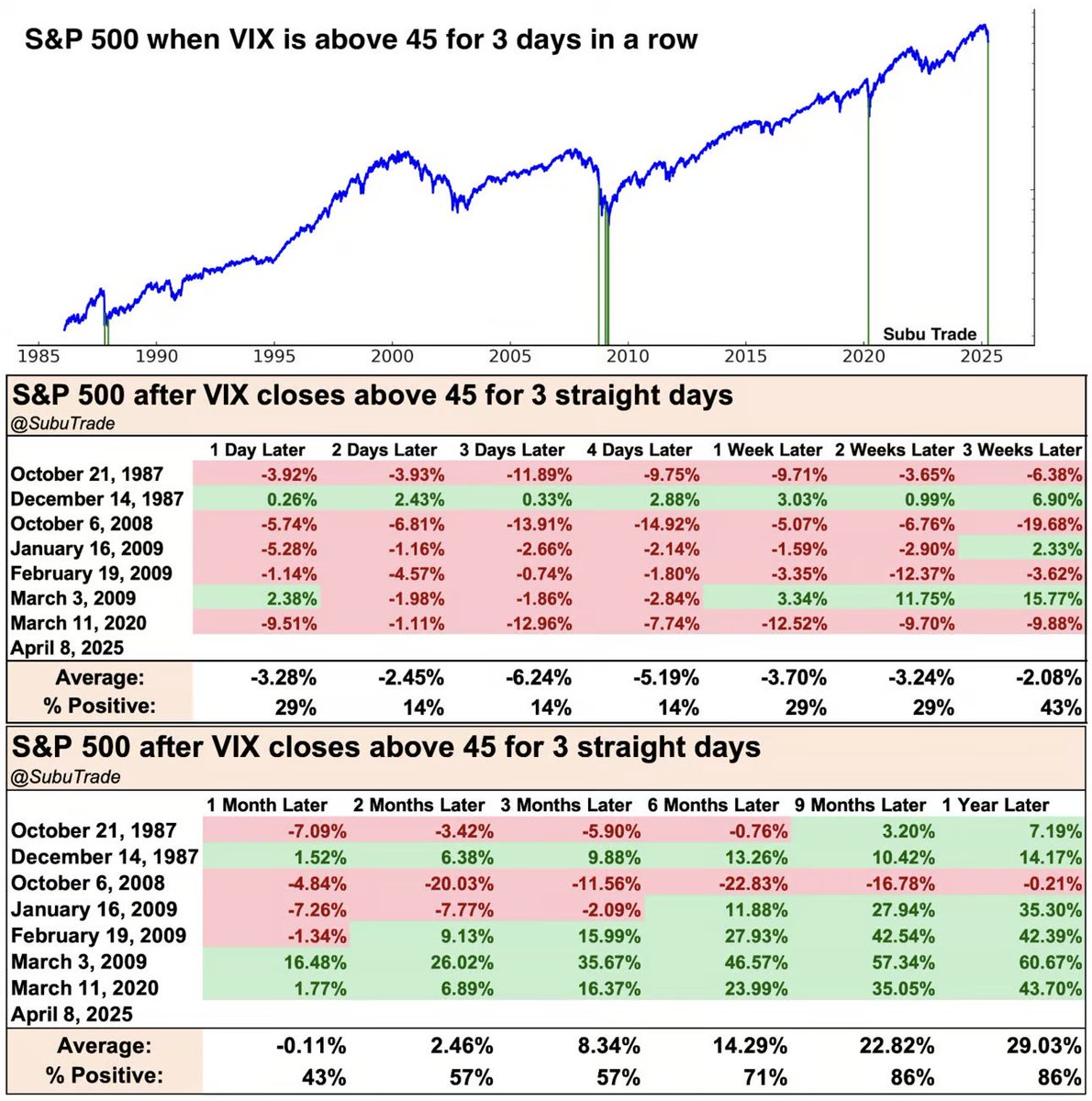
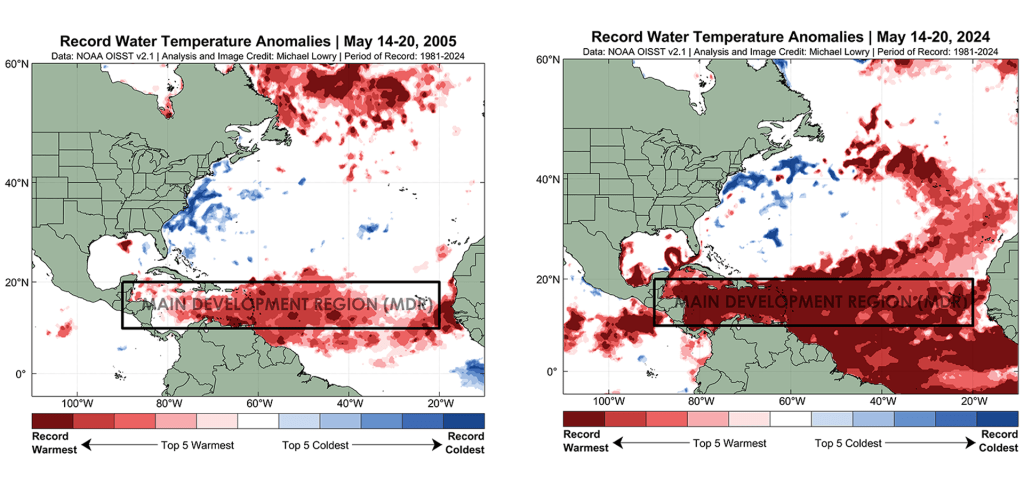
Maybe we break that trend line, or…
What if the biggest part of the rally was about to start?
That would be crazy right? It would need stimulus or somethin to do that right?
Is there any Monetary easing or any major interest rate policy or any major bond buying or tappering of bond selling on the horizon at all? Is any catalyst like that near this chart that u can think of? Any major change in the last several years to money happening anytime soon?
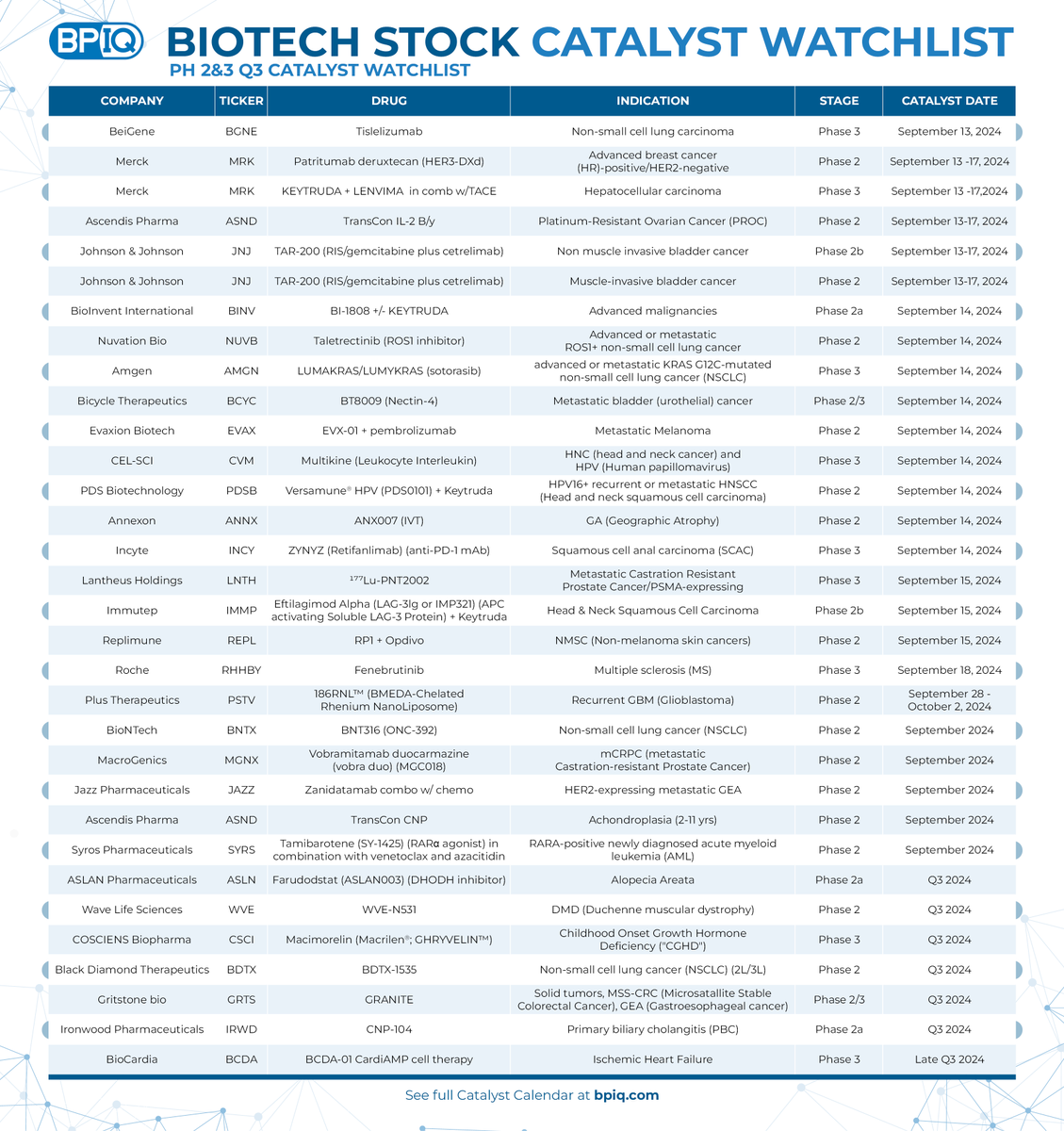
6 of the Top 10 Biotech M&A Deals in 2024 were public companies,
At least one biotech specialist fund had a stake in each with an avg of 6 specialists owning 25.8%,
Top Specialist Funds for Public M&A Deals so far this year:
RA Capital - 3 deals (9.9% of $INBX, 6.1% $CBAY, 7.5% $ALPN)
Perceptive Advisors - 3 deals (9% $INBX, 3.6% $CBAY, 6.5% $FUSN)
Cormorant - 3 deals (17.8% $AMAM, 3.4% $CBAY, 3.9% $ALPN)
H/T @timopler@stifel
$XBI $IBB