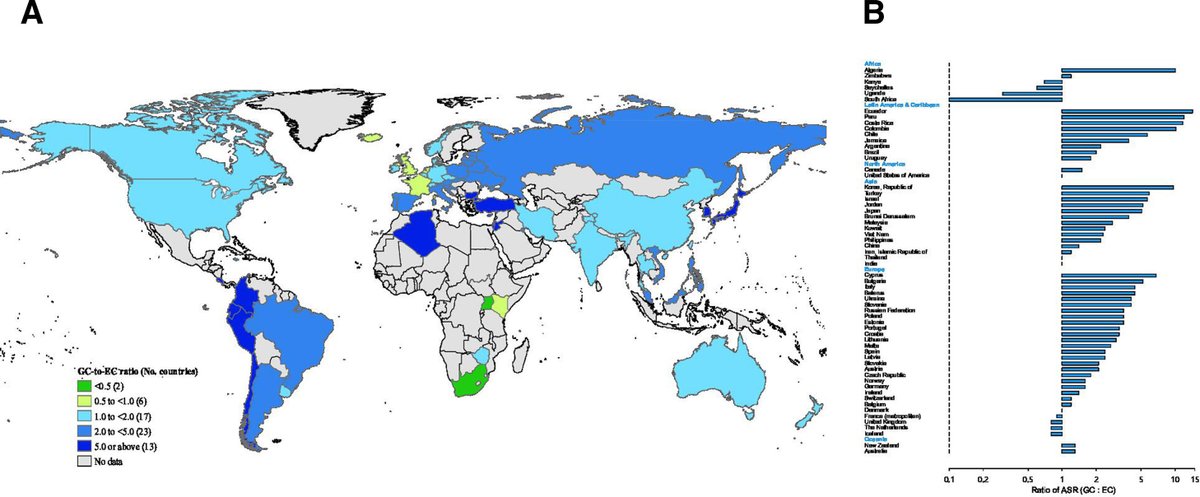
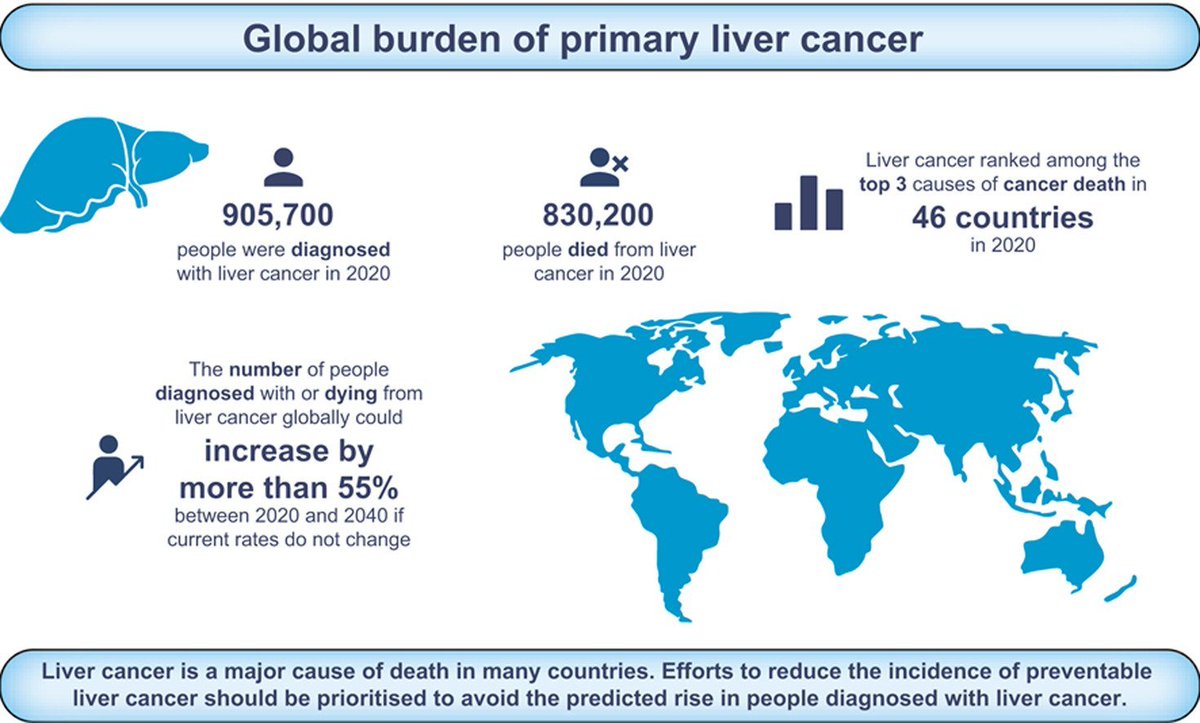
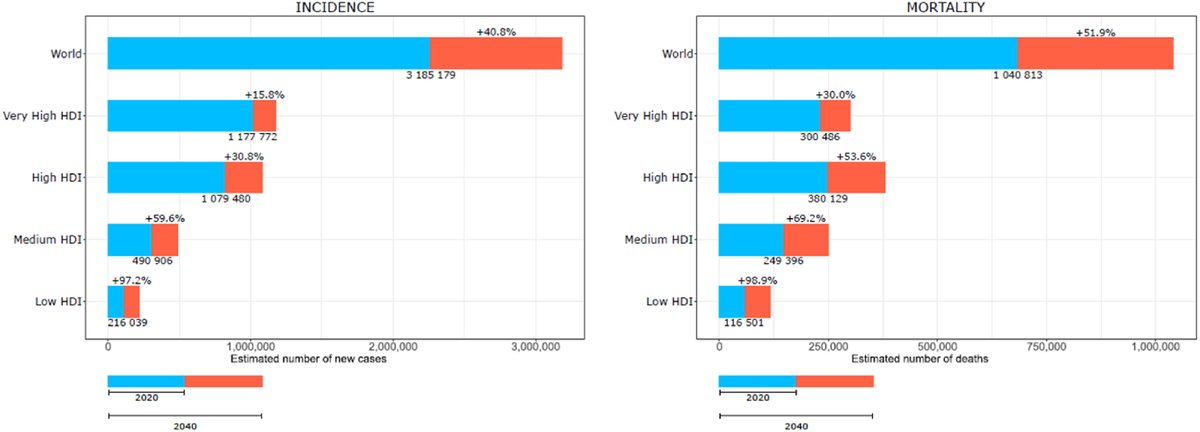
Out in @JHepatology today - our assessment of the global burden of #livercancer and predictions to 2040.
Really pleased to highlight this important and often underestimated cancer. Check out our #openaccess article for more info👇
🔗https://t.co/CVWgFjqrXT
IARC researchers & partners give overview of global burden of #BreastCancer in 2020 & predictions up to 2040. New cases will increase by 40% to >3 million cases & breast #cancer deaths will increase 50% to 1 million deaths in 2040. New study in The Breast https://t.co/zhy3DJZ31S
IARC scientist @EileenMorgan_ & colleagues estimates the 🌍burden of oesophageal #cancer will ↗️ by 50+% from 2020 to 2040 to ~1 million cases/year, & details current & future landscape of #OesophagealCancer to aid in setting primary prevention priorities https://t.co/f5oUDBwhP5
#EWAC22 Day 6–Patients & survivors! IARC’s mission is #cancer research for cancer prevention. We also study survival & recurrence. For example, you can explore data & create visuals comparing survival in different countries over time on our SURVMARK-2 tool https://t.co/h2CKjckkUy
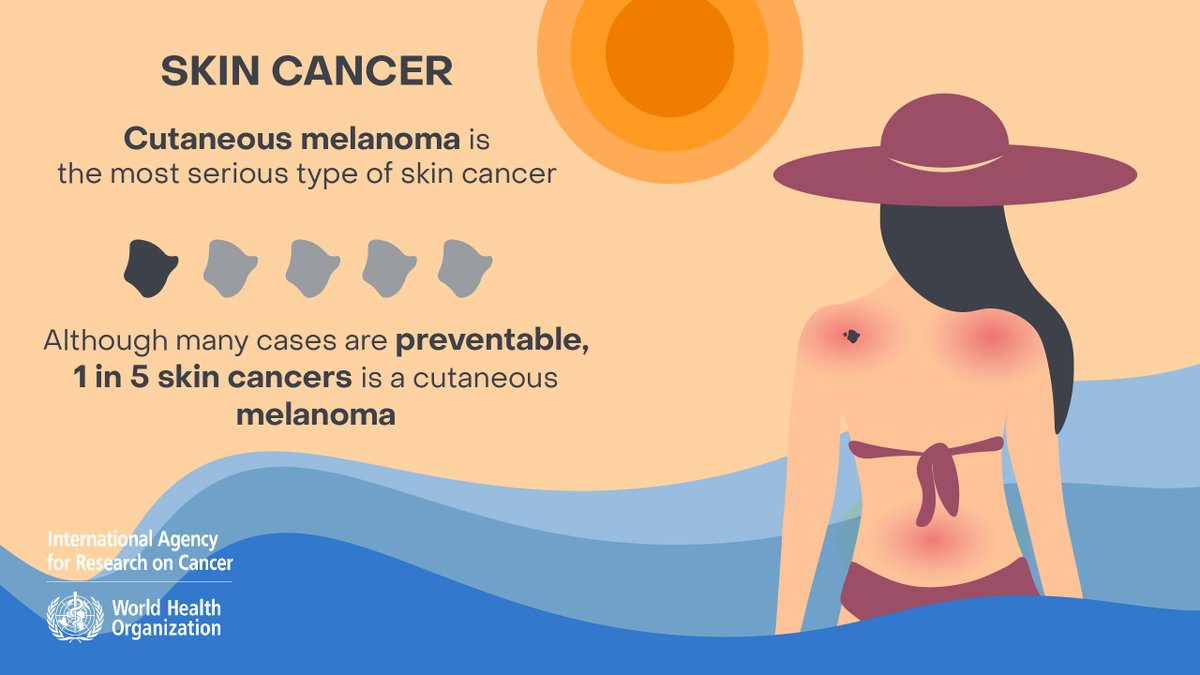
Skin cancers are the most common group of cancers in the🌏with 1 500 000+ cases estimated in 2020, including 325K cases of melanoma. Many are preventable!
500K+ cases of melanoma & ~100K melanoma deaths can be expected /year by 2040 if trends don’t change https://t.co/bYgmWnB0dn
Our study on pancreatic cancer survival variations by stage and age at diagnosis is now published in BJC. This cancer remains fatal and our study reinforces the need for breakthroughs in early diagnosis and treatment.
https://t.co/a1GScPcrGl
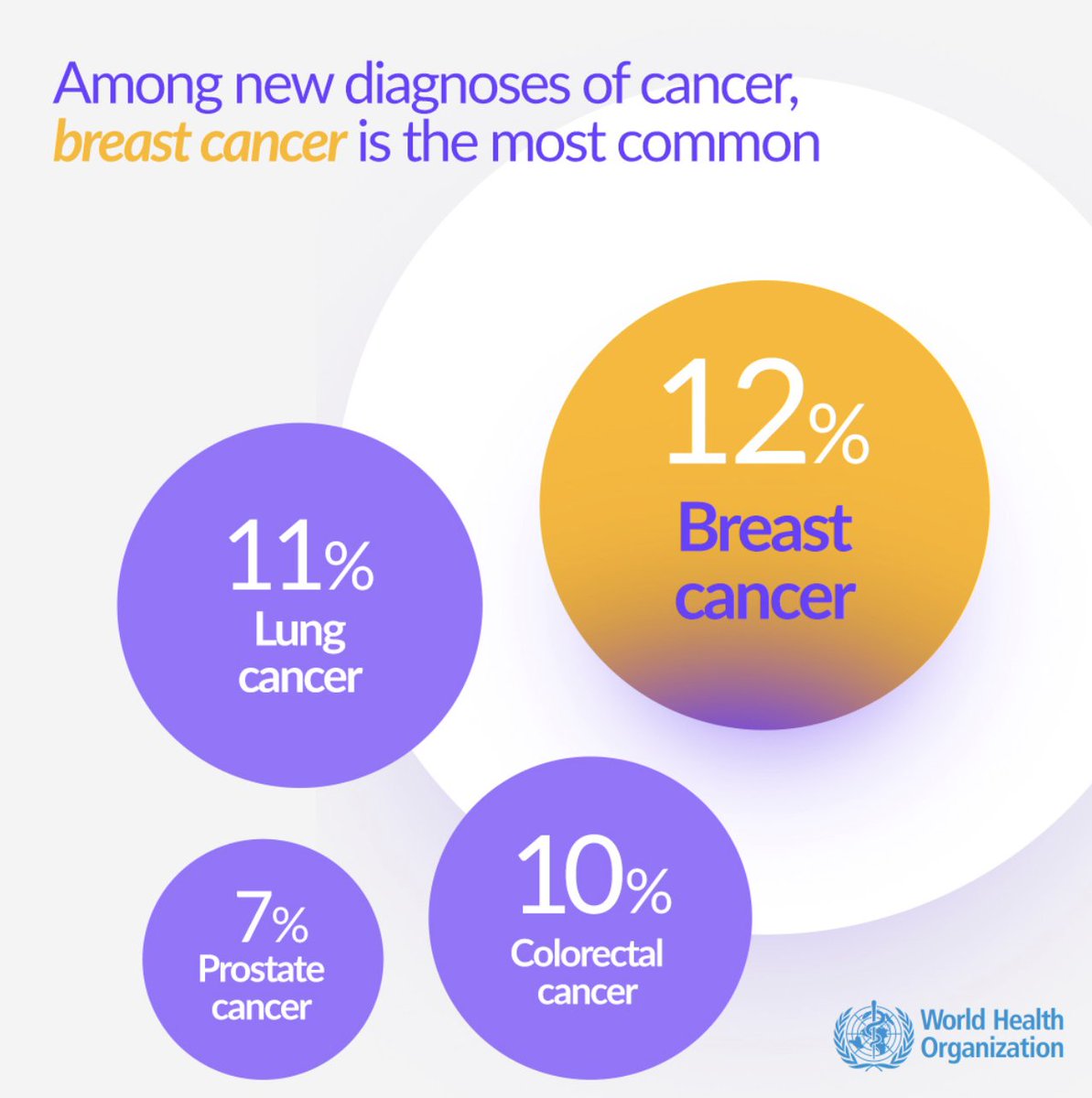
Breast cancer is the most common cancer globally.
Progress in reducing #breastcancer mortality varies widely between countries. Differences within world regions suggest disparities in cancer control programmes. #WorldCancerDay#CloseTheCareGap
https://t.co/BilJYaeQgo
Wishing you all a wonderful festive season and #HappyHolidays from the team behind the Global Cancer Observatory - the Cancer Surveillance Branch at the International Agency for Research on Cancer🎄
Our latest article is now online in the European Journal of Cancer!
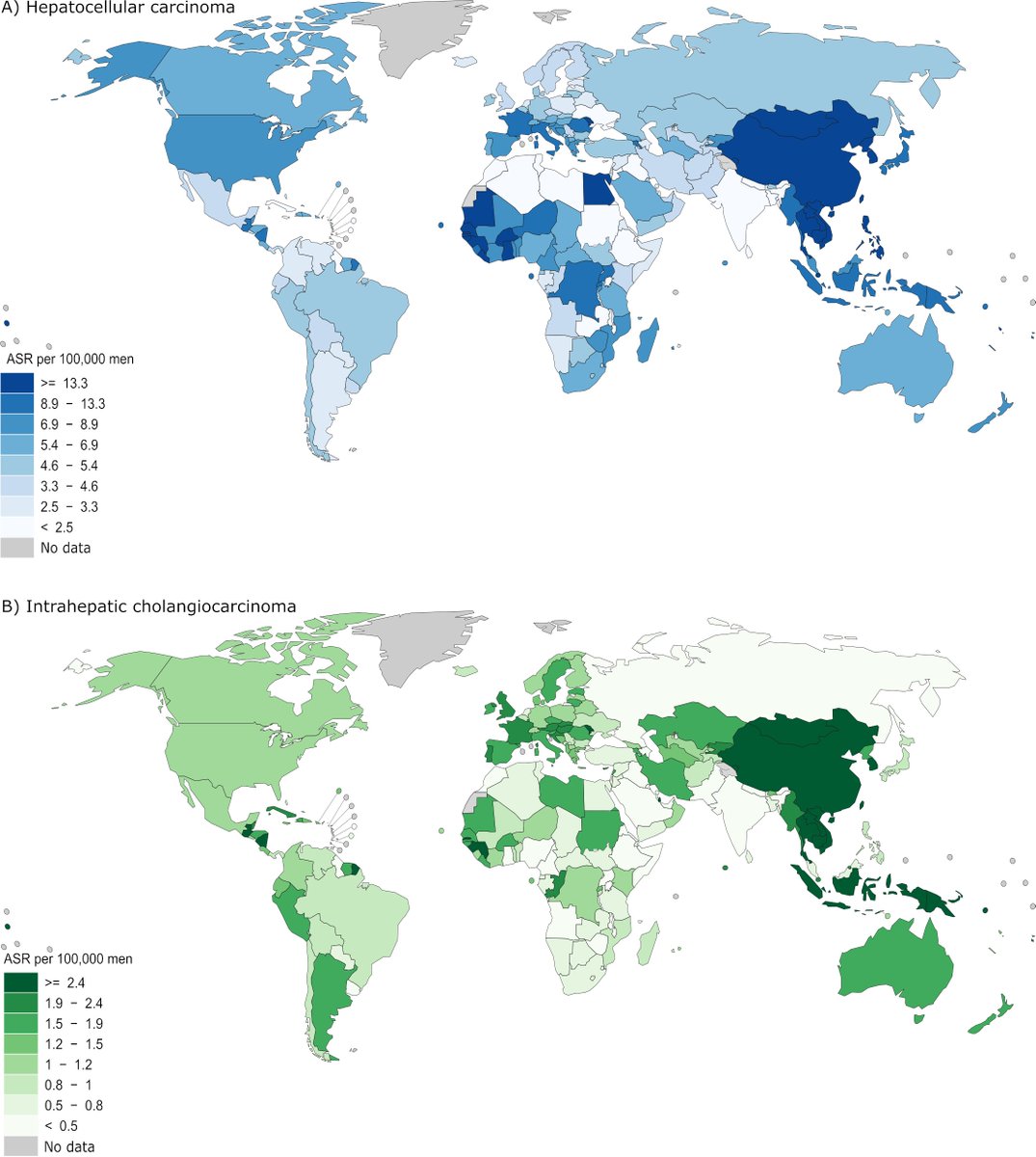
We estimated the burden of the major subtypes of #livercancer and uncovered distinct patterns when looking at incidence in different parts of the world. @GLOBOCAN_GCO@IARCWHO
🔗https://t.co/4OG0OP7jfV
The holidays shouldn’t be a time to recharge. They should be a time to celebrate.
If work is exhausting people to the point that they’re using their time off to recover, you might have a burnout culture.
A healthy organization doesn’t leave people drained in the first place.
Proud of our most recent study showing international variation in oesophageal and gastric cancer survival including differences by histological subtype and stage at diagnosis (an ICBP SURVMARK-2 study) https://t.co/PrQCw5Rcau
@GLOBOCAN_GCO@IARCWHO@Gut_BMJ@CR_UK
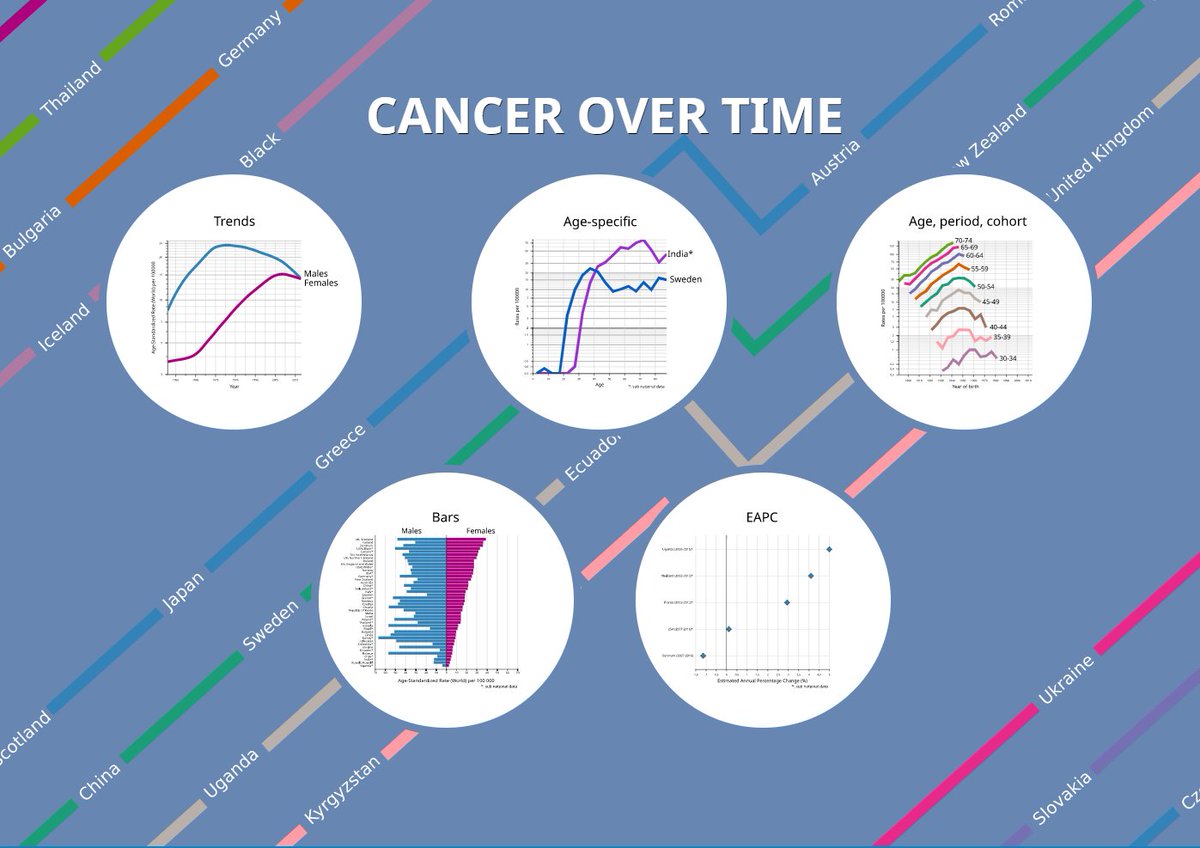
IARC launches Cancer Over Time, a new subsite of @GLOBOCAN_GCO that enables interactive visualizations of trends in #cancer-specific incidence & mortality rates in 60 countries over the past 65 years https://t.co/oZydaYwlfs
Excess body fatness during early to mid-adulthood and survival from colorectal and breast cancer: a pooled analysis of five international cohort studies 👇
👏 @melina1arnold Hadrien Charvat @Hwayoung_NOH et al.
@IARCWHO
Funding @wcrfint
https://t.co/kXiAybYFm9
What's the global prevalence of #BreastCancer?
According to @IARCWHO "#BreastCancer has now overtaken lung cancer as the 🌍’s most-diagnosed cancer."
In 2020, there were 2.3 million women diagnosed with breast cancer:
https://t.co/TVN7IuaLws @WHO#BreastCancerAwarenessMonth