#MondayTip#ISC2026
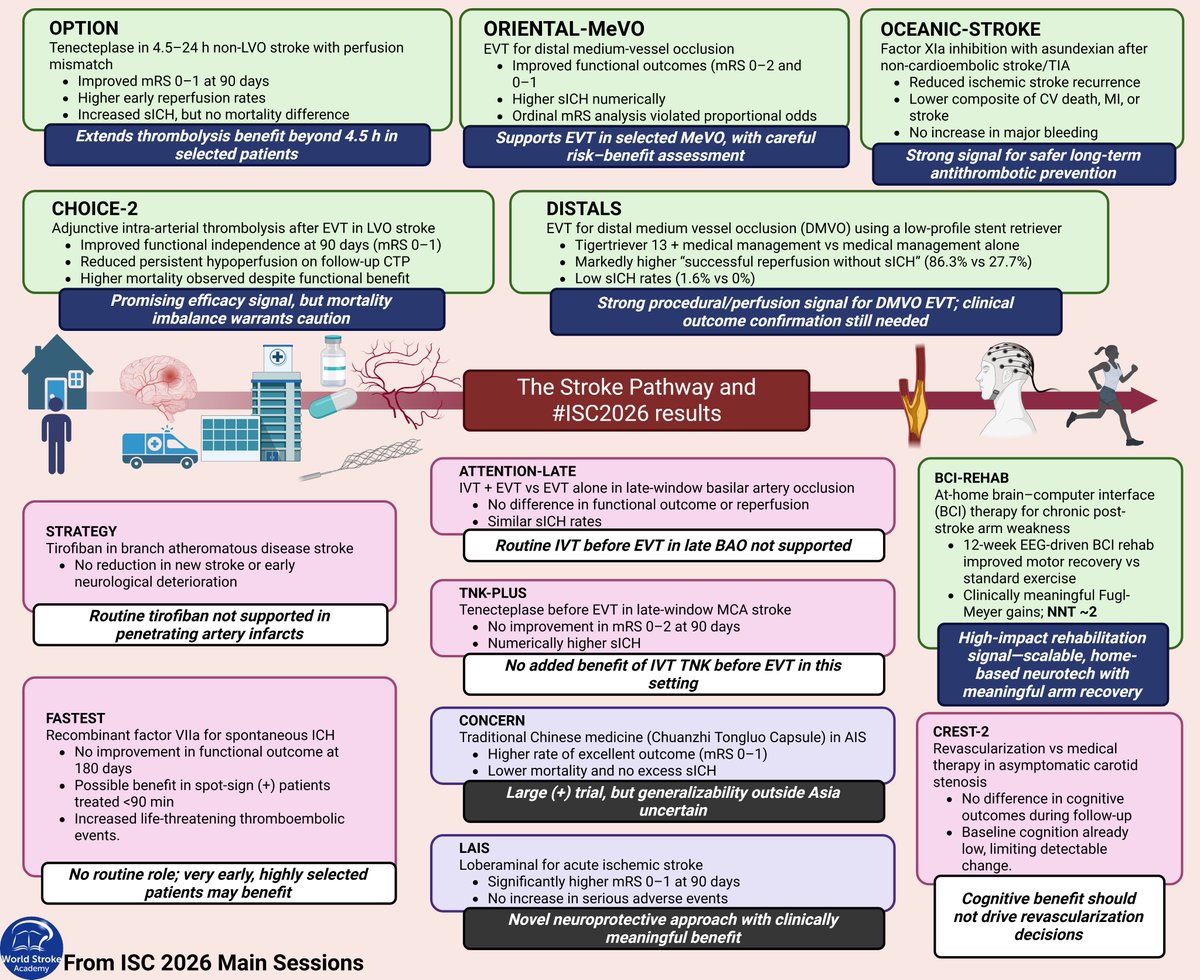
🌎ISC delivered fewer “home runs” and more hard truths: what works, what doesn’t, and where selection matters most in stroke care
From extended-window thrombolysis to FXIa inhibition, #ISC26 highlights where stroke care is truly moving — and where it isn’t.
Bedside clinical skills have been diminished by an overreliance on technology. A new Review Article presents educational strategies for reinvigorating the bedside encounter and shows how much can be learned from it.
Read the review “Strategies to Reinvigorate the Bedside Clinical Encounter,” the latest in the Medical Education series, by Brian T. Garibaldi, MD, MEHP, and Stephen W. Russell, MD, from @NUFeinbergMed and the University of Alabama at Birmingham (@UABNews): https://t.co/7IF47hAwzR
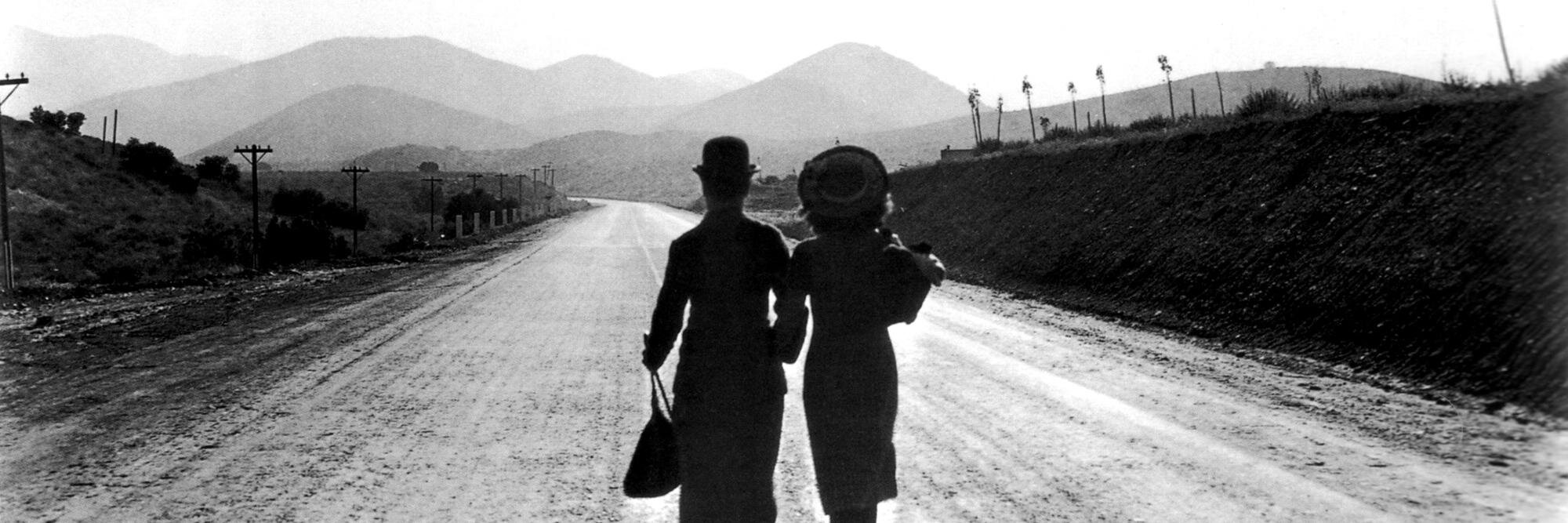
Immense planning and technical precision was required for this absolutely preposterous (but real) view: I captured my friend @BlackGryph0n transiting the sun during a skydive.
This might be the first photo of it's kind in existence. See a video of this moment in the reply 👇
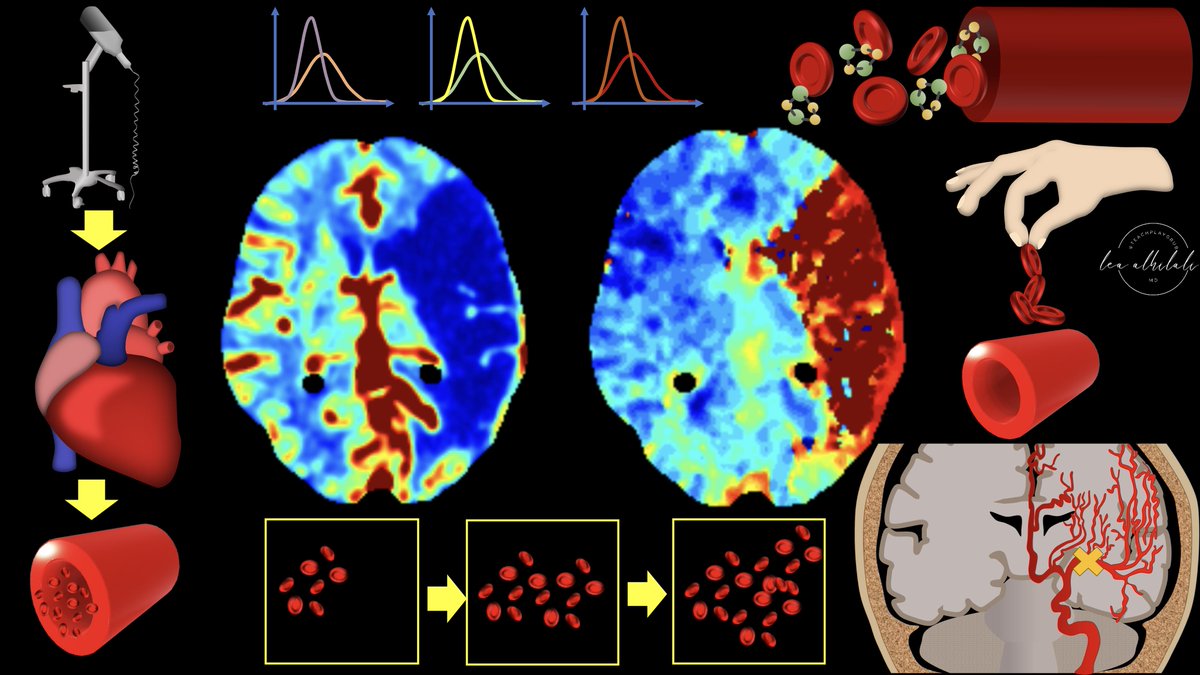
1/My hardest thread yet! Are you up for the challenge?
How stroke perfusion imaging works!
Ever wonder why it’s Tmax & not Tmin?
Do you not question & let RAPID read the perfusion for you? Not anymore!
Learn how to apply the updated ILAE #SEIZURE classification in clinical practice. This open access practical guide provides useful tips and many cases and videos to optimize educational output.
https://t.co/E0RLEYojlX
#epilepsy@yesILAE@EpiDisorders@FilaResearch@IlaeWeb
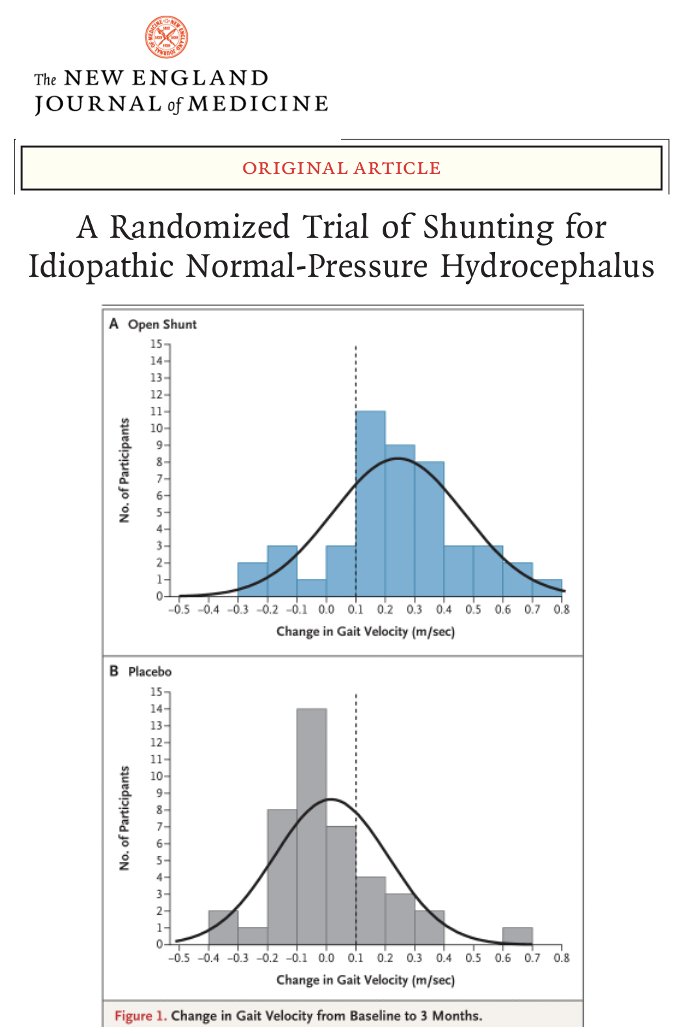
To shunt or not to shunt, that is the (NPH) question? The first large randomized trial of shunting for normal pressure hydrocephalus (NPH) just dropped in NEJM, and there was clear benefit for walking, and it favored the group receiving shunts. Spoiler alert: Walking improved, however thinking (cognition) and bladder function did not.
Key Points:
- NPH is a condition usually presenting in older adults where fluid builds up in the brain and it associated w/ trouble walking, memory and thinking challenges as well as bladder incontinence.
- Shunting significantly improved walking speed and balance compared w/ placebo.
- No meaningful change in cognition or bladder control observed at 3 months.
- Risks included subdural bleeding and headaches, underscoring the need for careful follow up.
My take: NPH has always been a tricky area for clinicians when trying to decidr 'to shunt or not to shunt.' Here are 5 points that resonated w/ me: 1- Shunting in well selected persons can restore some walking ability in NPH. 2- Thinking did not improve at 3 months. 3- Incontinence showed no clear benefit. 4- Risks to always discuss w/ people considering shunts should include bleeding and headaches (as not uncommon). 5- Walking gains may possibly reduce falls and boost independence, however we must be careful as sometimes improved walking w/o improved balance, can actually trigger falls.
https://t.co/yCnSCpclPL @FixelInstitute@ParkinsonDotOrg@alzassociation@SfNtweets@SfNtweets@NEJM
@letuciayay@analuverso Fizeram ECG tinha infartado parede anterior inteira. Subiu correndo pra UCO trombolisar, enquanto chegava o pessoal do CATE... Teve uma PCR, foi intubado, retornou a circulação espontânea, foi pro CATE. DA fechada ganhou 2 stents. No final ficou bem e terminou a residência
@letuciayay@analuverso Durante a residência tinha um R= de anestesio que desceu pro PS e fez uma ficha pra si mesmo pra fazer omeprazol pq tava com epigastralgia. Sorte dele que ele ficou sentado na sala da CM tomando soro e os residentes acharam ele com uma cara meio estranha.
@glauber_doc@coIombiangold@JoseCalmito Dado curioso (visão de neurologista): ele faz uma postura tônica simétrica, lembra muito (considerando a história) síncope convulsiva onde vc tem baixo fluxo cerebral.