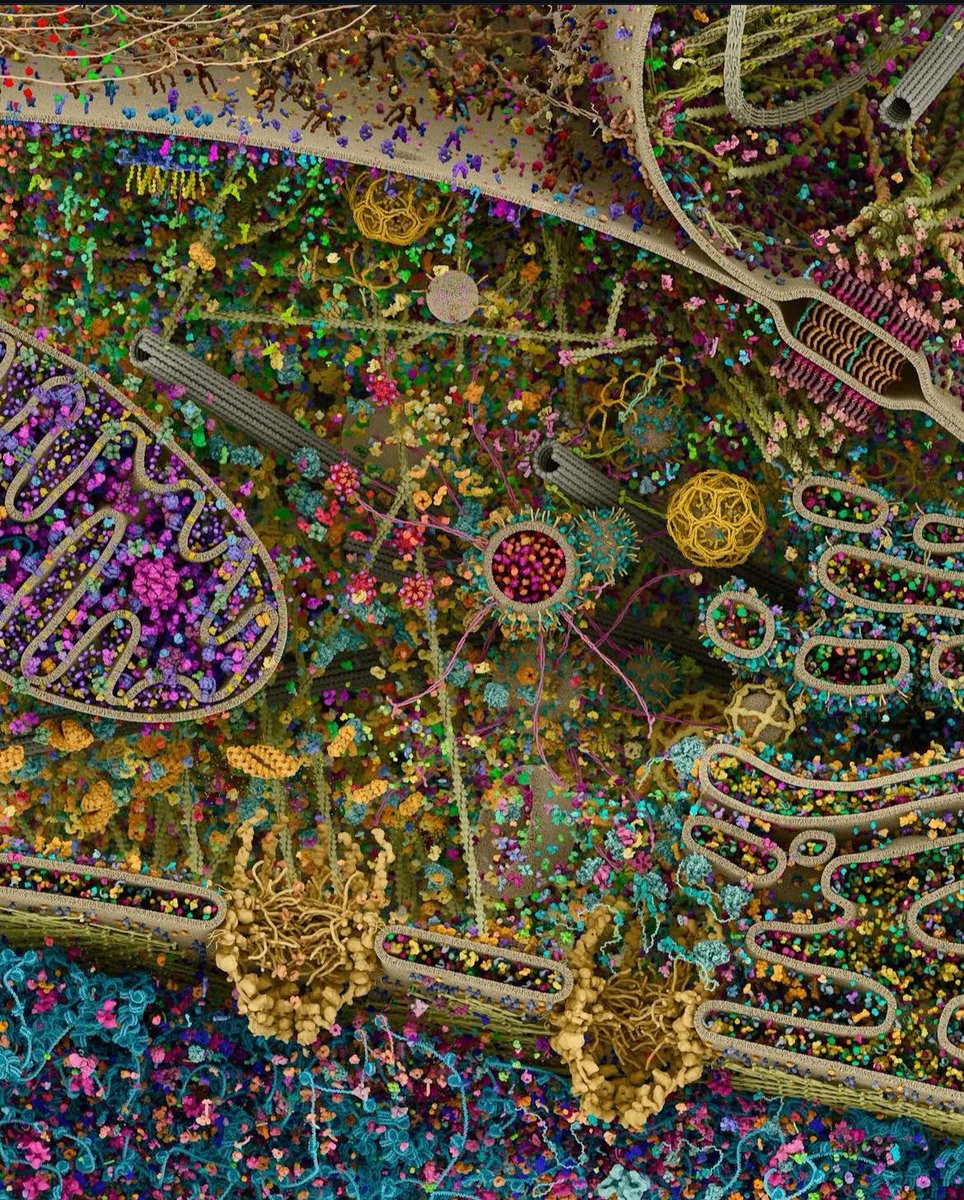
I'm a very visual person. when I was first getting into ML, I'd try to draw out every concept on pen and paper.
back then I couldn't vibe-code a visualization. but now you can!
here are my favorite ML visualizations I've been saving for a while. take them as inspo for the next complex topic you want to visualize 🧵
Introducing Claude Design by Anthropic Labs: make prototypes, slides, and one-pagers by talking to Claude.
Powered by Claude Opus 4.7, our most capable vision model. Available in research preview on the Pro, Max, Team, and Enterprise plans, rolling out throughout the day.
Introducing Perplexity Computer.
Computer unifies every current AI capability into one system.
It can research, design, code, deploy, and manage any project end-to-end.
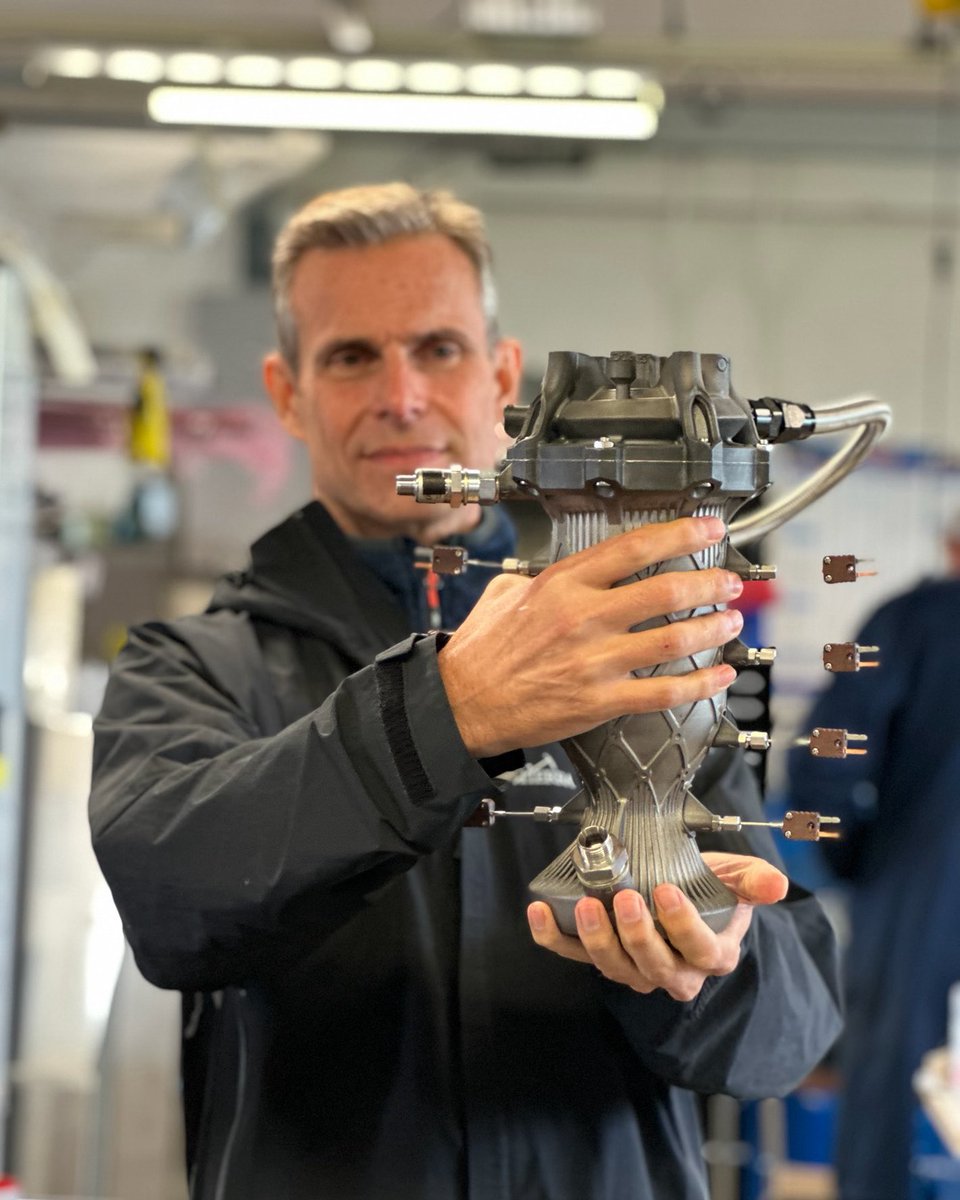
LEAP 71 co-founder @linkayser holding a fully instrumented 6 kN KeroLOX thruster. This rocket engine was generated without human intervention by the Noyron Large Computational Engineering Model and printed in Inconel 718 using an @HBD_Technology metal additive manufacturing system.
What is Cuby (@buildwithcuby) doing?
They are building AI Robot based factories that BUILD FACTORIES that builds local homes.
Amazing work by @AGampel1 and team!
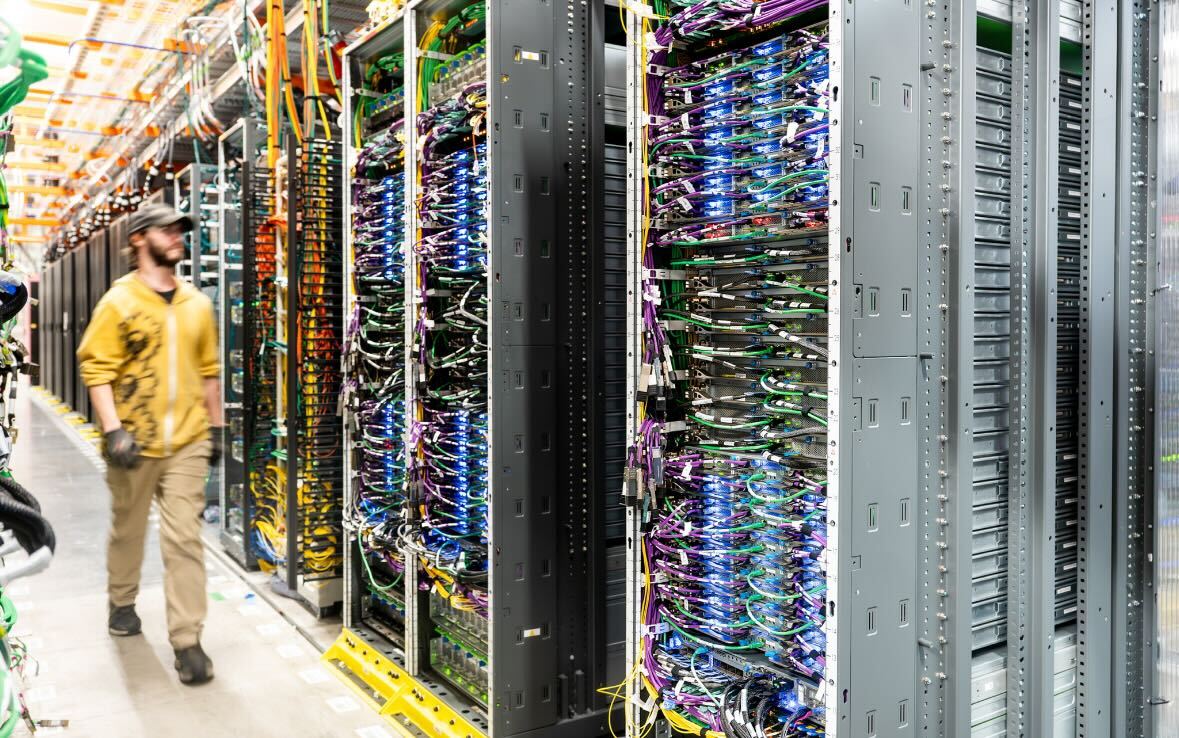
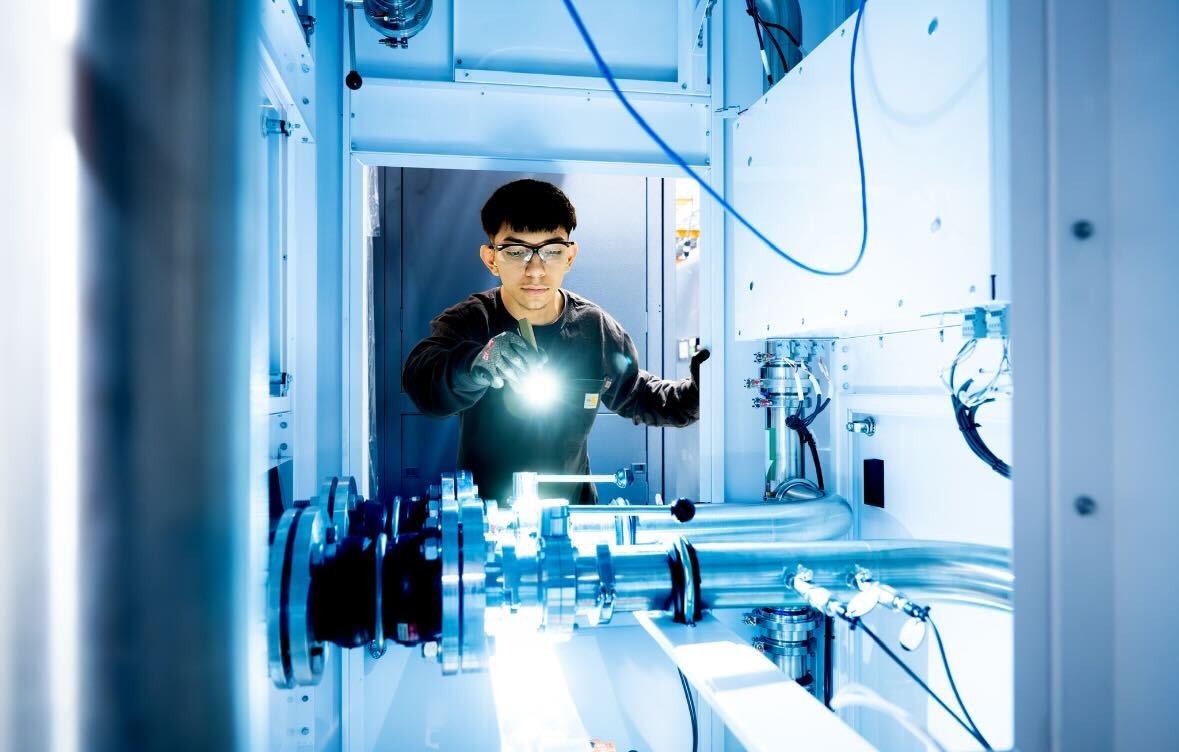
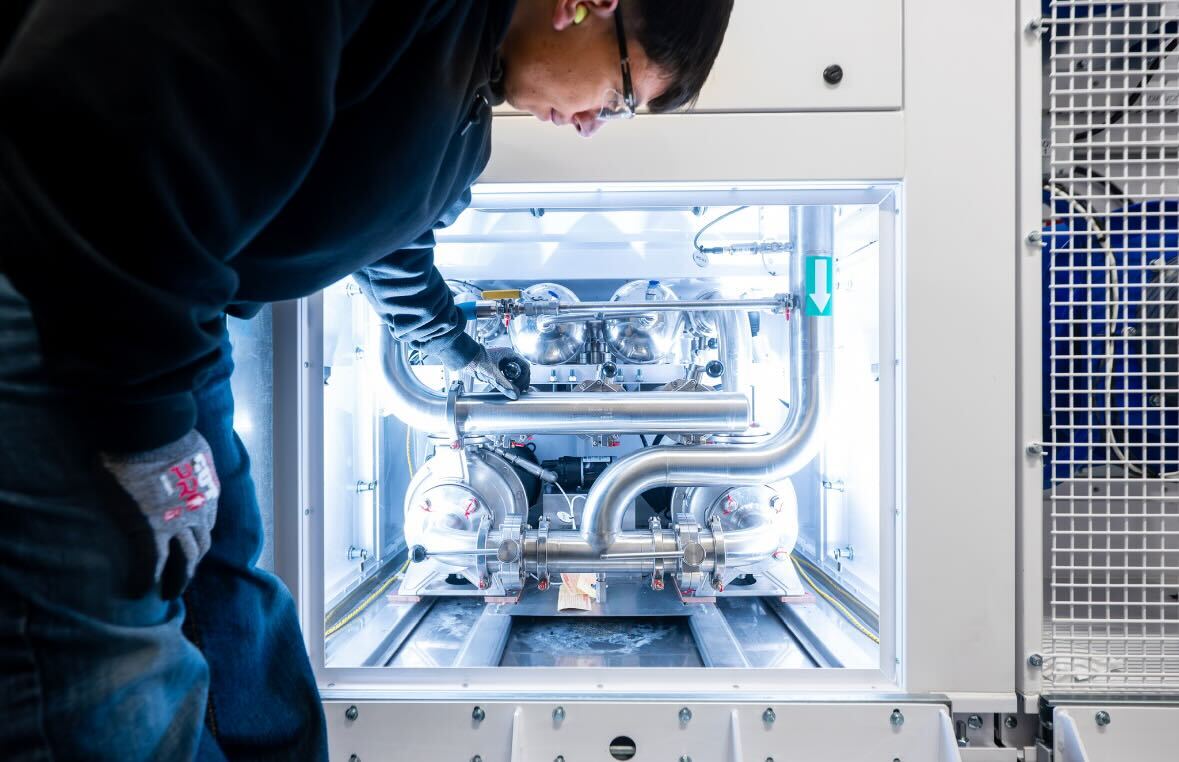
Revolutionizing AI cooling: AWS engineered custom solutions for advanced chipsets like AWS Trainium2 & rack-scale AI supercomputing systems such as the NVIDIA GB200 NVL72.
This advanced cooling system is more efficient than traditional air cooling, enabling more powerful AI computing while maintaining optimal temperatures.
Another leap forward in data center innovation!
Learn more. https://t.co/OY0oMMvmj1
TAIWAN SEMICONDUCTOR $TSM DROPPED A VIDEO FROM ITS ARIZONA FAB SHOWING THE ASML $ASML EUV MACHINES PRINTING NEXT-GEN CHIPS…
THIS IS ABSOLUTELY STUNNING TO WATCH. 🤯
Just announced: @Microsoft delivers the world's first at-scale NVIDIA GB300 NVL72 production cluster, providing the supercomputing engine needed for OpenAI to train multitrillion-parameter models in days, not weeks.
Learn more: https://t.co/ndcp1YSSLC
The Fourier series is a way to represent any periodic function as a sum of simple sine and cosine waves.
In essence, it breaks down complex signals into a combination of basic trigonometric functions, making it a powerful tool in mathematics, physics, and engineering for analyzing waveforms, heat transfer, vibrations, and more.
📹 Credit : mathswithmuza
Why should you use #OpenUSD? Because it’s the game changer for #generativeAI-enabled 3D development. 🗣️
Learn how OpenUSD is redefining how teams collaborate across #3D applications, powering the next era of industrial and #physicalAI.
👀Explore OpenUSD sessions and trainings at #GTC25: https://t.co/yXvrts9LXi
▶️Watch the full video: https://t.co/x7D4mL1gNU