5.4 on IMDb is way too low for "The Man with the Iron Fists". The fights are proper old-school kung fu: wide frames, long takes, good choreography. It deserves a lot higher.
https://t.co/JV0SP27Ula
OpenJDK Interim Policy on Generative AI: https://t.co/uthv2JTfpJ. This aligns with my experience using GenAI tools: they are good at grasping some dusty context corners, but for surgical OpenJDK work you need to absolutely own every single line you push into the project.
Son PISA testinde Türkiye'deki öğrencilerin %80'inin cevaplayamadığı bir soru:
Bir basketbol takımı tüm maçlarını ortalama 19 sayı farkla kazanarak şampiyon olmuştur. Bu takımın herhangi bir maçı 19 sayı fark olmadan kazanmamış olması mümkün müdür? Örnekle açıklayınız.
Bu durumu Eğitim Programını daha da seyrelterek çözemezsiniz...
Happy Republic Day, Türkiye! 🇹🇷
Learn more about Turkish cuisine: https://t.co/3YYxoXfZPw
Turkish cuisine is a diverse blend of flavors and textures, forged through centuries of cultural interactions and regional influences. It is primarily the heritage of Ottoman cuisine, which can be described as a fusion and refinement of Mediterranean, Balkan, Middle Eastern, Central Asian and Eastern European cuisines.
Turkish cuisine varies across the country. The cooking of Istanbul, Bursa, Izmir, and rest of the Anatolia region inherits many elements of Ottoman court cuisine, including moderate use of spices, a preference for rice over bulgur, koftes, and a wider availability of vegetable stews (türlü), eggplant, stuffed dolmas and fish.
The cuisine of the Black Sea Region uses fish extensively, especially the Black Sea anchovy (hamsi) and includes maize dishes. The cuisine of the southeast is famous for its variety of kebabs, mezes and dough-based desserts such as baklava, şöbiyet, kadayıf, katmer and künefe.
@GoTurkiye
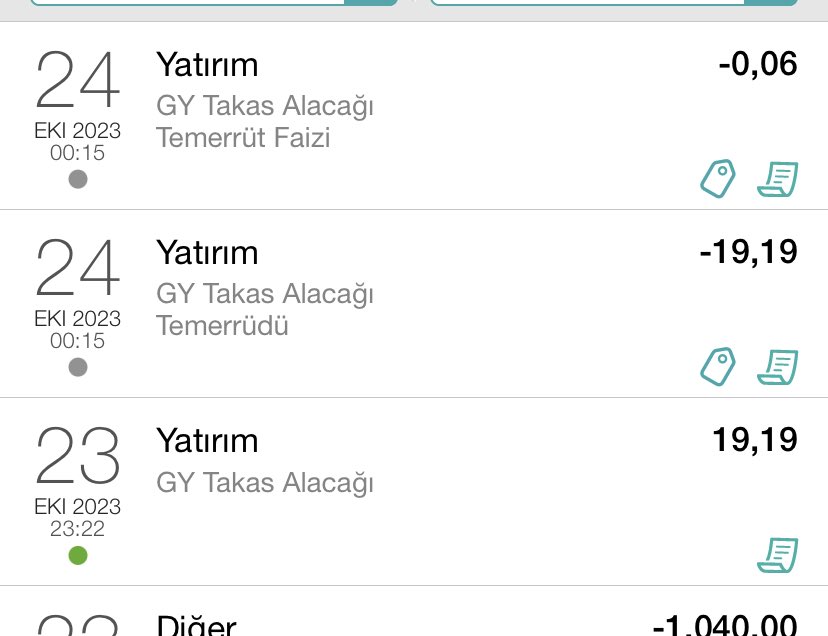
@GarantiyeSor@GarantiBBVA Yatırımdan cevap geldi: fon stopajından kaynaklanmış, otomatik olarak bozulan fonda bankanın hesaplayamadığı stopaj yüzünden temerrüte düşmüşüm.