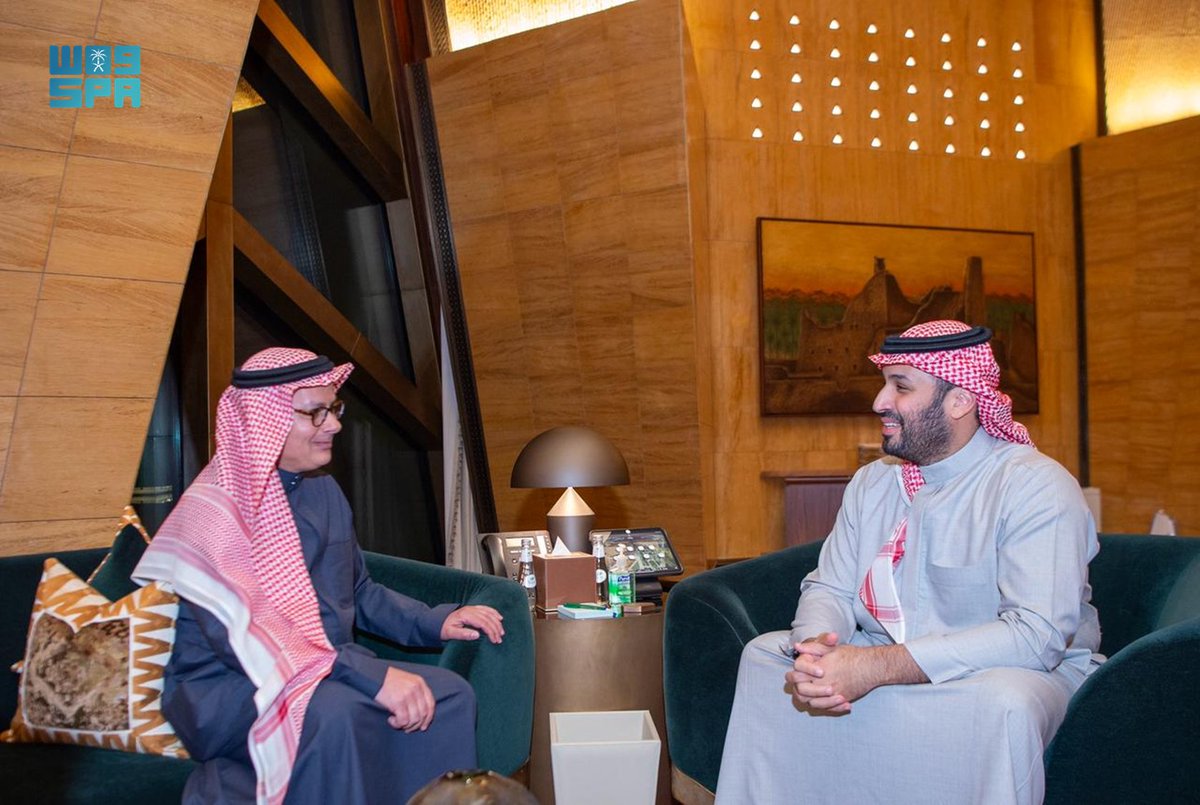
سمو #ولي_العهد يستقبل البروفيسور عمر بن مونس ياغي بمناسبة فوزه بجائزة نوبل في الكيمياء لعام 2025، مقدمًا له التهنئة على نيله الجائزة التي تعكس تقديرًا وتكريمًا لجهوده وما يقدمه في مجال الكيمياء، متمنيًا له دوام التوفيق.
#واس
GLP-1 drugs and cancer?
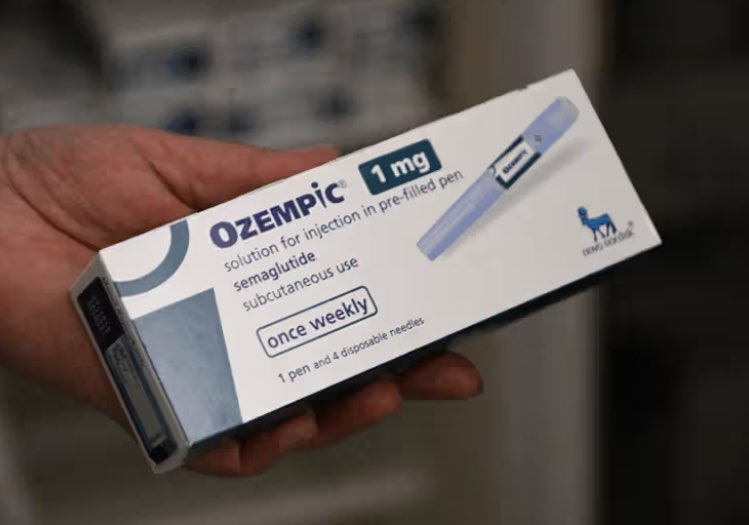
A new study shows colon cancer patients on GLP-1s had a 5-yr mortality of 15.5% vs 37.1% in non-users.
That’s MASSIVE.
Researchers say it may go beyond weight loss — GLP-1s may be reshaping inflammation, immunity, metabolism, even tumor biology.
From diabetes → obesity → heart → kidney → now possible anticancer effects.
We’re watching the start of something BIG. 🔥
#GLP1 #CancerResearch #ColonCancer #MedTwitter #RheumTwitter #Oncology #ObesityMedicine #Metabolism #Healthcare #MedicalNews #Ozempic #Wegovy @DrAkhilX @IhabFathiSulima@CelestinoGutirr@Urchilla01
Your cells (and not just the ones in your brain) remember.
Fat cells retain an “obesogenic memory” after weight loss: an energetic imprint that primes them to store again.
Viewed through the Energy Resistance Principle (ERP), this is a regulatory strategy for energy efficiency.
Rather than burning energy to reprogram tissues after each feast or famine (a costly, entropy-generating process that amplifies éR) the body encodes past flux into stable epigenetic states. This avoids unnecessary resistance, minimizes entropic waste, and optimizes energy flow.
This is LTP for fat cells: a form of long-term potentiation outside the brain. A kind of somatic “energetic” memory that spares the system from future resistance overload.
What other tissues might hold similar efficiency-promoting memories? What flux imprints are shaping your physiology right now?
🔗: https://t.co/HRQxrBkVfo
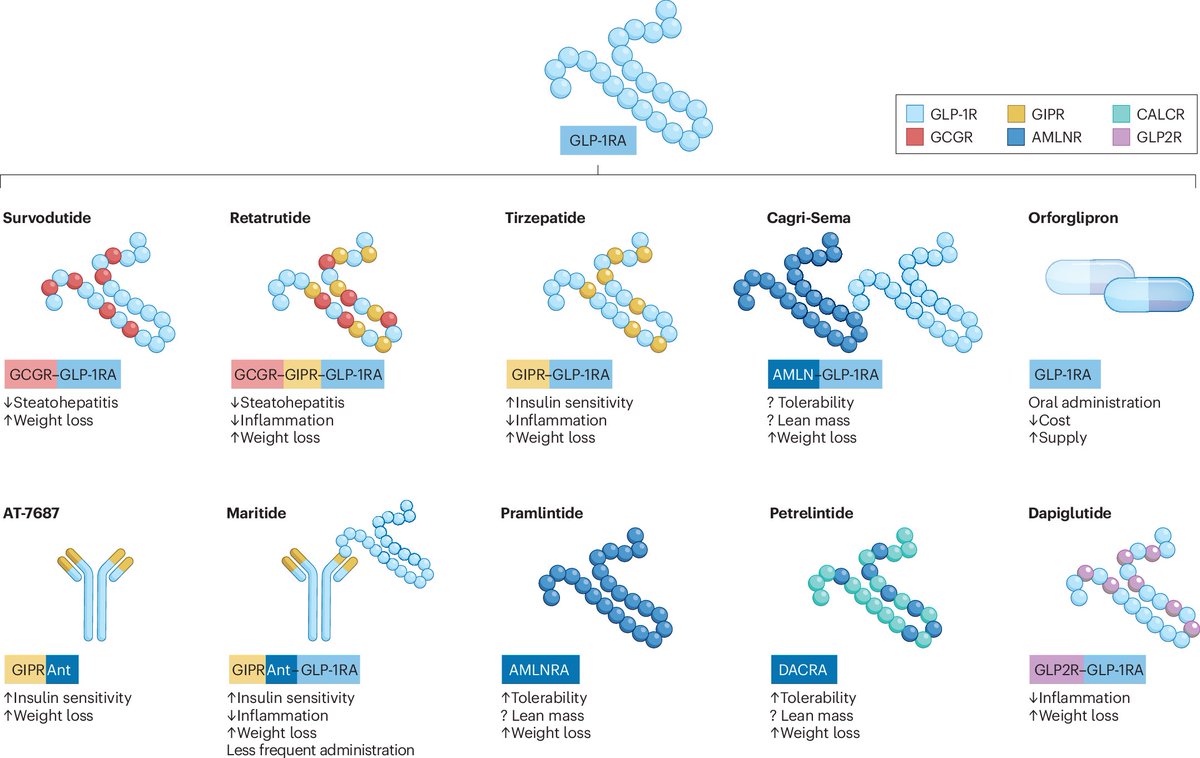
For readers interested in next-generation GLP-1-based drugs such as Lilly's oral candidate orforglipron, here's a comprehensive review from @DanielJDrucker
https://t.co/pM3Xc3F4u0
https://t.co/X714Dj2BNb
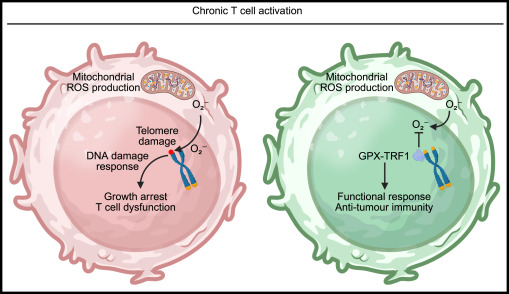
Preview @ImmunityCP
Burning the candle at both ends: ROS-mediated telomere damage drives T cell dysfunction
https://t.co/s6pl5w2t4j
on
https://t.co/uIptYSN3u4
Excited to announce mBER, our fully open AI tool for de novo design of epitope-specific antibodies. To validate, we ran the largest de novo antibody experiment to date: >1M designs tested against 145 targets, measuring >100M interactions. We found specific binders for nearly half the targets, with up to 40% hit rates. Thread below: