A lot of people think this fix is as simple as "get people to write down stuff"
Institutional knowledge, also includes life experience, instinct, world knowledge, it's not 100,000 txt files, it's essentially the world.
I feel this way about everything there was a whole surge of apps and websites and companies and experiences that were basically only good because the people running them didn’t understand how expensive it was to provide something good
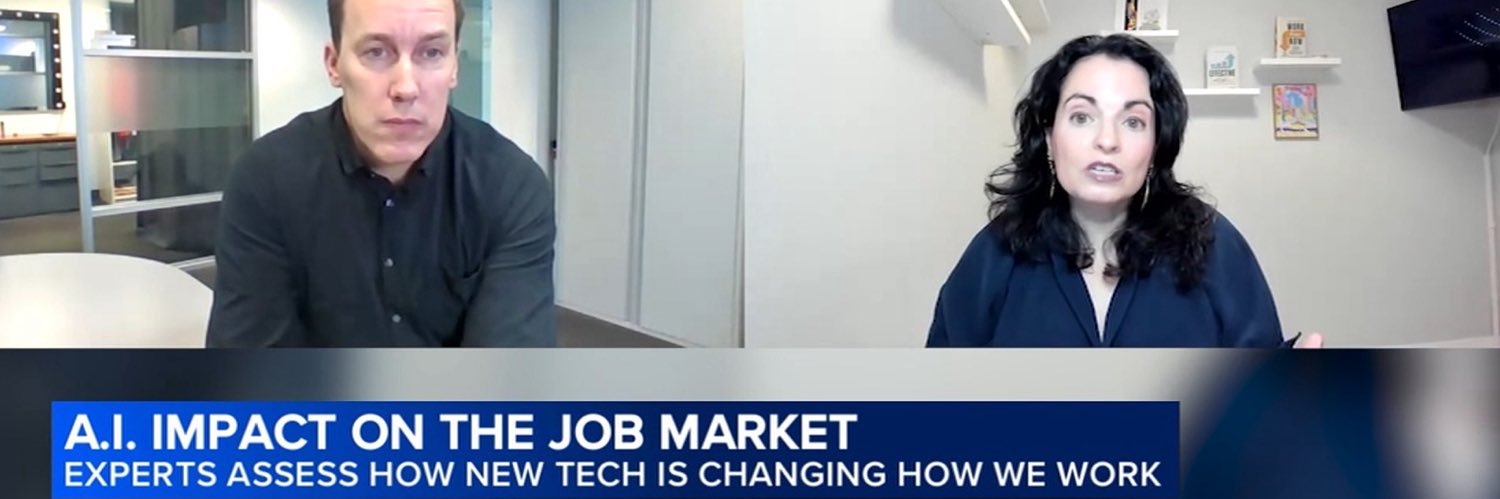
The CEO of Goldman Sachs is taking the other side on the pessimistic takes on AI and jobs.
If you looked at what work looked like a few decades ago and saw how much faster everything is or easier it is to produce the same thing as before - even before AI - you’d certainly have been convinced there’d be no jobs left.
What happens is we constantly just demand more from everything. Instead of automating a task and delivering the same value proposition, but cheaper, we just expect more from the overall product or service. Because some players in the market decides to do more with the automation, and it raises everyone’s expectations. So those that don’t respond can’t compete.
We get more financial analysis from analysts. We get much more comprehensive legal advice. We get more tailored financial services offerings. We get better software in niches we never thought we could automate. Our healthcare providers offer more tests and deeper medical advice. This just goes on and on.
When you move from believing the world is static and you’ll have a better view of how jobs evolve due to AI.
Compelling post by a wise CEO
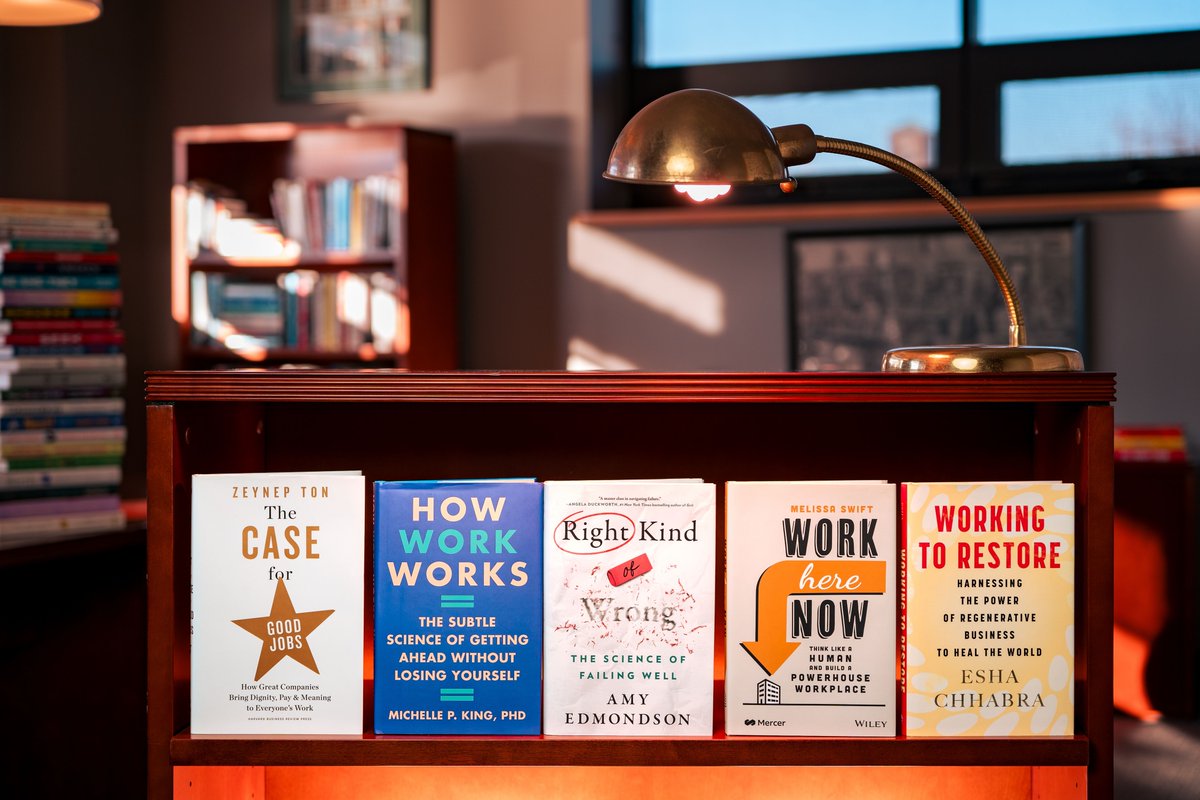
This old lesson that, leaders, consultants, and academics need to understand the work itself--how it is really done and ought to be--is an often ignored yet fundamental truth
They think they do, but don't, and the illusion harms profits and people
AI automates tasks, not necessarily jobs. Because a role is never just an isolated output but an assembly of judgment, coordination, accountability and context. That is probably what many analyses of "AI replacing white-collar work" still miss.
https://t.co/oiMRHhDU7K
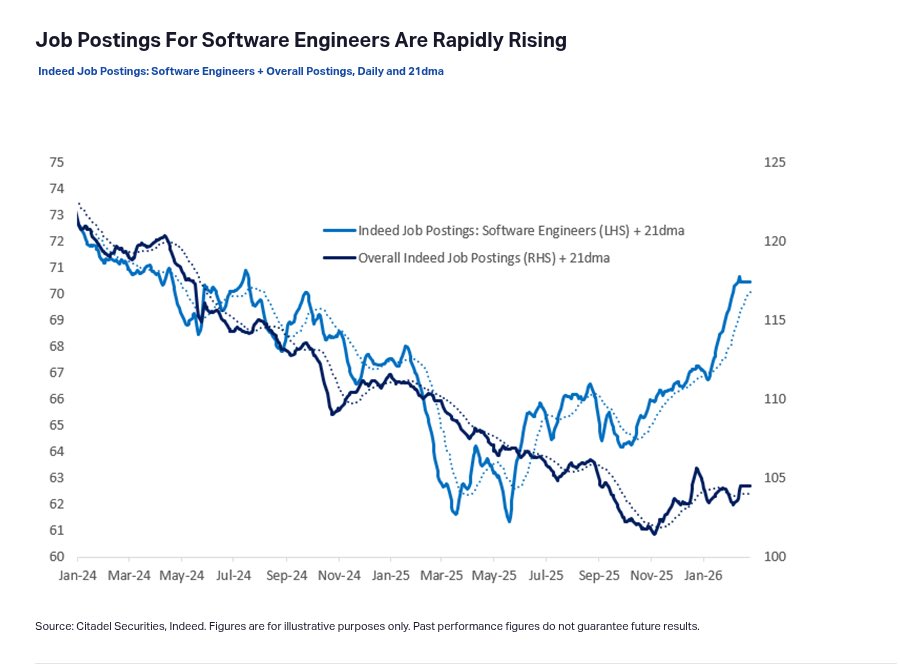
Q: How are job postings for software engineers rising rapidly despite AI agents automating coding?
A: Because there’s far more code to manage than ever before. We’re already seeing a 14x YoY increase in GitHub commits, and it’s accelerating.
AI has dramatically lowered the cost of writing code, so it’s now being used across far more businesses, applications, and use cases.
We’re at the beginning of a massive productivity boom driven by the proliferation of bespoke software throughout the entire economy.
Coding has been AI’s breakout use case this year. The fact that it’s increased demand for software engineers — rather than decreased it — should call into question the entire “AI will cause mass job loss” narrative.
Imo, this has more profound implications than it sounds.
Middle management was largely performative theater but it was also a slight nod to a system of traditional career progression at tech companies - a ladder and a process of feedback by your immediate boss. Feedback meant companies were forced to define good behavior vs bad behavior aka values etc.
With middle managers gone, the way this plays out is that all conversations become purely tactical over time with a tacit understanding that we are here to get the job done and gtfo. Sounds exciting to everyone tired of meaningless bureaucracy like 1:1s and quarterly appraisals.
But this is actually more insidious. Because it depletes an org of its function as a career progressor.
Meanwhile, pure tactical work quickly translates to the exact same cluelessness that orgs had with layers of heirarchy and bullshit titles. No one knows where the ship is going though it's moving.
At some point most people mentally check out. It's not exactly quiet quitting - value gets produced in the short term. For all its flaws, AI actually helps keep the lights on and more. And folks aren't exactly planning to leave and jump ship. But they also don't come to work with a purpose. Orgs become temporary vehicles of sustenance, not places where careers are made.
Now the extraordinary 0.1% still find a way to navigate the system and progress their careers due to sheer talent or ambition. Those with very high agency but poor people skills quit to start something of their own.
What remains are schritte-für-schritte folks. These folks used to work for the promise of linear progression. They aren't poor performers by any means. In fact they are the most hard working middle who get shit done and hope that their work gets recognized. These are the ones who come prepared for their weekly 1:1s
because it means something to them. They are the ones who care about values and culture and cheer when the org does well. They may be sceptical at times but are still sold on the overall idea of the org and its purpose.
When orgs invested in people and promised a career progression, many of these folks did well for the orgs and for themselves. With that system officially or tacitly removed, they turn into zombies bracing for the next lay off cycle.
The impact of AI is already producing a massive flood of content in so many creative industries--I don't know how we are going review or evaluate all this stuff. The peer review system was already at a breaking point.
https://t.co/8I3SFBPr5h
@tdav Question from the audience: will we have “agentic debt” 10 years from now? An unweeded garden of agents running around every org? Laughter and nods from the audience
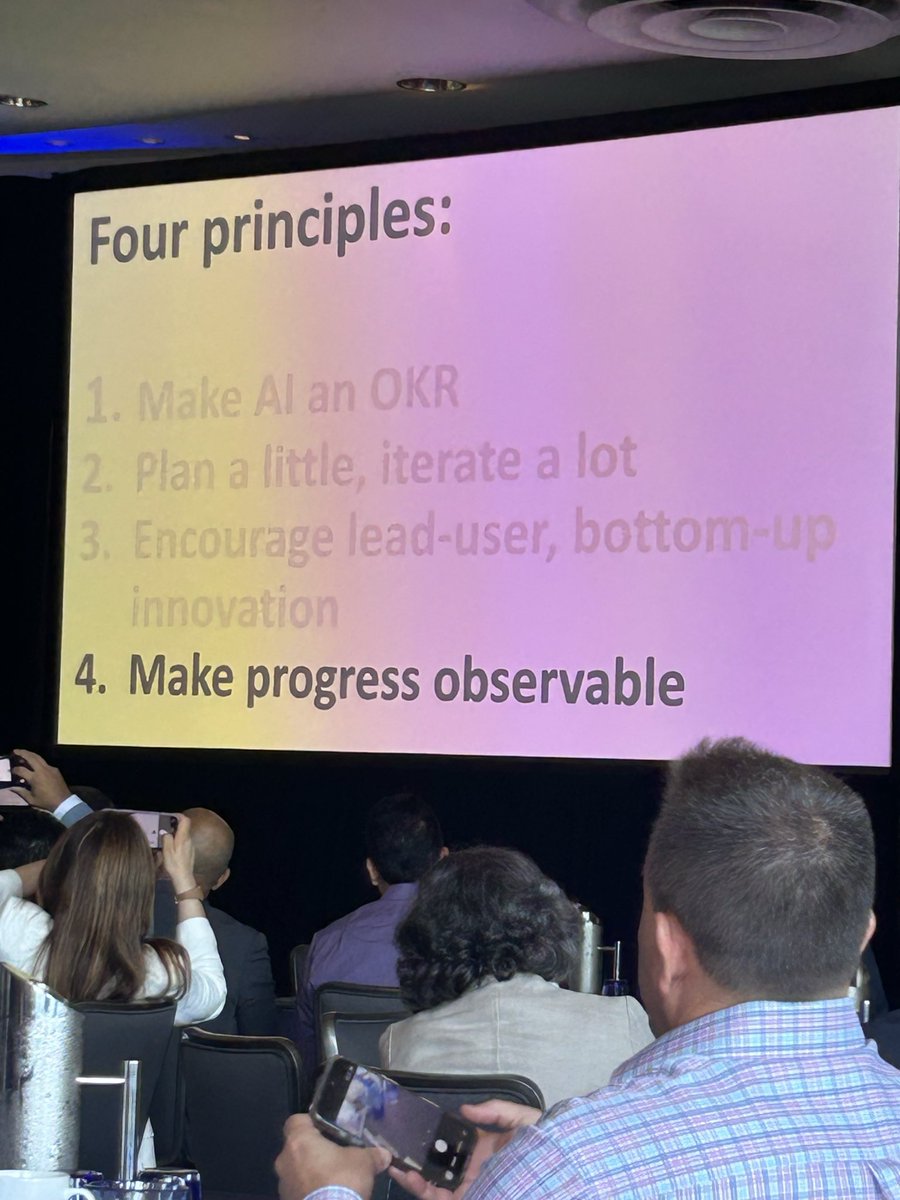
The principles he outlines. Heartily agree on 3 & 4; I side-eye point 1 and think 2 is a healthy balance to avoid some gnarly unintended consequences.
Opening keynote of MIT CIO symposium day 2: Andy McAfee making argument that existing tech companies will be biggest AI winners bc they have simply figured out better how to run companies. Interested to read his book…