#CPR is the cornerstone of survival for cardiac arrest, yet one crucial aspect of CPR quality is never discussed 🫀
Here's why we need to rethink a one-size fits all approach to CPR and why "push hard and fast with full recoil" isn't good enough in 2024.
A 🧵
#foamed #medtwitter
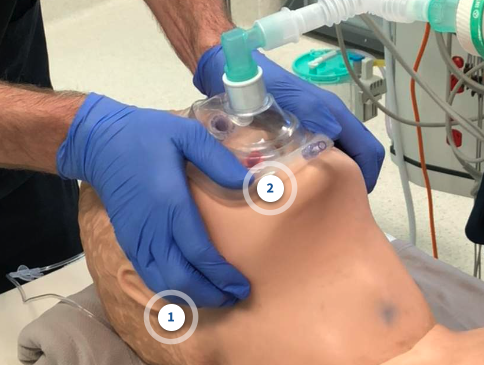
Want to improve your Basic Bag-Valve-Mask Ventilation skills? Here's a VERY short course I made that's free and will only take 5-10 minutes.
https://t.co/fqs8w8dA9M
Fantastic study confirming what we have been saying for years. Ignore venous congestion at your patient’s cost - not your own! Ping @EMNerd_ @khaycock2 @msiuba https://t.co/xBl47avq9O
What is the correlation between echocardiographic & invasive assessment of hemodynamics in acute decompensated heart failure-related cardiogenic shock (ADHF-CS)?
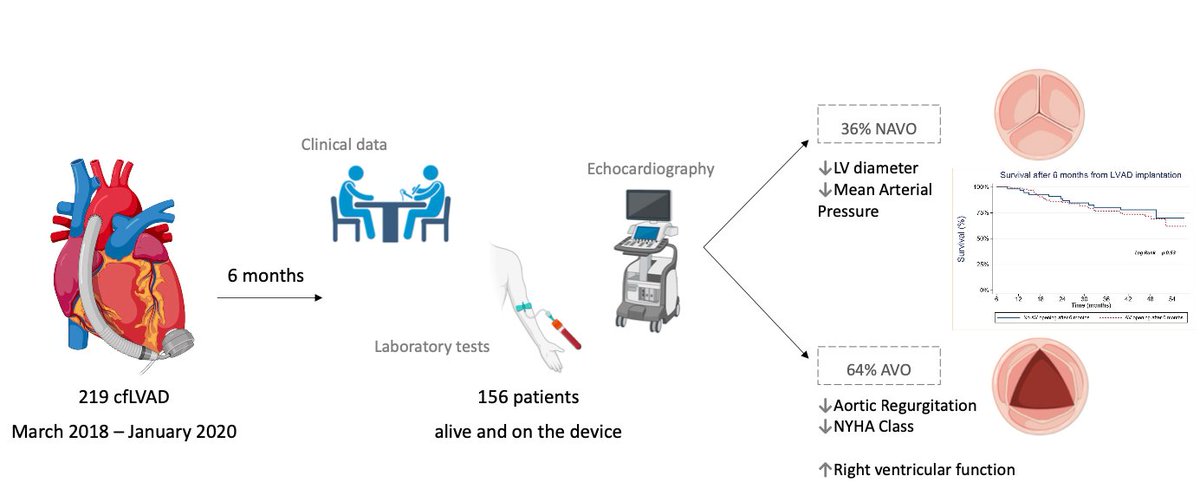
Check our latest publication on the potential benefits of aortic valve opening in LVAD patients - just published in @ArtifOrgans! ➡️https://t.co/Mhf16qyuku
Thanks to all the co-authors and very especially to @JanKnierim for the magnificent lead of the project!
Our Cardiac Arrest protocol for VF at @PBCFR does not follow standard AHA guidelines.
Here's what we do:
1. HP-CPR
2. Early defibrillation
3. No Epinephrine
4. DSED for rVF
5. Esmolol for rVF
YTD Arrests Worked: 524
Overall Survival to D/C:
- PBCFR: 13.2%
- National: 7.5%
Utstein Survival YTD via @CARESRegistry:
- PBCFR: 41.7%
- National: 23.9%
Utstein Bystander Survival YTD:
- PBCFR: 38.5%
- National: 27.2%
#Epinephrine could (and should) be #removed from the shockable rhythm protocol.
An interesting study was recently published in @yourICM and the authors made some sensible - IMHO - suggestions about how to use echocardiography to guide fluid management in critically ill patients
They recognized 3 scenarios where echo can predict fluid responsiveness (FR):
und @SaraCrager ist zurück! Shock neu bewerten, nicht in klassischen Schubladen (septisch, anaphylaktisch) denken, sondern individuell bewerten weil septischer Schock ist eben nicht gleich septischer Schock. #TBS24#dasFOAM