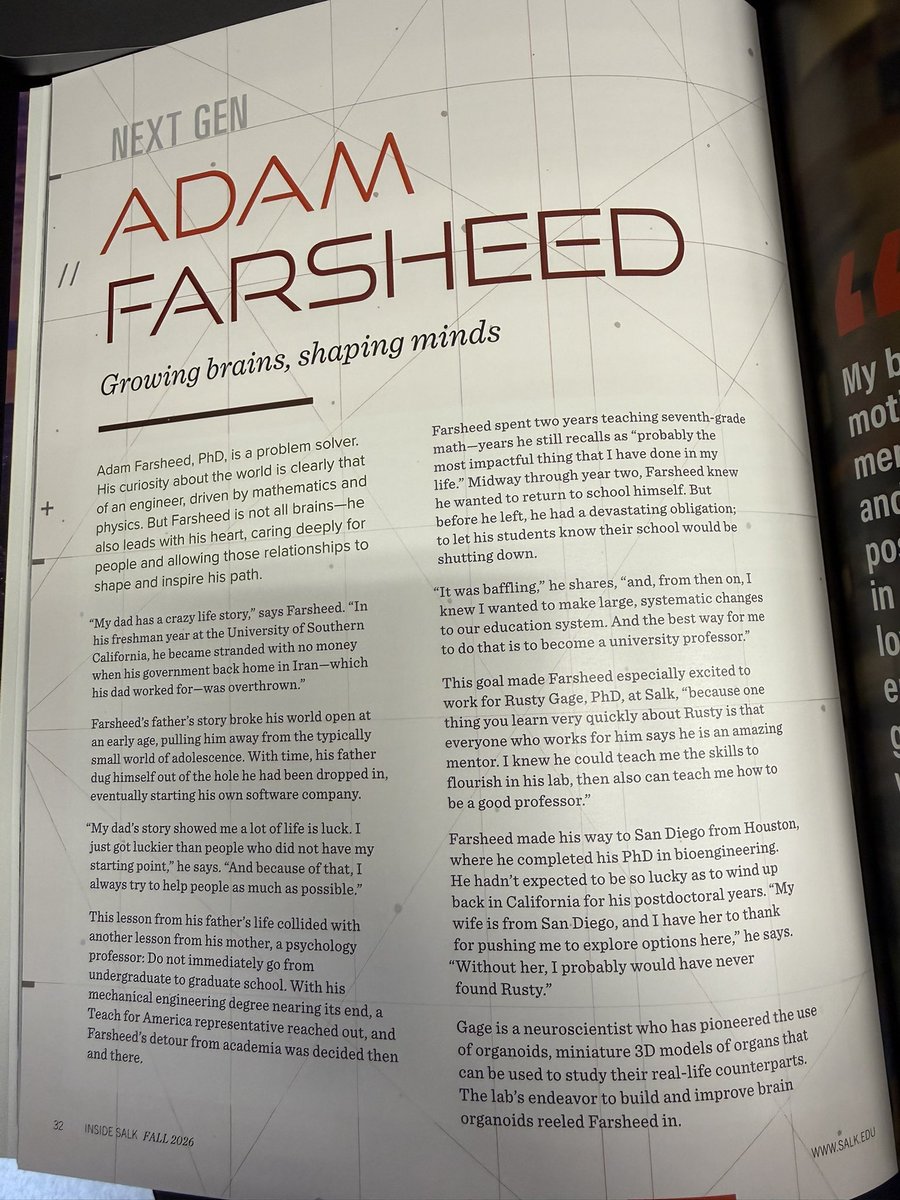
What do Jell-O, 3D printing, and brain science have in common?
Salk researcher Adam Farsheed is using 3D-printed hydrogels—Jell-O-like materials that cells love to grow in—to build better models of the human brain.
His goals:
🧠 Grow brain organoids much larger than current models
🔗 Build individual brain regions and connect them to recreate brain circuitry
🩸 Add blood vessels to model the blood-brain barrier
But the technology is only part of the story. Farsheed says that bringing an engineer’s perspective to a neuroscience lab has changed how he approaches scientific problems.
“One thing I learned is that my engineering brain and the biologists’ brains work very differently—I’m trying to build solutions, whereas they are much better at discovering what problems are worth solving,” says Farsheed.
“And actually, it is kind of a superpower to have a different background than everyone else, because I feel like I can see things that no one else can see, and vice versa.”
Read more in Inside Salk: https://t.co/EXSp7LVrhg
#3dprint #SalkInstitute #3Dprinting
@PahlaviReza Dear @PahlaviReza ,
I remind you of the great Mahatma Gandhi’s famous quote:
"First they ignore you, then they laugh at you, then they fight you, then you win”.
We must keep up the fight!
Long live a free, democratic Iran!
Multidomain peptides are a class of self-assembling peptides capable of forming nanofibrous hydrogels, used here to print complex 3D structures.
These constructs 👇 demonstrate charge-dependent differences in cell behavior in vitro.
Check it out: https://t.co/9sLNJ2my81
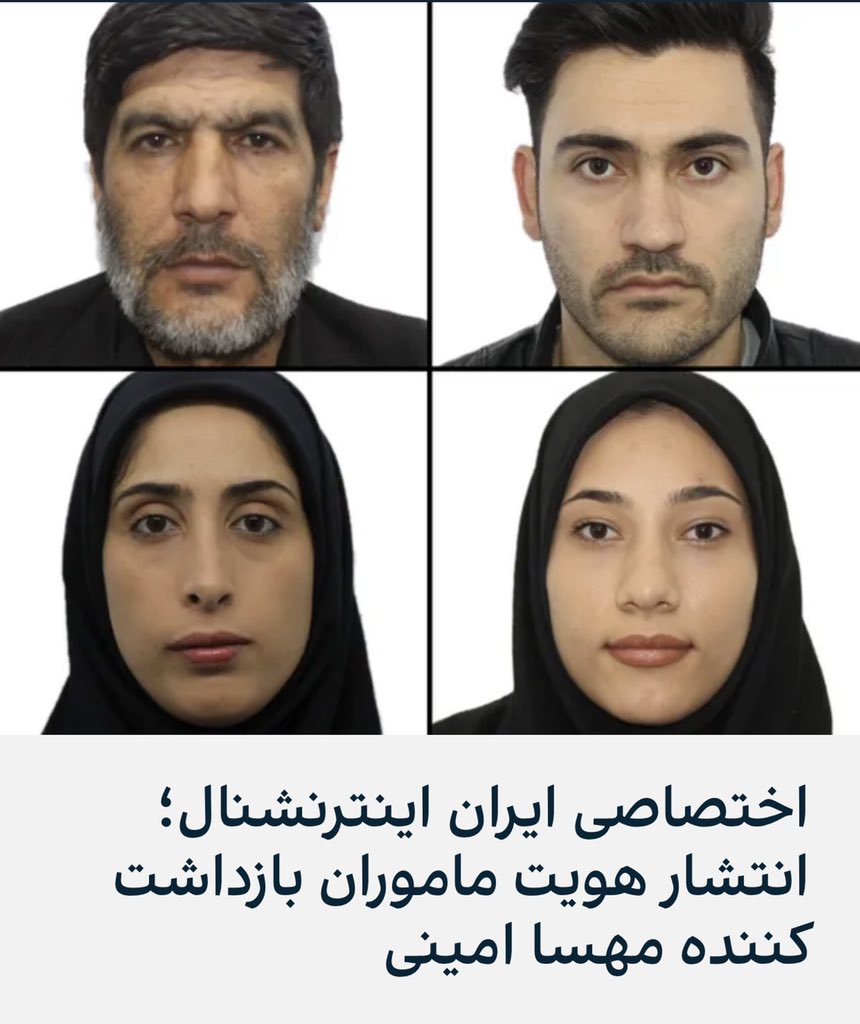
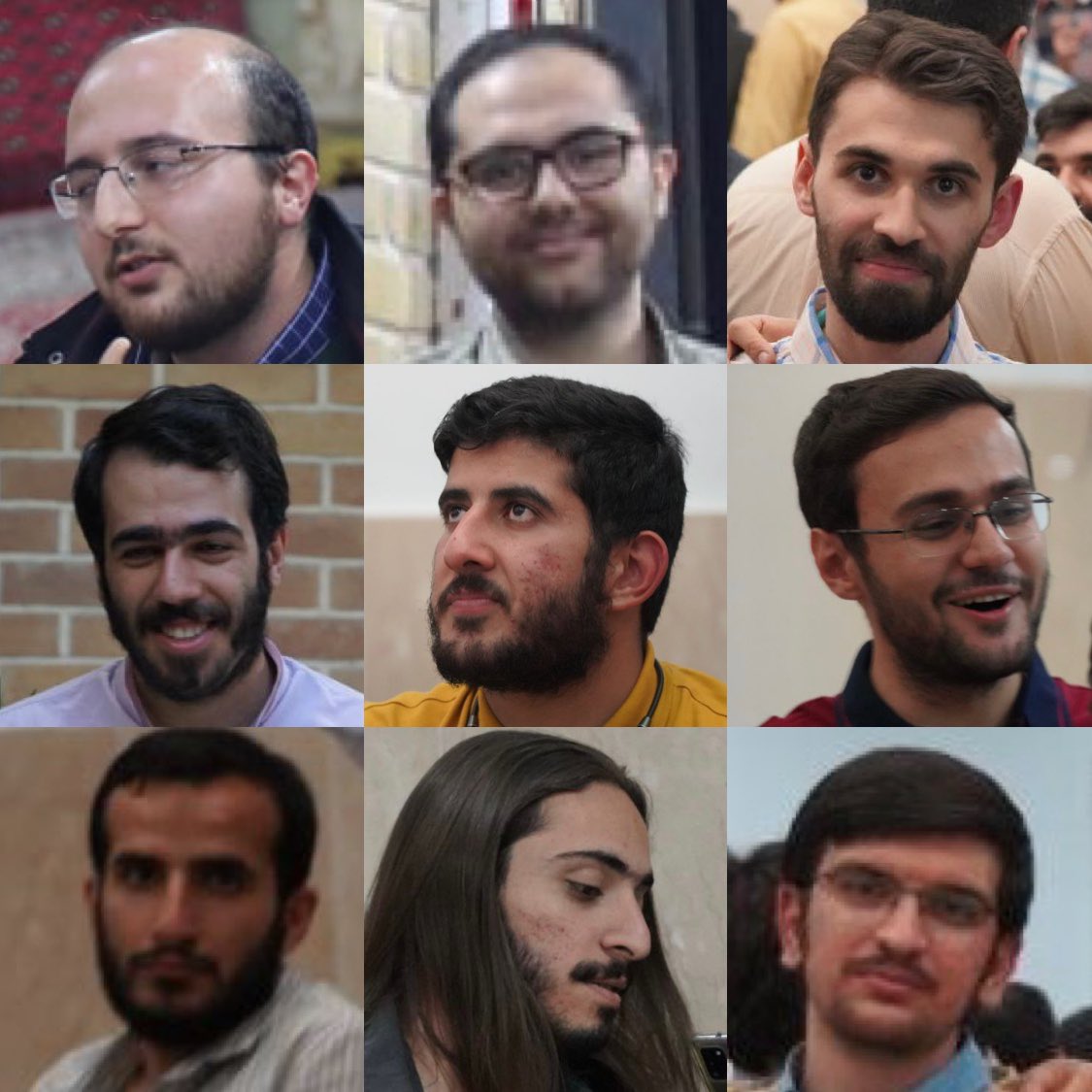
یکی دیگه از صادراتیهای رژیم، ساکن کانادا-آلبرتا. رضا موسیپور رییس بسیج سابق دانشگاه علموصنعت که خودتون میدونید رییس بسیج شدن تو علم و صنعت یعنی چی! چند ساله آلبرتا دانشجوی دکتراست. توی تلگرامش اسمش رو عوض کرده و گذاشته امیرپارسا. تمام عکسهای زیر از خبرگزاری فارس پاک شده. ⬇️
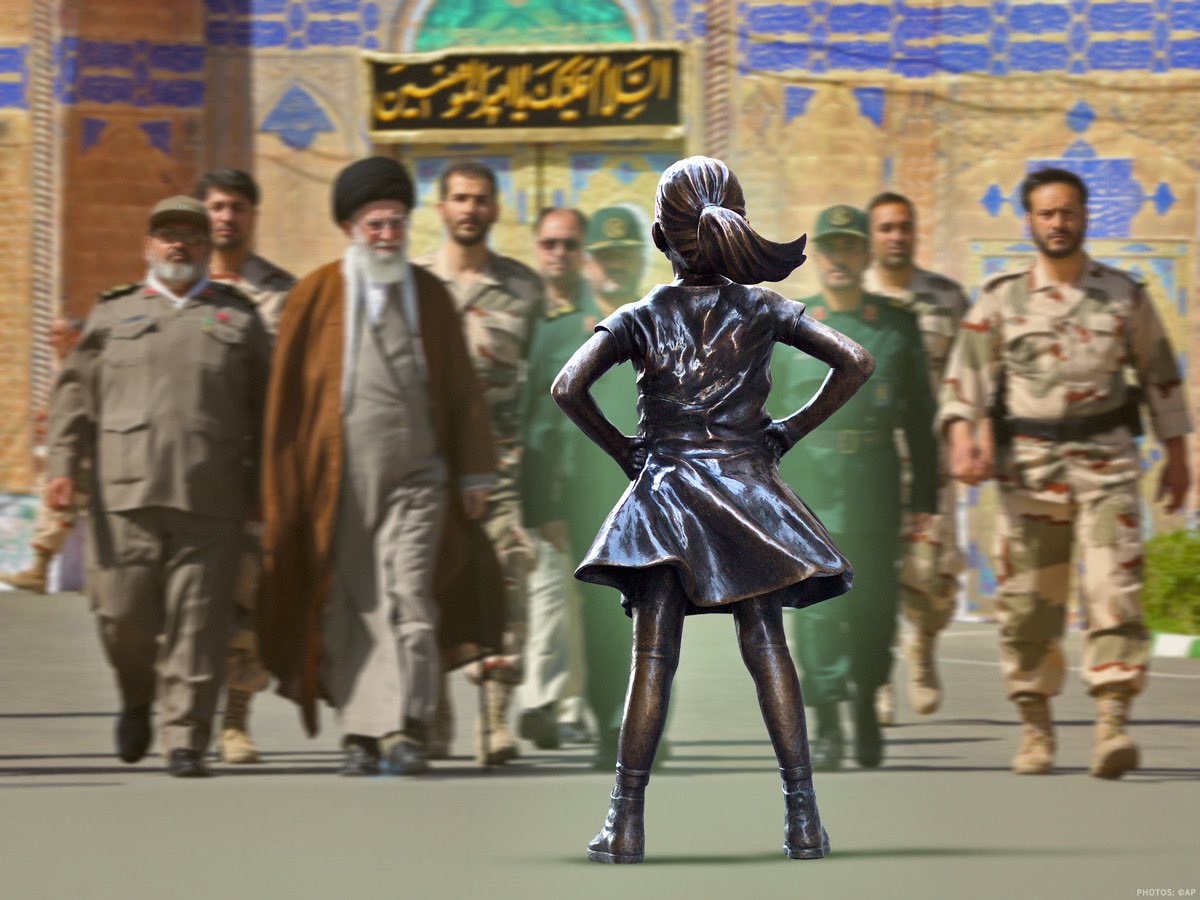
Brave women in Iran are risking everything to confront one of the world's most violent, repressive regimes.
With Iran at UNGA, we must demand investigations into its human rights violations and treatment of prisoners and protestors.
We must fight for freedom at home and abroad.
Congratulations @UCIrvine Distinguished Professor Roxane Cohen Silver on being listed in the @expertscapenews top 1% of scholars studying terrorism worldwide! Silver's research is highly cited and highly valued: https://t.co/KG5MC5dfdp
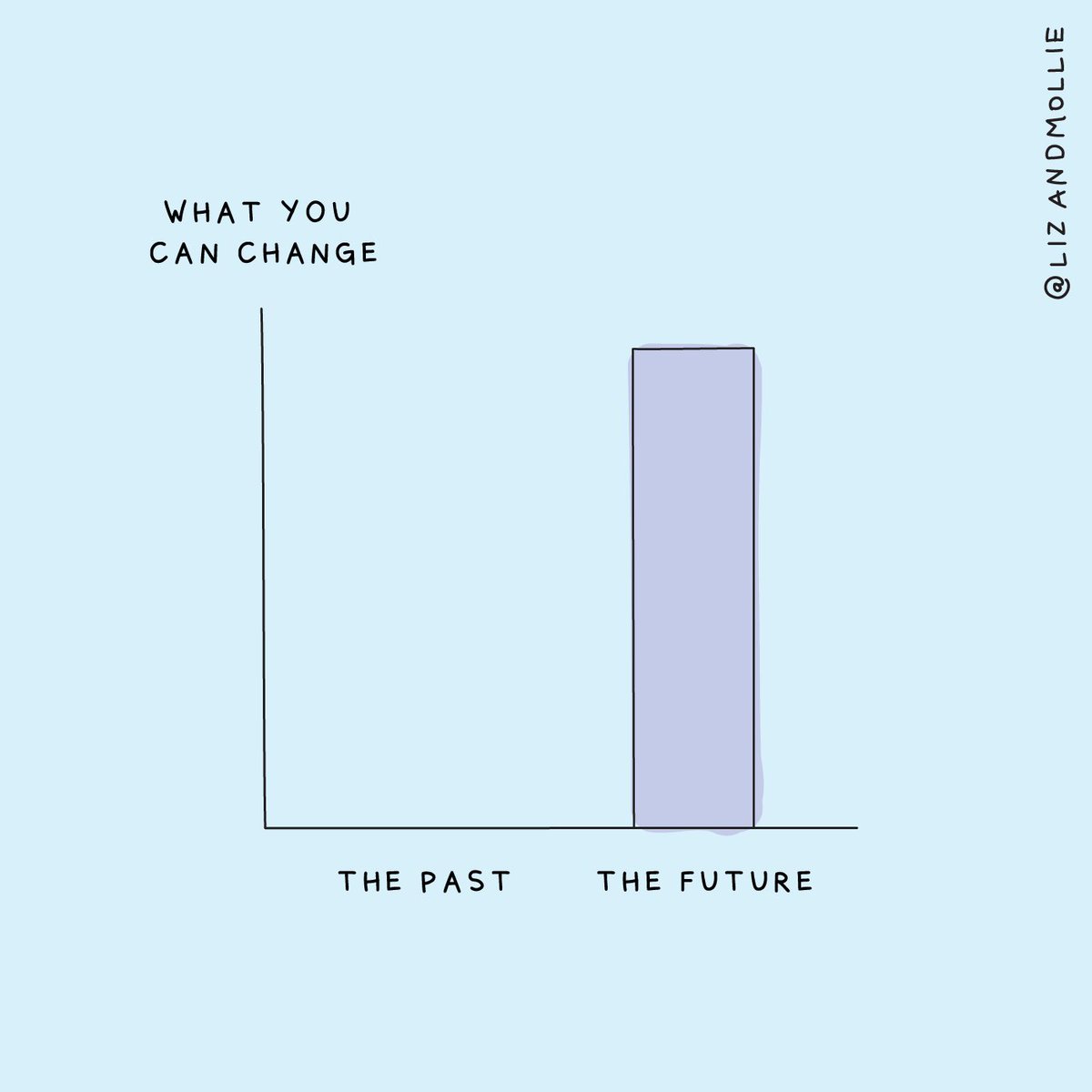
If you punish people for being wrong, they cover up their mistakes. They make excuses and throw blame to justify the past.
If you treat being wrong as a learning opportunity, people admit their errors. They take responsibility for correcting and preventing them in the future.