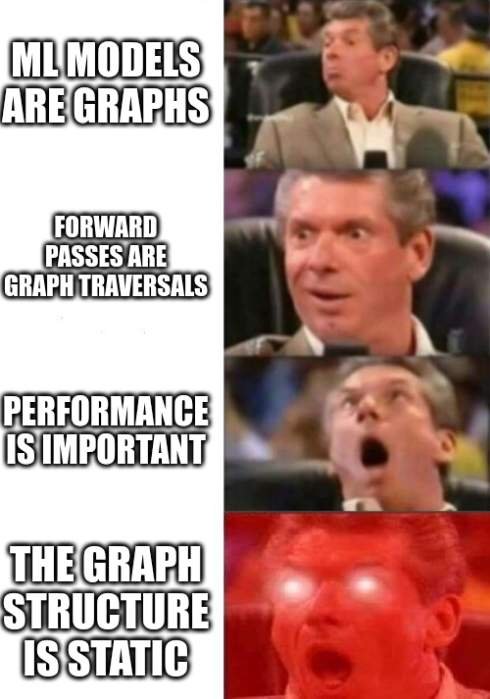
@tekknolagi You could partially evaluate by hand to make it 0CFA? That should also simplify the implementation a bit (or a lot?).
Another explanation (not an implementation) is the 0CFA chapter in Nielson, Nielson, and Hankin's "Principles of Program Analysis" textbook.
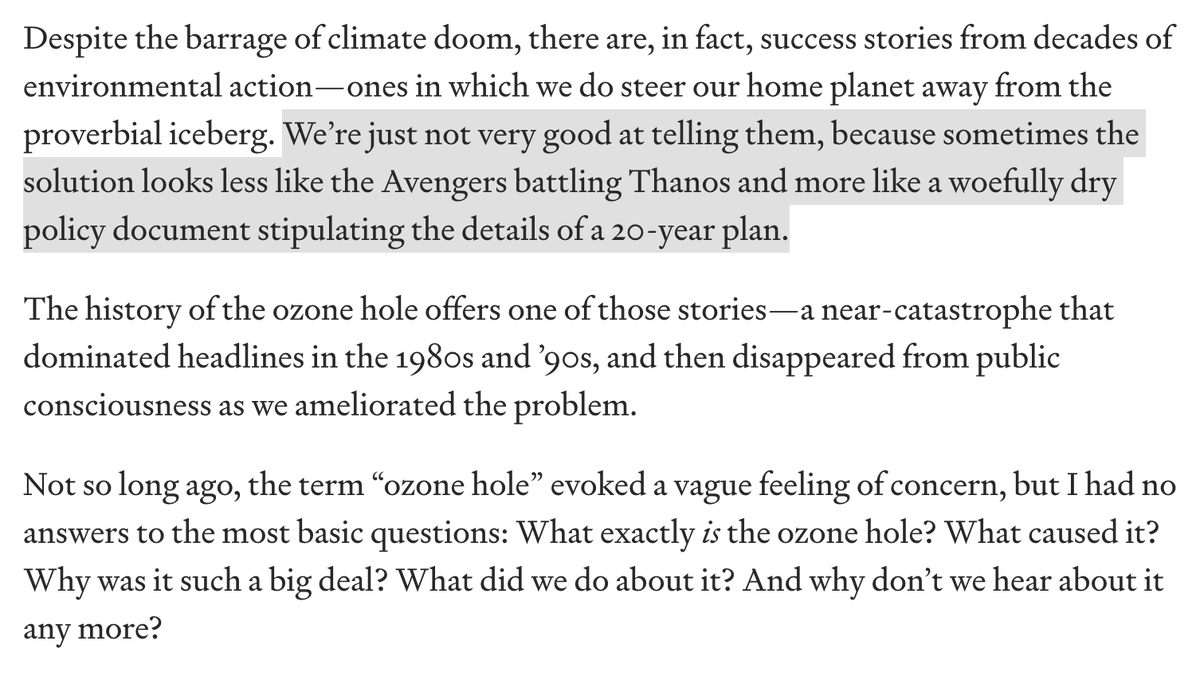
Gather 'round children, it's time to learn the story of the ozone hole
Last year on a lark, I flew to visit @recoolit in Jakarta to see their climate tech ambitions in action. That trip kickstarted my most ambitious writing yet.
The first part is out now, on @every (link in 🧵)
So, you want to give a conference talk? Great!
First, though, watch this 5-minute lightning talk I gave at @pytexas: "Five Ways To Keep Your Audience Off Of Their Phones."
https://t.co/wH5nwhaIyy
@tekknolagi@willium Hi! Yes, I worked on this for my PhD. I have a model and some code, but it's very much a research prototype and not close to being a usable app. Main challenges are it's hard to get high quality data for both training and evaluation.
Hi! I'm finishing my PhD this spring and looking for industry work in 🇨🇦🇺🇸; Europe if fit is right.
Experience: compilers/PL impl, static analysis, recently code LLMs
Website: https://t.co/eCKLGgN3QB
If you're hiring or think I should apply somewhere, please DM! (And retweet!)
@psobot I could see code assistants being more useful if you're a beginning programmer, or if you're learning a new programming language and its libraries. Or if you're writing boilerplate code, the code assistant might be faster than searching on StackOverflow and then copy/pasting.
@MagnusMadsenDK Probably Waterloo, it's closer to what I grew up with. But Boston and Waterloo aren't too different.
Boston summers are a bit hotter but still humid. The winters are also warmer, but it rains a lot and I think cold rain is worse than colder snow.
Left: Not Mount Rainier as seen from the University of Washington, 2013
Right: Mount Rainier as seen from the University of Washington, 2023
Ended up waiting 10 years to get the second photo.