Tech Investor | Former WhatsApp Engineering Director | Mentor to Early-Stage Startups | Passionate about AI, Innovation, and Leadership @CarnegieMellon
Obviously, I do not think cloud AI goes away. The biggest models will keep pushing the ceiling higher, but for robots, wearables, cars, sensors, and other physical products, edge AI makes intelligence feel native to the product. That's an upside worth pursuing.
A robot waiting on a cloud model for every decision feels wrong to me. Cloud AI is incredibly useful when the product is software. For many use cases, that is the right trade-off, but edge AI becomes much more intriguing when the product has to operate in the physical world.
That is why compressed local models are an interesting opportunity. When the model runs on the device, the intelligence becomes part of the product architecture.
Fundraising is never fully predictable, but the calendar does matter more than people want to believe. July and August should be the prep period for all the fall chaos.
There is a strange seasonality to startup fundraising. Summer can feel like a dead zone. People are traveling, and meetings slow down. Then September arrives, and everyone suddenly seems to be back in motion.
It is a good time to reconnect with people who already know the company and build the kind of momentum that will make September feel less like a cold start.
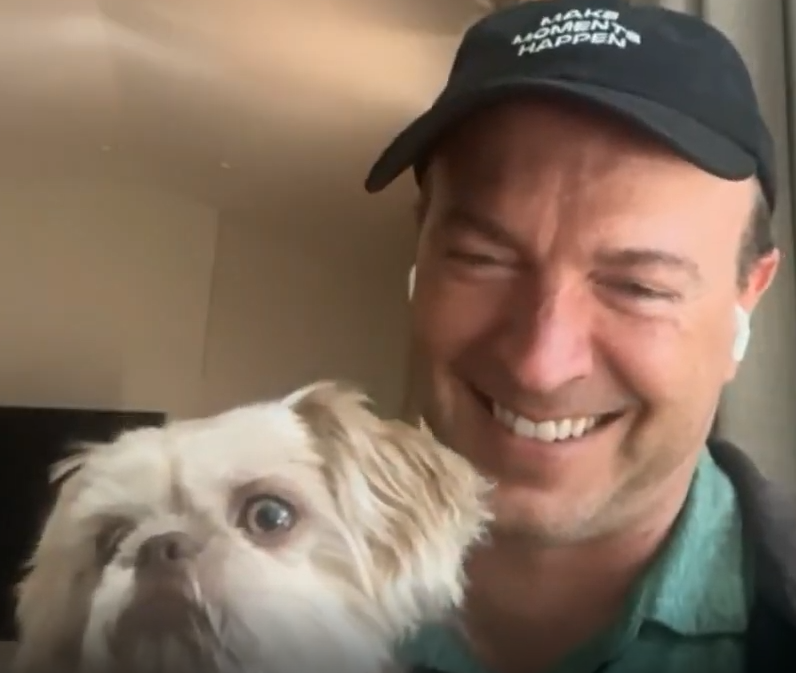
A slightly different kind of update: we are fostering a very calm 8-year-old rescue dog right now, and I am quickly learning how easy it is to reorganize your day around a face like this.
He has already settled into the house like he has been running things for years.
I think people underestimate retention because acquisition is easier to see. New user numbers feel good and create a sense of motion, but retention tells you whether the product has made itself necessary.
That is especially true in AI right now. Many products can spark curiosity. A lot can get someone to try something once. The harder and more important part is for that product to become part of how someone works, thinks, or makes decisions after the novelty wears off.
Finding the support to push through or pivot in the right way makes a big difference. You might not get the influx of funds, but you should be looking for an influx of information.
There's been a lot of chatter about the venture market becoming "barbell-ed," with very large late-stage AI rounds on one end and more disciplined early-stage investing on the other. The middle is getting harder.
That generally tracks, and I think it creates a strange challenge for founders. In that middle, a company is often too real to be judged purely on vision but maybe not yet obvious enough to be judged only on metrics. That is a difficult place to live.
A serif font doesn't make a product more trustworthy, obviously, but it can suggest taste and that someone made a choice. At the very least, it's interesting that some of the companies pushing us furthest into the AI era are borrowing visual language from before it.
I have noticed that in the AI world, more companies are using serif fonts. It's small, but for most of the last decade, tech branding moved toward the same clean sans-serif look. It was modern, efficient, and often a little interchangeable.
Now some of the companies building the AI revolution are reaching for typography that feels older. Maybe it is just a design trend, but I wonder if it reflects something deeper. Maybe this is a reflection on the value of things that feel intentional and human.