Super exciting study linking diet to Colibactin producing bacteria and its impact on CRC. Check out our MOTM highlight on this at https://t.co/sNGeJPKvA1 or https://t.co/7Lo4zpe2IW
Diets high in meat and low in fiber have been linked with a boost of colibactin-producing E. coli, damaging DNA, and leading to colorectal cancer
Could the microbiome drive the current rise in colorectal cancer?
https://t.co/n4d9zDUWo6
Thrilled to share our latest research out today in @Nature: “Microbial metabolite drives ageing-related clonal hematopoiesis via ALPK1” https://t.co/xlcrZxKRU8
One new article about #MicrobialCoCulture: "Vibralactone derivatives isolated from co-cultures of the basidiomycetes #Stereum hirsutum and #Boreostereum vibrans" https://t.co/9tnmNkRJaS
Happy March! While there’s so much to say about our friendly neighborhood Riboflavin, here we show some highlights. It’s amazing how we can engineer bacteria for commercial production!
Check out more at https://t.co/sNGeJPKvA1
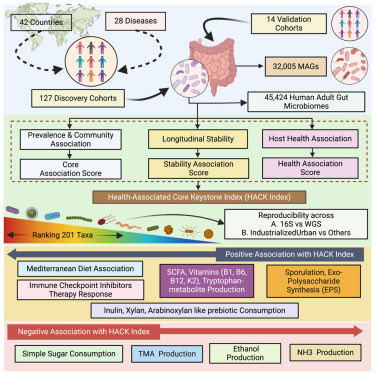
Have we finally discovered what a “normal” gut #microbiome looks like?
Analysis of 45,454 microbiomes from 42 countries identified the Health-Associated Core Keystone (HACK) index, linking certain microbial profiles to lifestyle, disease, and health.
https://t.co/jx5na9aWWo
#CIMM2025 Speaker Spotlight: @lizljohnson’s research program focuses on understanding how lipids mediate diet-microbiome-host interactions with the goal of manipulating these interactions for the benefit of host health. Catch her presentation on Day 1!
What if the gut microbiome drives sugar cravings?
New research found the bacterium Bacteroides vulgatus was causally linked to intake of sugar, with pantothenic acid being the key metabolite involved:
https://t.co/fxqFg2XAdT
EasyMetagenome: A user‐friendly and flexible pipeline for shotgun #metagenomic analysis in #microbiome research https://t.co/LX3U4Y03SJ
#Bioinformatics#pipeline @wileymicrobio @WileyBiomedical
Akkermansia muciniphila is a promising target for managing obesity and type 2 diabetes
However, this randomized trial reveals that the metabolic benefits of A. muciniphila supplementation could depend on its baseline intestinal levels:
https://t.co/EyWHJDHvLP
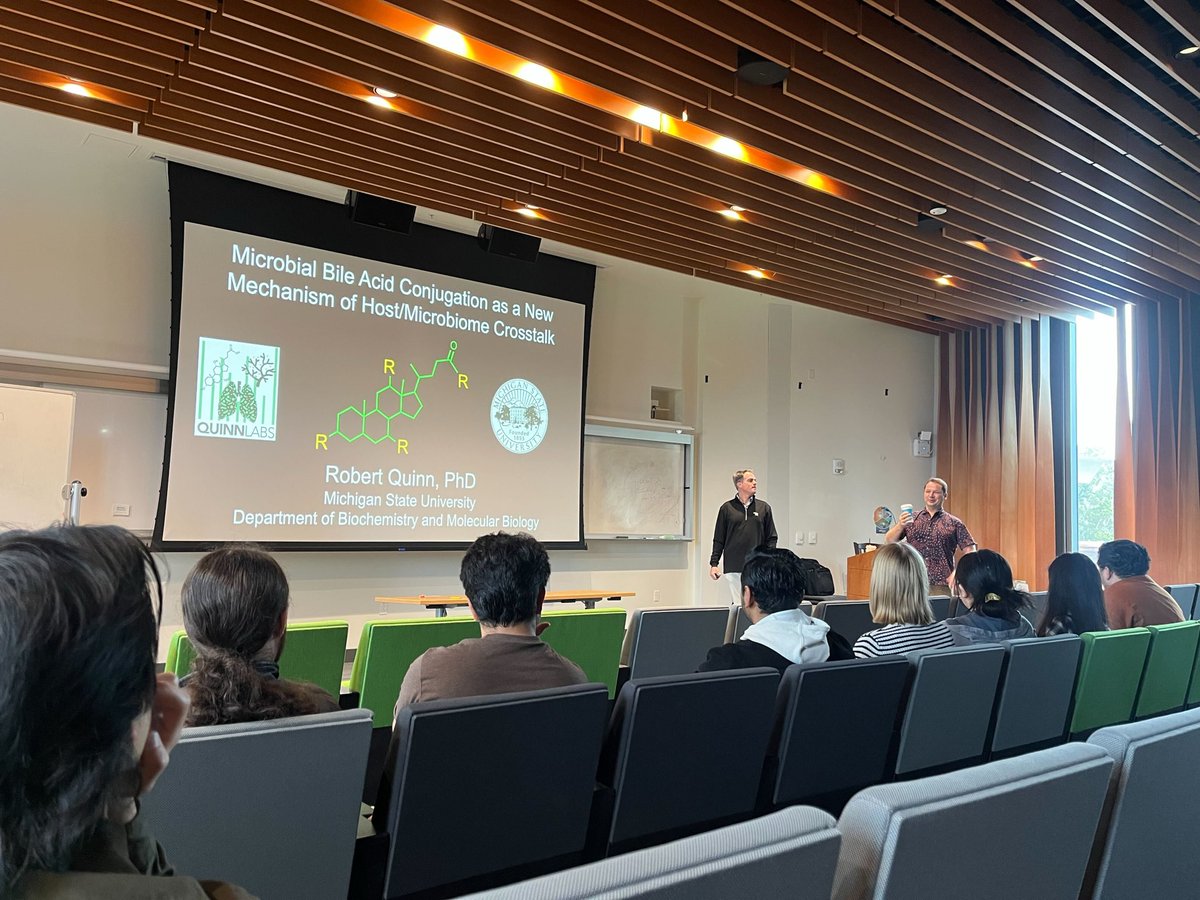
Was great to see this AMAZING talk by Robert Quinn of @Quinn_Labs here at UCSD. This talk included a history of the discovery of amine conjugated bile acids, the enzymology behind them, and their impact on health and disease.
Some featured papers in his talk shared below: