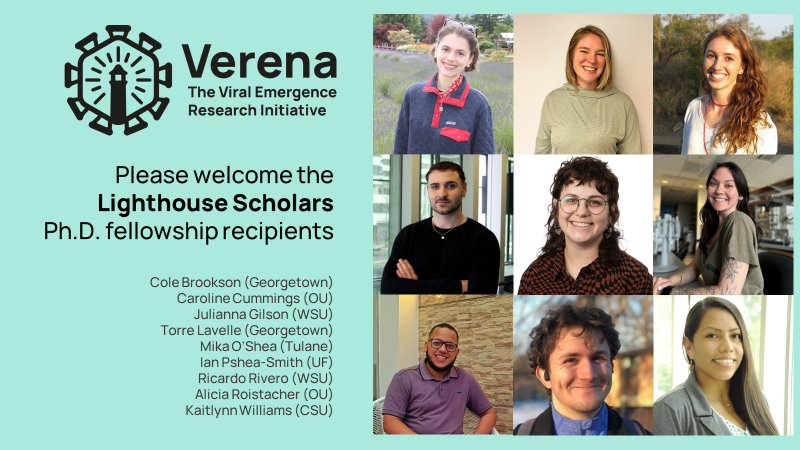
Please join us in welcoming the Lighthouse Scholars, a cohort of nine incoming Ph.D. students who will spend the next four years researching how host-virus interactions and zoonotic diseases emerge across scales, from the building blocks of life up to a changing planet
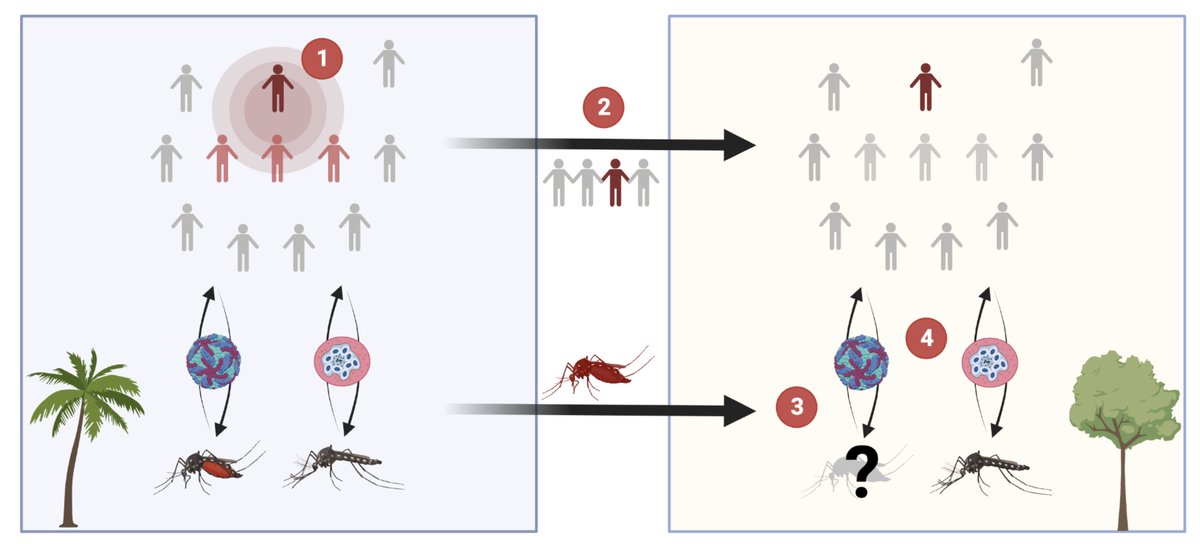
‘If the virus arrived in Europe or the US, it would probably be easily contained with vaccination, as in 2022… Most vaccines and treatments have been pre-ordered by rich countries’
#Mpox again shows the racism at the heart of our medicine model 1/2
https://t.co/KYf3Tt9onq
Both loci are functional but are used differentially across cell subsets. B cell receptors from the smaller, less complex locus are overrepresented in the naïve B cell repertoire; B cells using the second, larger locus preferentially contribute to antigen-experienced populations.
So excited to share this work, led by Taylor Pursell as part of a collaboration with @ScottBoydLab. Some bat species have two immunoglobulin heavy chain loci on different chromosomes, changing what we know about mammalian adaptive immunity.
https://t.co/I8zg3XW4Su
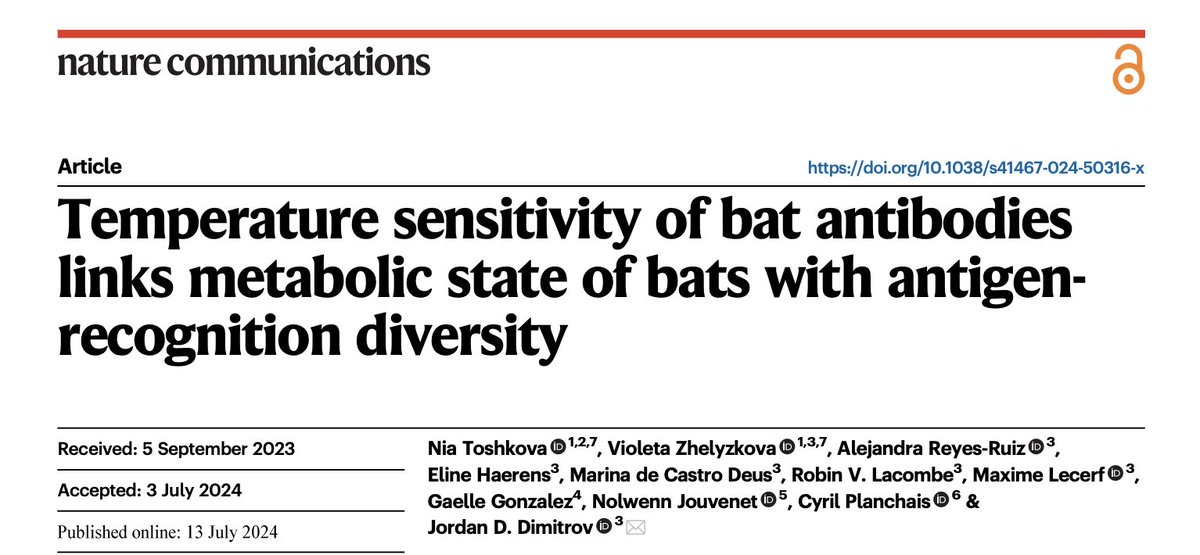
🥳Our research on the temperature sensitivity of bat antibodies has now been published! #bats#immunity#metabolism
A lovely collaboration with Dr JD Dimitrov's group at @CRCordeliers, @nmnhs, @lab_jouvenet, @CyrilPlanchais
🦇https://t.co/Tn8BiJGE5M
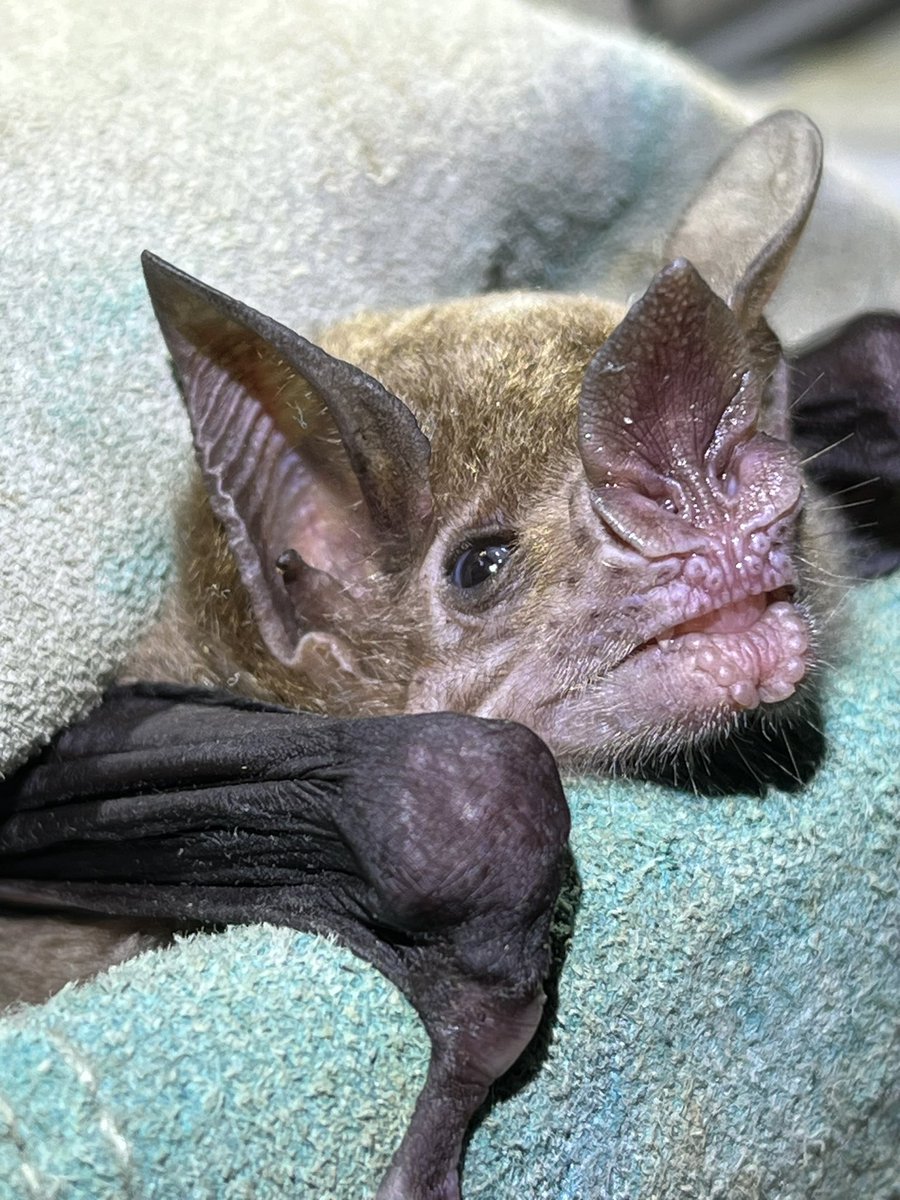
Just two days after going down a rabbit hole of albinism/leucism in bats, our team stumbled upon this beautiful blonde-haired, red-eyed Carollia castanea in Northwestern Ecuador! We’re not sure how to classify this combination of pigment loss - thoughts?
Found this incredible red-eyed Carollia castanea while sampling in northwestern Ecuador tonight! This is a first for our team! Would this be considered a leucistic bat?
We spent the last two months redesigning our website and it's finally live! Sign up for our newsletter, access all of our papers, read about our research and education programs, get the latest on small research grants, and more. Please share (and sign up)! https://t.co/nPZyMRee36
This week, treaty negotiators are weighing a proposed @WHO system that would ensure global access to life-saving medicines and fund future science. Proud to share an open letter in @Nature from 290 scientists in 36 countries on why we support the proposal
https://t.co/zDkWFf1r6z
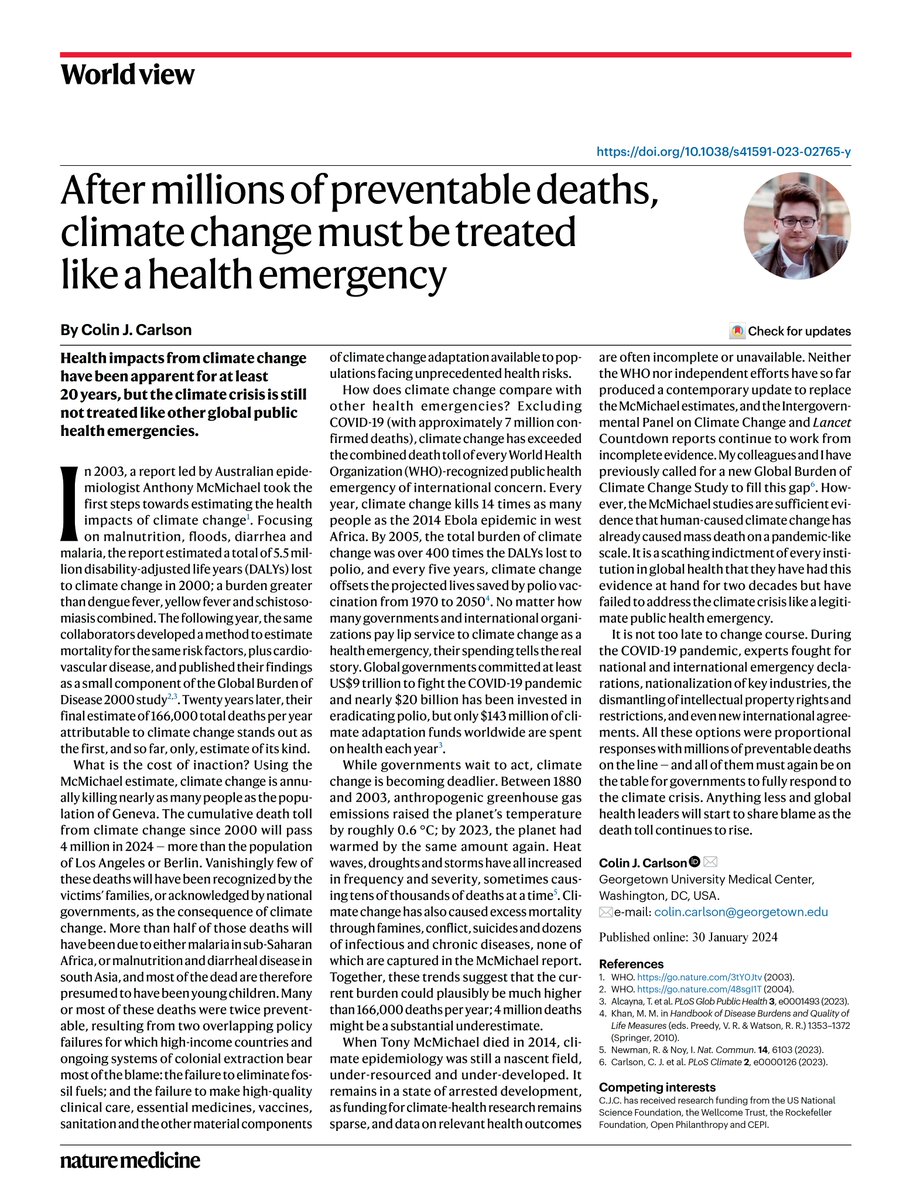
Climate change has killed at least four million people. I wrote this because I felt like I was the only one who had noticed. If you ever read and share anything I've written, I hope it'll be this short piece, out today in @NatureMedicine
https://t.co/wynmmdP6cy
I'll be looking for a postdoc to join our group at Yale this fall, working with @viralemergence on: (1) using ML to predict mammal-mosquito-arbovirus interactions; or (2) documenting present-day range shifts in 🦇🐒🦟. My DMs are open! Reach out!
What can bat evolutionary history tell us about all the coronaviruses that still haven't been discovered? New from @norma_forero, @tpoi: translating biogeography and biodiversity into global maps of spillover and emergence risk. 🔓 in @Virus_Evolution: https://t.co/4mpZgRbxTZ
Want to join #TeamEmergence? The call is once again open for postdocs or late-stage PhD students to join our team as Fellows in Residence: a 6- or 12-month virtual collaborator status with a $5k stipend and tons of professional development opportunities!
https://t.co/OXXHbjCIwX
Today, we're launching the Pathogen Harmonized Observatory, or Pharos: a global platform for managing and sharing data on wildlife disease. You can explore some example datasets, or upload your own, by heading over to https://t.co/Abf2Gu4ifJ 🖥️
More on the project... 🧵
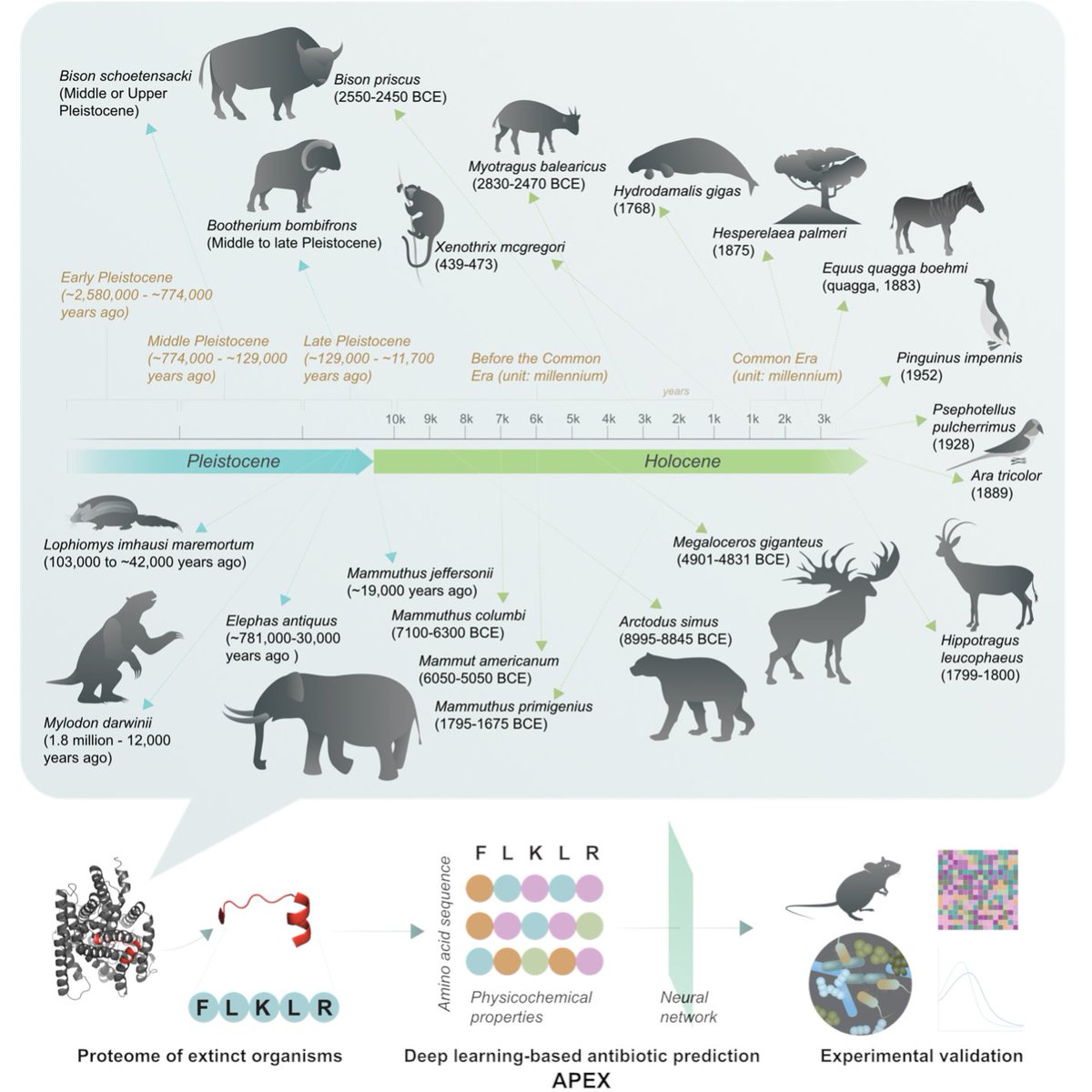
Excited to share #APEX, our new deep learning method for molecular de-extinction. Discovered 11K antibiotics in the "extinctome", including in the woolly mammoth, ancient sea cow, giant sloth, and extinct giant elk. (Thread 1/8)
🦕🌊 #ExtinctomeRevealed
https://t.co/Tn70m0mhrx