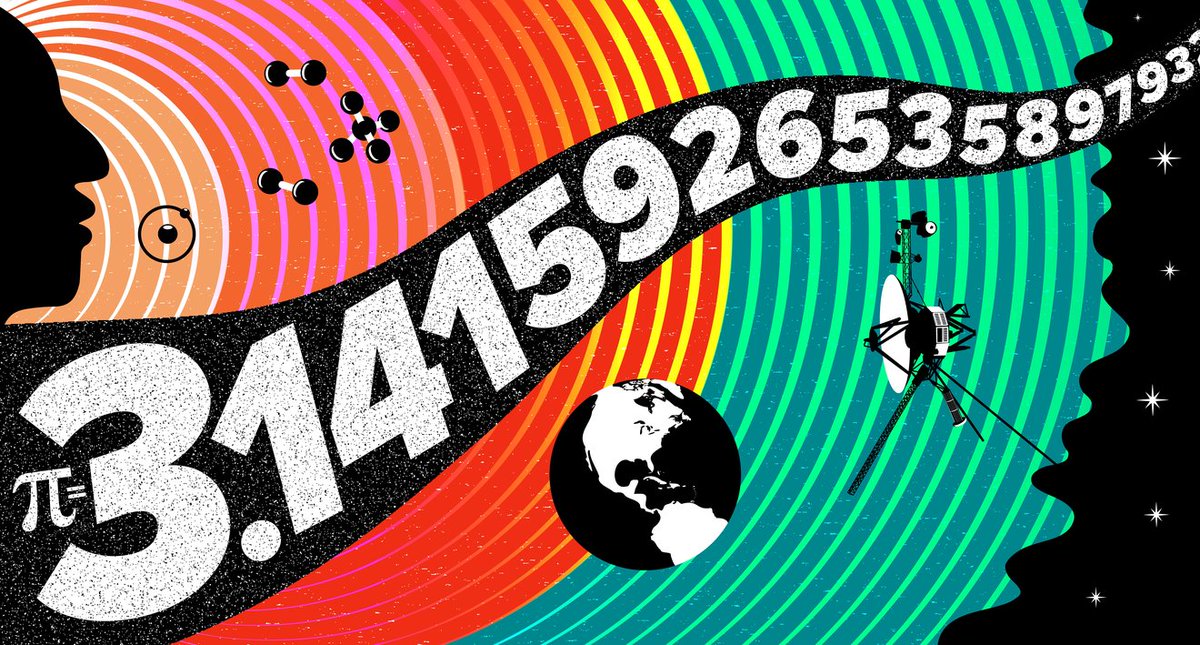
It's Pi day! Pi day! Gotta get down on Pi day! 🥧 🎵
Whether you take the front seat or the back seat, pi is all around you. 🔄
Learn more about this special number "𝛑" and how NASA uses it to explore our solar system and beyond: https://t.co/RuFpBB834K
🖼️ : NASA/JPL
We are just two weeks away from a total solar eclipse across America!🌎 🌑 ☀️
Want to know what the April 8 eclipse will look like where you live?
Enter your location into NASA’s new interactive eclipse explorer map and see for yourself! https://t.co/qDvOzhjVs2
Hang on tight – we’re going on an adventure High Above Down Under! 🚀 🇦🇺
We’re following two NASA rocket teams to Australia to find out how stars make the planets around them suitable for life.
Here's a sneak peek of the first episode coming out on June 27!
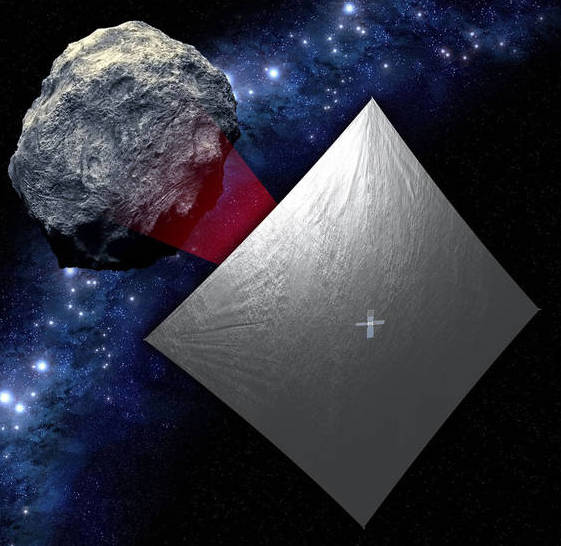
Harnessing sunlight in its sails for propulsion, NASA’s shoebox-size Near-Earth Asteroid Scout will chase down a small asteroid. The interplanetary CubeSat technology demo mission will launch aboard onboard @NASA_SLS during #Artemis I. More: https://t.co/v1HuJ4JNmz
Seeing the Sun in X-ray light takes some pretty advanced tech, but that’s what you need to answer one of the most challenging questions in solar physics 💪
More about the scientific mystery the MaGIXS team is after: https://t.co/0sazB1h6g4
Solar flares are some of the most powerful explosions in our solar system and can impact radio communications on Earth and more. A @NASASun team developed MaGIXS—a rocket-borne instrument to help predict and understand these phenomena: https://t.co/YeMxqsj384
Today is the December solstice! It’s the first day of winter and the longest night of the year in the Northern Hemisphere. Meanwhile, our Southern Hemisphere neighbors start summer with their longest day of the year.
☀️➡️🌎
https://t.co/ZMZHcfsdpZ
ANNOUNCEMENT: The National Association of Science Writers (NASW) 2020 Excellence in Institutional Writing Awards (EIWA) go to @miles_hatfield of @NASAGoddard @TelophaseCorp (Long-Form) and Lisa Marshall of @CUBoulderNews (Short-Form). About: https://t.co/twM6e2OsPS #SciWriAwards
It usually takes a human eye to pick out the split-second magnetic explosions in data from our MMS spacecraft, with scientists reviewing 84 hours worth of data in a single day. But for the first time, artificial intelligence will lend scientists a hand. https://t.co/RQejqh5N3B
At first, no one noticed the tiny squiggle in the magnetic readings that @NASAVoyager 2 made as it flew by Uranus in 1986. Three decades later, scientists revisiting that data think it may reveal a giant glob of Uranus’ atmosphere escaping to space. https://t.co/gLTD4RCTLp
LIVE: Hear from scientists who have traveled to the ends of the Earth to launch sounding rockets, flown cutting-edge instruments on these suborbital flights, and used sounding rockets to make brand-new scientific discoveries. Watch: https://t.co/LhZtyNqGzr
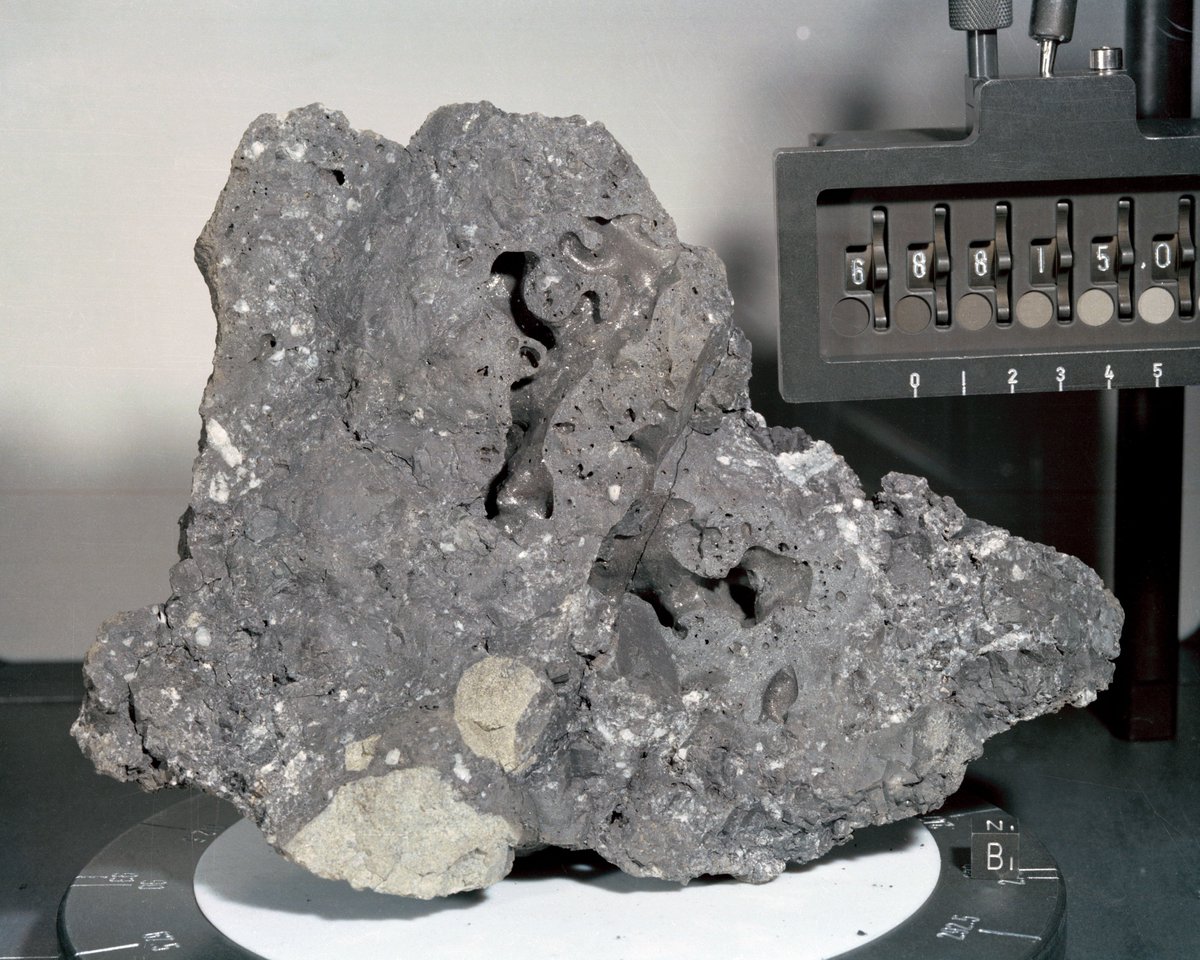
Attn: podcast listeners, #NASAExplorers: Apollo is out now! The first episode celebrates giant leaps in our exploration of the Moon. You'll hear from these Goddard explorers:
📈 Data visualizer Ernie Wright
📚 Archivist Holly McIntyre
🎧 Listen: https://t.co/Ii7wnWJdAl
The Sun is why life exists on Earth, and it’s also why we don't have neighbors on Mars or Venus. New research shows that the key to understanding the Sun's history — and how it shaped the histories of our planet and others — lies on the lunar surface. https://t.co/yv0kjAo987
To uncover the Sun's secrets, look no further than the Moon. 🌖 The baby Sun’s eruptions may have helped seed life on Earth, while preventing it on other worlds — it all depends on how quickly the young Sun spun. The answer is buried in the Moon's crust: https://t.co/fS9ImGlgz0
Researchers have found "rain" on the Sun — solar material cascading down magnetic loops — in a place they never expected it. This new discovery could provide a missing link between two of the biggest mysteries in solar science. https://t.co/GTRASbLkan