The bigger concern isn't every Reel or Short. It's when endless scrolling becomes your default attention pattern.
Recent research links heavier short-form video use with poorer attention and inhibitory control, but much of the evidence is still observational.
Are Reels and Shorts harming your brain?
Recent studies highlight a concerning link between binge-watching short-form videos (SFVs) and cognitive decline.
As a neurologist, here is what I see happening to your brain when you infinitely scroll:
🔴Attention Span Shrinks:
The rapid-fire content delivery conditions your brain for instant gratification, making it significantly harder to focus on longer, complex tasks (reduced sustained attention).
🔴Working Memory Takes a Hit:
Information overload from switching contexts every 15-30 seconds impairs your ability to retain, filter, and process new information.
🔴Mental Health Risks:
The "dopamine loop" created by constant scrolling is strongly linked to higher rates of anxiety, depression, and poor sleep quality.
✅The Fix for Better Brain Health:
1. Set a strict daily screen-time limit for social media apps.
2. Practice a "digital detox" for the first and last hour of your day.
3. Engage your brain in activities that build sustained attention: reading a physical book, exercising, or learning a new skill.
Dr Sudhir Kumar @hyderabaddoctor
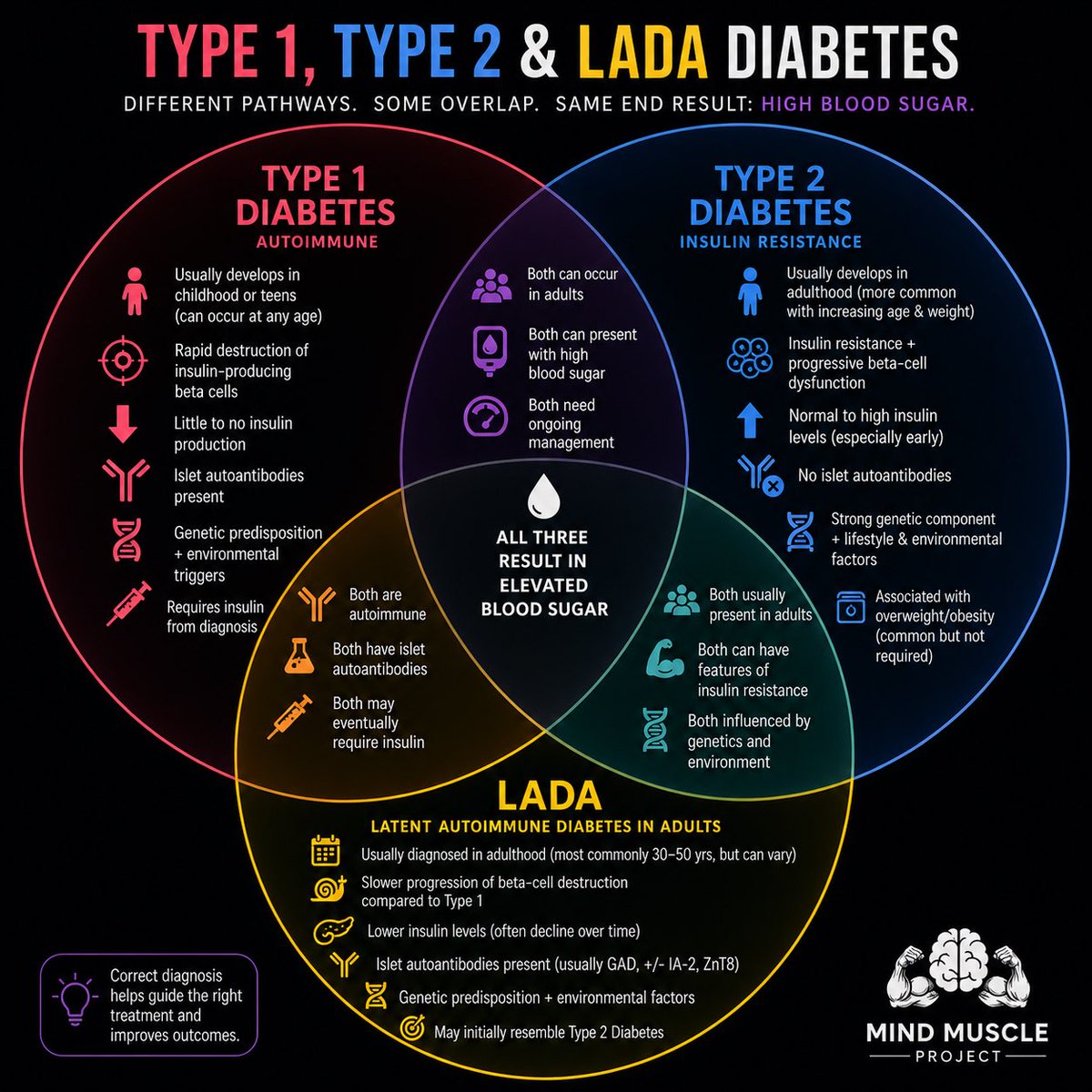
Type 1 or Type 2 isn't always the whole story.
LADA can initially look like Type 2, but autoimmune testing can help identify it.
A useful reminder: diabetes classification matters because the underlying biology and treatment needs can differ.
You might not have Type 2 Diabetes, it might be LADA!
🔵 Type 2 Diabetes & LADA are both types of Diabetes that commonly develop in Adults.
🔵 Type 2 Diabetes is the most common, but LADA is not uncommon either.
🔵 Estimates suggest around 3–12% of adults initially diagnosed with Type 2 Diabetes may actually have LADA.
🔵 Because LADA can initially look very similar to Type 2 Diabetes, it can be misdiagnosed, especially in the early stages.
🔵 Type 2 Diabetes develops primarily due to insulin resistance combined with progressive decline in pancreatic beta-cell function.
🔵 Genetics, body weight, diet, physical activity & other environmental factors can all influence the risk.
🔵 LADA (Latent Autoimmune Diabetes in Adults) is a form of autoimmune diabetes, where the immune system progressively attacks & destroys the pancreatic beta cells.
🔵 LADA is usually diagnosed in adulthood, but there is no strict age range.
🔵 Type 2 Diabetes can sometimes be put into remission, particularly with substantial weight loss & early, effective intervention.
🔵 LADA cannot currently be cured because the underlying autoimmune process causes progressive loss of beta-cell function.
🔵 However, good management of blood glucose, diet, exercise & other metabolic risk factors remains important.
🔵 The difference between Type 1 Diabetes & LADA is primarily the rate & timing of progression
🔵 Type 1 primarily occurs in childhood & LADA mostly in adults.
🔵 LADA is sometimes called “Type 1.5 Diabetes”, although this is an informal term & not an official diabetes classification.
🔵 LADA can initially have characteristics that resemble Type 2 Diabetes, but the underlying mechanism is autoimmune beta cell destruction.
🔵 C-Peptide can help assess how much insulin your pancreas is still producing & can be useful in distinguishing different forms of diabetes.
🔵 Islet autoantibody testing is particularly useful when LADA is suspected. GAD antibodies are commonly tested first, with other antibodies such as IA-2 or ZnT8 considered when appropriate.
To sum up,
Type 2
- Fasting insulin: normal-high early
(Can fall later as β-cells fail)
- C-peptide: normal–high at diagnosis, declines slowly over years
- HbA1c: high
- Islet antibodies (GAD65, IA-2, ZnT8, ICA): negative
LADA
- Fasting insulin: lower than typical T2 & falling
- C-peptide: low–normal at diagnosis, declines faster than T2
- HbA1c: high
- Antibodies: present (GAD65 is the most common)
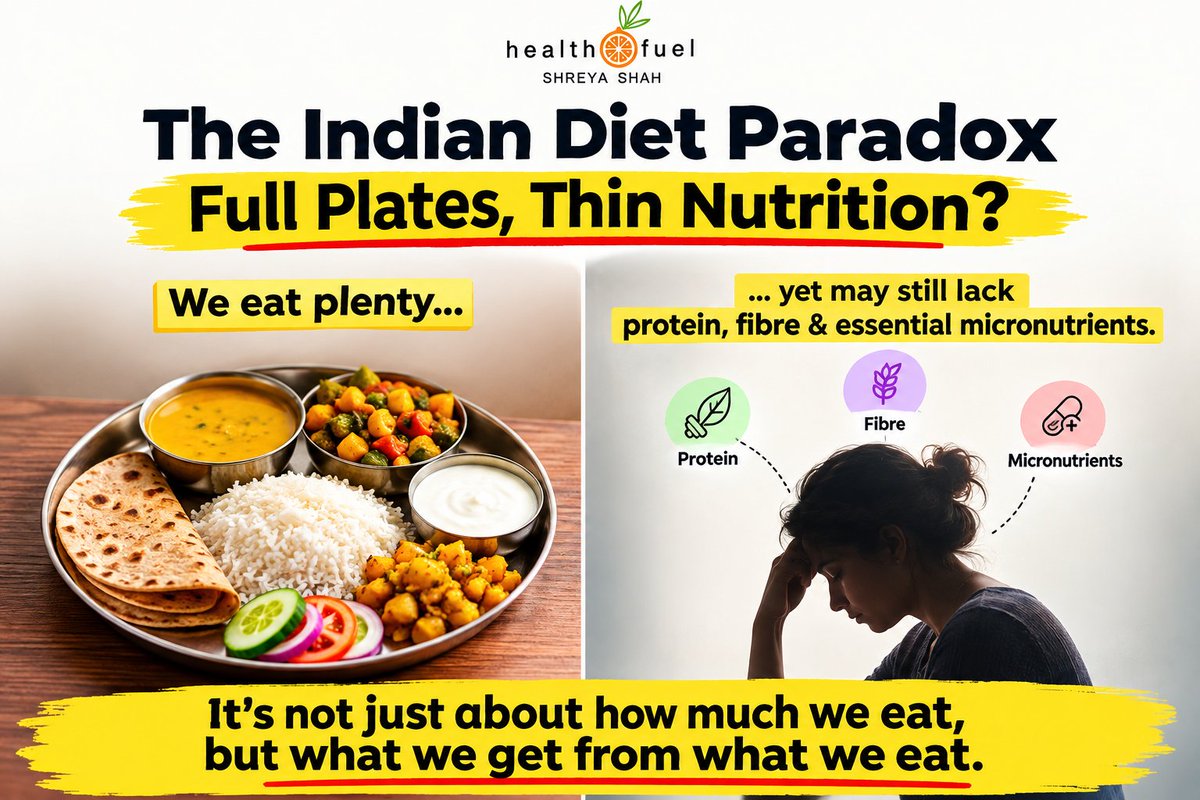
India's nutrition gap isn't always about eating less. It's often about what fills the plate.
A typical Indian meal can be heavy on rice/roti while the protein portion is comparatively small, with vegetables, pulses, dairy and other nutrient-dense foods varying widely.
🚨 India has a strange nutrition problem:
We eat 3 meals a day.
Our plates are full.
Our stomachs are full.
Yet many of us may still be under-consuming
📈protein,
📈fibre and
📈essential micronutrients.
How can you be overfed and undernourished at the same time? 🧵👇
Your anxiety isn't always “just stress.” But it isn't always blood sugar either.
That nuance matters.
Still, stable meals, enough protein + fibre, regular movement and a short post-meal walk are simple habits worth building.
The basics aren't flashy. They're just effective.
Most people still think nitrates are the enemy.
They’re wrong.
The nitrates in certain leafy greens get converted by bacteria in your mouth into nitric oxide, the molecule that relaxes blood vessels, improves blood flow, and supports healthy blood pressure.
In a large long-term study, people who ate the most nitrate-rich vegetables had about 2.5 mmHg lower systolic blood pressure and 12–26% lower risk of heart disease. Just one cup a day was enough to see the benefit.
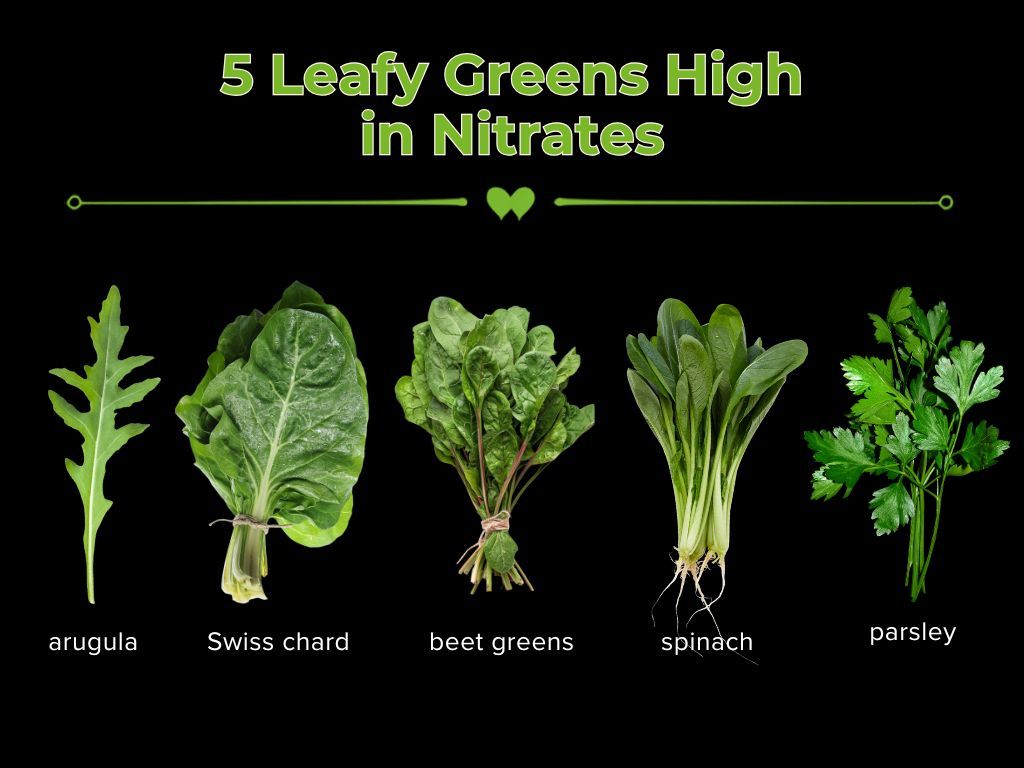
Here are five of the highest-nitrate greens:
• Arugula
• Swiss chard
• Beet greens
• Spinach
• Parsley
Low nitric oxide creates a vicious cycle:
Stiffer vessels → higher blood pressure → even less nitric oxide production (especially as we age).
These greens help break that cycle.
Try adding a big handful of one of these to your next salad, omelet, or smoothie.
Your blood vessels will notice.
Which of these five do you eat most often — or which one are you adding this week?
Source: Bondonno et al., Danish Diet, Cancer and Health Study (ECU analysis)
Your plate may not need a complete makeover.
Sometimes, the order you eat it in can make a difference.
Vegetables → protein → carbohydrates.
So instead of rice first, try salad or sabzi → dal/curd → rice.
“Should I eat my salad before my rice?”
“Does eating protein first really help?”
The short answer is yes, it can help.
Meal sequencing is a simple, research-backed strategy that may reduce post-meal blood sugar spikes. It is not a cure for diabetes or a replacement for a healthy diet.
Try this order:
Vegetables or salad
Protein
Carbohydrates
For example: sabzi or salad → dal or curd → rice.
Why does it work?
• Fibre slows digestion and glucose absorption.
• Protein supports insulin release and slows digestion.
• Healthy fats can slow stomach emptying.
• Gut hormones such as GLP-1 and GIP support glucose regulation and satiety.
Research suggests that eating vegetables and protein before carbohydrates can reduce post-meal glucose and insulin spikes, including in people with diabetes, prediabetes and insulin resistance.
Does this mean carbohydrates are bad? Absolutely not.
Rice, roti, millets, fruits and potatoes can all be part of a healthy diet. Pair them with vegetables, protein and healthy fats instead of eliminating them.
How to apply it:
• Indian meal: Salad/sabzi → dal/curd → rice
• Breakfast: Vegetable omelette/paneer bhurji → whole-grain toast
• Eating out: Salad/protein/vegetables → naan or rice
• Fill half your plate with vegetables.
• Include protein at every meal.
• Take a 10–15 minute walk after meals when possible.
Remember, meal sequencing is one tool in the toolbox. Your overall diet, sleep, activity, stress and portion sizes matter much more than getting the order perfect every time.
Sometimes, better blood sugar control isn’t about changing what’s on your plate. It’s simply about changing the order in which you eat it.
(food sequencing, blood sugar control, insulin resistance, diabetes nutrition, prediabetes, metabolic health, healthy eating, Indian diet, weight management)
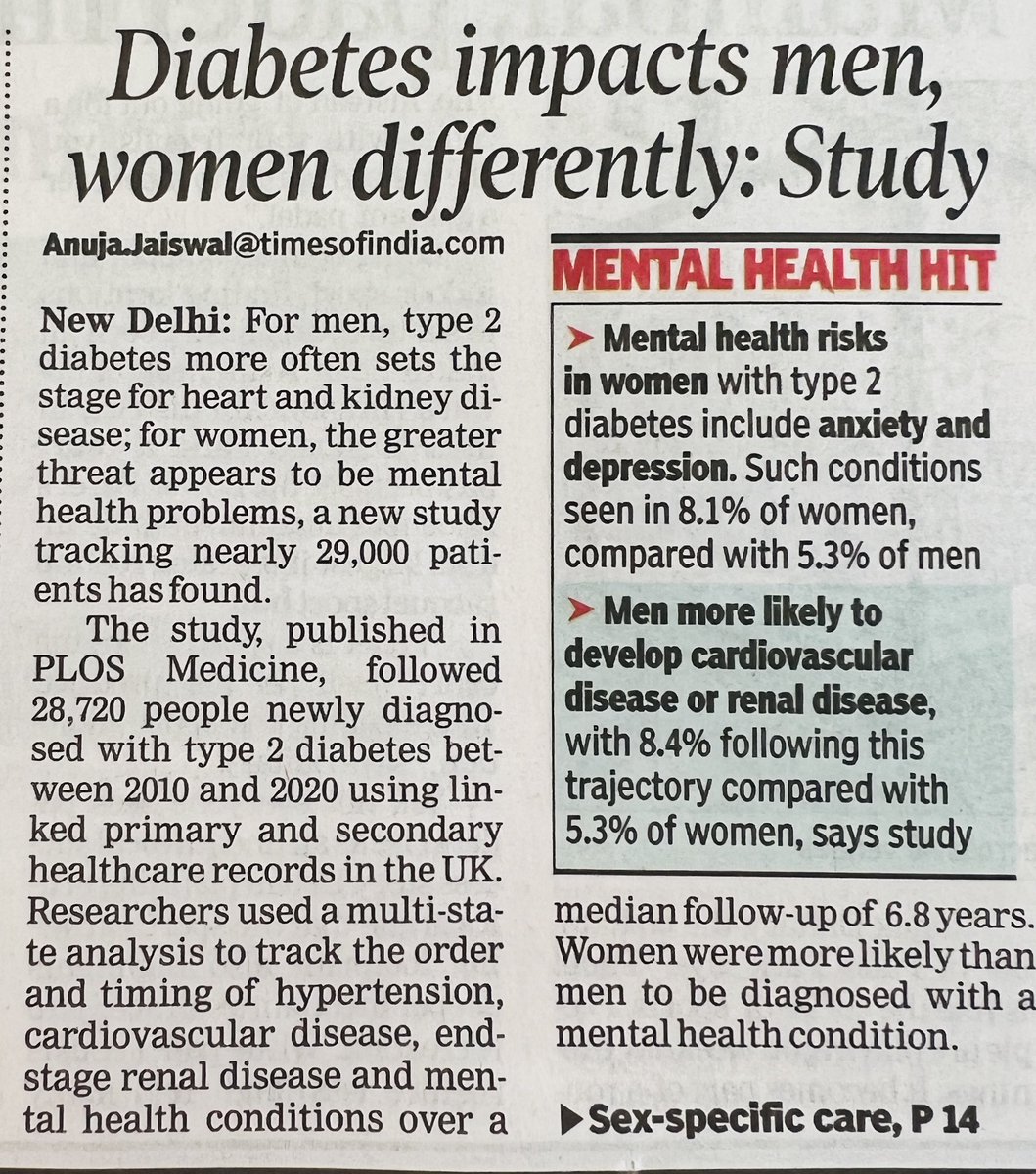
Diabetes care isn’t one-size-fits-all.
The differences in complications between men and women are a good reminder that managing HbA1c is only part of the picture.
Type 2 diabetes doesn’t follow the same trajectory in men and women.
A new PLOS Medicine study of 28,720 people found:
• Mental health conditions: 8.1% women vs 5.3% men
• CVD/ESRD: 8.4% men vs 5.3% women
• Hypertension remained the commonest complication in both (above 20%)
Diabetes care should look beyond HbA1c. Screen for mental health, while aggressively addressing heart and kidney risk, tailored to the individual, including sex and age.
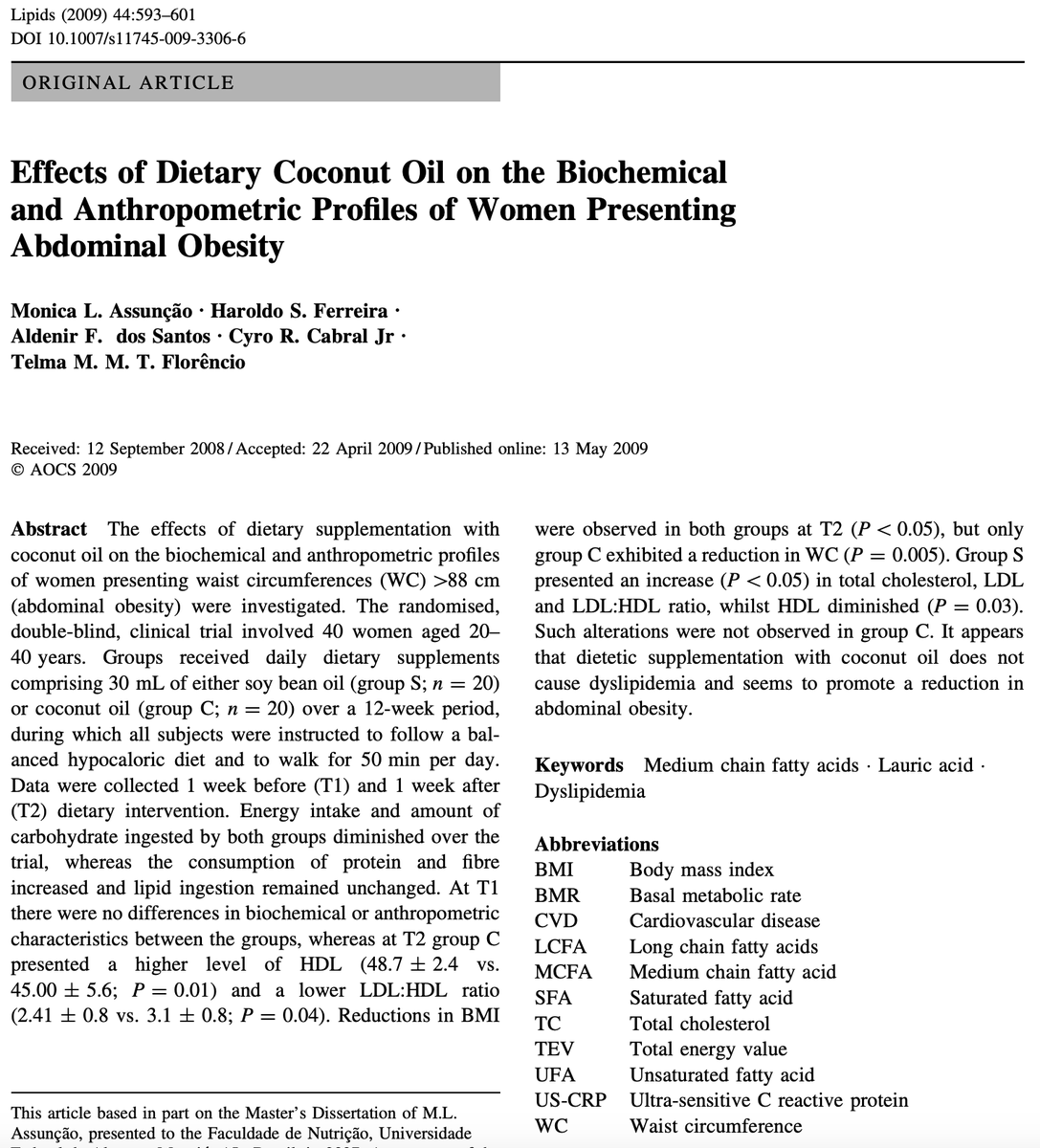
Coconut oil isn’t a fat-burning tool. 🥥
Some studies have found small differences in waist measurements when coconut oil replaces other fats, but that’s very different from “melting fat” without changing your diet.
There are tools that melt fat off, even without changing your diet, backed by actual science.
Here are 5 of the best ones:
#1 COCONUT OIL
Coconut oil has been studied to directly reduce belly fat / waistline vs other fats.
“Just bodyweight” is a strange way to describe an exercise that makes you move your entire body against gravity. 💪
Push-ups are simple, scalable, and far more useful than people give them credit for. The real question is how you progressively challenge yourself.
Push-ups get dismissed as ���just bodyweight.”
That’s the myth.
Men who can knock out 40+ have a 96% lower risk of cardiovascular events over 10 years than men who can’t do 10. Meanwhile, more than half of U.S. adults can’t even hit 10 in a row.
The problem isn’t the exercise. It’s staying on the same easy version until you plateau, form collapses, and you quit.
Push-ups already light up pecs (~60% MVIC), triceps (~66%), serratus, and core. Change the lever, grip, or tempo and you change the stimulus without adding a single plate.
Narrow/diamond grip spikes triceps and pec activation the most. Slow eccentrics (3–4 seconds down) increase time under tension and mechanical load on the way down—the part of the rep your muscles can actually handle more force.
Incline or countertop versions drop the load so you can still train on recovery days instead of skipping.
That’s how you break the cycle: same movement, new demand, no gym required.
Protocol:
3 sets of 15
60–90 seconds rest
Rotate across the week:
• Standard
• Hands-elevated
• Narrow-grip
• Slow-lowering (3–4 sec down)
• Incline/countertop on easier days
Start with whatever version lets you keep a rigid plank and full range. When 15 gets easy, switch the variation—not the exercise.
Drop the version you’re doing this week and how many clean reps you actually got.
Which one humbles you fastest? 💪
#PushUps
Muscles. 2026;5(1):18. Published 2026 Feb 27. doi:10.3390/muscles5010018
“Should I eat my salad before my rice?”
“Does eating protein first really help?”
The short answer is yes, it can help.
Meal sequencing is a simple, research-backed strategy that may reduce post-meal blood sugar spikes. It is not a cure for diabetes or a replacement for a healthy diet.
Try this order:
Vegetables or salad
Protein
Carbohydrates
For example: sabzi or salad → dal or curd → rice.
Why does it work?
• Fibre slows digestion and glucose absorption.
• Protein supports insulin release and slows digestion.
• Healthy fats can slow stomach emptying.
• Gut hormones such as GLP-1 and GIP support glucose regulation and satiety.
Research suggests that eating vegetables and protein before carbohydrates can reduce post-meal glucose and insulin spikes, including in people with diabetes, prediabetes and insulin resistance.
Does this mean carbohydrates are bad? Absolutely not.
Rice, roti, millets, fruits and potatoes can all be part of a healthy diet. Pair them with vegetables, protein and healthy fats instead of eliminating them.
How to apply it:
• Indian meal: Salad/sabzi → dal/curd → rice
• Breakfast: Vegetable omelette/paneer bhurji → whole-grain toast
• Eating out: Salad/protein/vegetables → naan or rice
• Fill half your plate with vegetables.
• Include protein at every meal.
• Take a 10–15 minute walk after meals when possible.
Remember, meal sequencing is one tool in the toolbox. Your overall diet, sleep, activity, stress and portion sizes matter much more than getting the order perfect every time.
Sometimes, better blood sugar control isn’t about changing what’s on your plate. It’s simply about changing the order in which you eat it.
(food sequencing, blood sugar control, insulin resistance, diabetes nutrition, prediabetes, metabolic health, healthy eating, Indian diet, weight management)
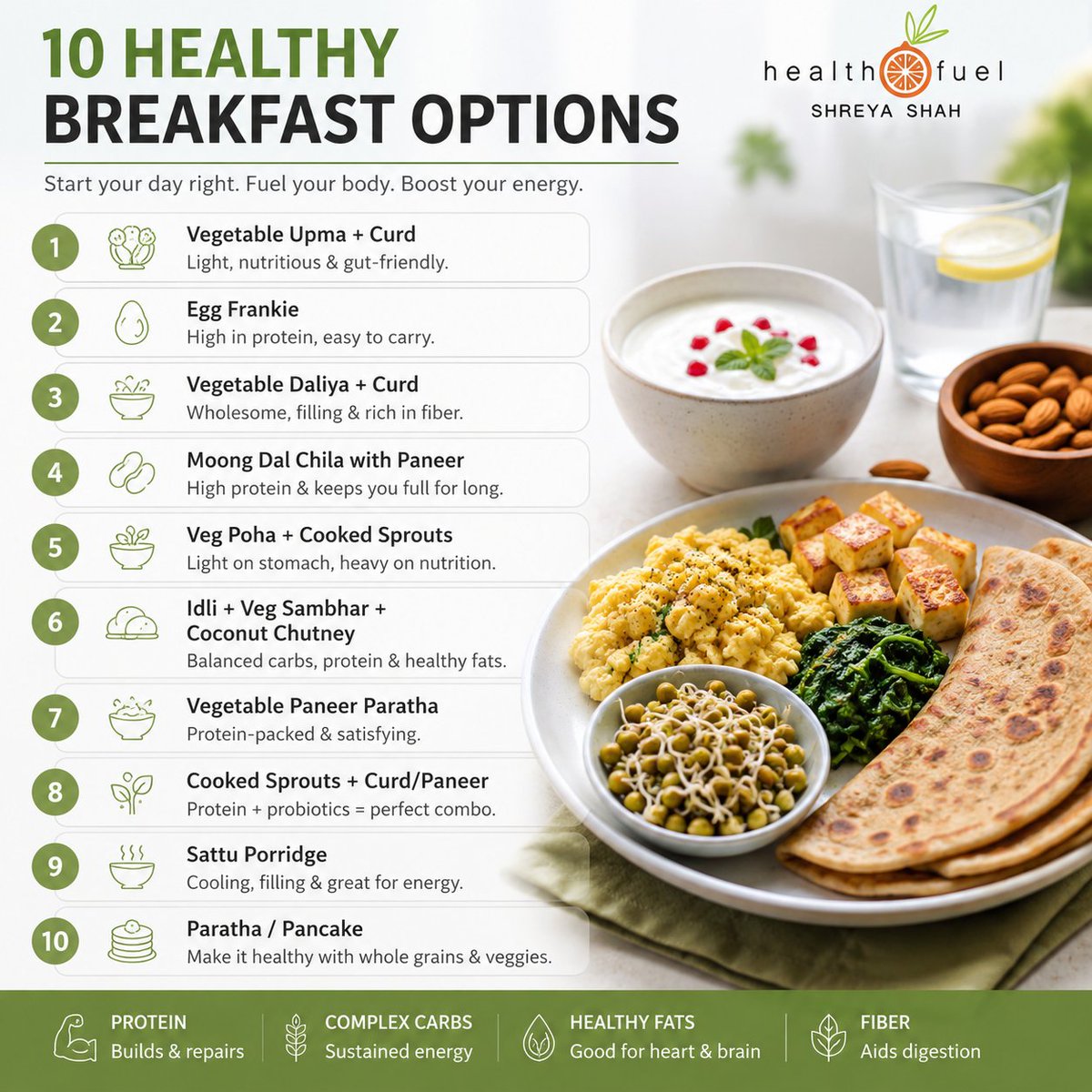
“Healthy breakfast” isn’t about eating less. It’s about staying full, focused, and fueled longer. 🌱
Protein + fiber + quality carbs + healthy fats can make a simple breakfast work much harder for you.
🍳 Breakfast shouldn’t just fill your stomach.
It should fuel your body and keep you full & focused through the morning.
A balanced breakfast should ideally include 👇
🥚 Protein: Eggs, paneer, curd
🌾 Complex carbs: Whole grains, millets, fruits, pulses
🥜 Healthy fats: Nuts & seeds
🥦 Fiber: Vegetables, fruits & whole grains
Skip the sugary cereals and biscuits.
What’s on your breakfast plate today? 👇
Your body doesn’t need constant food to function.
But the claim that modern eating automatically means “chronically high insulin” oversimplifies metabolism. Fasting can be useful for some people, but its benefits depend on the overall diet, energy balance, and individual health.
Our body is designed for period of fast and eating, but in modern days we ignore fasting.
As a result we chronically releasing insulin which can lead to various health issues like type 2 diabetes, hypertension and cardiovascular.
Fasting is a natural and effective way to reverse this trend.
If the scale is your only reason to exercise, every plateau feels like failure.
But when exercise becomes about better sleep, more energy, a clearer mind, or feeling stronger, consistency gets much easier.
Don’t just chase a smaller body. Build a life that feels better.
Exercising mainly to lose weight or shrink inches is one of the fastest ways to quit.
Studies grounded in self-determination theory consistently show that extrinsic motivators (the scale, appearance, “I should”) predict short-term starts but poor long-term adherence.
Intrinsic reasons — more energy, better sleep, clearer mood, feeling stronger — keep people moving years later.
When the only goal is the number on the scale, progress stalls or slows and motivation collapses.
This creates a cycle of disappointment, leading to skipped session, less energy, and even less desire to start again.
People who stay consistent usually shift the reason they move.
They notice they sleep better after a walk, have more afternoon energy after strength work, or simply feel more like themselves.
This week, pick one session and pay attention to how you feel afterward instead of what the scale says.
What gets you out the door on the days you don’t feel like it?
#FitnessMotivation
Fiber isn’t one thing.
Some fibers feed your microbes. Others mainly add bulk. And more isn’t automatically better.
The “right” fiber depends on the type, dose, your gut microbiome, and your tolerance.
Gut health isn’t a numbers game. It’s a personalization game.
Fiber doesn’t work through just one pathway
🔵Different fibers behave differently once they reach your gut.
1️⃣ Poorly fermentable fiber -> stool bulking
It contributes to stool mass & can increase water content in the intestinal lumen, helping promote bowel movement & regularity.
2️⃣ Fermentable fiber -> microbial fermentation
Gut bacteria ferment these fibers & produce
- SCFAs (acetate, propionate & butyrate)
- Gases (hydrogen, methane & CO₂)
SCFAs can influence the microbiome, luminal pH, gut barrier function & inflammatory pathways.
But fermentation also produces gas, which can cause bloating, flatulence & abdominal discomfort in susceptible people.
🔵 So Fiber has multiple physiological effects & more fiber isn’t automatically better.
🔵 When it comes to fiber, the right amount depends on the type of fiber, dose, your microbiome & your individual tolerance.
Rapidly Fermentable Fibers (Potentially Gas causing)
- Inulin
- Resistant starch
- Guar gum
- Xanthan gum
- Onion
- Garlic
- Leeks
- Artichoke
- Wheat
- Rye
- Chickpeas
- Lentils
- Kidney beans
- Other beans/pulses
- Soybeans
Poorly Fermented Fibers
- Psyllium husk
- PHGG
- Methylcellulose
- Sterculia
- Oats
- Flax seeds
- Chia seeds
- Carrots
- Okra
- Potatoes
- Turnip
- Green beans
Glycine isn’t just another amino acid.
Its potential role in reducing inflammation, oxidative stress, and mast cell activity makes it especially interesting for gut health.
Glycine is a powerful tool for gut inflammation.
A diet high in the amino acid found in foods like gelatin, bone broth and chewy steaks reduces:
‣ Production of inflammatory proteins
‣ Excess "excitation" of tissues
‣ Oxidative stress
‣ Mast cell activation, histamine release
You can see how it reduced damage in the gut in this animal model here.
If you want a full guide on how exactly to go about addressing gut issues, comment PRISM below and I'll DM you the blueprint.
The real win isn’t losing weight or improving one lab report. It’s building a lifestyle you can still follow four years later. Sustainability beats short term perfection every single time.
Almost 4 Years of Low Carb - This Is What Sustainability Looks Like
Mrs. JS, age 63 has been following a low-carb lifestyle for almost 4 years now.
When she started in December 2022, her HbA1c was 7.5% and she was on multiple medications. Today, her latest HbA1c is 5.5%, and all her diabetes medications have been discontinued by her doctor.
Her BP medications have also reduced substantially - from multiple medicines earlier to just one now.
The most important aspect is her kidney function. She started with significant kidney dysfunction, with creatinine around 2.3–2.4 mg/dL. Nearly four years later, it is stable. Her latest creatinine is 1.8 mg/dL, with eGFR improving from 21.7 to 31.
What makes her journey even more impressive is that she is vegetarian and does not even eat eggs. Yet with determination, she has found a way to make low carb work for her long term.
Along the way, she has also lost weight, feels energetic and continues to remain highly motivated.
For me, the biggest success here isn't one HbA1c report. It is seeing someone quietly continue the lifestyle year after year and maintain the benefits.
Almost four years and still going strong. Hats off to her determination.
-Metabolic Health India
https://t.co/1TRvM6D5lg
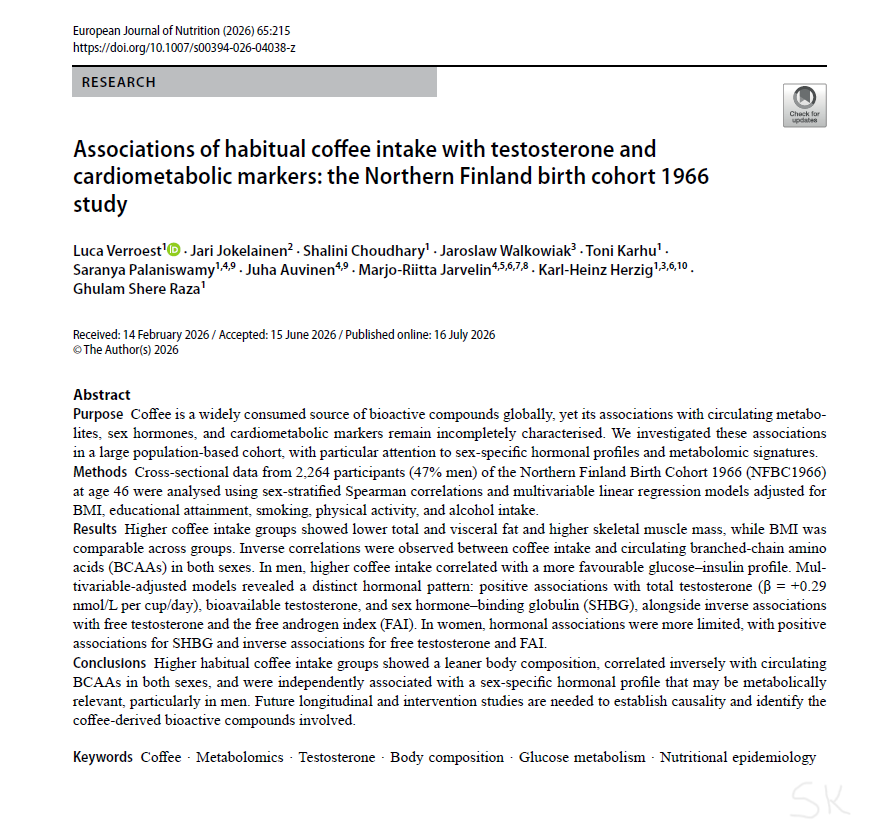
Coffee can raise testosterone.
That doesn’t mean more coffee = more testosterone.
Association ≠ causation.
And “burns visceral fat” is an even bigger leap.
The physiology matters more than the headline.
Does drinking more coffee directly boost your testosterone and melt visceral fat?
▶️A 2026 European Journal of Nutrition study of 2,200+ adults linked habitual coffee intake to higher total testosterone, lower body fat, and reduced insulin resistance markers.
🔸Great news, but we must look deeper into the physiology before calling coffee a "hormone booster."
1/4
Late night eating isn’t just a sleep issue. Your body handles the same food differently at 10 PM than it does at 6 PM, yet we obsess over what we eat while barely considering when we eat it. Meal timing is a metabolic lever, and most people leave it untouched.
Late-night eating doesn’t just mess with sleep.
It can sabotage your morning blood sugar targets before you even open your eyes.
You’ve probably seen the claim: “Eating at night raises morning glucose by 19%.”
That exact number is off. The underlying physiology is not.
Here’s what the evidence actually shows:
• Eating at 10 PM vs 6 PM drives ~18% higher post-meal glucose peaks
• Your insulin sensitivity naturally drops in the evening — your body is biologically worse at handling carbs at night
• That late spike doesn’t magically disappear. It carries over, impairing next-morning glucose control
The vicious cycle is real:
Late food → bigger glucose load → poorer overnight recovery → higher fasting numbers and stronger carb cravings the next day.
Timing is a metabolic lever most people ignore.
My practical rule: stop eating 3–4 hours before bed.
Pick your cutoff and protect it.
What’s your stop time for food at night? Drop it below 👇
#BloodSugar
Rice isn’t automatically the problem in diabetes. The bigger question is portion, preparation, what you eat with it, and your overall carbohydrate intake. Demonizing one staple food can distract from the habits that actually move blood sugar.
🚨For years, diabetics have been told:
❌ NO RICE
But is giving up rice actually necessary for diabetics?🤔
The answer may surprise you. 🍚
Here’s everything you need to know about rice & diabetes 🧵👇
Everyone talks about quercetin for histamine.
The more interesting molecule? Luteolin.
But the contrarian point: promising mast cell research ≠ proven human allergy treatment.
Mechanism matters. Evidence matters more.
Quercetin gets called "nature's antihistamine," but a lesser-known flavone may work even better: luteolin.
And it may even work better than prescription forms too.
Here's what's actually happening in your body during a histamine reaction. A trigger — an allergen, a food, stress — causes calcium to flood into your mast cells and activates an enzyme called PKC. That cascade makes the mast cell degranulate (rupture and release its contents), dumping histamine, leukotrienes, and inflammatory cytokines into your tissue. That's what produces flushing, hives, congestion, headache, and GI symptoms.
Most antihistamines block histamine after it's already released. Luteolin works differently — it blocks the calcium and PKC signaling upstream, so the mast cell never dumps its contents in the first place.
A 2024 Tufts University study went head-to-head with cromolyn, the only prescription mast cell stabilizer on the market, and found luteolin the more potent inhibitor. The gap is significant: in earlier research, cromolyn only reduced one key marker of mast cell activation by about 30% and barely touched TNF release, while luteolin meaningfully blocked both. Cromolyn also has to be present at the exact moment of a trigger to work — luteolin doesn't.
Food sources include celery (especially the leaves), parsley, chamomile, oregano, and peanut skins. But that last one matters: a large share of commercial luteolin supplements are extracted from peanut shells. If you have a peanut allergy, look specifically for luteolin sourced from Sophora japonica flower instead.
One more distinction worth knowing: luteolin isn't the same as DAO. DAO clears histamine that's already circulating. Luteolin prevents your mast cells from releasing it in the first place. They're complementary, not interchangeable.
Full breakdown of the research, dosing, and sourcing:
https://t.co/brLY27zA7s
Not every low vitamin level causes cognitive impairment.
The strongest evidence is for a few specific deficiencies:
🔹 Vitamin B1 (thiamine):
Severe deficiency can cause Wernicke encephalopathy and, if untreated, Korsakoff syndrome with profound memory impairment.
🔹 Vitamin B12:
Deficiency can cause potentially reversible cognitive and neuropsychiatric symptoms and is an important treatable cause of dementia-like presentations.
🔹 Vitamin B3 (niacin):
Severe deficiency causes pellagra, which can include confusion, hallucinations and dementia.
🔸Folate (B9) deficiency is associated with cognitive impairment and dementia risk, but the evidence that deficiency itself directly causes cognitive decline, and that supplementation prevents it, is considerably less certain.
So, don't assume that every vitamin deficiency causes cognitive decline, and don't take vitamin supplements unnecessarily.
The right approach is to identify and correct genuine deficiencies, particularly when neurological or cognitive symptoms are present.
Dr Sudhir Kumar @hyderabaddoctor