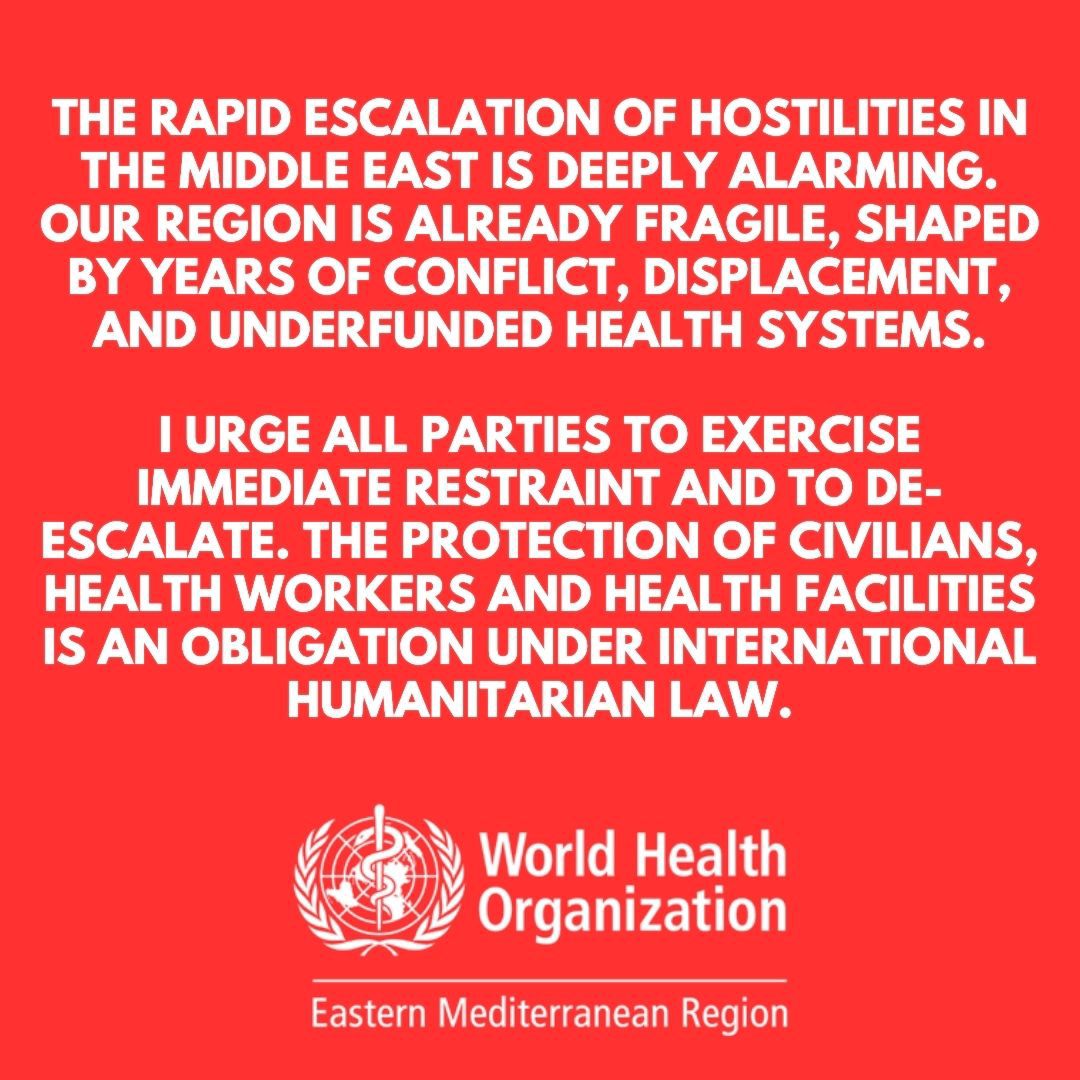
The rapid escalation of hostilities in the Middle East is deeply alarming. Our Region is already fragile, shaped by years of conflict, displacement, and underfunded health systems.
Further violence will not only claim lives directly. It will push already strained health systems closer to collapse, disrupt essential services, and deepen trauma across generations.
I urge all parties to exercise immediate restraint and to de-escalate. The protection of civilians, health workers and health facilities is an obligation under international humanitarian law.un
.@WHO is concerned by the grave risks to people's health from the conflict that is expanding across the Middle East.
The threat of nuclear facilities being impacted is especially worrying. All must be done to reduce any nuclear safety risk, which may affect people in the region.
Peace, as always, is the best medicine.
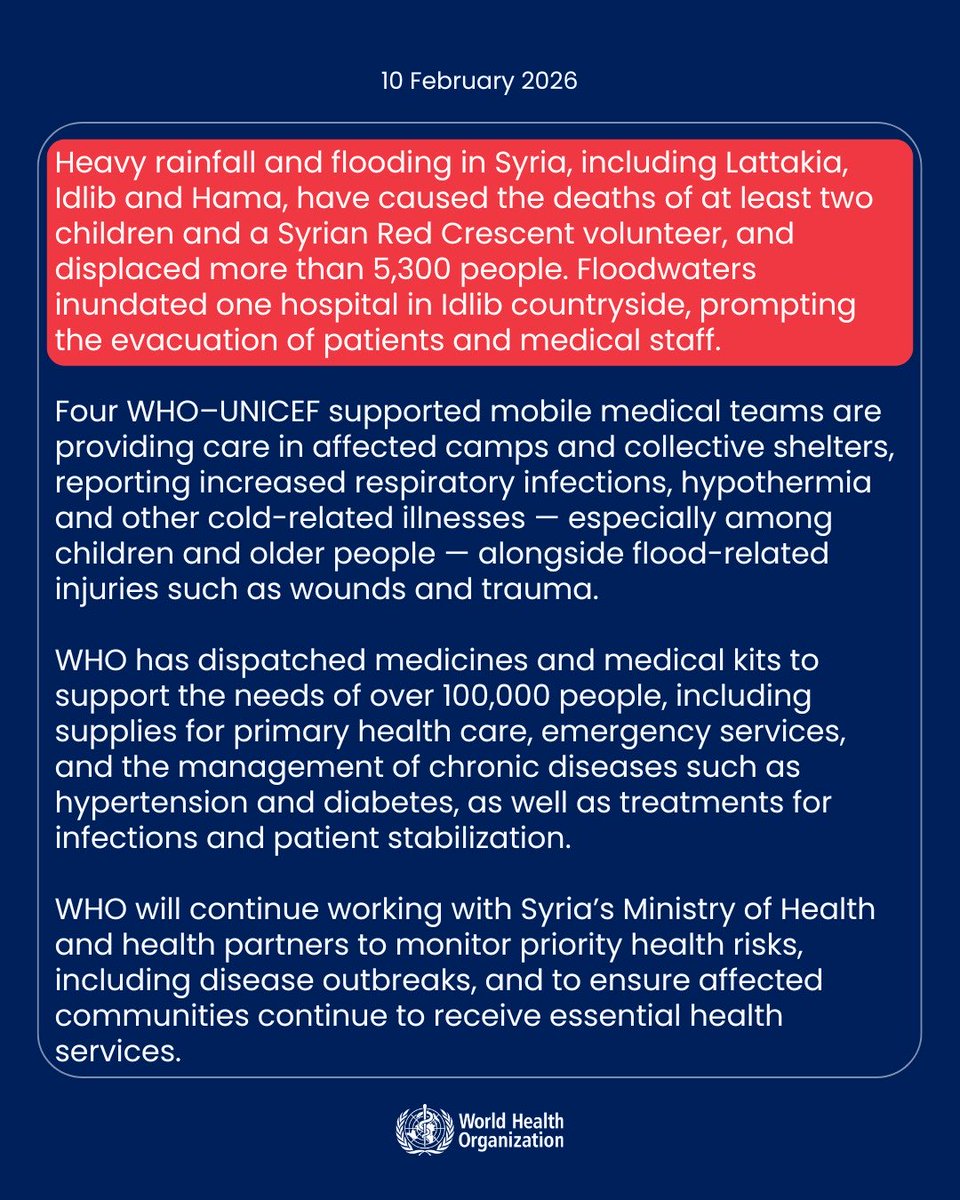
Heavy rainfall and flooding in Syria, including Lattakia, Idlib and Hama, have caused the deaths of at least two children and a @SYRedCrescent volunteer, and displaced more than 5,300 people. Floodwaters inundated one hospital in Idlib countryside, prompting the evacuation of patients and medical staff.
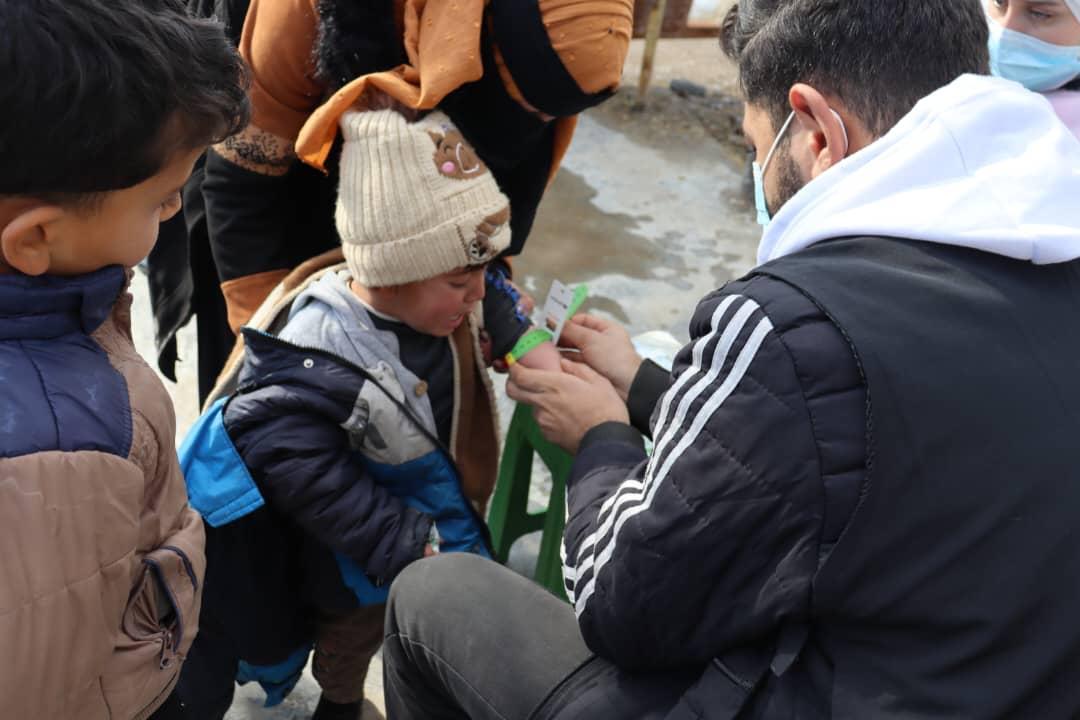
Four WHO–UNICEF supported mobile medical teams are providing care in affected camps and collective shelters, reporting increased respiratory infections, hypothermia and other cold-related illnesses — especially among children and older people — alongside flood-related injuries such as wounds and trauma.
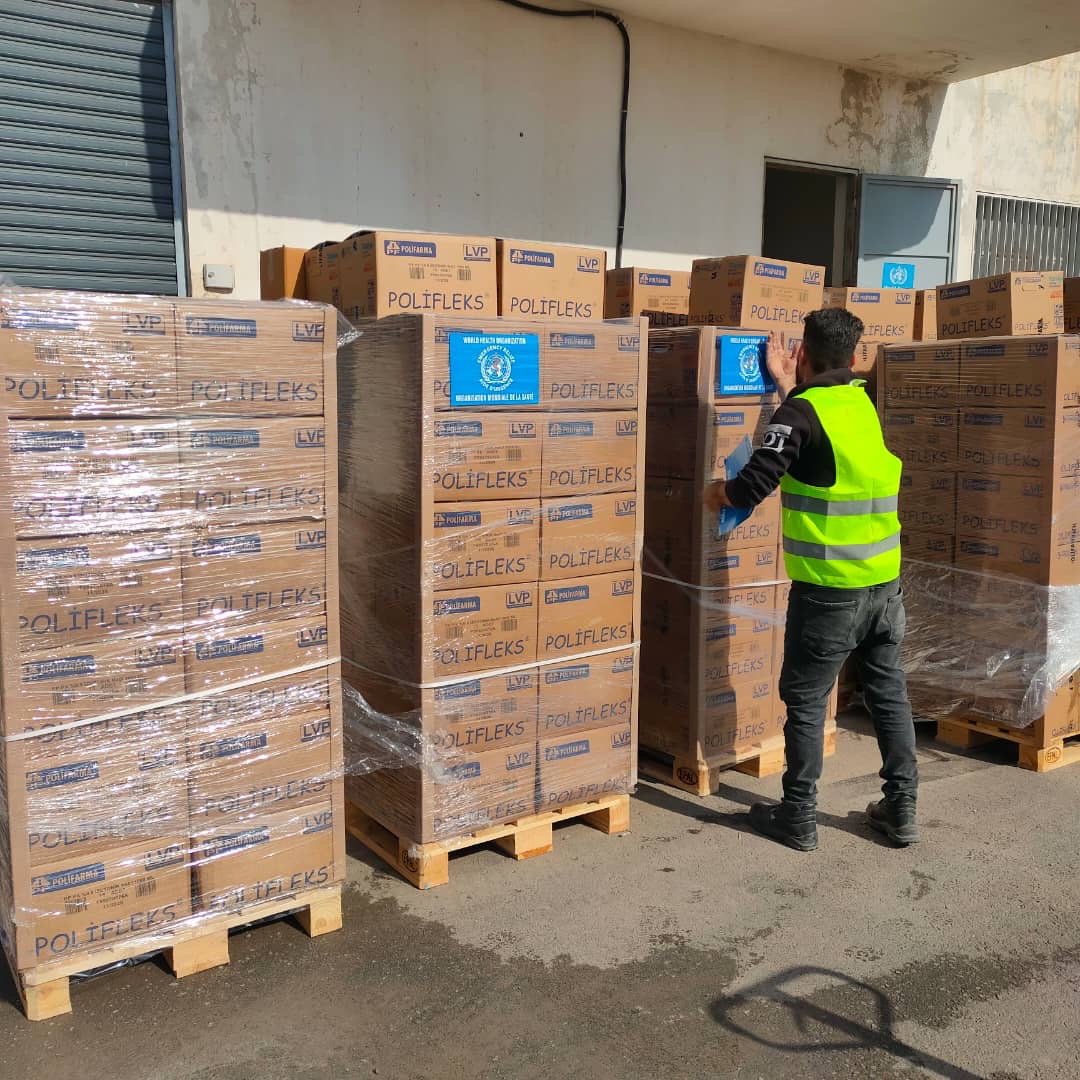
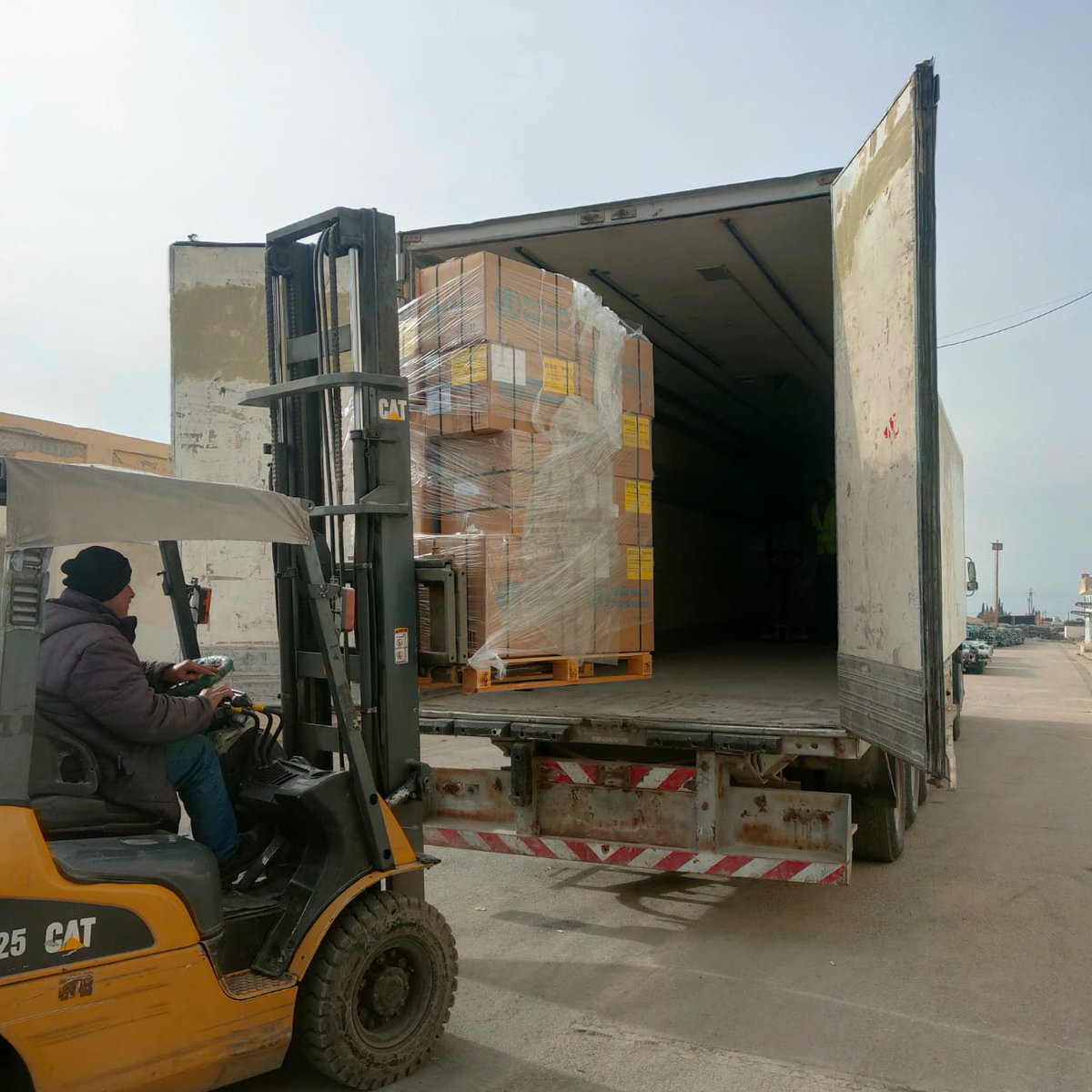
WHO has dispatched medicines and medical kits to support the needs of over 100,000 people, including supplies for primary health care, emergency services, and the management of chronic diseases such as hypertension, diabetes and cardiovascular conditions, as well as treatments for infections and patient stabilization.
WHO will continue working with @SyrMOfH and health partners to monitor priority health risks, including disease outbreaks, and to ensure affected communities continue to receive essential health services.
“At times, the old device would disconnect mid-operation. Every minute under anaesthesia matters,” says Mohammed from at Arrahma Hospital.
With @KSRelief_EN's support, WHO delivered laparoscopic surgery towers to 4 hospitals in Idlib.
Read on: https://t.co/oV7pnkUcNY
Ammar Atassi comes to the dialysis centre for treatment he can’t miss.
With generous support from @JPEmbassy_Syria, the Kidney Building at Homs Grand Hospital was rehabilitated and equipped — helping keep dialysis care available for people who rely on it.
“For years, we had to switch to open surgery due to device failures,” says Dr. Suleiman.
With support from @KSRelief_EN , WHO delivered endoscopy units to 3 hospitals in Idlib — strengthening operating rooms and improving patient safety.
➡️https://t.co/o6MQIBUE7s
2025 marked a shift for Syria—from survival to recovery.
Health needs remain high and the system is under pressure, but we’re not slowing down.
With @SyrMOH & partners, we work every day to keep health services accessible and strengthen the health system for the long term.
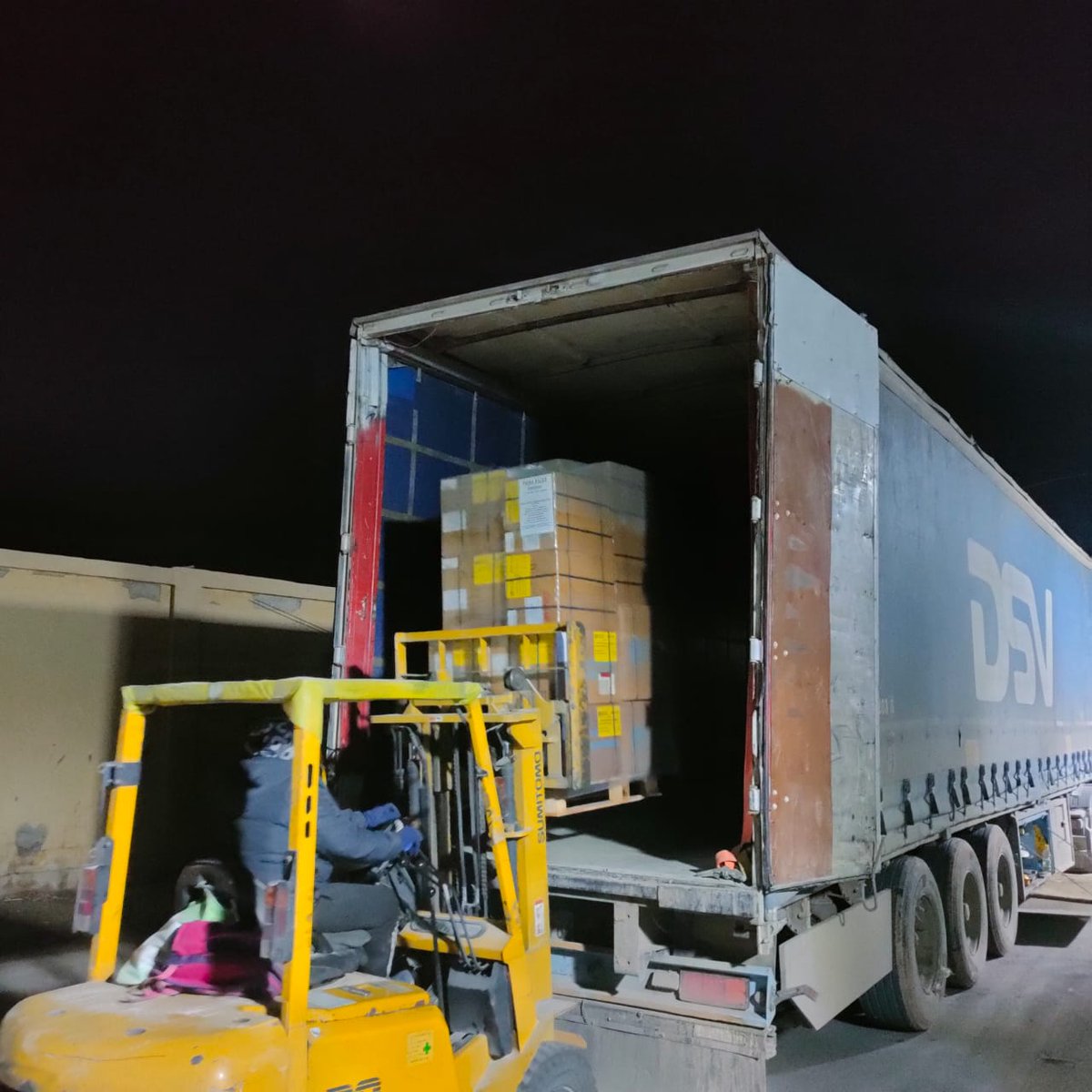
In response to recent developments in northeast Syria, over 190 emergency medical kits (45.2 tonnes)—supporting more than 236,118 treatments—were delivered by @WHO, working with health partners & authorities.
The supplies reached Aleppo, Deir Ezzor, Ar-Raqqa, Qamishli & Kobani.
The @UN Security Council stands alone in its authority to act on behalf of all member countries on questions of peace & security.
It alone adopts decisions binding on all.
No other body or ad-hoc coalition can legally require all countries to comply with decisions on peace & security.
Its responsibility is singular.
Its obligation is universal.
That is why reform is essential.
That is why we must act without delay to enhance the representation & effectiveness of the Security Council.
🚑 Strengthening emergency response in Syria.
@WHO, with @KSRelief_EN's generous support, has handed over 5 fully equipped ambulances to @SyrMOfH to enhance access to urgent, life‑saving care.
As the situation in northeast #Syria develops, WHO’s primary focus is ensuring continued access to essential health services—keeping facilities operational, protecting referral pathways for critical cases, maintaining disease surveillance, and moving medical supplies wherever access allows.
Despite ongoing access constraints, just yesterday @WHO dispatched 9.3 metric tonnes of medical supplies to support health services in Deir-ez-Zor, alongside 3.7 metric tonnes delivered to Aleppo, and dialysis consumables sufficient for around 1,500 sessions, helping sustain trauma, maternal, dialysis and chronic care.
Since the start of 2026, 10 attacks on health care have been recorded in Syria. Attacks on health workers, facilities and patients are unacceptable and violate international humanitarian law. Health care must be protected—always.
🚚 مشفى #حمص الكبير يتسلّم جهاز رنين مغناطيسي من منظمة الصحة العالمية وتمويل اليابان🇯🇵💝🇸🇾
#Homs Grand Hospital receives a new MRI machine from the WHO with funding from Japan🇸🇾💝🇯🇵
https://t.co/175Opv8bTp
I’m very happy to be back in #Syria for my third visit as Regional Director. This is a country and a people I hold in great affection, and the progress since my first visit is clear — especially in how the health sector is being rethought and restructured to support recovery and access to quality health care.
I began my visit with a meeting with H.E. Dr @Musaab_Al_Ali, Minister of Health, to align on the National Health Strategy and the UHC Compact — including rehabilitation of health infrastructure, restoring basic services, strengthening governance and partnerships, and investing in the health workforce through training and development.
We also discussed how my Regional flagship initiatives can support national priorities — including expanding equitable access to quality-assured medicines and medical products, strengthening the health workforce, and accelerating public health action on substance use through a coordinated, whole-of-government response.
In Aleppo, Syria, due to fighting since 6 January, 2 paramedics and 2 health workers were injured.
At least ten health facilities were forced to suspend operations due to insecurity, hostilities in their vicinity, and access constraints.
Over 100,000 people have been displaced. Winter conditions, overcrowded living spaces, and disrupted access to care increase the risk of acute illness, disease complications, and mental health distress, particularly for children, older people, and people with chronic conditions.
@WHO calls for the protection of health facilities, health workers, patients, and medical transport, in line with international humanitarian law.
As a grandfather, I share the care that Abu Yassin has for his children and grandchildren’s health.
Vaccines offer the best protection against preventable diseases.
Throughout 2025, over 3.6 million children were reached nationwide by the Syrian Ministry of Health -- with support from @WHO, @UNICEF, @gavi and health partners.
New medical equipment at Lattakia National Hospital is helping surgeons perform complex operations with greater precision.
A modern anesthesia machine & operating table are strengthening surgical services & care for patients.
Thank you to @KSRelief_EN for this support.
Universal Health Coverage is central to rebuilding Syria’s health system—restoring services, strengthening trust, & supporting recovery: Christina Bethke, Acting WHO Representative in Syria
WHO is committed to working with partners to expand access to care across Syria. #UHCDay
Universal Health Coverage in Syria is about rebuilding a health system people can rely on.
With #Syria’s first National Health Compact signed & presented globally, WHO continues to support Syrian-led efforts to restore essential services & strengthen primary health care. #UHCDay
Health workers across #Syria reflect on a year of change, transition and recovery — and what they hope to see next.
They want to lead in healthcare, drive innovation and strengthen medical services. Their aspirations are bold and far-reaching.