Thanks to @Feargal_Sharkey, the brilliant people he put me in touch with and everyone who contributed to writing, editing and producing this article. Read and be outraged.
https://t.co/ySyRXw5Ty0
Woman of the Day prison reformer and philanthropist Elizabeth Fry, born OTD in 1780 in Norwich, the first woman to give evidence to a Select Committee. It was instrumental in the passing of the Gaols Act 1823, which separated the sexes.
Caring responsibilities came early to her. Her mother died when she was 12 — she had twelve siblings — and as a Quaker, she took an interest in the impoverished, the sick and prisoners. A “plain Friend”, she dressed plainly, did not dance or sing, and took philanthropy very seriously.
In 1813 and at the suggestion of another Friend, Elizabeth visited Newgate Prison and found women and children in small overcrowded cells where they had to manage washing, cooking, toilet functions, and sleep on straw. Some hadn’t even been tried at court. She was horrified.
“All I tell thee is a faint picture of reality; the filth, the closeness of the rooms, the furious manner and expressions of the women towards each other, and the abandoned wickedness, which everything bespoke are really indescribable".
She returned the following day with food and clothing, but family finances prevented her from doing more until 1816. At first, she concentrated on the children by funding a school inside the prison for them, but she found it impossible to ignore the plight of the women. They were at the mercy of male inmates who raped and sexually exploited them. On release, the few occupations available to women were beyond their reach. Life was without hope.
Elizabeth founded the Association for the Reformation of the Female Prisoners in Newgate and encouraged other affluent women to set up classes for women prisoners, providing them with materials so they could learn to sew and knit. It calmed them — “Already, from being like wild beasts, they appear harmless and kind" — and meant they had employable skills on release.
When she gave evidence to a Select Committee on 27 February 1818, she pulled no punches. She told them in graphic terms of the rapes and sexual exploitation suffered by the women. Her powerful evidence helped to secure the Gaols Act 1823 which required prisons to separate the sexes.
Other provisions of the Act included paying gaolers (to combat corruption), requiring doctors and chaplains to visit prisoners (still an important statutory requirement today), and greater emphasis on reform and rehabilitation.
The Gaols Act was far-seeing and genuinely progressive, but other than separation of the sexes, toothless. Town gaols and debtors prisons were excluded and there was no means of checking that its provisions were being met.
Elizabeth returned once more to give evidence to a Select Committee of the House of Lords in 1835, pointing out that "in many instances their condition is melancholy...they may truly be called schools for crime", that some still had "no instruction, no employment, no classification [of inmates]...and they get into a most low and deplorable state of morals...I would not say that all are in that condition, but I fear many are".
In those days, many prisoners faced transportation to New South Wales even for the most minor of crimes (for more serious offences, hanging was the go-to sanction). They faced eight months in vermin-infested cramped holds, often flooded with bilge-water, and strictly rationed fresh water. The women transported by the First Fleet had only the clothing they were standing up in and when this became infected with lice and had to be burnt, they were given rice sacks to wear. Elizabeth campaigned for better care and provision for them too.
In 1825, she published "Observations of the Siting, Superintendence and Government of Female Prisoners", an influential book that laid out in clear detail how penal regimes should be run.
Somewhere along the way, Elizabeth established a "nightly shelter" for the homeless in London after seeing the body of a boy who had frozen in winter and set up a system of volunteers to visit the poor and homeless and provide help and comfort to them. She campaigned against the slave trade, and in 1840, opened a training school for nurses. Florence Nightingale took a team of Fry nurses to the Crimea.
Her abiding principles of kindness and fairness sprang from her Quaker faith and she was the first woman — other than the late Queen, of course — to be depicted on a British banknote.
Elizabeth Fry died in 1845 at the age of 65. I cannot tell you how much I admire this woman.
Less than a century later, Westminster and Holyrood subsequently ditched Elizabeth’s truly progressive approach to prison as a place for rehabilitation, not punishment, and decided that it would be even more “kind and inclusive” to hold men in women’s prisons, as long as they claimed to be women too.
In wartime and in war zones, that would be regarded as a war crime under the Geneva Convention, and those officials who allowed it would be classed as war criminals.
It’s peacetime, allegedly, but I’d still call it a human rights violation, and I have a few choice words for all of those politicians and civil servants who nodded along with it. I hope their complicity haunts them.
Studies show farmers who plant strips of wildflowers through their crops need less pesticide, and often get better yields.
A Swiss study on winter wheat found that fields with wildflower strips had 40 to 53% fewer leaf beetle pests than fields without. Crop damage dropped 61%.
The mechanism is simple. Wildflowers feed hoverflies, lacewings, parasitic wasps, ladybugs, and ground beetles.
Those insects eat the aphids, beetle larvae, and caterpillars that farmers would otherwise spray for. A few meters of wildflowers hosts an unpaid pest control crew.
In apple orchards where no insecticides had been used for five years, plots with wildflower alleyways had 9.2% damaged fruit. Control plots without flowers had 32.5%.
The UK is now running a five-year trial across 15 farms placing 6-meter flower strips through the middle of fields, not just at the edges, because the beneficial insects can't reach the center of a large field otherwise.
This works the same way in a backyard vegetable garden as it does on a commercial farm. Plant native flowering species near your tomatoes, beans, and squash.
The pests still show up. The predators show up too, and they get there for free.
Our fields were never supposed to be monoculture.
There are pretty much countless large parking lots for cars, and installing solar panels over them would generate half the electricity we use.
Not only would this be an efficient use of land, but it would also help keep the cars cooler while parked.
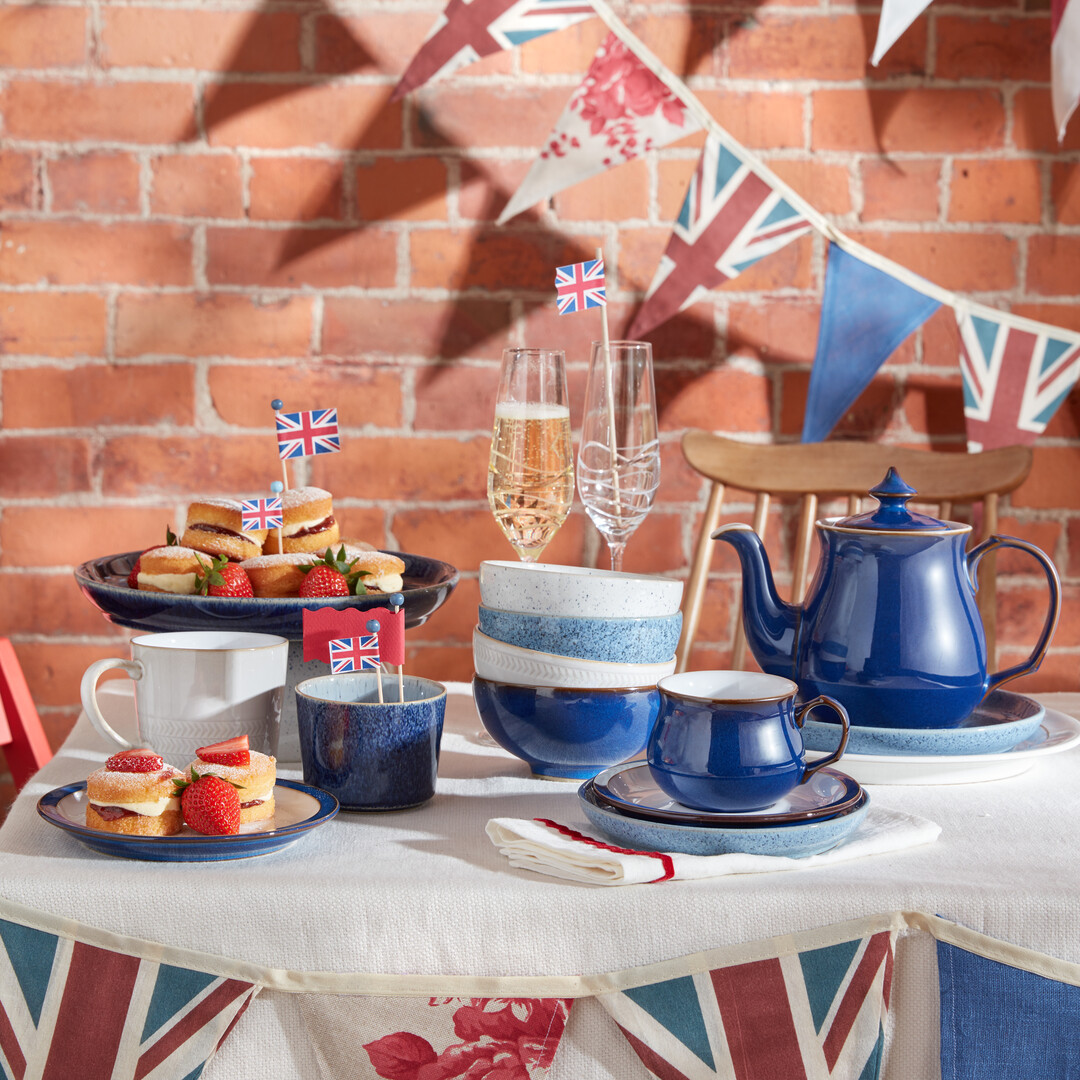
We're touched to be seen by some as a National Treasure. Now we need your help in getting other National Treasures to support #SaveDenby
We have @jamesmartinchef, Great British Sewing Bee's Patrick Grant and Great British Bake Off's @bakesbymichelle behind us.
Tag others here...
🚨Announcement🚨
Today, I’ve launched a public petition calling on the government to cancel the puberty blockers trial.
Let’s demonstrate our strength of feeling by getting this petition to 100,000 signatures and forcing a debate.
Please sign and share.
https://t.co/dIf8tSoxik
On International Day of Education, let’s not forget that the Taliban has banned girls’ education in Afghanistan, robbing 1.4 million girls of their right to learn. #LetHerLearn
Pressure is mounting @ECB_cricket as UK politicians and women’s groups
call en masse for a boycott of the Taliban’s boys with bats.
South Africa play Afghanistan on 21st Feb and politicians there are calling for a boycott. Australia play them on 28th and have boycotted them before. Do it first. Be brave. Or look like copycat cowards when you have to follow.
#BanAfghanistan
#BoycottAfghanistan
Many women have joined the protests rallying behind the phrase "My voice is not private." They sing as a powerful act of defiance using their voices as a symbol of resistance against the oppressive rule of the Taliban Their demonstrations serve as a courageous stand for freedom.





![TheAttagirls's tweet photo. Woman of the Day prison reformer and philanthropist Elizabeth Fry, born OTD in 1780 in Norwich, the first woman to give evidence to a Select Committee. It was instrumental in the passing of the Gaols Act 1823, which separated the sexes.
Caring responsibilities came early to her. Her mother died when she was 12 — she had twelve siblings — and as a Quaker, she took an interest in the impoverished, the sick and prisoners. A “plain Friend”, she dressed plainly, did not dance or sing, and took philanthropy very seriously.
In 1813 and at the suggestion of another Friend, Elizabeth visited Newgate Prison and found women and children in small overcrowded cells where they had to manage washing, cooking, toilet functions, and sleep on straw. Some hadn’t even been tried at court. She was horrified.
“All I tell thee is a faint picture of reality; the filth, the closeness of the rooms, the furious manner and expressions of the women towards each other, and the abandoned wickedness, which everything bespoke are really indescribable".
She returned the following day with food and clothing, but family finances prevented her from doing more until 1816. At first, she concentrated on the children by funding a school inside the prison for them, but she found it impossible to ignore the plight of the women. They were at the mercy of male inmates who raped and sexually exploited them. On release, the few occupations available to women were beyond their reach. Life was without hope.
Elizabeth founded the Association for the Reformation of the Female Prisoners in Newgate and encouraged other affluent women to set up classes for women prisoners, providing them with materials so they could learn to sew and knit. It calmed them — “Already, from being like wild beasts, they appear harmless and kind" — and meant they had employable skills on release.
When she gave evidence to a Select Committee on 27 February 1818, she pulled no punches. She told them in graphic terms of the rapes and sexual exploitation suffered by the women. Her powerful evidence helped to secure the Gaols Act 1823 which required prisons to separate the sexes.
Other provisions of the Act included paying gaolers (to combat corruption), requiring doctors and chaplains to visit prisoners (still an important statutory requirement today), and greater emphasis on reform and rehabilitation.
The Gaols Act was far-seeing and genuinely progressive, but other than separation of the sexes, toothless. Town gaols and debtors prisons were excluded and there was no means of checking that its provisions were being met.
Elizabeth returned once more to give evidence to a Select Committee of the House of Lords in 1835, pointing out that "in many instances their condition is melancholy...they may truly be called schools for crime", that some still had "no instruction, no employment, no classification [of inmates]...and they get into a most low and deplorable state of morals...I would not say that all are in that condition, but I fear many are".
In those days, many prisoners faced transportation to New South Wales even for the most minor of crimes (for more serious offences, hanging was the go-to sanction). They faced eight months in vermin-infested cramped holds, often flooded with bilge-water, and strictly rationed fresh water. The women transported by the First Fleet had only the clothing they were standing up in and when this became infected with lice and had to be burnt, they were given rice sacks to wear. Elizabeth campaigned for better care and provision for them too.
In 1825, she published "Observations of the Siting, Superintendence and Government of Female Prisoners", an influential book that laid out in clear detail how penal regimes should be run.
Somewhere along the way, Elizabeth established a "nightly shelter" for the homeless in London after seeing the body of a boy who had frozen in winter and set up a system of volunteers to visit the poor and homeless and provide help and comfort to them. She campaigned against the slave trade, and in 1840, opened a training school for nurses. Florence Nightingale took a team of Fry nurses to the Crimea.
Her abiding principles of kindness and fairness sprang from her Quaker faith and she was the first woman — other than the late Queen, of course — to be depicted on a British banknote.
Elizabeth Fry died in 1845 at the age of 65. I cannot tell you how much I admire this woman.
Less than a century later, Westminster and Holyrood subsequently ditched Elizabeth’s truly progressive approach to prison as a place for rehabilitation, not punishment, and decided that it would be even more “kind and inclusive” to hold men in women’s prisons, as long as they claimed to be women too.
In wartime and in war zones, that would be regarded as a war crime under the Geneva Convention, and those officials who allowed it would be classed as war criminals.
It’s peacetime, allegedly, but I’d still call it a human rights violation, and I have a few choice words for all of those politicians and civil servants who nodded along with it. I hope their complicity haunts them.](https://pbs.twimg.com/media/HI0fqw5WYAAMbp4.jpg)