Introducing Prism, a free workspace for scientists to write and collaborate on research, powered by GPT-5.2.
Available today to anyone with a ChatGPT personal account: https://t.co/9mTLAbxPdH
Did a thing. Wrote a python pipeline to help me identify segmentation errors based on biological morphometry and mathematical heuristics. Saliency map turned out great. Now instead of eyeballing, I just need to focus on the flagged errors. Not bad for a start!
When misconduct is undeniable, institutions reliably find the weakest link to absorb it.
The student is named. The process is opaque. The senior investigators quietly move on - often rewriting the story as “a lesson about not trusting students.”
Accountability flows downhill. The student becomes the public face of misconduct, while the senior investigators keep their grants, reputations, and talking points about supervision.
Did a thing. Wrote a python pipeline to help me identify segmentation errors based on biological morphometry and mathematical heuristics. Saliency map turned out great. Now instead of eyeballing, I just need to focus on the flagged errors. Not bad for a start!
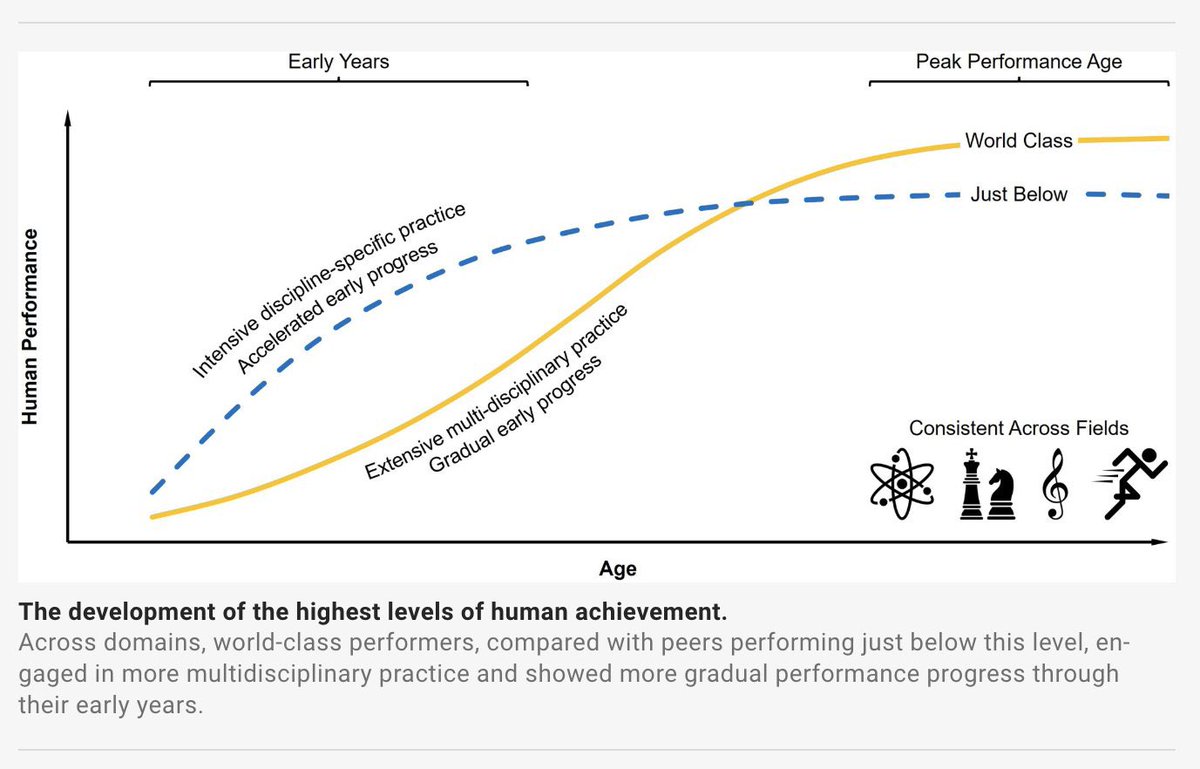
Fascinating paper just published in Science.
The authors analyze the career trajectories of top performers across multiple domains, including Nobel laureates, elite chess players, Olympic gold medalists, and more.
Their central finding challenges a common belief.
Intensive, single-discipline training at a young age does confer an early advantage, but this advantage fades over time.
By contrast, individuals exposed to multidisciplinary practice early in life tend to start more slowly. Yet, over the long run, they are more likely to reach world-class performance, eventually overtaking early specialists, who often plateau just below the very top.
An important reminder that breadth early on can be a powerful investment in long-term excellence.
Link to the paper in the first reply.
Ohhh i get it, they're going to use the ram shortages as the justification to push thin client computers onto consumers and make people dependent on cloud computing subscription services finally
My plan is more like Undergrad --> PhD --> Postdoc --> Postdoc --> Postdoc --> Postdoc --> Postdoc --> Postdoc --> Sort of interesting homeless man who haunts a denny's --> Postdoc --> die peacefully in bed surrounded by 150 papers with 10 citations each
Nature is widely considered one of the most prestigious scientific journals in the world.
Here is a template by Nature on how to craft a masterpiece abstract for your paper:
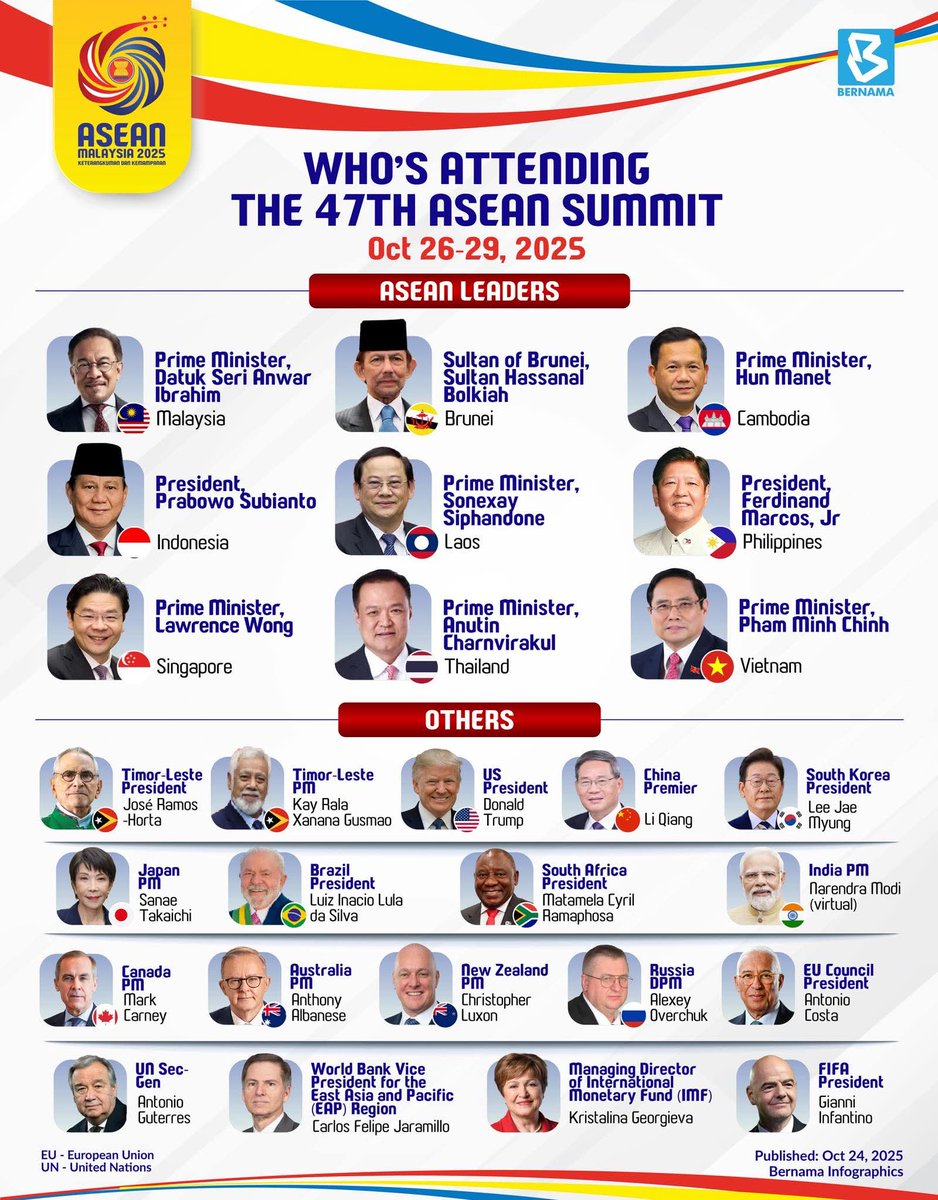
So many world leaders are coming over.
They are taking time off their busy schedule running countries just to be here. In Malaysia. For the ASEAN Summit.
What this tells us is: this region is ABSOLUTELY ESSENTIAL.
There is plenty of growth for ASEAN.