Giveaway🚨 It's been 2 weeks since RTT: An Inspector Calls was released. We've been blown away by your support. To celebrate, we're giving away a copy of the book & a copy of Priestley's 'The Edwardians.' Just like & RT. Winner drawn 1/5/26 @MiriamHussain_@SPryke2@teachals 🥳
Really looking forward to presenting next Saturday @TTRadioOfficial for Teacher Talk Connect on Saturday 14th March in Manchester.
You can see the full programme and get FREE tickets here:
https://t.co/8SPnoiwkXX
One of the biggest drivers in my shift toward explicit instruction has been simplifying everything. I used to try to gamify, activify, and engagify every lesson—bells, whistles, and all. It wasn’t sustainable, and it wasn’t especially effective. I taught under the impression that I had to “make it fun.”
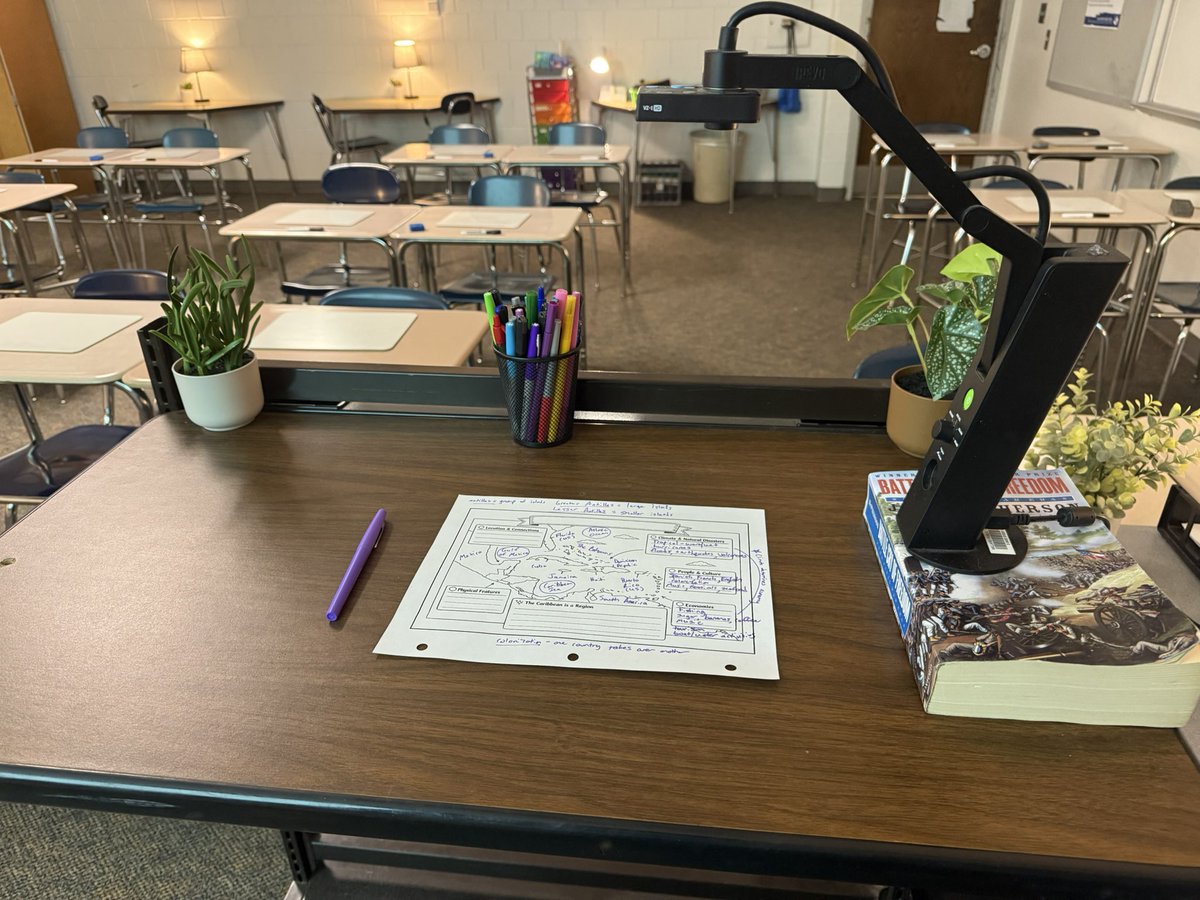
One of the best lessons I taught all year happened today, and here’s what it required: a visualizer, a blank outline map of the Caribbean, and all the critical content I know to explicitly teach my students with. That’s it. Add in lots of questions, choral response, turn-and-talk, concrete examples, active observation, and show calls, and you have everything you need for an effective and engaging lesson.
In previous years, I would have turned this simple Caribbean geography lesson into a high-energy, activity-based experience: stations, a gallery walk, or some kind of puzzle or game. There would be movement, noise, and “engagement,” but most of the new information would be lost in the shuffle. Working memory would be so overloaded that very little would actually stick.
Now I know teaching explicitly and simply is the most effective way to make learning happen.
Look, if the class collectively seem to like a teacher and the teacher says they like them too, but the behaviour in the classroom is poor and lots of children feel unsafe or unable to learn, then I’m sorry to say this isn’t ‘good relationships’ in action. Don’t be fooled.
If the same teacher constantly seems to be intervening inside and outside class with 1-1 chats about their lives, hobbies and bantering, but the behaviour in the classroom is poor and lots of children feel unsafe or unable to learn, same thing.
Ppl forget more than ever that good teaching changes lives. Good teaching builds good relationships. Learning lots changes lives. And this teaching and learning requires a focus on actual teaching above anything else.
Every time I hear someone say that ‘building relationships is how we get children to behave’ I’m amazed how often they then don’t define what
A) they mean by a relationship
B) how to actually build this mysterious thing.
This leads to multiple errors, eg trying to get kids to ‘like’ you and so on.
Part of the problem is that a lot of research into this appears to be dependent on correlation, not causation. Typically you see great behaviour and good relationships together, so people assume the latter causes the former.
But a good relationship is the outcome of good behaviour management, not the other way around. It’s a product, not a cause.
Why? Because a ‘relationship’ is simply a description of two things- How two or more people typically
1. Behave and
2. Value one another.
So if you want to ‘build a relationship’ you teach students how to act with one another, with you, with school peers, and so one. Simultaneously you teach them that they matter to you, and that their safety and success matters.
These things are far more important than ‘do you know what football team they support?’ You’re not their mate. The relationship you want- and they need- is adult to child, student to teacher. Demonstrated high regard AND standards.
Oh, one more major thing: boundaries. Students need to know there are limits of acceptable conduct, with penalties for crossing them. Any discussion about behaviour, or school behaviour system, that doesn’t have these, will eventually be pointless. No community survives without them, so why should classrooms and schools be different?
The English Strand at TTR Connect 2026! So far, we have announced eight speakers with many more to come! Check them out here: https://t.co/1Ck7uImGFm and get a free ticket here: https://t.co/HEYBnQoXy7
The English Strand at TTR Connect 2026! So far, we have announced eight speakers with many more to come! Check them out here: https://t.co/1Ck7uImGFm and get a free ticket here: https://t.co/HEYBnQoXy7
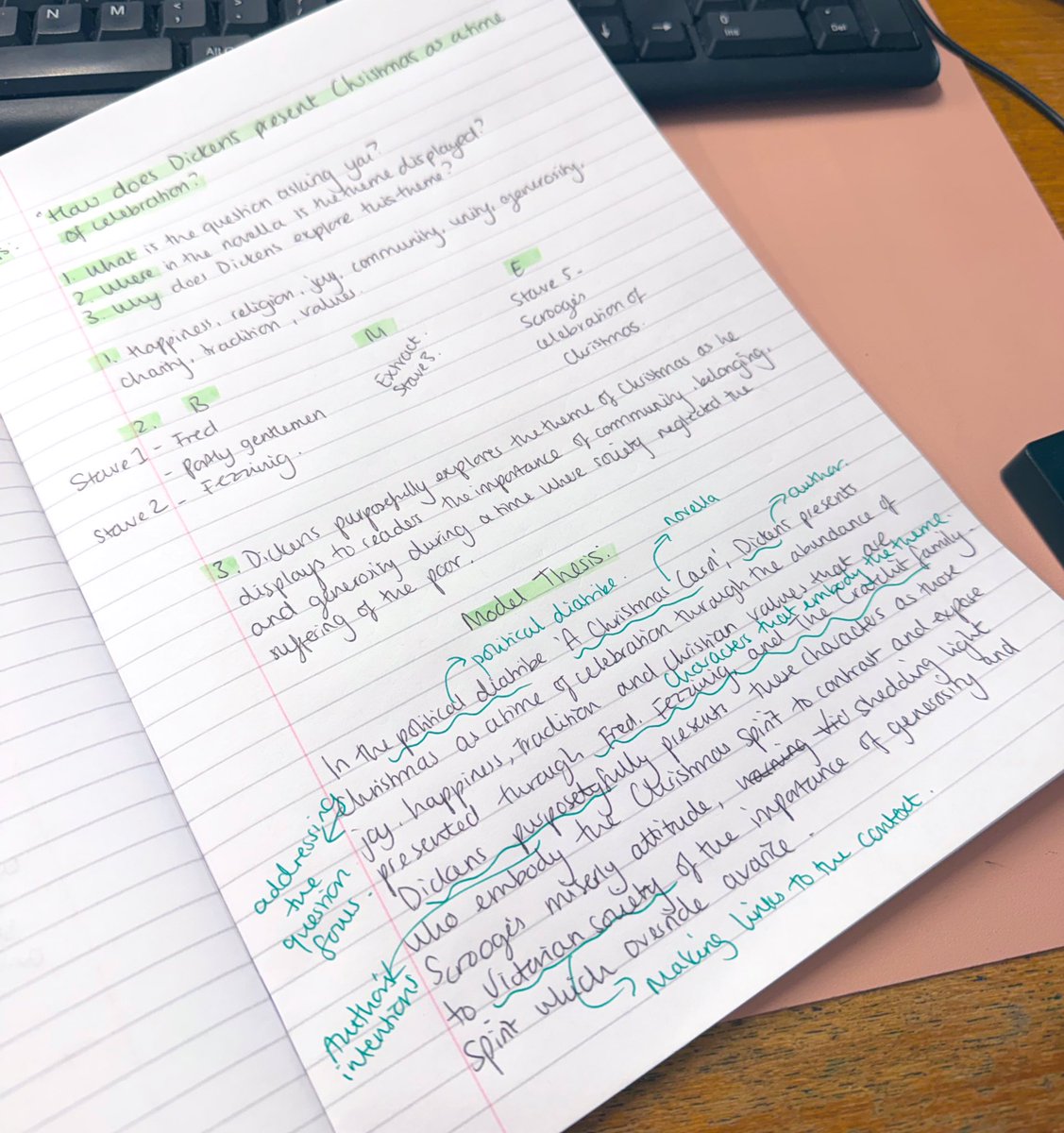
Don’t just live model
- Narrate each step of the process
- Question students continuously to check understanding
- Explicitly annotate where the success criteria is being met
- Students focus on listening and following the model, not copying (reduces split attention)
Hi all,
Tonight’s CPD is Behaviour Management. There are 3 sessions, to be delivered by people who haven’t taught for years:
1) It’s your poor planning
2) It’s your poor delivery
3) They’re fine for everyone else.
It should only last three hours, so bring some marking.
Thanks x
***ASSESSMENT***
Assessment is the bridge between teaching and learning. When effective it provides rich information to determine how much and how well students have learnt the intended curriculum.
In classrooms, assessment is an integral part of teaching. All interactions with students during a lesson are a potential opportunity to gather information to monitor students success against the intended curriculum aims.
What are we doing Longdendale High School?
Thread
/1
The best schools have very accountable cultures.
Colleagues know explicitly what they are responsible for & exactly what to do & what NOT to do.
They know why they need to be held to account & they understand the systems driving accountability.
Inconsistency bothers them.
And that's it. Critical things are to:
Be slow, pause inbetween instructions to check everything has been done correctly.
Show, not tell. Expectations are lived and breathed, and children don't need lengthy discussions of them. Just crack on with the work and set the tone.