In other words, both the No Surprises Act and the Inflation Reduction Act cost significantly more than the official projections indicated.
Neither appears to be delivering the cost-containment supporters claimed.
Insurer vertical integration "has also been found to lead to more efficient care provision in the commercial market." ... "the acquisition improved efficiency in the commercial market by increasing referrals to less expensive specialists"
so saving $$$ for employers/patients.
The Health Care Affordability Lab @Yale is out with a new assessment of vertical integration in health care. Their findings:
1. Hospital acquisitions of physician practices lead to higher prices and less competition with little evidence of clinical quality improvements.
2. Insurer acquisitions of providers can enable MLR gaming, along with anticompetitive effects
3. Insurer-PBM-pharmacy integration raises rivals’ costs and enables regulatory gaming in Medicare Part D
Time to break up the monopolies!
https://t.co/39FuiXdkIU
More good stuff, explains that one insurer buys provider groups that refer to ASCs "because ASCs are a lower-cost site of care than hospital outpatient departments, acquiring practices with established ASC referral patterns reduces spending for ... its own enrollees"
American Pharmacy Worker gives a behind the scenes look at our healthcare system
He shows a medication costs less than $4 to dispense
Since the patient has insurance, the insurance company makes them charge $97
US Health Insurance companies should be prosecuted
@MattRinaldiTX@LoewyLawFirm Also, Matt’s right, the state doesn’t regulate insurance for about 62% of the commercial market. However, the state can regulate egregious billing for ALL providers. There’s actually a law on the books about unconscionable charges from these ERs. I think it was HB 1941-86th
@MattRinaldiTX@LoewyLawFirm Couple worthwhile clarifications if it’s helpful. @LoewyLawFirm federal and state balance billing laws prohibit that fly by night ER from billing your client for the difference. SB 1264 and the federal no surprises act. The ER would have to take that bill to an IDR process.
“Health plans and employers who provide insurance coverage are stuck between a rock and a hard place—either accept hospitals' outrageous price increases or risk patients losing access to care.” @darbin_w https://t.co/RXtQacnPPS
Texas Association of Health Plans' recommendations to the Senate included improving the state's use of data-driven ("ex-parte") renewals in Medicaid.
It's a smart way to cut down on paperwork and help folks get health coverage if they are already eligible #TXlege
Thanks to bipartisan #SB1296 by @NathanForTexas and @TomOliverson, Texas consumers have one of the best ACA Marketplaces to choose from. @charles_gaba analysis shows that 82% of Texas enrollees have Gold or better coverage!
Drug companies want to secure formulary placement, avoid competition, and mask the real cost from the patient. Copay coupons are just one part of that scheme. #txlege
@CharlesTXPolicy Absolutely Charles…drug companies love discount cards/programs because it allows them to charge payers higher prices while the patient is none the wiser.
When I was diagnosed with type 1 diabetes, I paid $684 for my first 30-day supply of insulin.
That's because Big Pharma has manipulated the insulin market to drive up prices.
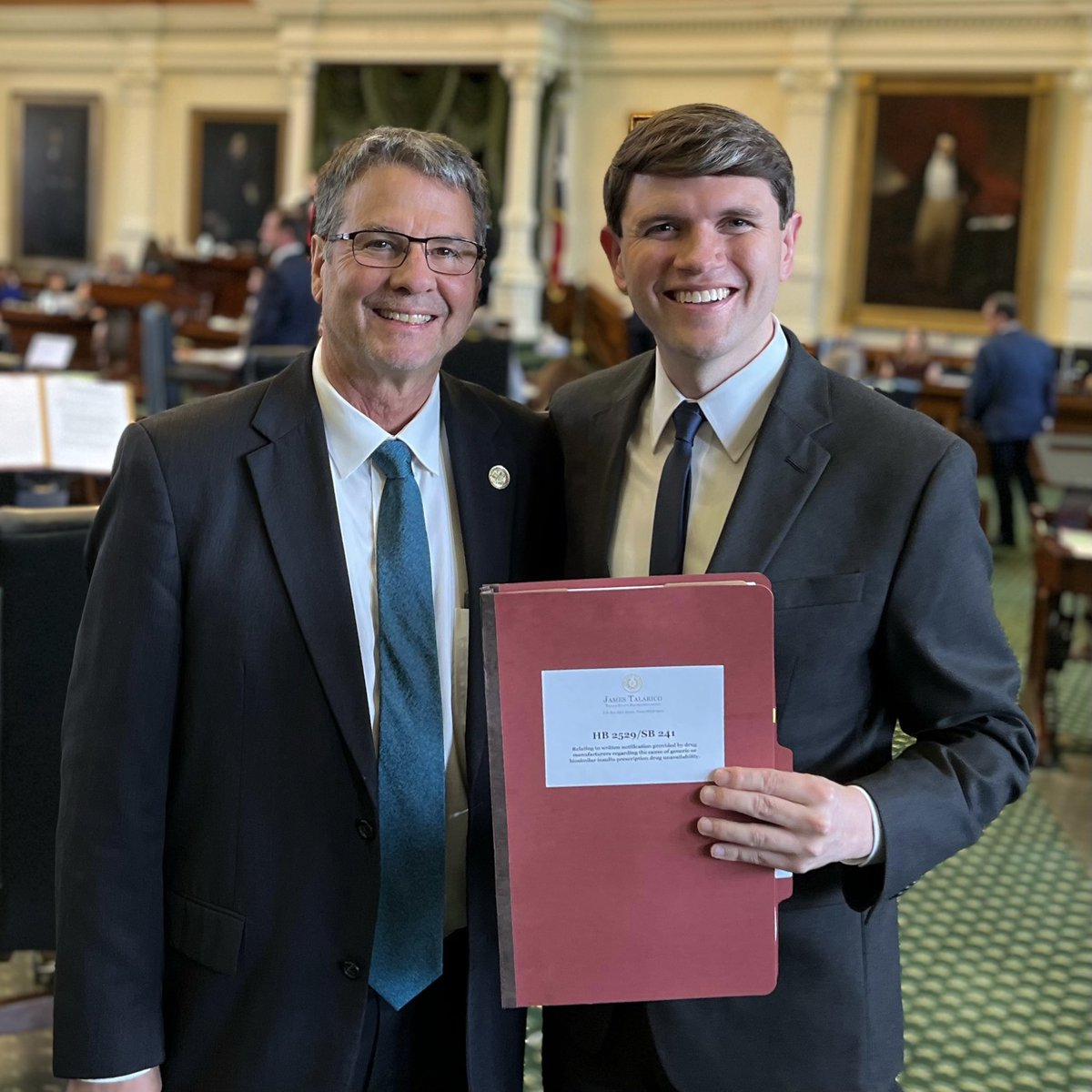
Senator Perry and I just passed bipartisan legislation to crack down on insulin price gouging. #txlege
@LoewyLawFirm Speaker Phelan himself carried that bill. HB 1941 from the 86th, but there are some nuances and poor enforcement. I worked on it and all the bills the last few sessions to try to address this industry. Some very bad actors out there.
@lukemetzger @something_light @GatoMightyIII@LoewyLawFirm That's a new one for me. You're saying they are turning down insurance payments. Not surprised though. If they are OON for Blue Cross Blue Shield, that's the state's largest insurer. They have an OON business model coupled with tax payer funding here in Austin.