E-mit is open to all scientists, clinicians, patient associations, companies & other key stakeholders working in mitochondrial research & medicine. Join us & help bring the mitochondrial community together! You can become a member here: https://t.co/zzGfmFXxjc *MT
E-mit began with 63 founding members from across Europe. We continue to grow as a society & now have 227 members from 26 different countries! We recognize that we are stronger together & are committed to building this community to promote & advance #mitoresearch#MitoAware *MT
Today 2-3PM E-mit we will be taking over
@MitoResearch
page to share our mission to promote and develop scientific research in Mitochondrial Biology and Disease and empower a new generation of scientists. Tune in to learn more! #WorldMitoWeek#MitoAware#Mito
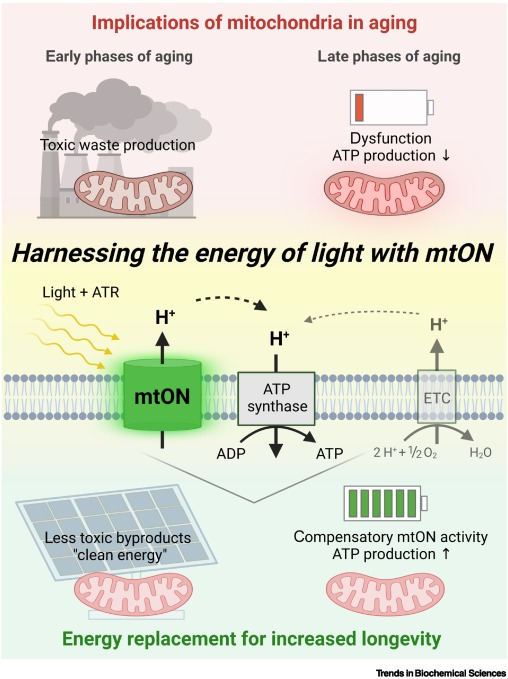
Mitochondrial dysfunction is a central hallmark of aging and energy transduction is a promising target for longevity interventions. New research suggests that interventions in how energy is transduced could benefit healthy longevity.
Online now! Check out our latest review on the many and varied ways cells rid themselves of their damaged or unwanted mitochondria.
Mitochondrial Degradation: Mitophagy and Beyond
https://t.co/WyzwcrM0yF
Dear E-mit members,
this is a reminder for the Junior member representatives (one PhD student/Postdoc and one trainee clinician) nominations! The deadline for the applications is July 20th, 11 am CEST.
Further information can be found on https://t.co/hdl7KWrZ3D
I am happy to propose a model for mammalian #mitochondria UPR signaling, published @Nature.
https://t.co/Q1nf0KK2El
Mito protein misfolding induces two cytosolic signals –mtROS and mito protein precursor accumulation. These activate the mito UPR via a DNAJA1-HSF1 signaling axis.
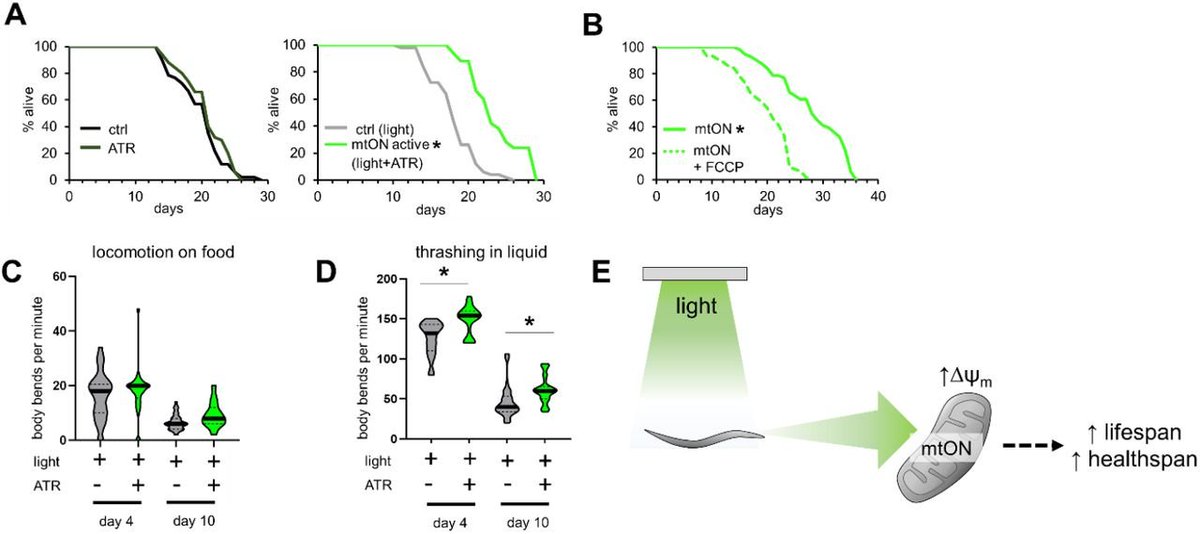
We show that optogenetically increasing #mitochondrial membrane potential during adulthood using a #light-activated proton pump improves age-associated phenotypes and extends #lifespan in Caenorhabditis elegans.
👇
https://t.co/9PSQjtaZgs
Great collection of mitochondrial papers are available in the latest issue of @Cell_Metabolism including a cool cover art! Looking forward to reading them all!
#NewIssue ft. Cover Art by @sahola6 depicting different mitochondrial morphologies in disease 👩🔬
🔗 the exciting paper that inspired the art: https://t.co/KSVeSr9GZS
🚨Final call for abstracts and registration for Problems in the Powerhouse: Mitochondrial Dysfunction in Cancer - 24th/25th🚨
Fantastic programme of invited speakers, short talk and poster slots available - don't miss out!
https://t.co/rLaxjsufbG
The mitochondrial genome is detectable in practically every human biofluid, mostly found inside small vesicles or as whole mitochondria. @CarolineTrumpff and Shannon Rausser found that cell-free mitochondrial DNA (cf-mtDNA) also is detectable in human saliva.
Delighted to share the first tweet from the @Mito_Redox lab @NatMetabolism@Cambridge_Uni@MRC_MBU
Check out this important guideline for those interested in studying redox biology. DR. ⬇️⬇️
https://t.co/bQZr6pkZxU
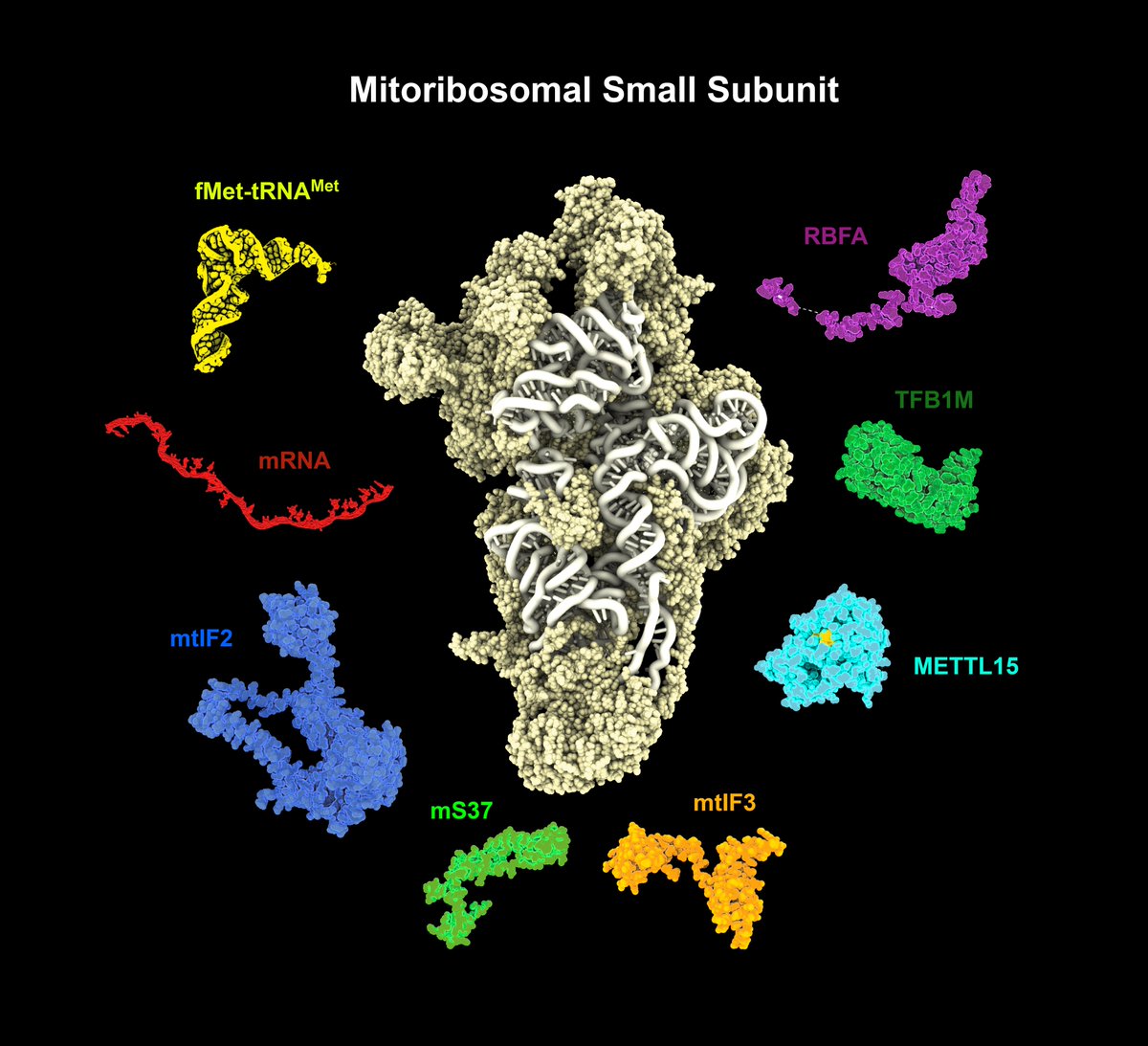
New study in @Nature by Joanna Rorbach and Anas Khawaya @MolMet_KI visualizes in detail the machinery that the cells’ powerhouses, the #mitochondria, use to form their proteins. Collaboration with researchers at @Stockholm_Uni. #ribosomes https://t.co/ltCxvvuS4a
ATF-4 and hydrogen sulfide signalling mediate longevity in response to inhibition of translation or mTORC1 | Nature Communications https://t.co/nFfBuKdsy3