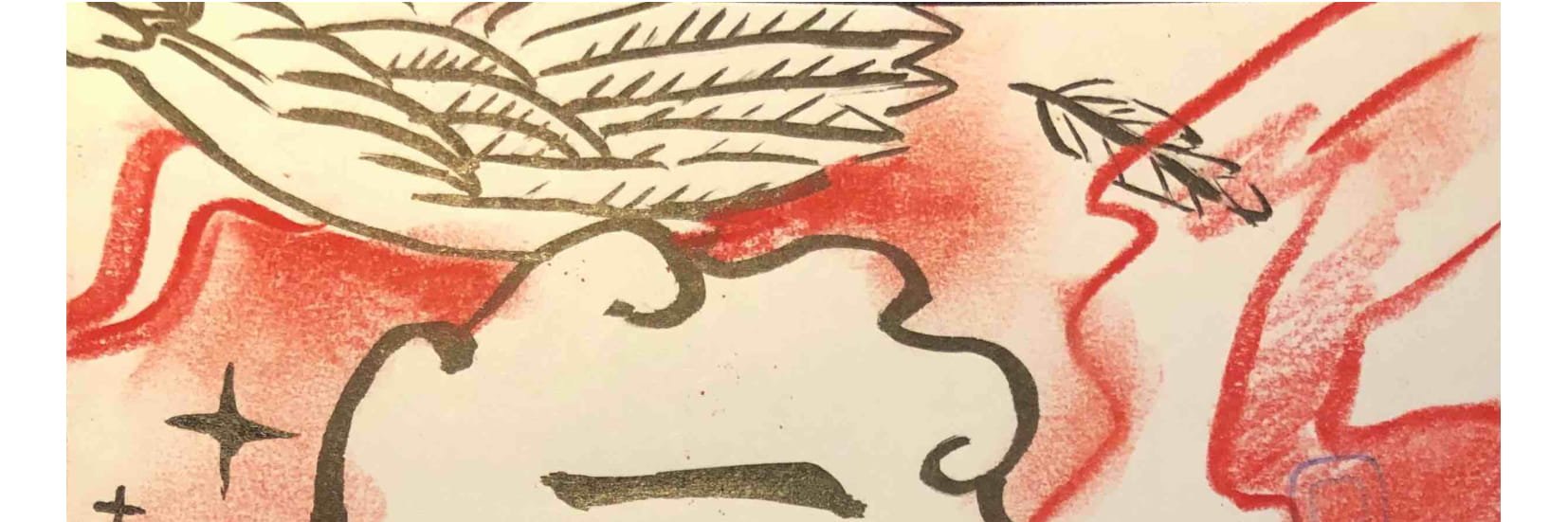
In 1931, John B. Sparks attempted to map the ebb and flow of global power going all the way back to 2,000 B.C. on one coherent timeline 📚
https://t.co/J2WJhg2HEa
Another excellent explainer from @nataliexdean. (Lego version soon?😀) This is also exactly why we do not, yet, know the intrinsic virulence of Omicron—what it would mean for someone neither vaccinated nor infected before. Two years in, multiple mediators of cases and severity.
If you have tested positive for #COVID19 or have been exposed to someone who has, @NYCHealthSystem Take Care hotels are for you! Our #NYCTestandTrace Corps is connecting eligible New Yorkers to free hotel rooms to help StopTheSpread of the virus.More info: https://t.co/4ACfyAkz1y
@cydharrell Hi Cyd, I'm in the middle of several transitions - to senior, to government, to Medicaid. Would be great to connect for a mentoring session if you have time. -Kevin
@SekaiFarai I've been told I interview well. I'm an ambivert that can bring out my extraversion in job situations. Generally (if it's a tough or vague question) I take a pause, think about an experience that relates, and then I tell a story. It's like turning a stone over in my hand.
Joy Buolamwini writes in the NYT on algorithmic bias and the coded gaze. A powerful and necessary voice for justice in technology https://t.co/ueVUR3mUKX
@brynphd It is hard to see a utility for these types for program design or planning. Most likely they can be used by marketing to coordinate which channels to target (online rating systems, clinician referral, family, friends)
Sorting users into “types” and “personas” is a common trope of industry. In this case, the categories obviously overlap (around half of the patients in the survey would fall into at least two), so it’s not clear why we should understand them as discrete types. https://t.co/Hgq9WMtmIC
@brynphd Agree. The context could come from observational and in-depth qualititative research, which might yield categories different from those presented here.
Reduction is helpful when it supports the understanding of #complexity rather than obscuring it. Deriving persona types from survey research alone can lead to paper-thin categorizations. We may know that someone switched, but why did they switch? Because they are a "switcher."?
A visual I made has spawned a hashtag? Safe to say this is a career high. Congratulations again to @krboehmer#NextLevelTetrisMaster https://t.co/PNEpda02zw