We must never forget the heroism of the police officers who defended the U.S. Capitol on January 6.
Since @SpeakerJohnson refuses to display the memorial plaque, violating federal law, we will keep a replica outside my office until he follows the law.
Their bravery saved lives. Their sacrifice will never be forgotten.
📢 Many African researchers can’t get published—not for lack of quality, but for being “too local.”
The @AORTIC_AFRICA#Journal changes that.
A home for our science. Our stories. Coming soon.
Read more: https://t.co/2FwIRf8lMR
#KeepingAbreastWithDrMiriam#PublishAfrica
⚠️ BREAKING:
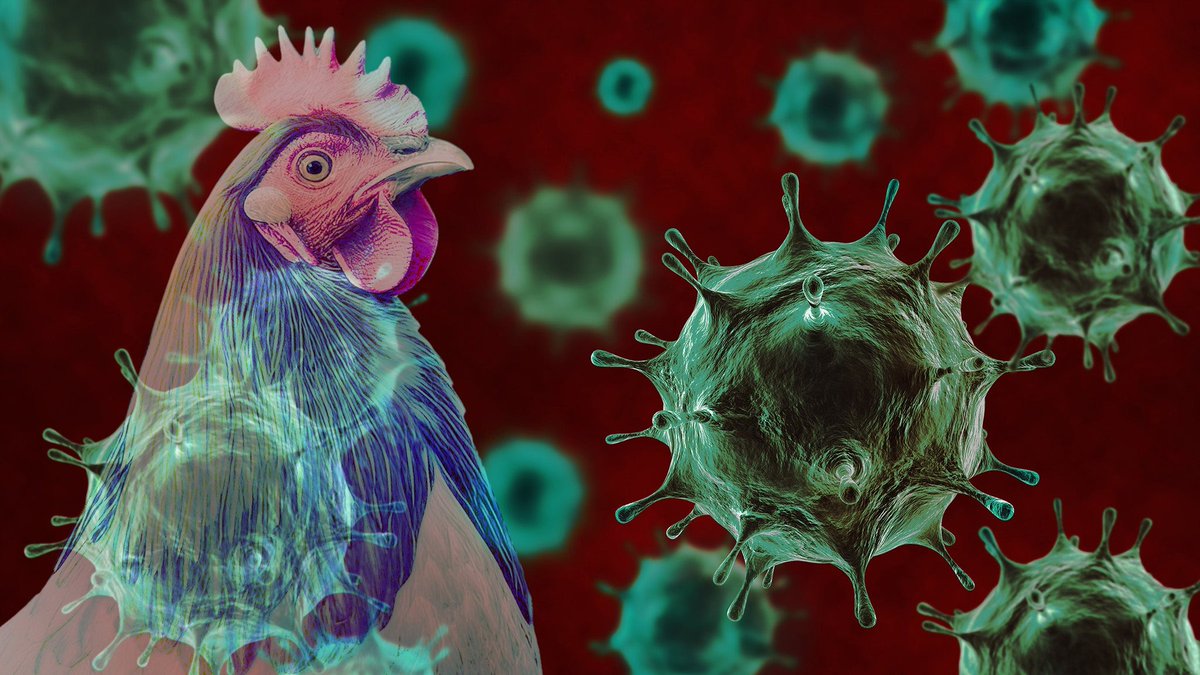
Top Virologists Warn World to Prepare for Deadly H5N1 Bird Flu Pandemic
Top virologists from 40 countries warn of growing H5N1 bird flu pandemic risk; urge stronger global defences as virus could kill 1 in every 2 people it infects.
Fort Lewis Indian Boarding School was one of four like it in Colorado and one of 403 in the U.S.
Our bipartisan legislation will not erase the past, but it acknowledges our responsibility to unearth the stories of suffering and injustice that we’ve buried for generations.
@SenatorHick “… and forgive us our trespasses …”. Bless you, Senator Hickenlooper, for enabling us to learn so that we may help heal trespasses long hidden. With this knowledge, we are resolved to seek forgiveness and to right these wrongs. We will follow your example. Thank you. Marty
Conventional tumor analysis methods disrupt tissue architecture, obliterating crucial spatial information. We often infer complex cellular interactions from disconnected data—akin to attempting to understand a city from fragments of bricks and shards of glass.
Spatial profiling technologies, on the other hand, preserve the tumor microenvironment intact, capturing the intricate "cityscape" of cancer: cell-cell interactions, stromal elements, immune infiltrates, and molecular gradients in situ.
As we decipher the spatial complexity of neoplasia, we're poised to transform our understanding of tumor biology, moving towards a more dynamic understanding of oncogenesis and advanced malignancies.
https://t.co/uMxb6MgNiG
@rtnarch John Hancock, with his famously large and bold signature, was the first person to sign the Declaration of Independence on July 4th, 1776. Bob, your manifesto affirms why it was a brilliant stoke and how grateful we as Americans should be. Thanks, Bob. Marty