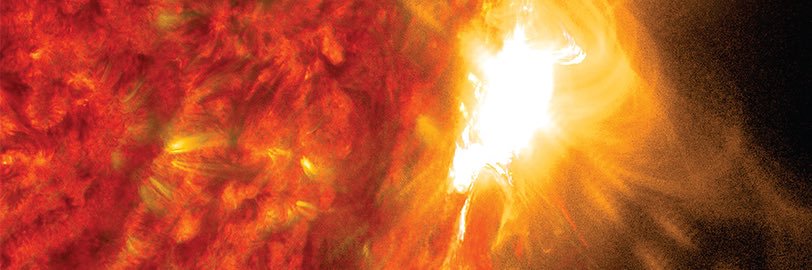
During the 2024 Mother’s Day solar superstorm, we observed anomalous enrichments of cosmogenic radiosulfur in surface air, which are best explained by temporally increased productions of cosmogenic radionuclides in the atmosphere. See our new works in GRL: https://t.co/AodR4zwfE7
Our multiple sulfur isotope measurements provide new insights into the largest known mass extinction event in the Earth’s history. Check our paper published in PNAS.
Deforestation and soil erosion following wildfires altered carbon and sulfur cycles during the Permian-Triassic mass extinction, but not until several hundred thousand years after the volcanic events that kicked off the extinction event. In PNAS: https://t.co/ZeF72Bh4Hl
Deforestation and soil erosion following wildfires altered carbon and sulfur cycles during the Permian-Triassic mass extinction, but not until several hundred thousand years after the volcanic events that kicked off the extinction event. In PNAS: https://t.co/ZeF72Bh4Hl
Samples collected by China's Chang'e-6 lunar mission include fragments from an olivine-rich meteorite with high water and volatile content, supporting the theory that asteroids delivered water and volatiles to the Moon. In PNAS: https://t.co/DAxCzYQhcT
Thrilled to share our new PNAS paper! 🚀
We found remnants of carbonaceous Ivuna-like (CI) chondrites (similar to asteroids Ryugu and Bennu) in the Chang’e-6 lunar samples 🌕🪨
🔗 https://t.co/ahVUdGnXan
Excited to share our new paper in Science Advances! It marks my first step from oxygen and sulfur into hydrogen chemistry, a field I’ve been exploring with growing interest since last year.
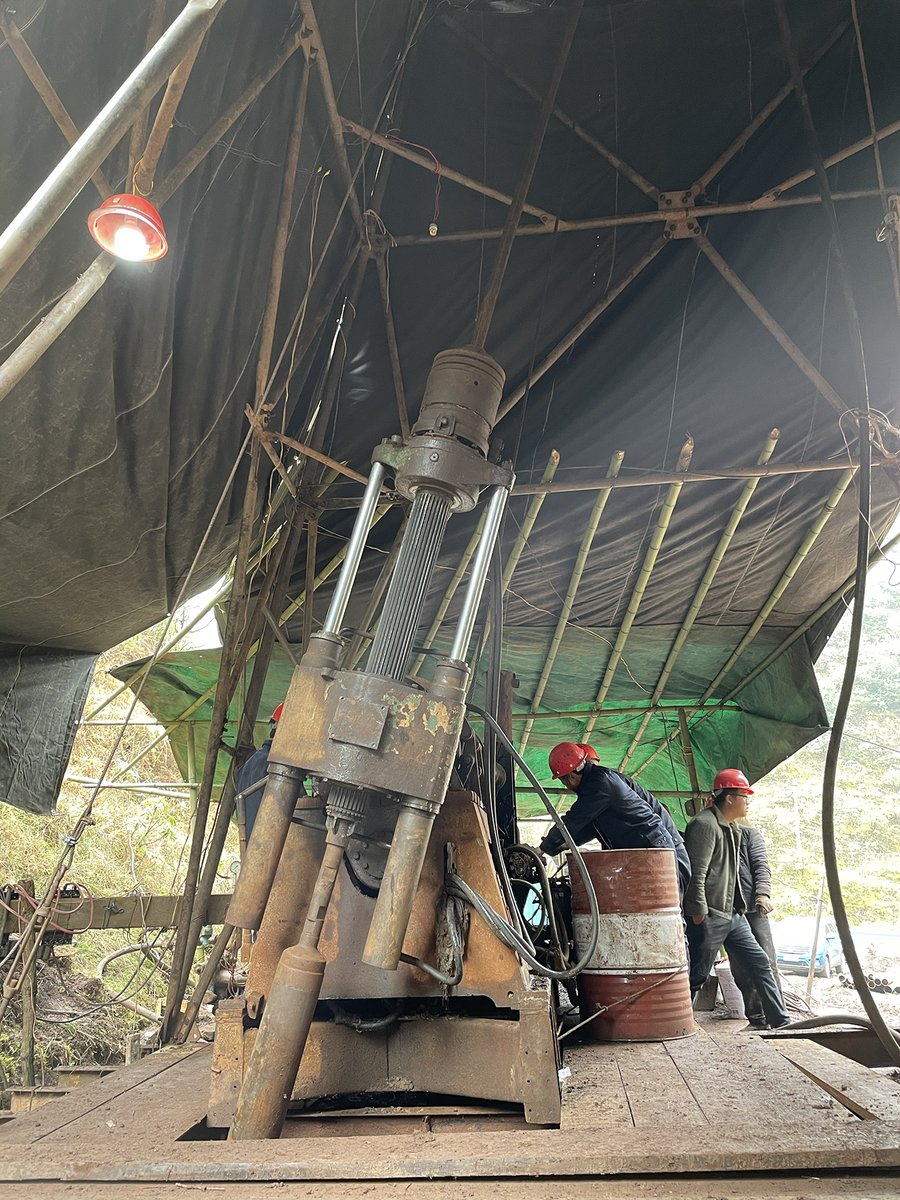
A new study shows that rock fracturing in the deep subsurface of Earth’s crust produces both hydrogen gas and oxidants, driving iron redox cycling and sustaining microbial life in this isolated environment. https://t.co/dRDKnXidkk
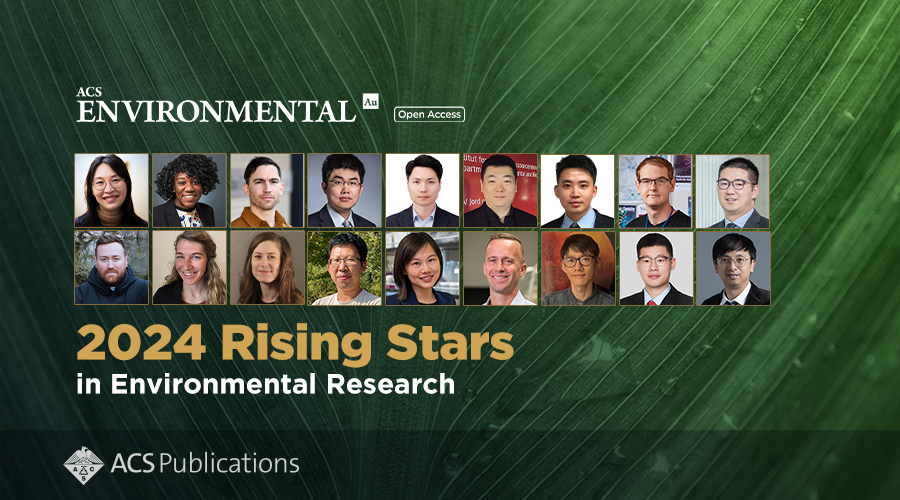
Honored to be named one of the 2024 Rising Stars in Environmental Research by ACS Environmental Au. Grateful for the support of my amazing mentors, colleagues, and students over the past decade! 🧪🌏🧑🔬https://t.co/fQDPTmnnWp
A collection of articles from the Water on the Moon and Mars Special Feature explores the origins, quantities, and chemistry of extraterrestrial water on the Moon and Mars as NASA’s Artemis missions prepare to return to the Moon and beyond. In PNAS: https://t.co/jUD2lxhFb0
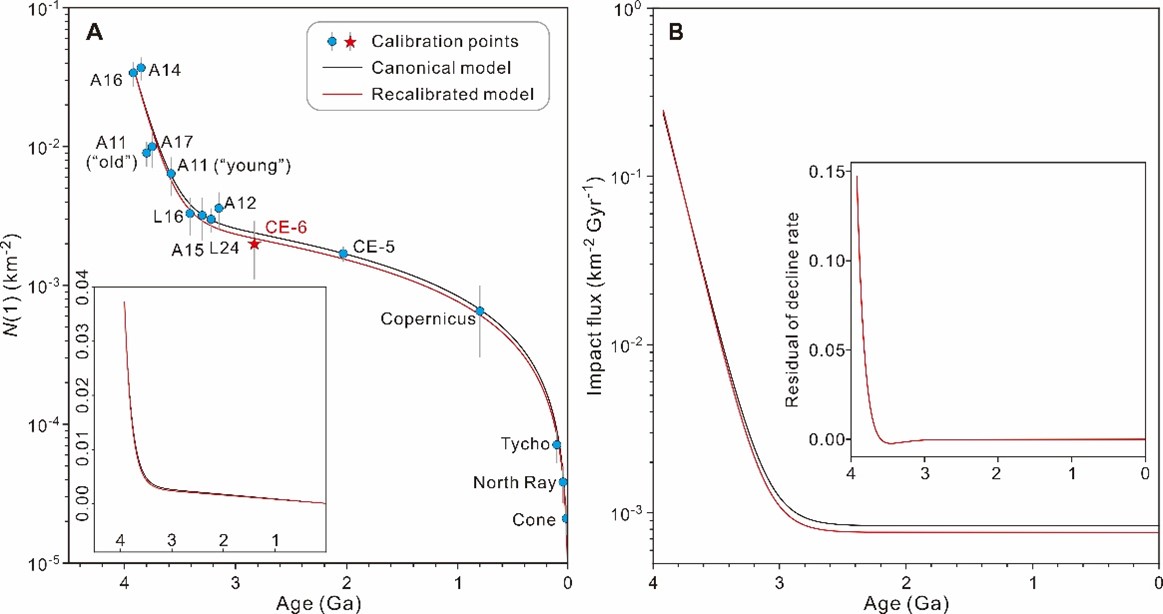
Our work of the Chang'e-6 lunar basalts, the world's first lunar farside samples has been published by @ScienceMagazine today! This work indicates young volcanism (~2.83 Ga) exists on the farside, originated from the most depleted mantle.
https://t.co/XYywyKblHH
Professor Mark Thiemens, who is the discoverer of the mass independent isotope effect and a long standing member of the GS, has been elected to the Royal Society! Read More: https://t.co/jmu4QiKuuM
A work led by my postdoc Xiaoxiao Yu shows that multiple sulfur isotopes of greigites indicate possible methane leakages from coastal marine environments. The unique isotopic signature may be useful for the refinement of global warming in the deep past.
https://t.co/sT26kvHiOD
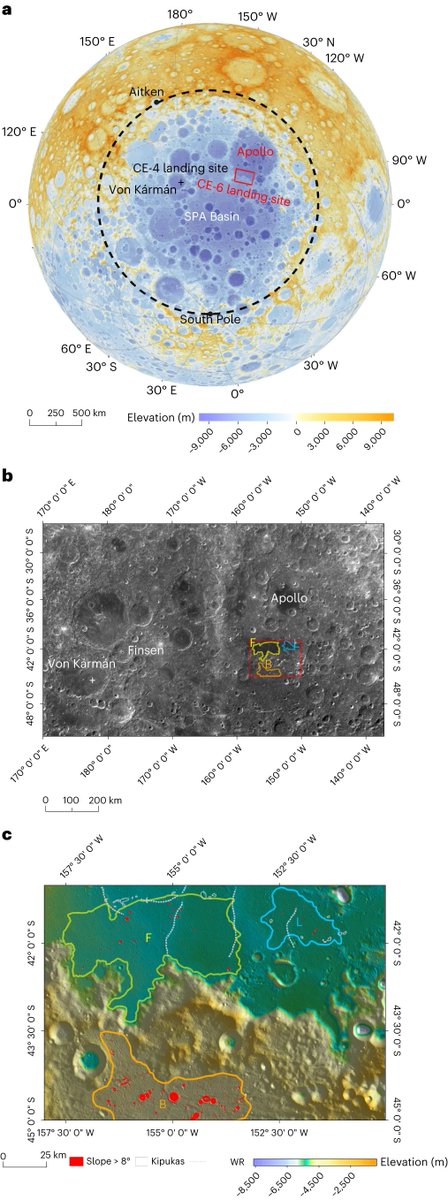
The Chinese Chang'e-6 mission will pick up a sample from the far side of the Moon. Here the three candidate landing sites, within the Apollo basin, are presented: https://t.co/tWHTRPm0RL
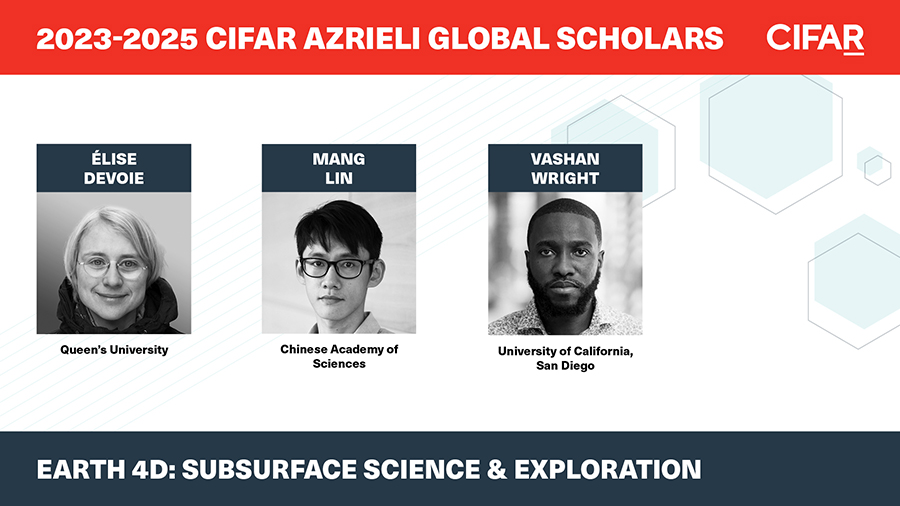
Élise Devoie (@Queensu), Mang Lin (@mlinchem) and Vashan Wright (@DrVasshe, @UCSanDiego) will be joining our Earth 4D: Subsurface Science & Exploration program. https://t.co/0WosN6yBGv
A study led by Prof. Wang reveals a new pathway of microbial sulfate reduction. In this collaboration, our group designed and carried out a series of radiosulfur labeling experiments, which provided a crucial piece of evidence! Check out our paper in PNAS:
https://t.co/yxNBjfDeMB
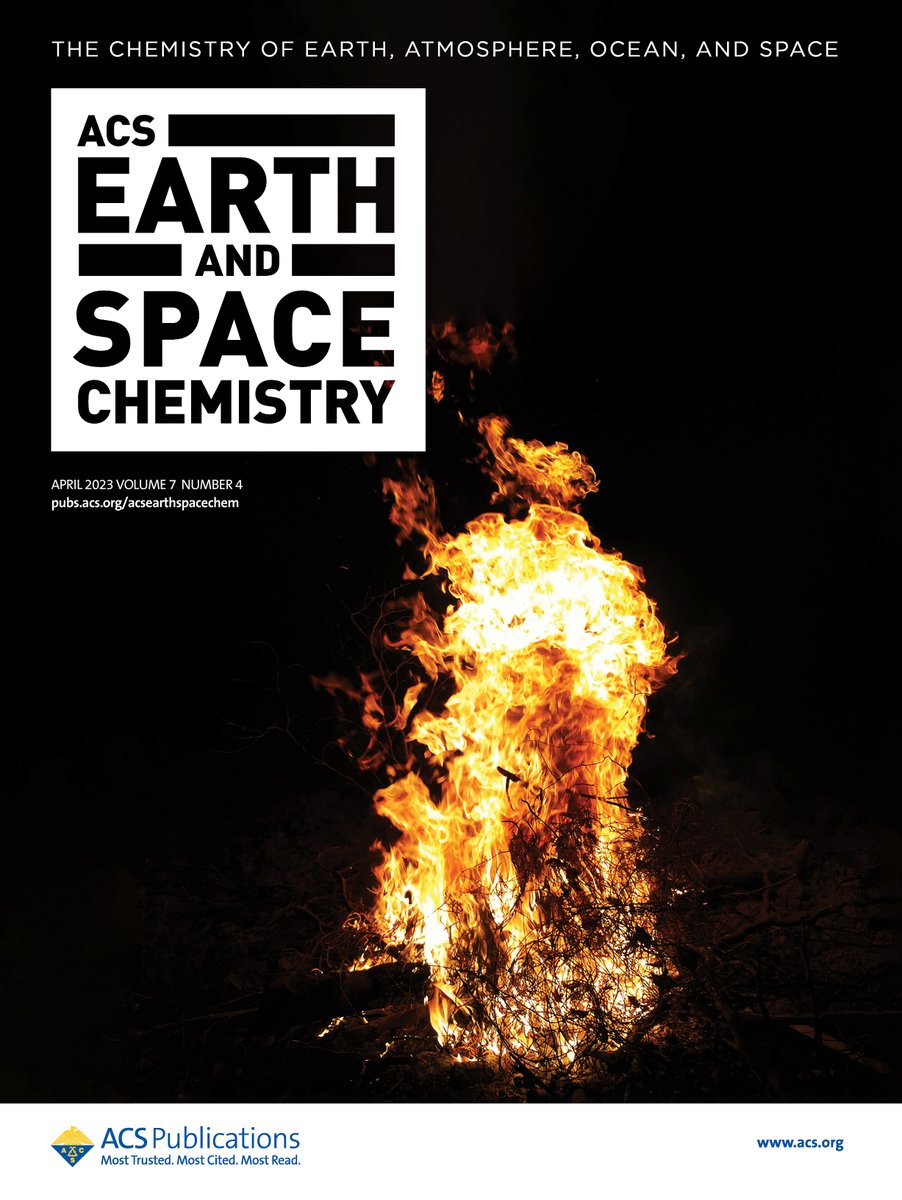
My student Binyan Yin's work on sulfur isotope mass-independent effects is featured on the front cover of the latest issue of @ACSEarthSpace
Please check it out: https://t.co/l9NapCZAUZ
#MyACSCover@ACS4Authors
Water in contact with fresh surfaces of silicate minerals can release oxygen to form reactive oxygen species and molecular oxygen, which could help explain the origin of hydrogen peroxide and oxygen in Earth’s early atmosphere. In PNAS: https://t.co/CO1ng0OnjA