TERKINI
ALHAMDULILLAH
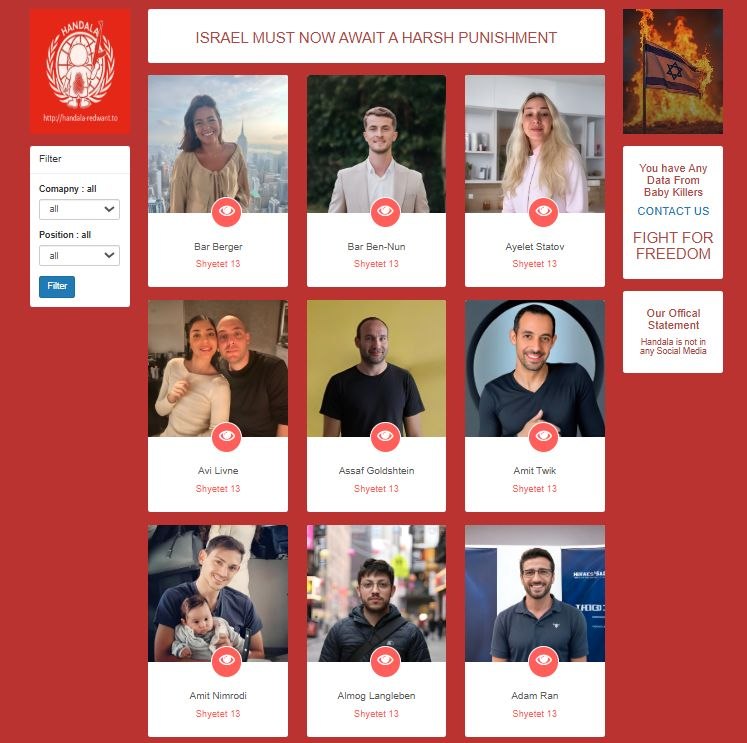
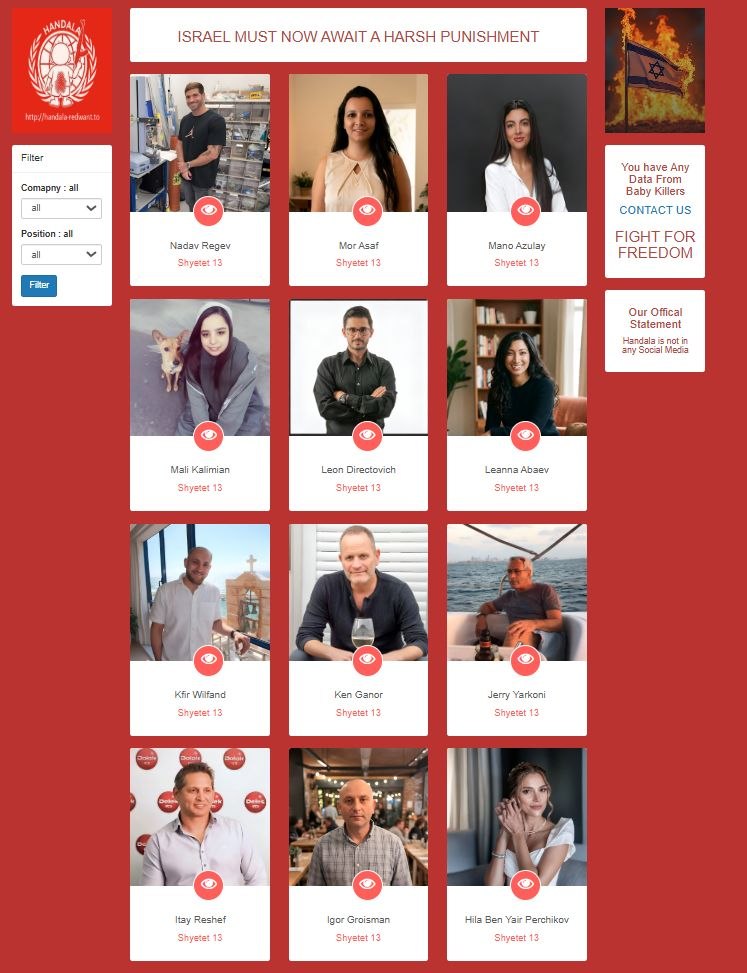
ISRAEL MALU. IDENTITI KOMANDO YANG PINTAS MISI GSF TERBONGKAR
Pasukan Penggodam Iran Handala dilaporkan berjaya menggodam IDF malam tadi dan mendedahkan gambar dan senarai nama anggota dan pegawai Pasukan Khas Laut Shayetet 13 yang memintas Misi GSF 2.0 baru baru ini. Ia seramai 69 orang dan Handala meletakkan 100,000 USD untuk setiap seorang sama ada dibunuh atau ditangkap
CELAKA PUNYA LEMPENG
Menteri Keselamatan Negara Israel, Itamar Ben Gvir dilihat memalukan peserta GSF yang diculik mereka di Pelabuhan Ashdod selepas mereka menyebut Free P
Pasukan CENTHRA Malaysia sedang mengumpulkan bukti ini bagi dibawa ke Mahkamah Jenayah Antarabangsa melalui Deklarasi Brussels
Untuk User Mercedes,
Any model,
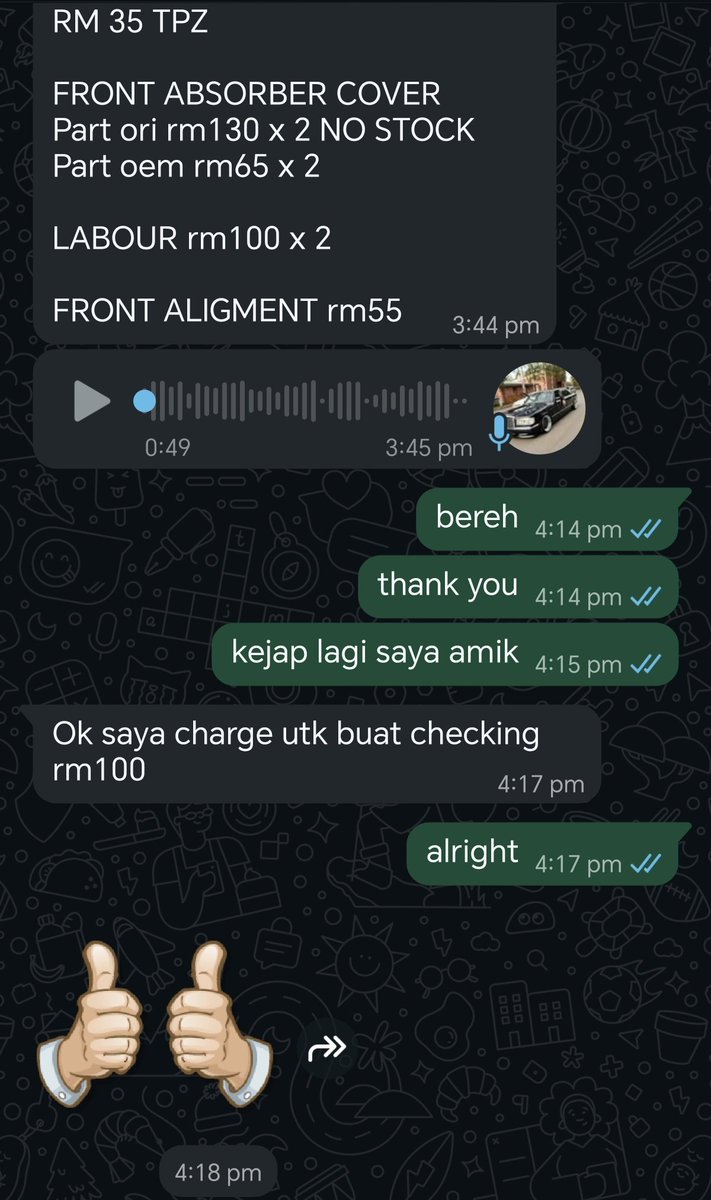
Theres this one workshop in Melawati yang aku personally recommend.
Fully Malay Owned,
Technicians pun Mostly Malay,
and the best part,
bukan jenis ketuk,
kalau boleh pakai lagi, dia ckp xyah tukar,
kalau nak tukar siap ada options
cont..
These camera-trap images of mother tigers and cubs from 2022 and 2025 give us hope. However, with fewer than 150 Malayan tigers left that are severely threatened by poaching and habitat loss, we need to do more. Please help save our tigers, visit https://t.co/oC1CWfj0Bl Thank you.
#SaveTigers #tigers #Malayantiger #wwfmy
Everyone felt sad for the penguin walking alone and the monkey rejected by his mother. But this video is far more heartbreaking, yet it didn’t receive the same attention.
With Apple Pay, your real card number never really leaves your device. When you add your card, the bank creates a special replacement number called a Device Account Number (DAN). That DAN is stored securely inside the phone’s Secure Enclave chip, not on Apple’s servers. When you pay, your phone sends this DAN plus a one-time cryptographic code to the merchant. The merchant never sees your real card, and Apple doesn’t process the transaction itself. It’s basically: phone → bank → done. Everything sensitive stays on the device.
With Google Pay, the idea is similar but the path is different. Instead of storing everything only on the device chip, Google often uses cloud tokenization. Your card info is linked to Google’s servers, which generate payment tokens during transactions. When you tap to pay, a token is fetched/created and sent to the merchant, then validated by the bank. So it’s more like: phone → Google server → bank. Still secure, but it relies more on the cloud.
So both systems hide your real card number. Apple leans more toward hardware-based security (on-device chip), while Google leans more toward server/cloud-based token management.
In simple terms:
Apple Pay locks your card inside your phone.
Google Pay locks your card behind Google’s servers.
Either way, the shop never gets your real card details; which is why mobile payments are often safer than swiping your physical card.